












































You are using an out of date browser. It may not display this or other websites correctly.
You should upgrade or use an alternative browser.
You should upgrade or use an alternative browser.
Eastern Europe Trip Pictures
- Thread starter ArtyMan
- Start date


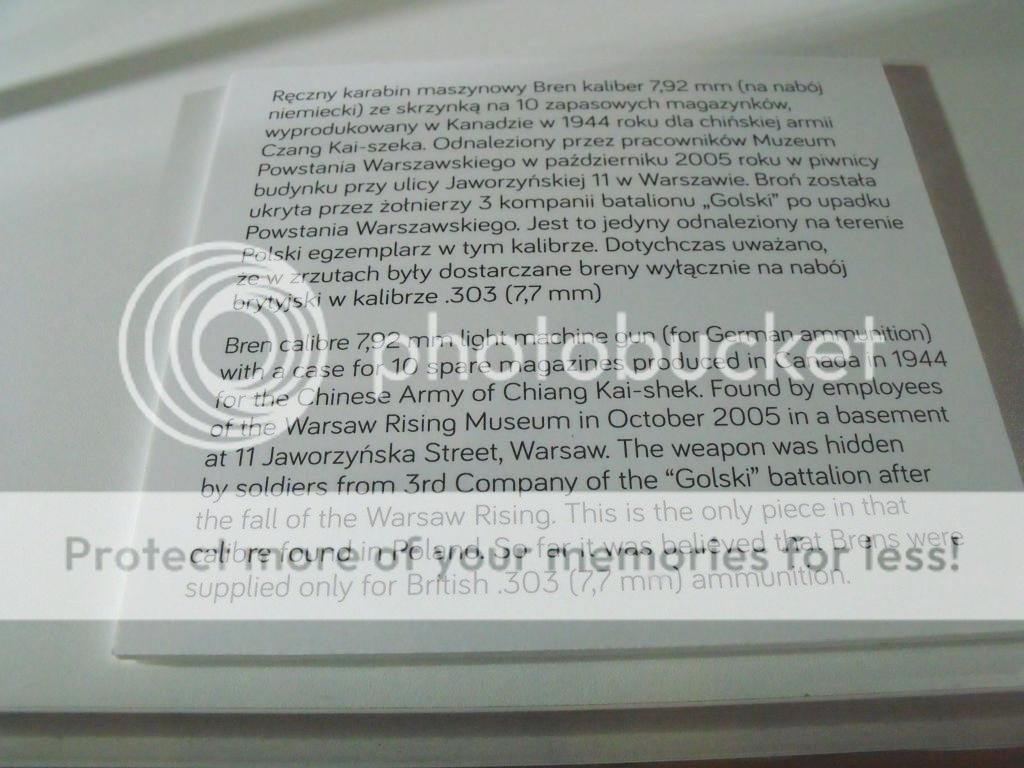
There's a good chance my my grandmother test fired that very Bren, or was standing next to some girl who was! Did you get a look at the markings?
She worked almost exclusively on the Bren line after she first started at John Inglis in late 43. When I asked her about the Brens she made, she said most that she put out had a straight magazine and didn't use 'Canadian' ammunition, which leads me to believe it was the 8mm Brens they wound up donating to the Chinese.
Small world.


Great pics ArtyMan!
Did you notice if that small tank next to the Russian armoured car was an amphibious tank? In the photo it looks a little unusual although its hard to be sure.
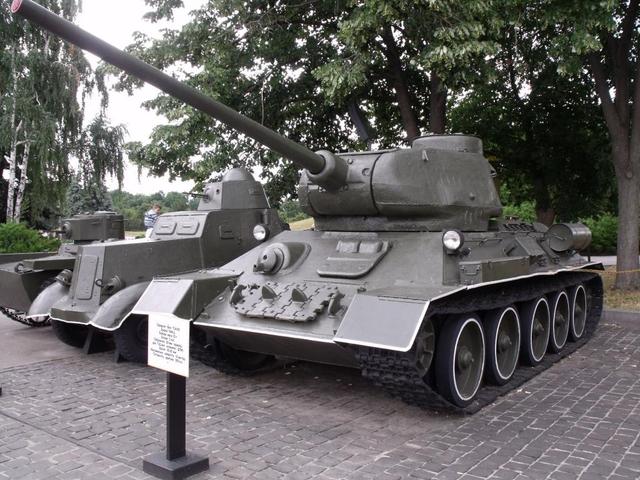
It has a reversed slope glacis plate and what might be sponsons above the tracks.
Did you notice if that small tank next to the Russian armoured car was an amphibious tank? In the photo it looks a little unusual although its hard to be sure.
It has a reversed slope glacis plate and what might be sponsons above the tracks.
Last edited:

There's a good chance my my grandmother test fired that very Bren, or was standing next to some girl who was! Did you get a look at the markings?
She worked almost exclusively on the Bren line after she first started at John Inglis in late 43. When I asked her about the Brens she made, she said most that she put out had a straight magazine and didn't use 'Canadian' ammunition, which leads me to believe it was the 8mm Brens they wound up donating to the Chinese.
Small world.
Most probably an Inglis 'Resistance' Bren, which I believe were produced in conjunction with the Chinese contract. Chambered in 7.92 x 57 and supplied to the pro-Allied resistance forces in Europe..

Very interesting photos! Makes you wonder how such an oddball collection of rifles would have been hidden in one place in Warsaw in 1939 and why? Inventory from a museum or military collection; or perhaps someone's personal collection? Obviously those who knew about it either never came back or did not survive the war.
The Soviets of course sat on the other side of the river waiting for the Germans to finish suppressing the Warsaw Uprising. Destroying the Polish leadership class was an agenda they always agreed on. Interesting fact that Poland was the only occupied country that did not have a collaborationist government or quisling movement. Collaborators did not live for long.
The Ross MkIII looks like it might be marked to the 16th Battalion CEF, the Canadian Scottish.
The Soviets of course sat on the other side of the river waiting for the Germans to finish suppressing the Warsaw Uprising. Destroying the Polish leadership class was an agenda they always agreed on. Interesting fact that Poland was the only occupied country that did not have a collaborationist government or quisling movement. Collaborators did not live for long.
The Ross MkIII looks like it might be marked to the 16th Battalion CEF, the Canadian Scottish.


Very interesting photos! Makes you wonder how such an oddball collection of rifles would have been hidden in one place in Warsaw in 1939 and why? Inventory from a museum or military collection; or perhaps someone's personal collection? Obviously those who knew about it either never came back or did not survive the war.
The Soviets of course sat on the other side of the river waiting for the Germans to finish suppressing the Warsaw Uprising. Destroying the Polish leadership class was an agenda they always agreed on. Interesting fact that Poland was the only occupied country that did not have a collaborationist government or quisling movement. Collaborators did not live for long.
The Ross MkIII looks like it might be marked to the 16th Battalion CEF, the Canadian Scottish.
I'd imagine the resistance would use anything they could get their hands on, as is shown with that home made pistol in the pictures. Interesting with the Ross! I was hoping someone would be able to shed some light on it. I know very little about them myself. How do you suppose to made its way to Warsaw?

Great pics ArtyMan!
Did you notice if that small tank next to the Russian armoured car was an amphibious tank? In the photo it looks a little unusual although its hard to be sure.
It has a reversed slope glacis plate and what might be sponsons above the tracks.
T37a Amphib tank

I'd imagine the resistance would use anything they could get their hands on, as is shown with that home made pistol in the pictures. Interesting with the Ross! I was hoping someone would be able to shed some light on it. I know very little about them myself. How do you suppose to made its way to Warsaw?
Either a war trophy obtained by a Pole serving in the German army in WWI, and there were many, or perhaps a rifle supplied to one of the Baltic States that either filtered out in the hands of an escaping Balt at the time of Soviet invasions of 1940, or was brought into Poland by a Red Army man in 1940. Could also have been in a German collection that the Poles took over after WWI, or perhaps was taken from a Red Army soldier in 1919-20 during the Polish war with the new Red Army. That last one might be the most likely.

corwin-arms
Regular
Ross rifles were among 38000 rifles UK supplied to Poland in 1919. One of the issues of Polish Monthly Firearms Magazine "Strzal" even has 5 page long article on Ross rifles and their short story in Poland. From what I remember they were given to border guards at first and then send to Civil Defence training schools
Ross rifles were among 38000 rifles UK supplied to Poland in 1919. One of the issues of Polish Monthly Firearms Magazine "Strzal" even has 5 page long article on Ross rifles and their short story in Poland. From what I remember they were given to border guards at first and then send to Civil Defence training schools
Thanks! Were they all Rosses or a mixture? We've always assumed the the Rosses the Soviets used at the Olympics in the 50s came from one of the Baltic states, but perhaps they were captured in Poland then.






















