





























1918 Eddystone

sobo4303

CGN frequent flyer
Rating - 100%
37   0   0
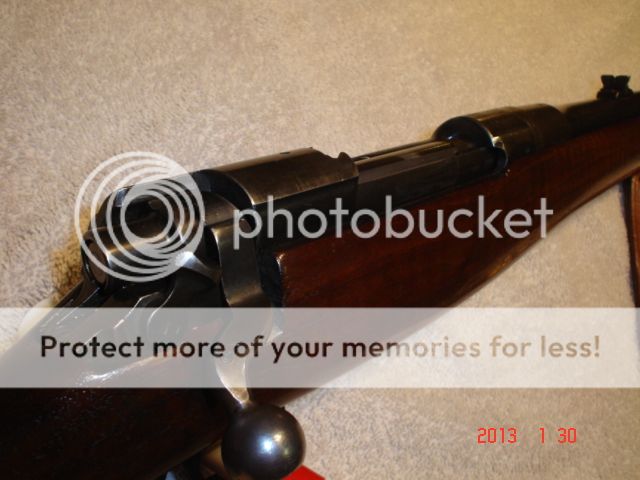
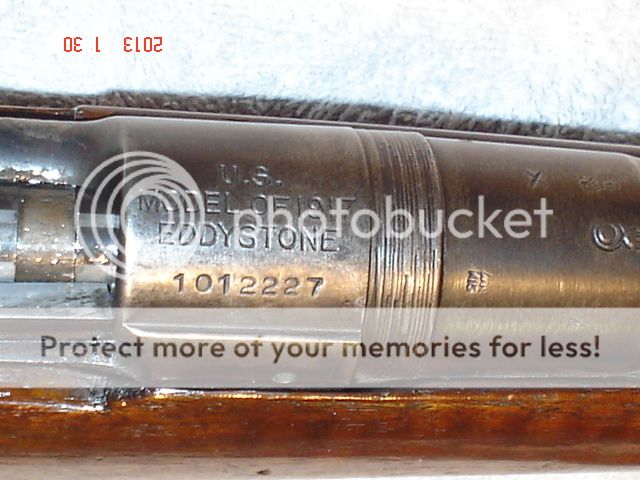
A while back, I started a thread about a Springfield rifle with a capacity of 8 rounds, later finding out is was an Eddystone. I am now in possession of the rifle and wondering more about it. From the serial number, it was manufactured in 1918. It is a robust creature and the metal is in really good shape.

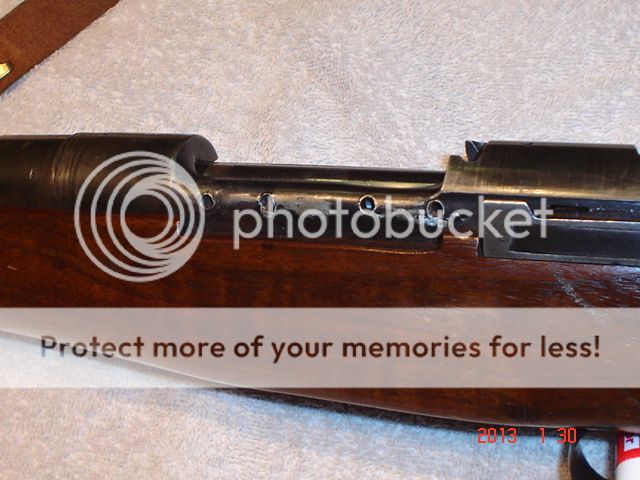
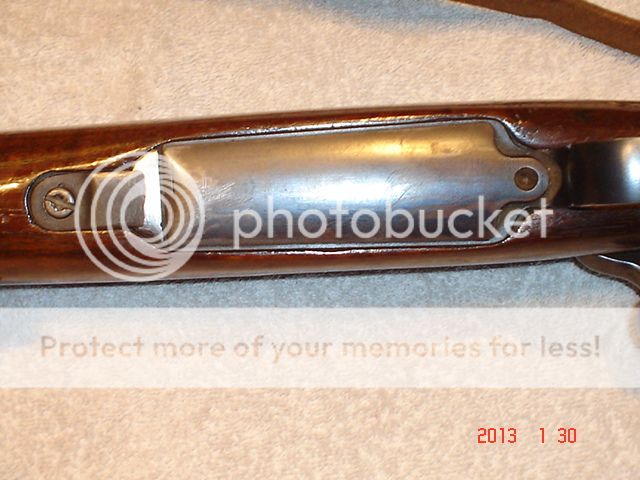
Some schmuck back in 1964 ish put a sporter stock on it and I confirmed that it only has a capacity of 6 rounds. I have not yet shot it, as it's too cold out right now. I looks to have had a bubba'd floorplate (you can see the weld in the picture. My father-in-law bought it like this. The barrel is in great shape crisp rifling throughout. The rifling at the throat is still sharp and defined. 26" barrel. Some butt-head butchered a scope mount attempt as well - again, was bought like that.

I am told this thing is quite the shooter. Any idea of value or is it best to put it behind the seat of the pickup as my favorite new truck rifle?


So..wanna see?
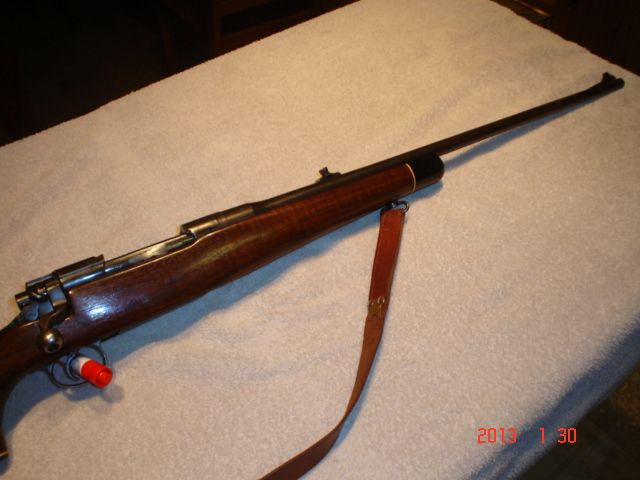
DSC01843_zps2a84ab91.jpg

DSC01842_zpsa46897dd.jpg

DSC01844_zpsa40ce1ae.jpg

DSC01845_zps357a4bb2.jpg

DSC01846_zpsd23d0d6f.jpg
 
Last edited:
8 rounds is odd. They were made to hold 6 30-06 at most, so I'm wondering what was done inside. Is it still 30-06 cal? I've seen some converted to 270 cal.
Sights are sporter. Barrel should be 26 inces. What I think you have is, if accurate, a nice sporter and hunting gun. Might not be a collecter's piece, but they were known for accuracy.

As for value, they'd be more than your standard 30-06 [edit, meant to say 303] enfield sporter, but not by too much. 150-200. Add more accordingly if it's a real crack shot. But that's just my estimate.
 
Last edited:
Maybe it is point of reference...could be 26". It is a 30-06, the chamber is original. If I have one in the pipe, I have 9 in total - and they all chamber smoothly without any jams as fast as I can work the action. The magazine reminds me of a k98, in that when the last round is chambered, the bolt stays open. Have to depress the carrier a little for release.
 
Its pretty bubba'd up. Normally when fudds milled the rear ears off it was so they could drill and tap some weaver bases. Whatever tool bag did that then went for a side mount base.....I'll never understand.
 
I have been exploring the rifle now. For the most part, it is marked as an E (Eddystone), however the bolt is marked W and the extractor is an E. Speaking of which, the bolt is very similar to a K98, which means that it should unscrew at the back of the bolt to remove the firing pin assembly. Am I correct, as I do not see any pins? It looks like it had a parkerized coating, which is wearing off in places, particularly on the extractor, where it is noticeably running against the inside of the receiver. Is this normal for these rifles, as my K98 does not have that happen.

I think I will take it out this weekend when it warms up and put it through it's paces. Any feedback would be great!
 
Personally I would keep it for a truck gun. The rifle was designed by the British originally, P14 Enfield, a direct ripoff of the Mauser in an experimental .276 bore. I think it was originally meant to replace the Lee Enfield but WW1 broke out and the design was modified to feed the rimmed .303 round. The Americans modified the design back to feed the rimless .30/06 round. Eddystone production rifles were known for over hard receivers and are generally a bear to drill and tap for top mounts. A vintage peep sight would make it more usable for hunting. Post war the Model 30 remington was designed using the Model 1917 action, very strong action.
 
Back
Top Bottom