3D printing a chassis similar to SBI's Superlight?

mmattockx

CGN Ultra frequent flyer
Rating - 100%
102   0   0
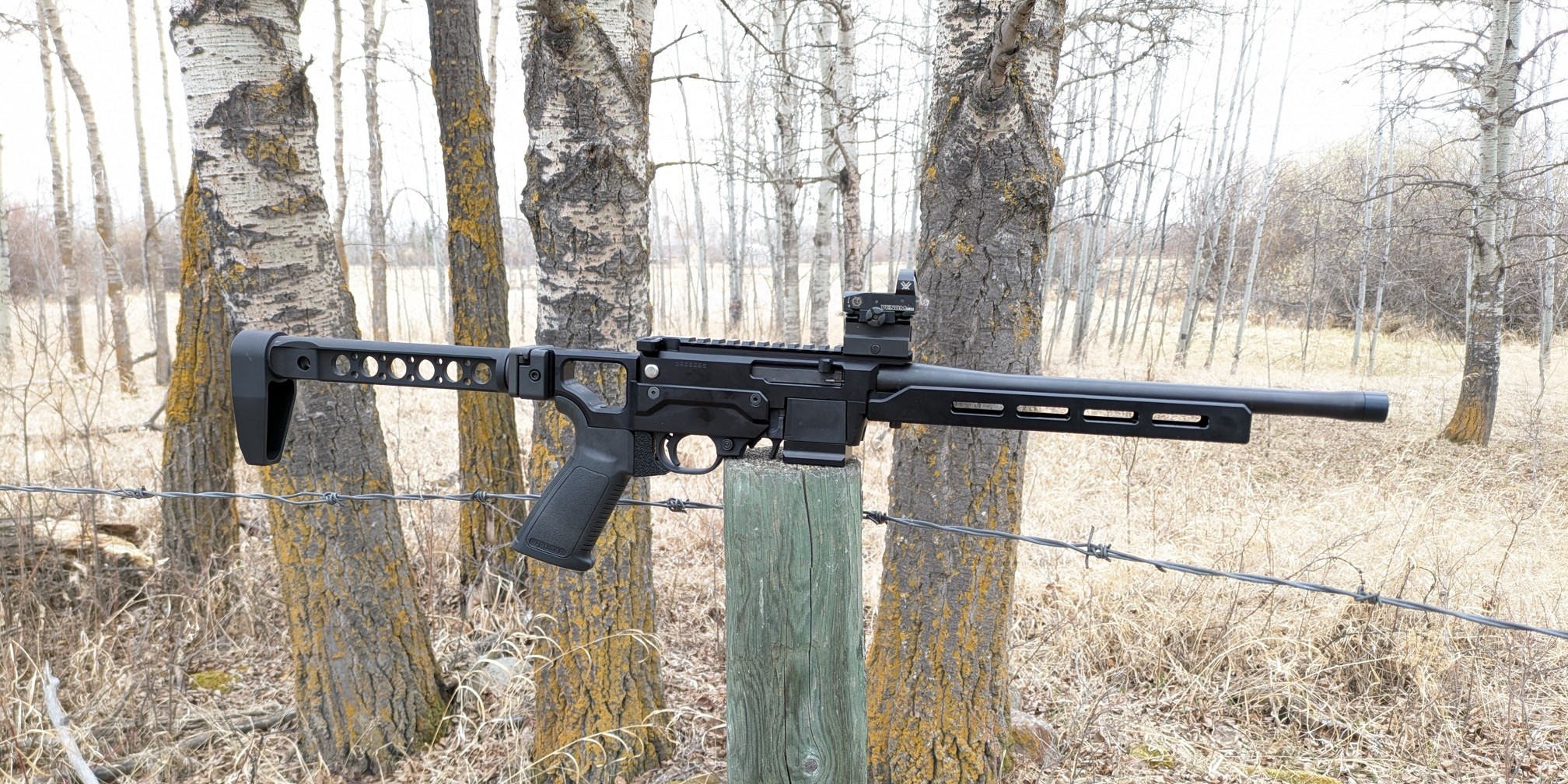
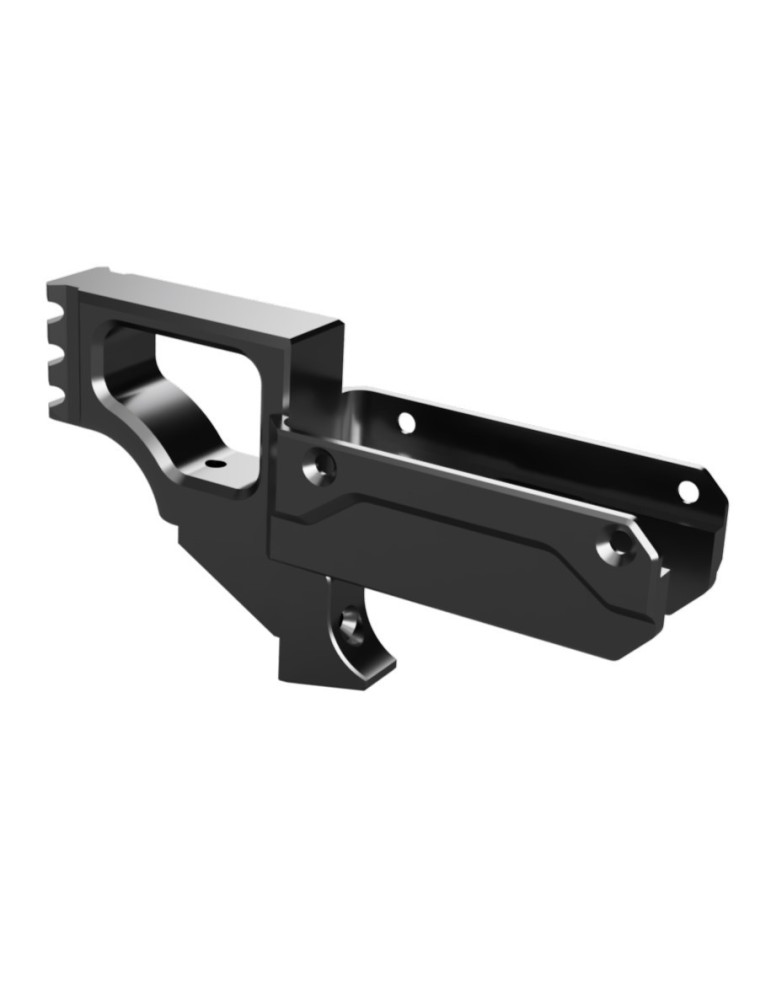
As the title says, has anyone tried 3D printing a chassis setup similar to the SBI Superlight? I've been working on a printed full chassis for the 10/22 for a bit now, but I really like the looks of the SBI Superlight and it seems to me that is a decent concept for a printed chassis where it is using the receiver body for the rigidity of the overall firearm instead of attaching everything to a more flexible printed chassis that allows the handguard to move around, etc.

All thoughts/experiences/ideas welcome.


Thanks,
Mark
 
There's going to be enough stress between stock, grip, and receiver that a real one in aluminum from SBI would be the sensible choice. I've had 3D prints crack apart on me before.
 
As the title says, has anyone tried 3D printing a chassis setup similar to the SBI Superlight? I've been working on a printed full chassis for the 10/22 for a bit now, but I really like the looks of the SBI Superlight and it seems to me that is a decent concept for a printed chassis where it is using the receiver body for the rigidity of the overall firearm instead of attaching everything to a more flexible printed chassis that allows the handguard to move around, etc.

All thoughts/experiences/ideas welcome.


Thanks,
Mark

The SBI Ultralight looks great and is light, but I sold mine.

Consider it anecdotal, but my failure to feed rate, particularly with Tuf mags, was much higher in that chassis, compared to the same receiver in my Tapco, Ruger and RTI stocks/chassis.

I attribute that to the lack of support on the mag sides, allowing more wobble.

Assembly of the rear portion could be a PITA from time to time having to align 3 pieces instead of just the receiver and trigger group.

Personally, if I could print one I'd just do a regular chassis shape like the RTI and "window" it to lighten it.

YMMV.
 
There's going to be enough stress between stock, grip, and receiver that a real one in aluminum from SBI would be the sensible choice. I've had 3D prints crack apart on me before.
That's what design is all about, dealing with the forces and loads involved and making the structure survive.

Personally, if I could print one I'd just do a regular chassis shape like the RTI and "window" it to lighten it.
Thanks for the information, that is very helpful. The full chassis I have been working on is similar to the RTI, SBI G3 and others in that same style. Because the cost is pretty minimal I may still tinker with the superlight concept, but knowing it may cause feeding issues takes the shine off that idea.

If you have the design and the file, I can print it for you in some carbon fibre petg or nylon material that will be lighter and tougher than aluminum.
I appreciate the offer, but I do print those myself and the final version will be some type of fibre reinforced nylon I expect. If you have a favourite brand for that I always appreciate hearing the experience of others for these things.


Mark
 
I think it can be done. I've been experimenting with this myself on a 457 ultra-light hunting rifle stock

The limitation in your case I think is the 10/22 using only one action screw, and relying on 3d printed filament may not work well. An aluminum block epoxied into your stock could be a solution to this to provide more solid clamping. Or you could do something similar to MDT where the receiver is also clamped at the rear.

Bambu PA6-CF or GF would be my filament choice for this kind of print.
 
The limitation in your case I think is the 10/22 using only one action screw, and relying on 3d printed filament may not work well. An aluminum block epoxied into your stock could be a solution to this to provide more solid clamping. Or you could do something similar to MDT where the receiver is also clamped at the rear.
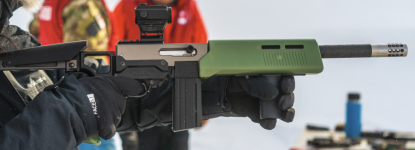
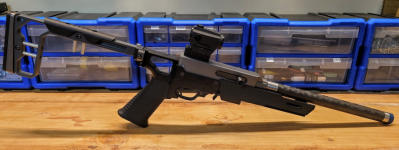
The SBI Superlight mounts the rear stock/pistol grip through the pins that hold the trigger assembly in place and clamps the receiver and the stock tight to each other. The handguard is mounted using the action screw in front of the receiver, leaving the sides of the receiver uncovered and the mag well fully open on both sides.

20240611160513-ea6734ad.jpg


spectre-superlite-1022-chassis.jpg


It's very clean and minimal and looks great.

I agree on using a metal clamping area under the action screw. I may install a bushing to support the screw and allow it to clamp tight and stay tight.


Mark
 
Looks like it might not be too hard to extend the length on each side forward to the magwell area.

Maybe even a partial support on the sides would stabilize the magazine better and help with feeding.
 
Looks like it might not be too hard to extend the length on each side forward to the magwell area.

Maybe even a partial support on the sides would stabilize the magazine better and help with feeding.
The big improvement on the superlight in terms of rigidity is clamping through the trigger assembly pin holes. Just adding that to a conventional printed chassis that covers the sides of the receiver would make a huge difference in the stiffness of the complete assembly. The only downside is take down for cleaning is more fiddly and time consuming. I'm considering test printing one like that to see how it feels and if it justifies the extra nuisance.


Mark
 
Filaments with glass fibres or carbon fibres in them actually result in weaker prints. The only thing the fibres can do is help with dimensional accuracy. They don't increase strength. Many of the popular 3D printing YouTubers have shown this time and again. Getting the fibres stuck in your skin or breathing them in, isn't much good for you, either.
 
Filaments with glass fibres or carbon fibres in them actually result in weaker prints. The only thing the fibres can do is help with dimensional accuracy.
Yes, I'm aware. They also increase rigidity, increase temperature resistance and greatly reduce warping, which is a significant problem with nylon.


Mark
 
Back
Top Bottom