WhelanLad
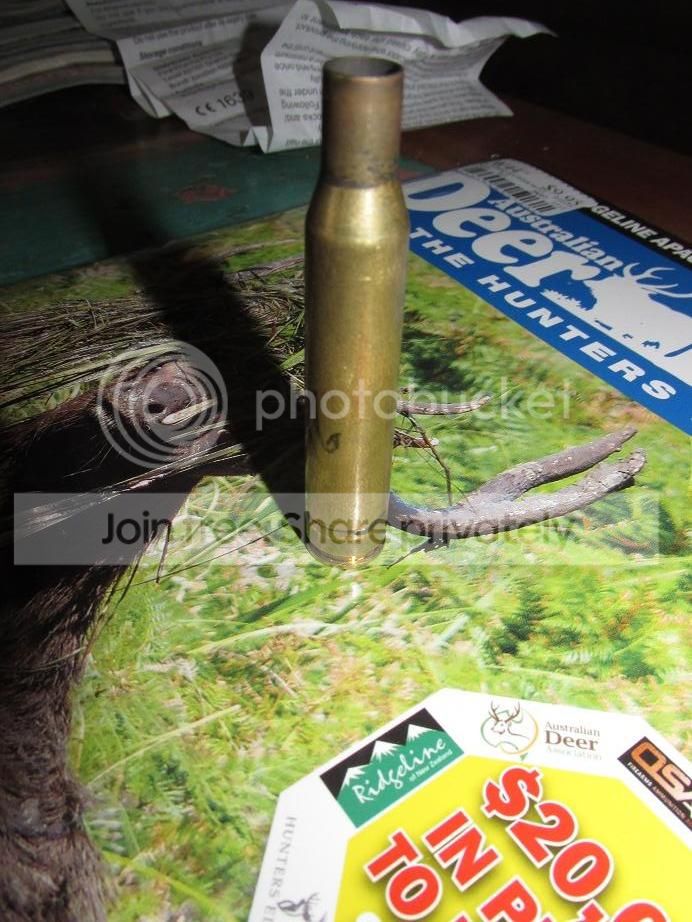
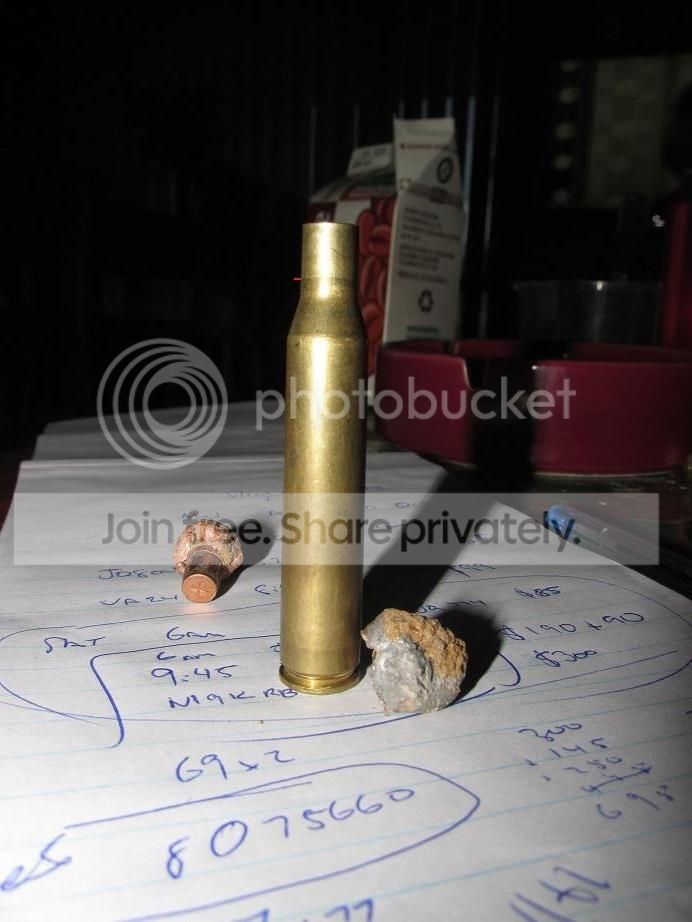
Normally a case head split or separation does not do any damage to the chamber walls, and this happened all the time with the British .303 Enfield rifles and stuck case removers were issued to the troops when case head separations happened. In the photo I posted of the .308 case endurance a new Savage rifle was used and no damage occurred to the rifle.
Several things cause the cases to separate, the main reason is bumping or pushing the case shoulder back too far creating too much head clearance between the rear of the case and the bolt face.
The firing pin pushes the case forward until the case contacts the shoulder of the chamber and the cartridge goes bang. As pressure builds up the primer is pushed out of the primer pocket, as the pressure builds further the case walls expand and grip the chamber walls. As the pressure reaches maximum it causes the brass to stretch to meet the bolt face. When the head clearance is too great the brass stretches and thins as it exceeds its yield strength and its ability to spring back to its original size.
A second reason for case head separations is the manufacturing process when the base wall thickness is unequal and the case stretches on the thin side. Also how hard or thick the brass is in the base of the case varies between manufactures as you saw to the torture test above.
Below is a very good exaggerated illustration of full length resizing, and as you can see during sizing you can make a case longer than its fired length before the shoulder of the die begins to contact the shoulder of the case.
Setting the shoulder back or shoulder bump is adjusting the die to minimum shoulder bump for maximum case life as shown by the blue, red and green dotted lines.
I like the die to contact the shell holder and have the press cam over during sizing so I use Redding shell holder sets that have different shell holder hights. In the photo below on the left the Redding shell holder is .004 taller than a standard shell holder. I also place rubber o-rings under the die lock ring that allows the die to float and self center in the press threads when the shell holder contacts the bottom of the die.
As mention in thump_rrr posting a Hornady cartridge case headspace gauge allows you to measure your fired cases and then adjust your dies for minimum shoulder bump.
Below a ..223/5.56 case fired in one of my AR15 rifles.
Below the same case after full length resizing and .003 shoulder bump.