












































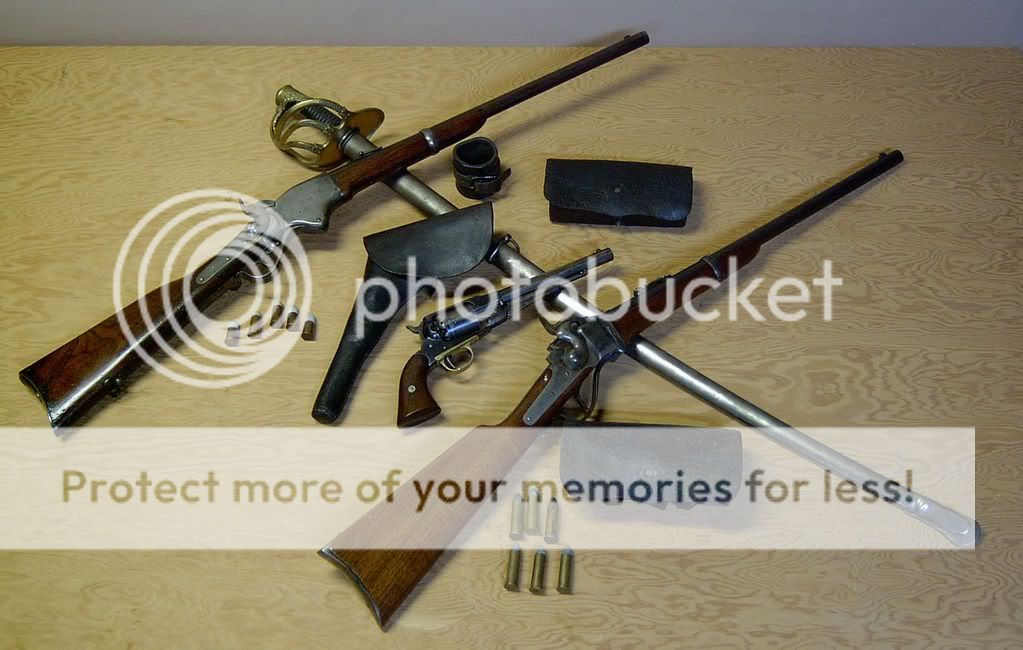
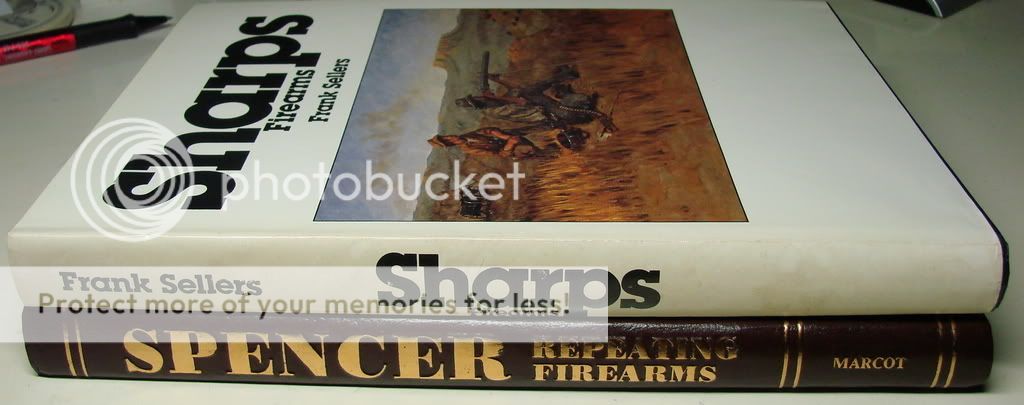
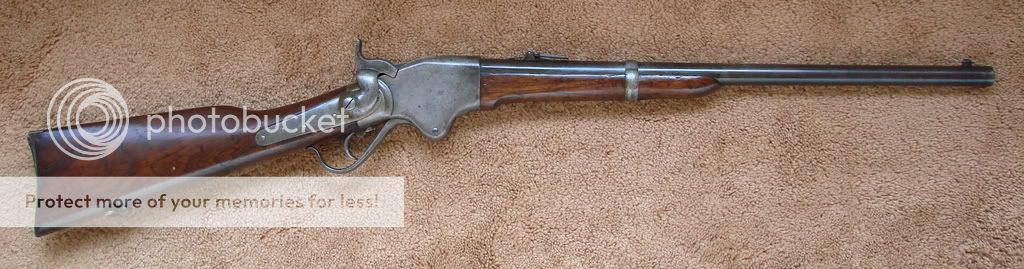
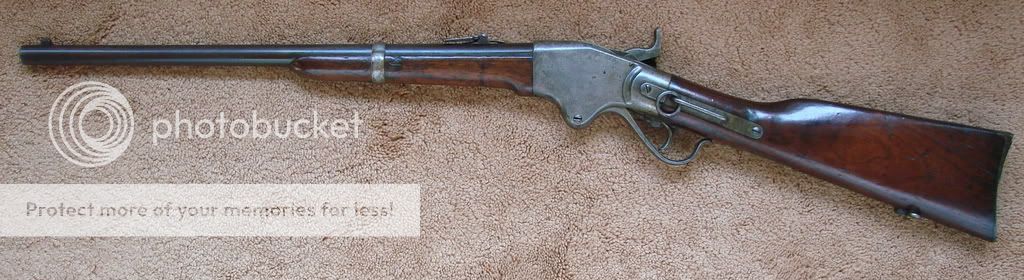
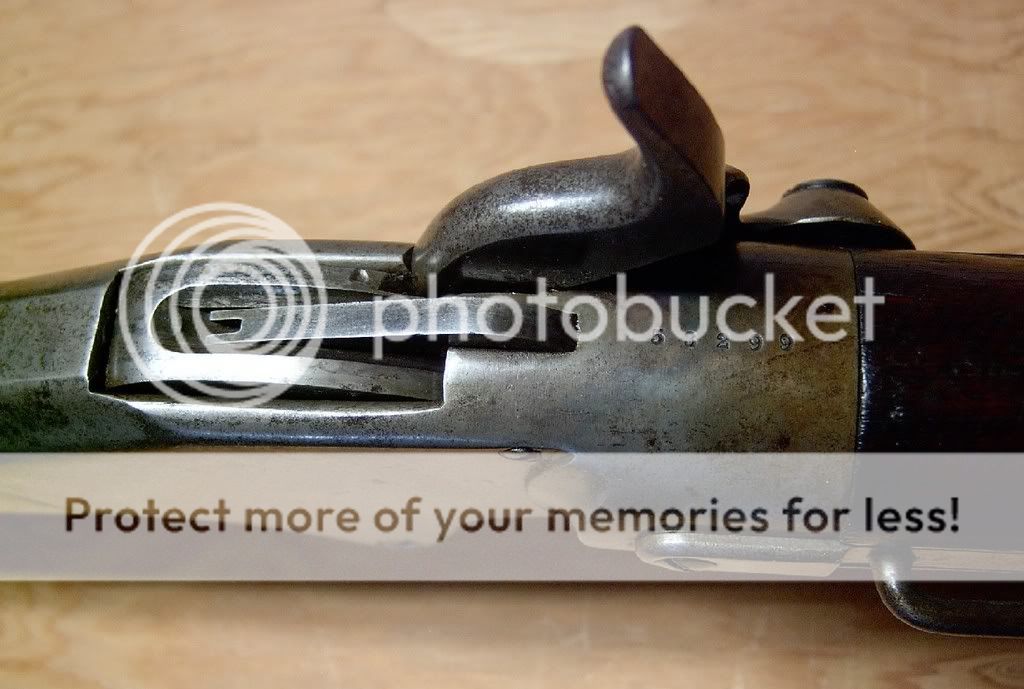
The Model 1860 Spencer carbine shown did double duty.
First during the Civil War…and then during the Indian War period.
After the Civil War the Spencer carbine was one of the guns that were chosen for alteration by the Springfield Armory between 1867-1874.
Over 11,000 carbines were altered to accommodate the 50-caliber copper cased rimfire (56-52 and 56-50 interchangeable) cartridge.
The barrel was sleeved for the smaller 50 caliber cartridge with three groove rifling.
A small swivel device known as the “Stabler cut-off “was added forward of the trigger to allow for use as a single shot (it kept the breech from opening completely).
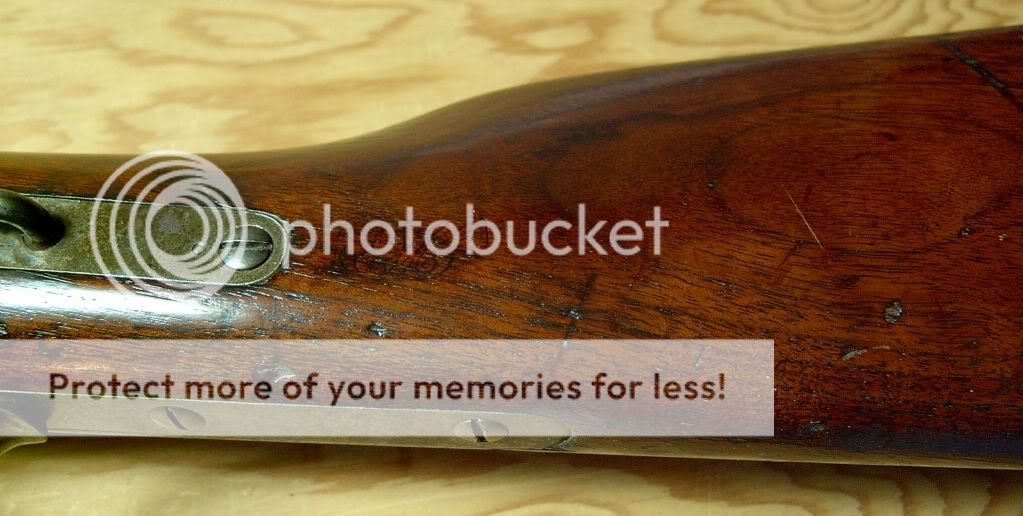
The modified carbines bear an “ESA” inspectors mark in an oval cartouche on the left side of the stock.
The usual markings on top of the frame “SPENCER REPEATING/ RIFLE CO. BOSTON, MASS/ PAT’D MARCH 6 1860”, have long since worn off this gun. (Only slight traces left)
This seven shot repeater was fed through a tubular magazine in the butt and into the receiver. Lowering the operating lever and opening the breech automatically feeds a copper rimfire cartridge into the chamber. The hammer is then cocked and the arm is fired. Dropping the lever after firing then ejects the spent cartridge and brings the next round into position for the next firing.
The Model 1860 Spencer carbine was widely used during the Civil War, and also saw substantial duty during the Indian Wars until the arrival of the Model 1873 Springfield Trapdoor 45-70 caliber carbine.
The Spencer and the Sharps carbines were two of the principal Civil War carbines that ended up doing double duty throughout the Civil War and post war period.
Model 1860 Spencer carbine.
Serial number- 53229
Three faint cartouches on the left wrist one oval and two rectangular.
The guns that were converted have an oval cartouche with ESA inspector’s marking. (Erskine S. Allin)
Other inspectors included;
Lucian C. Allin - LCA,
Thomas J. Shepard -TJS
E.C. Wheeler - ECW.
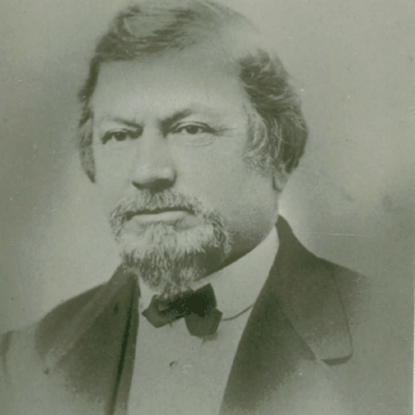
Erskine S. Allin and his cartouche.
SPRINGFIELD ARMORY.
As Master Armorer, Erskine Allin indicated his acceptance of a completed rifle by the imprint on the stock of the weapon of an oval cartouche bearing his initials.
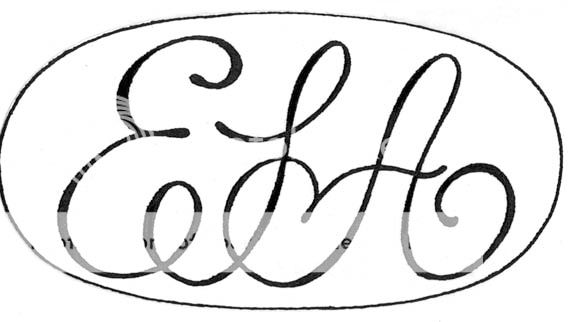
ESA cartouche together with CW inspectors acceptance stamps.
Erskine S. Allin
After the Civil War the United States was left with thousands of muzzle-loading percussion muskets. While the barrels of these rifles were perfectly good, technological advance represented by breech-loading rifles firing metallic cartridges, had been put aside while the Nation faced its crisis. With the conclusion of the war the government decided to convert the muzzleloaders into breechloaders. Erskine Allin was one of several individuals who contributed modification designs.
Allin was born February 3, 1809, and began work at the Armory in 1829 as an apprentice in the Water Shops where his father Diah worked as a foreman. He rose through the ranks, and between October 1847 and May 1848 he served as Acting Master Armorer. In 1853 he was appointed permanent Master Armorer.
Allin’s greatest contribution was the development of the “Trapdoor” breech mechanism which could be adapted to the existing muzzle-loading rifles. In competition his design proved to be the most acceptable, and he was requested to convert 5,000 M1861 rifle-muskets to use the new breech. These were known as the M1865s. The next year, after improvements were made in the extractor, 25.000 rifle-muskets were ordered altered. The first rifles built from the start as Trapdoors – not converted from earlier muzszle-loaders – were completed in 1873. Allin retired five years later and died on September 11, 1879. In tribute, the Armory shut down on the day of Allin’s funeral. It is estimated that 250 of the 3000 Armory workers attended the funeral, a testimony of the esteem in which he was held.
-----------------------------------------------------
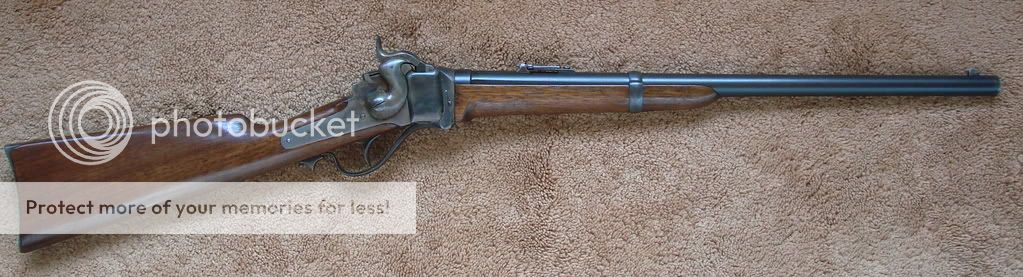
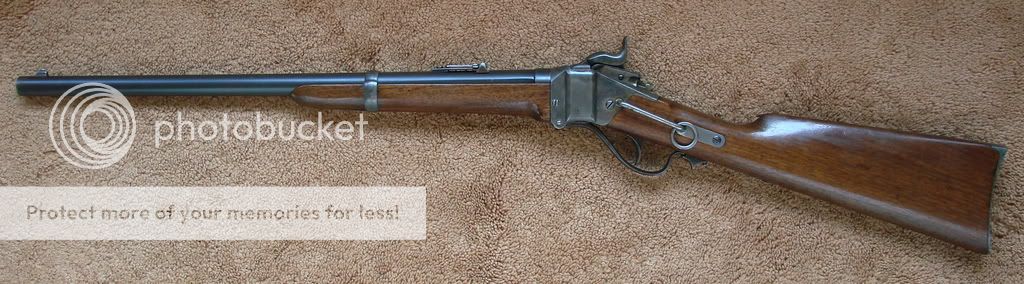
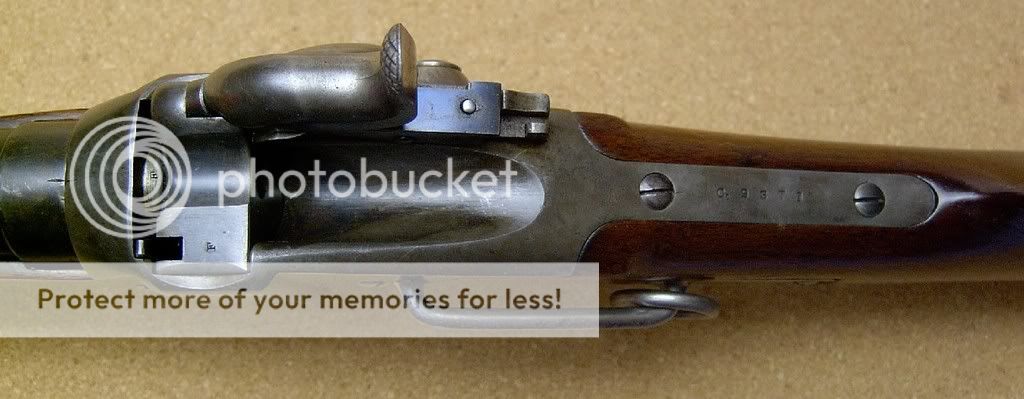
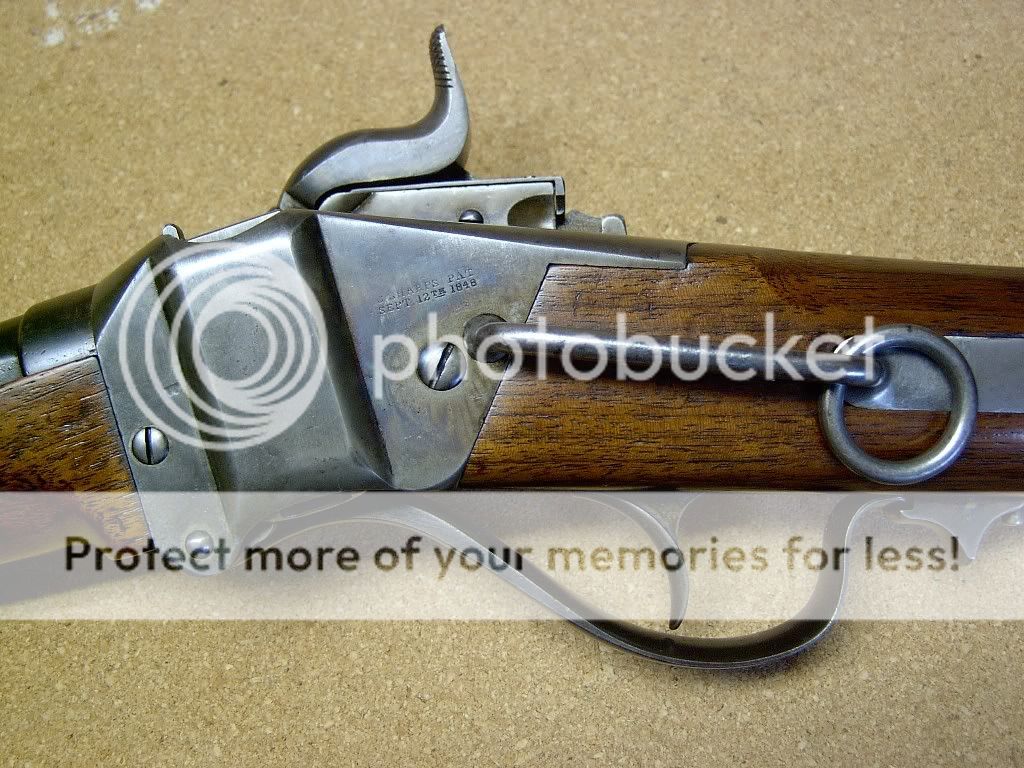
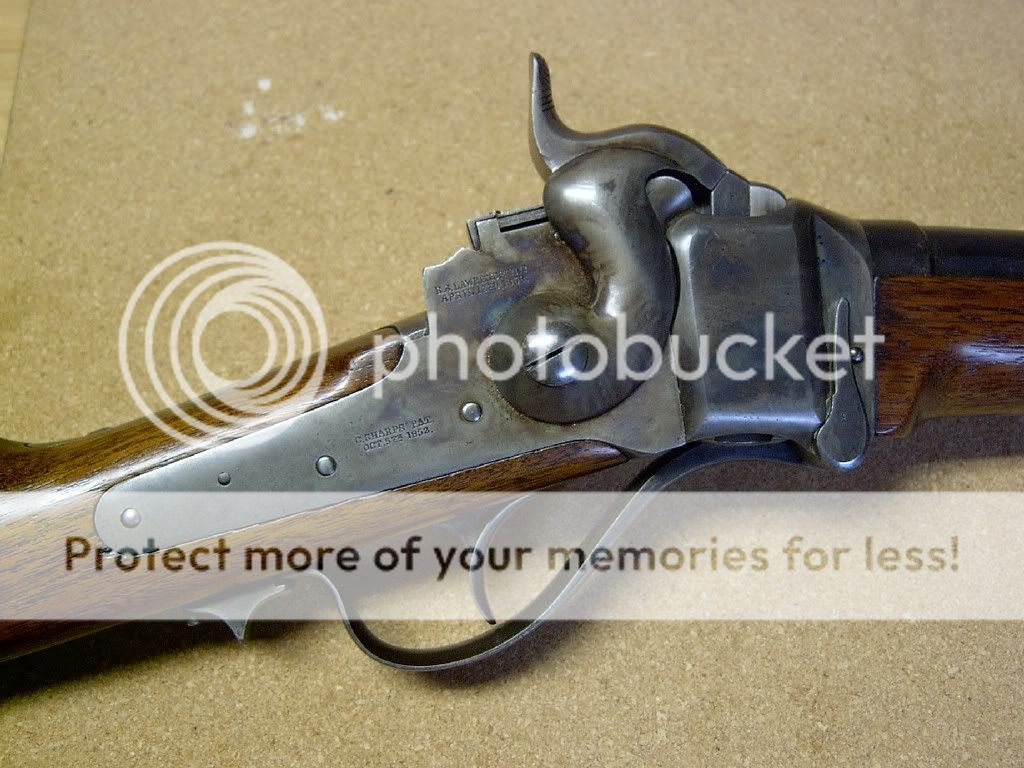
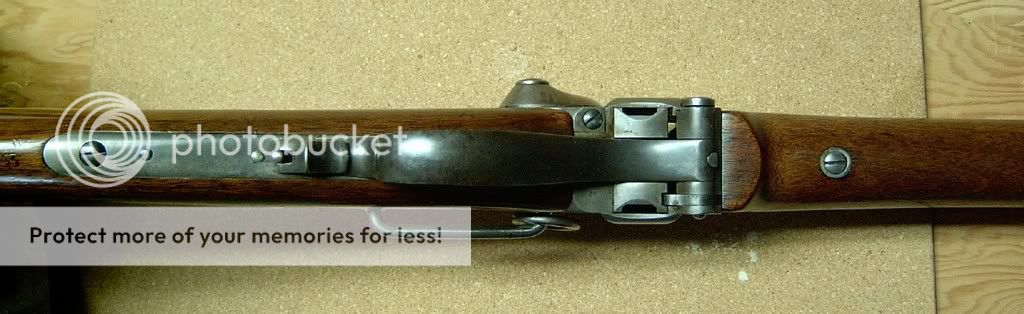
New Model 1863 Sharps Carbine.
Civil war issue, then converted in 1867 from .52 caliber to the 50-70 (.50 caliber) center fire cartridge for use during the Indian War Period.
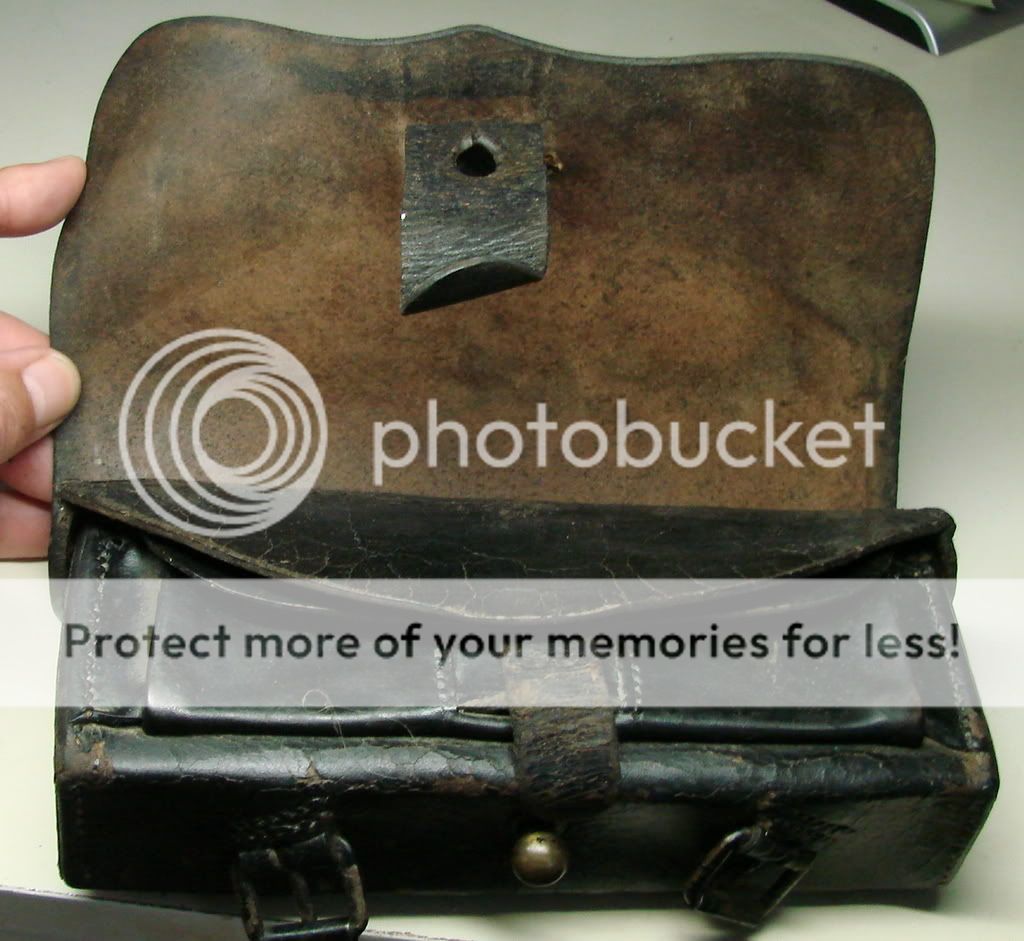
Cartridge box converted from Civil War use to 50-70 center fire use with a wooden block that accommodated 20 cartridges, marked J. Davey & Co. Newark, N.J.

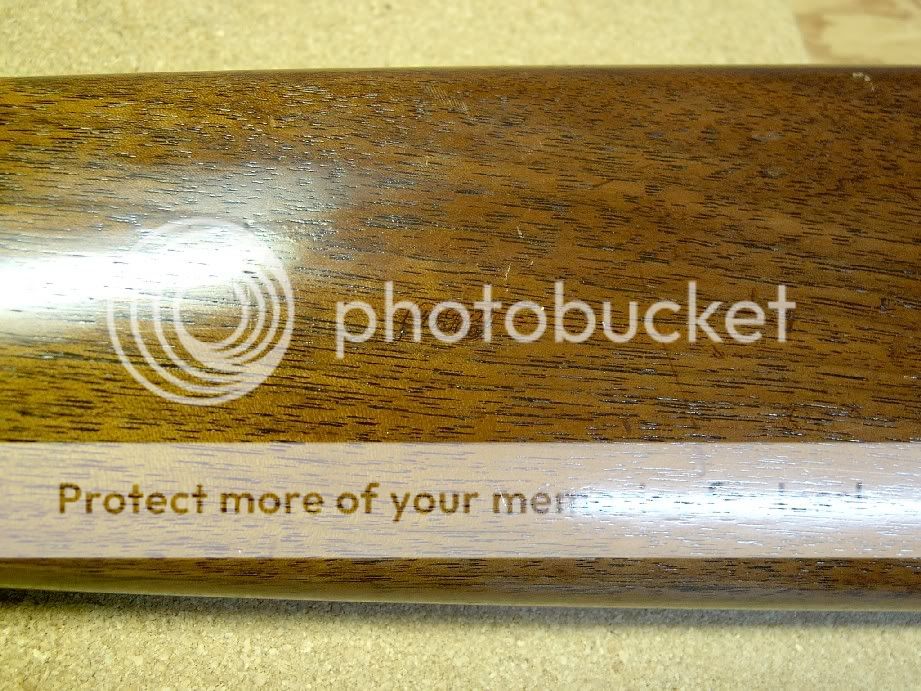
On these converted Sharps carbines in addition to the normal inspector markings found on Sharps percussion arms, an extra inspection stamp (initials DFC in a ribbon cartouche for David F. Clark) was marked in the center of the left side of the buttstock.
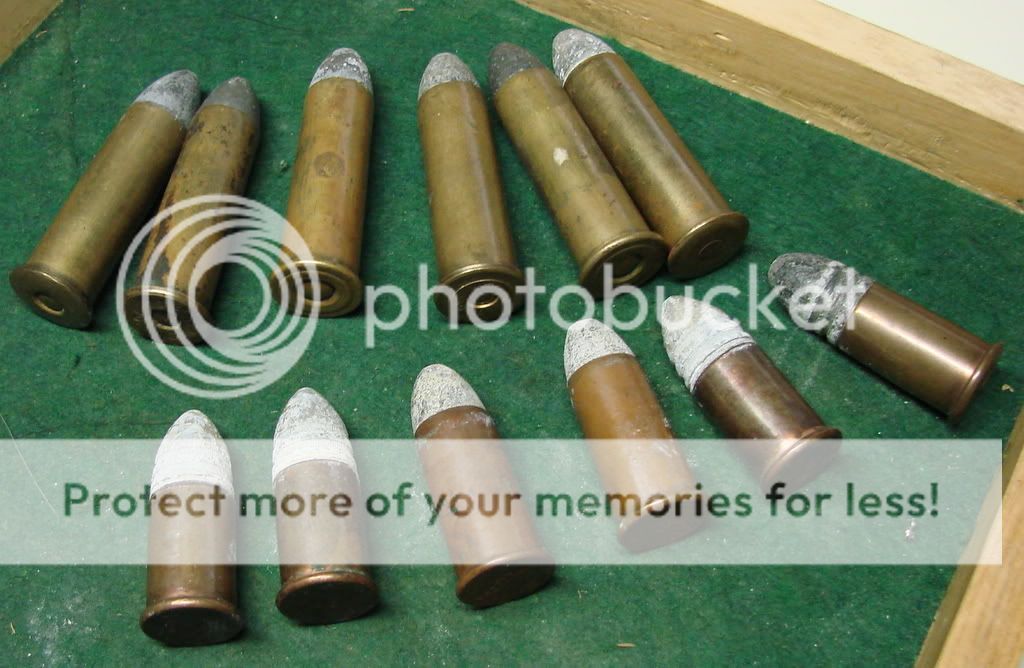
A mix of Sharps and Spencer cartridges.
David






















