













































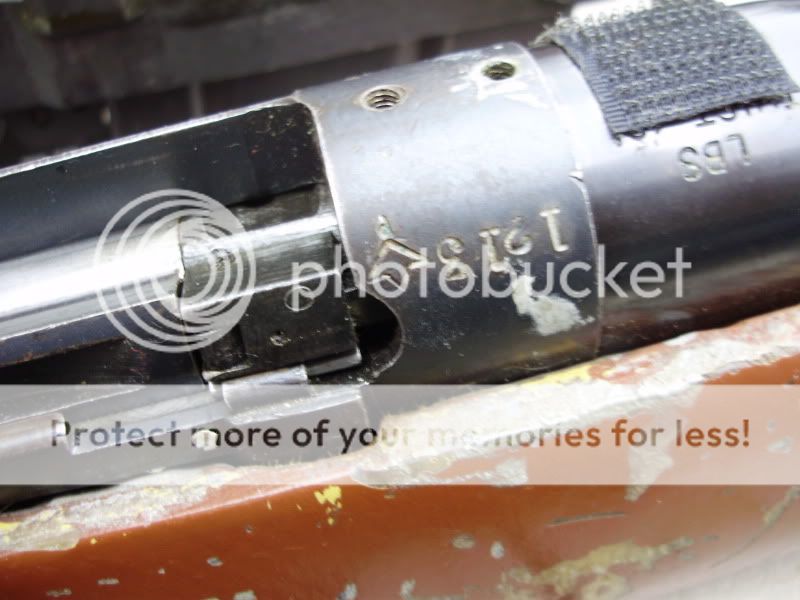
Today I made a point of looking at my collection to see if I had any DCRA rifles. I found five of them. One of them I actually used in competition and I never noticed that the number I used as a reference number for the rifle (the number on the action, bolt and sight) was actually the DCRA number.
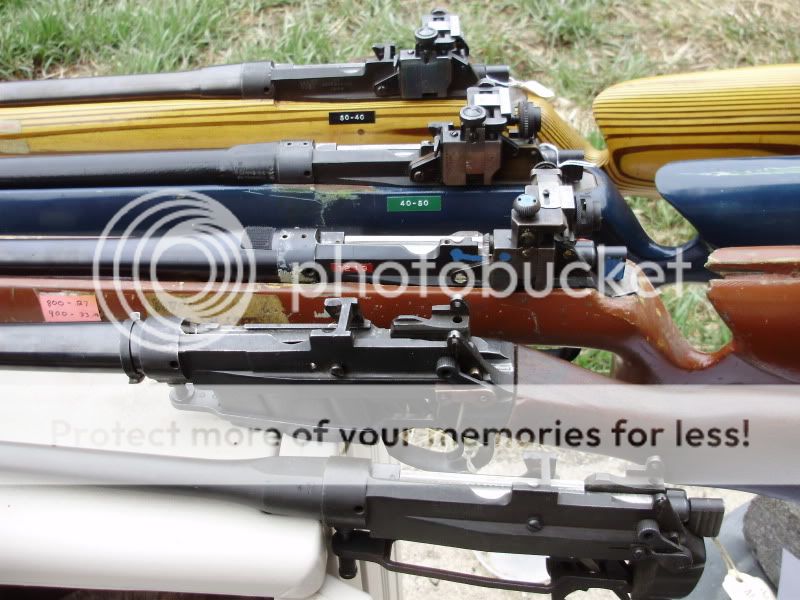
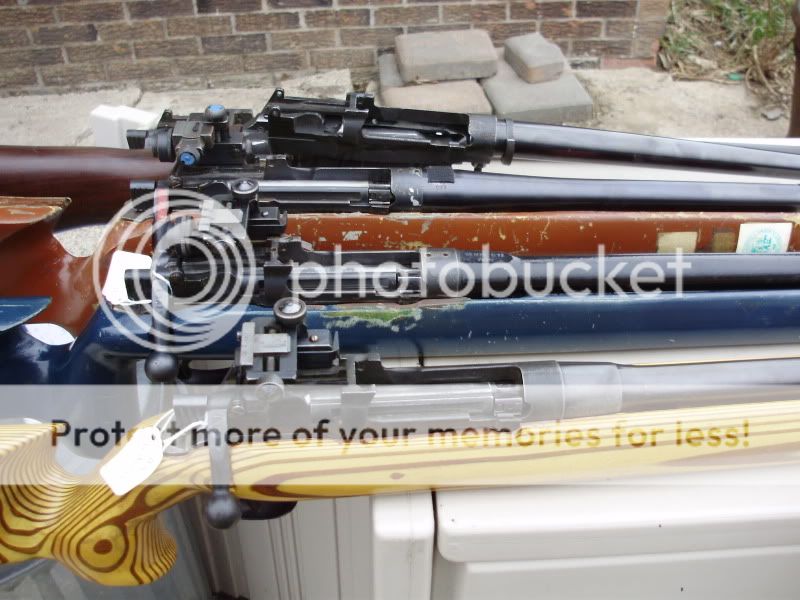
#1204 Long Branch 1950 Shorty DCRA barrel used to belong to Miles Morgan
#1036 Savage action Regulated by Fulton hung trigger Kongsburg barrel used to be Art G’s
#1213 LongBranch 1944 Sportco 1:14 barrel, in brown Robertson stock, Canjar trigger. This was a shorty I acquired from Miles Morgan and had converted to a one piece stock rifle by Charlie Collins. It shot very well at long range.
#1031 LongBranch 1944 hammer forged Enfield barrel in blue Robertson stock. Was personal rifle of Charlie Collins, the gunsmith who made this one piece conversion and many others.
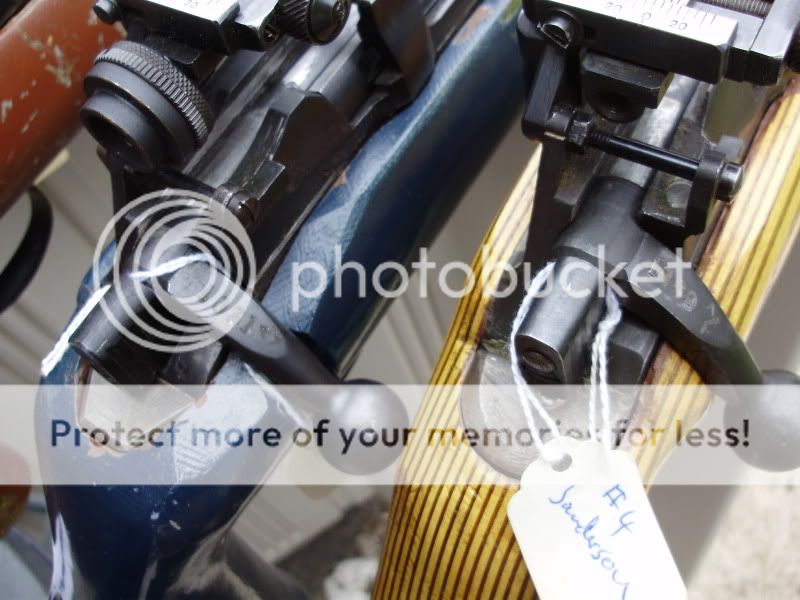
#1859 LongBranch 1944 22RimFire Shultz Larsen barrel, one piece laminate stock. Used to be George Sanderson’s.
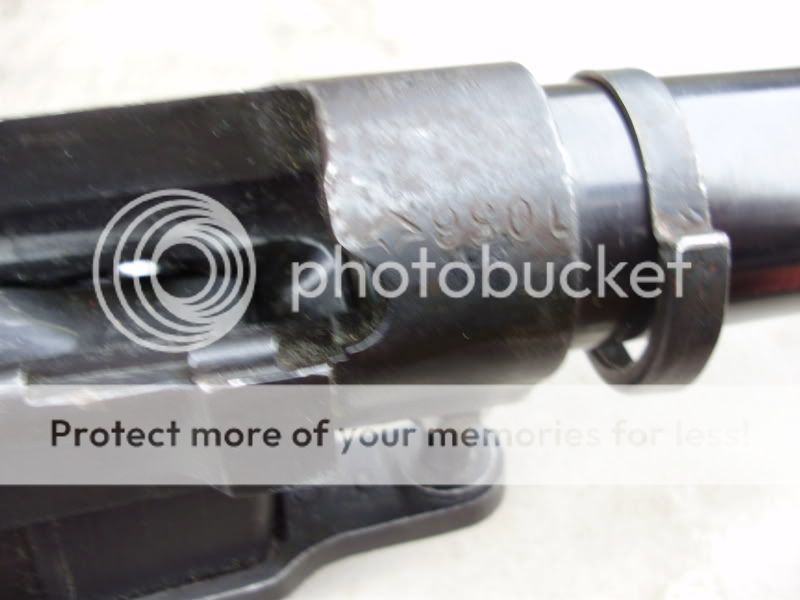
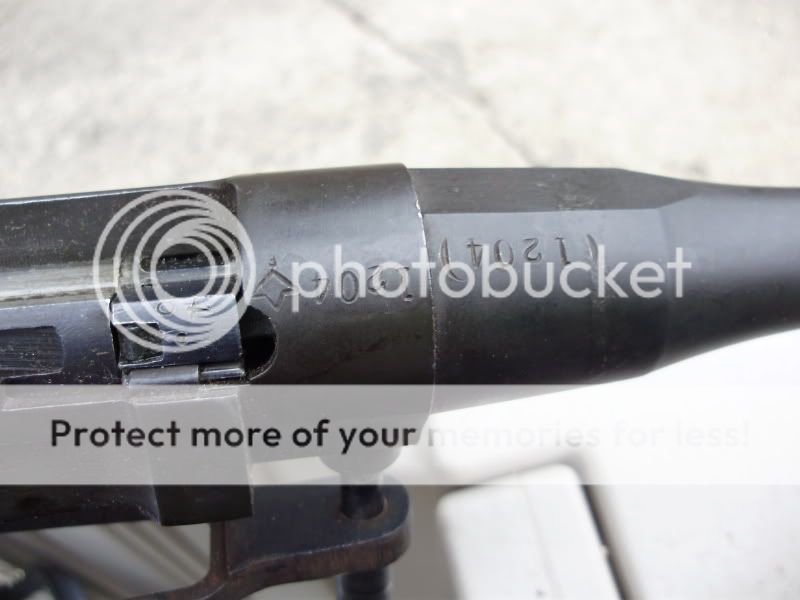
I was horrified to see that I had converted a DCRA rifle to a one piece configuration. A severe “Buba”. But on reflection, I recall that these rifles were our target rifles and over the years we kept tuning our rifles to keep up with the changes allowed by the evolving rules. And the DCRA conversion itself was a modification ("improvement") of a military rifle.
After tghe rules changed and we were allowed to compete with real single shot target rifles we found that front locking target rifles shot the short ranges (300 to 800 yards) much better than a #4. But at long range (900 and 1,000 yards) the compensation of the #4 was a big help in making mediocre military ball ammo hold good elevation. The lower velocity rounds exited the muzzle aimed slightly higher, so they did not print low on the target.
I was skeptical of this and ran a trial at 1000 yards, comparing my Musgrave to the brown once piece in the picture above. I was shocked at how much better the #4 was and became a believer.
I had Charlie Collins build me two of these rifles. The first had an expensive Shultz Larsen barrel and the cheaper one (the brown one above) had a cheap Sportco barrel. Both shot very well. My plan was to train with the brown one and then use the other in competition, with a still fresh barrel. When it came time to go to Bisley (1984), I took the brown one because I felt comfortable with it and did not want to change rifles at the last minute.
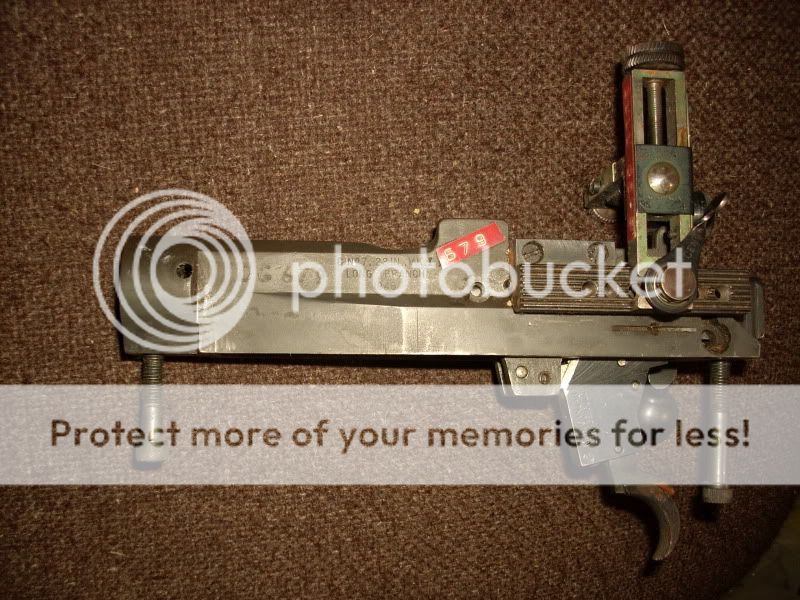
That year I missed the bull only twice at 900 and 1000 yards, setting a record high aggregate for the week. I have not fired the rifle since. The back up rifle got used in the 1992 Palma match. It then got scrapped, with the barrel, stock and trigger going into other projects. I have included a picture of that action to show what a single piece #4 action looks like. A Canjar trigger is fitted and the butt socket cut off.
The one piece #4 may have been the final and most accurate and reliable version of the #4 target rifle. We experimented with the action screw torque to see what setting got the best results. The 40-50 you can see written on the side of two of the rifles was the screw torques for best results. I recall using a different torque at 900 compared to 1000.
#1204 Long Branch 1950 Shorty DCRA barrel used to belong to Miles Morgan
#1036 Savage action Regulated by Fulton hung trigger Kongsburg barrel used to be Art G’s
#1213 LongBranch 1944 Sportco 1:14 barrel, in brown Robertson stock, Canjar trigger. This was a shorty I acquired from Miles Morgan and had converted to a one piece stock rifle by Charlie Collins. It shot very well at long range.
#1031 LongBranch 1944 hammer forged Enfield barrel in blue Robertson stock. Was personal rifle of Charlie Collins, the gunsmith who made this one piece conversion and many others.
#1859 LongBranch 1944 22RimFire Shultz Larsen barrel, one piece laminate stock. Used to be George Sanderson’s.
I was horrified to see that I had converted a DCRA rifle to a one piece configuration. A severe “Buba”. But on reflection, I recall that these rifles were our target rifles and over the years we kept tuning our rifles to keep up with the changes allowed by the evolving rules. And the DCRA conversion itself was a modification ("improvement") of a military rifle.
After tghe rules changed and we were allowed to compete with real single shot target rifles we found that front locking target rifles shot the short ranges (300 to 800 yards) much better than a #4. But at long range (900 and 1,000 yards) the compensation of the #4 was a big help in making mediocre military ball ammo hold good elevation. The lower velocity rounds exited the muzzle aimed slightly higher, so they did not print low on the target.
I was skeptical of this and ran a trial at 1000 yards, comparing my Musgrave to the brown once piece in the picture above. I was shocked at how much better the #4 was and became a believer.
I had Charlie Collins build me two of these rifles. The first had an expensive Shultz Larsen barrel and the cheaper one (the brown one above) had a cheap Sportco barrel. Both shot very well. My plan was to train with the brown one and then use the other in competition, with a still fresh barrel. When it came time to go to Bisley (1984), I took the brown one because I felt comfortable with it and did not want to change rifles at the last minute.
That year I missed the bull only twice at 900 and 1000 yards, setting a record high aggregate for the week. I have not fired the rifle since. The back up rifle got used in the 1992 Palma match. It then got scrapped, with the barrel, stock and trigger going into other projects. I have included a picture of that action to show what a single piece #4 action looks like. A Canjar trigger is fitted and the butt socket cut off.
The one piece #4 may have been the final and most accurate and reliable version of the #4 target rifle. We experimented with the action screw torque to see what setting got the best results. The 40-50 you can see written on the side of two of the rifles was the screw torques for best results. I recall using a different torque at 900 compared to 1000.























