While you are on the site, in your browser find and click "Add to Home Screen" A CGN beaver app icon will then be created to your phone that is directly link to the site.
Note: This feature may not be available in some browsers.
Hi everyone. I recently bought a dillion 550b from EE but i am having a few issues. I noticed a few things, for starters I noticed that there is not set screw hole in the ram when installing the conversion kit . Every video i watched , there was a hole in the ram .
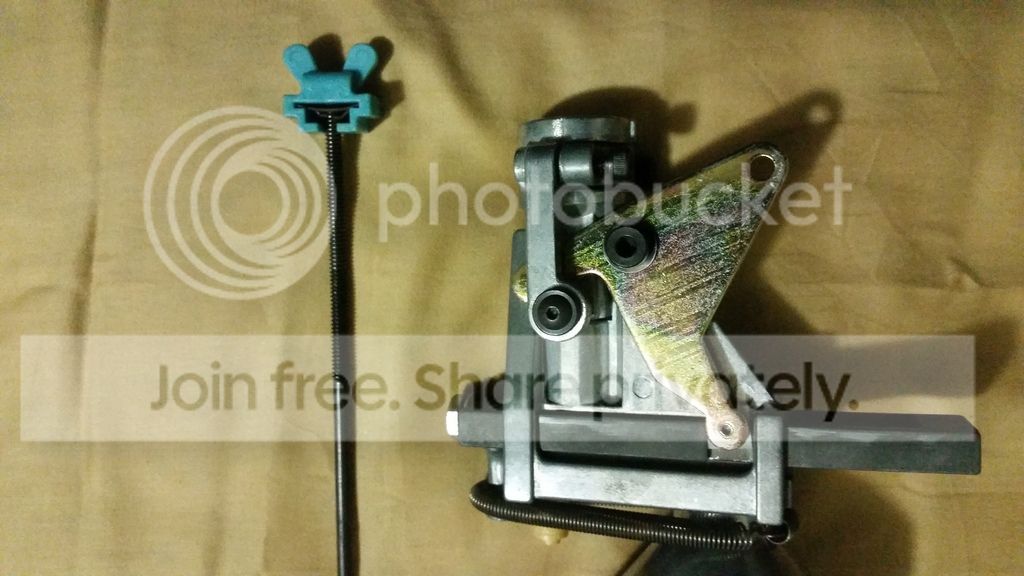
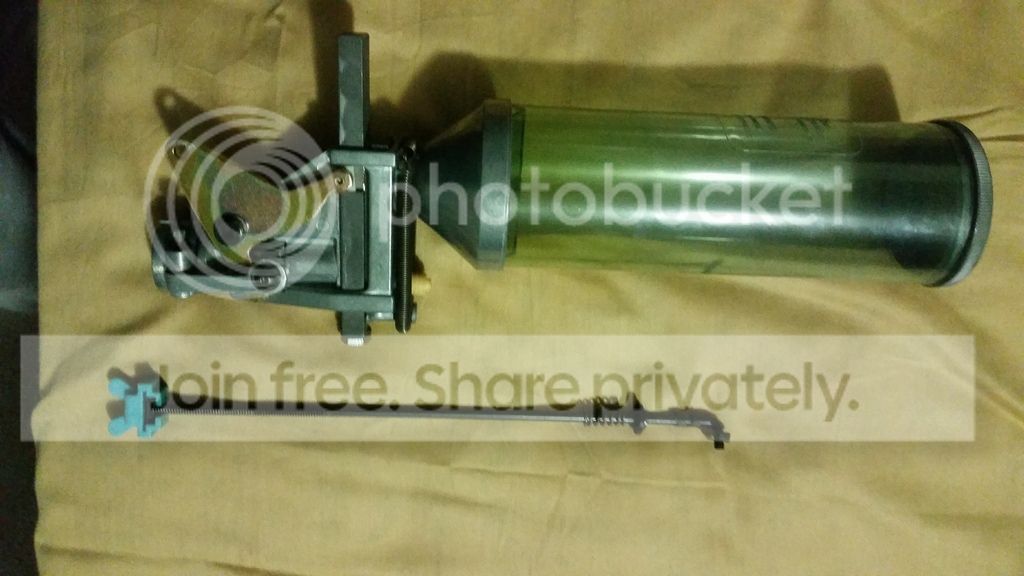
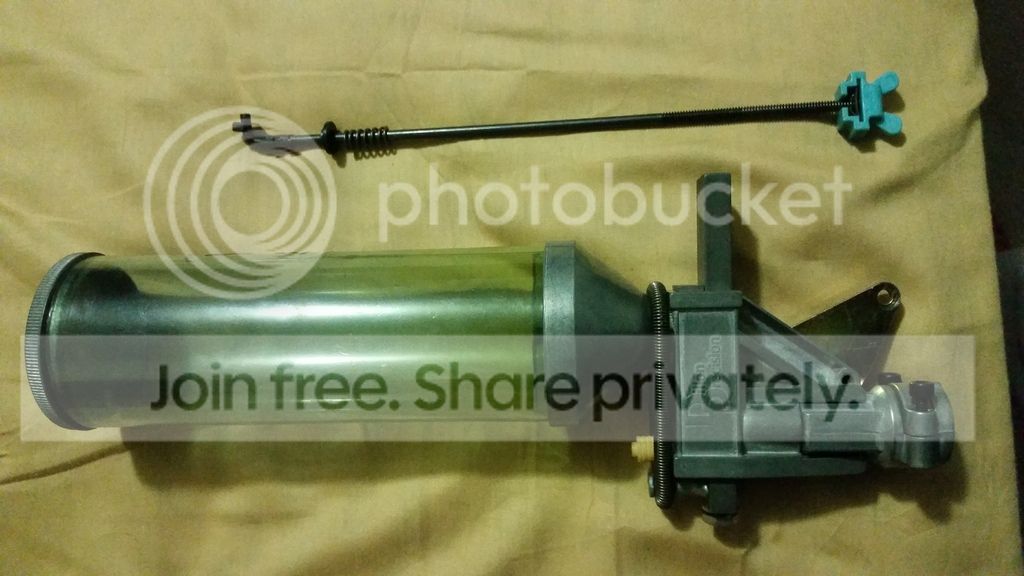
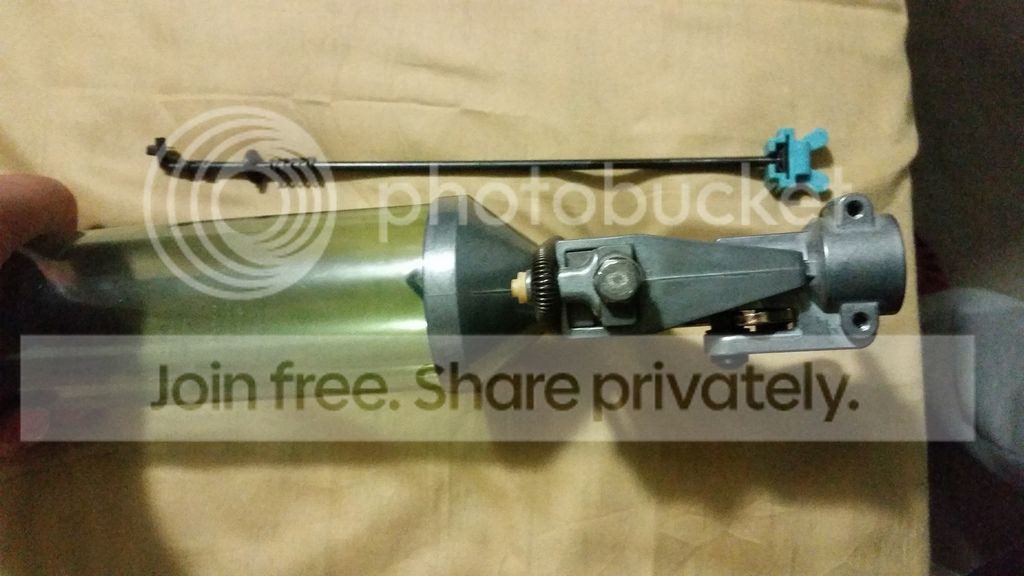
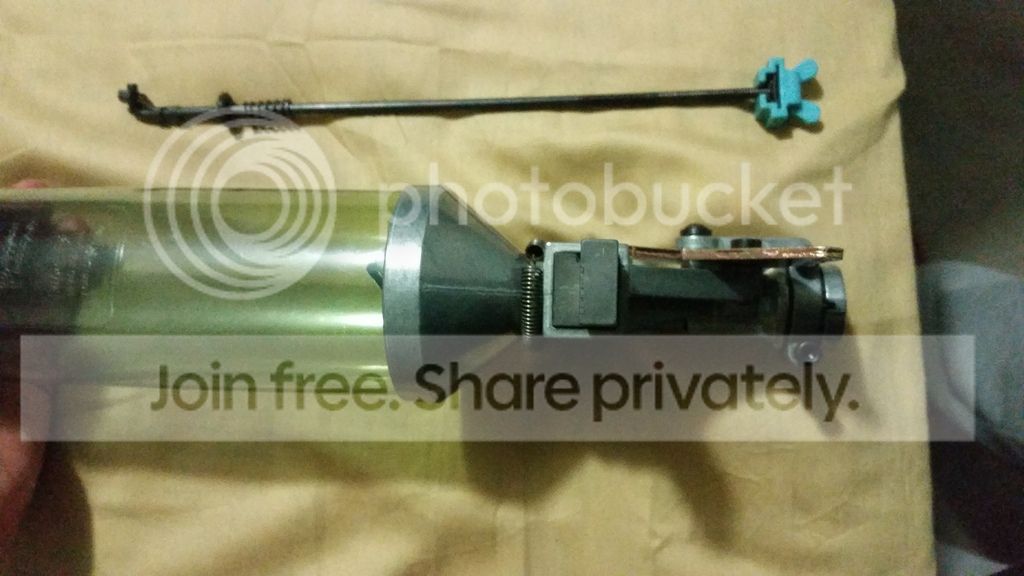
The issue I am having right now is installing the powder measure. I looked at many pics on google and videos on youtube but my powder measure looks different. Also I cant seem to screw in the powder measure in the die to secure it properly. I am assuming the small rod is the fail safe but I have no idea how to install it in the powder measure.
I use the same powder measure on my old Hornady Pro-Jector. If you look at the bottom of the measure, you'll see two Allen head machine screws. Take those out and the "cap" comes off. Mine came with an "adaptor" that installs in there and allows the measure to be screwed to the press, allowing the measure to be case activated. Hope this helps.
Mike
That's an old style Dillon powder measure (I have both), so your 550b may be an older style too. Normally parts are pretty interchangeable, but in some cases they are not. Dillon have been really good about an old 650 XL I picked up last year. If the new style parts are not interchangeable, they send out replacements for all the affected parts too. They did that when I broke my platform, and even a new style fail safe arm when I bought new powder measures.
For your old style powder measure, take the clip off of your fail safe arm, put it on your powder measure first, then push the rod through it and clip it back on the arm. To install it on your powder die, make sure you back off the two screws on the collar about 3/8". That should give you enough room to slip over the lip on the powder measure die, and then you can tighten those screws back up.
you put the clip on the powder measure throw arm first and line up the hole, then put the rod through it like the first pic. Once the rod is through, you can push the clip on to the fail safe rod (pic 2) to secure it in place.
Just a note, reloading can be pretty intimidating at first (at least it was for me). If you can, find yourself an experienced person close by that can come over and mentor you as you run your first couple of batches. Will really help speed up your learning curve and prevent those "oops" events. Youtube videos are pretty good too, but nothing beats an experienced person being right there to give you feedback.
Just back off the spring clip, place rod through and put the clip back on.
It hangs down to the notch in the base plate and ensure the measure returns to position.
* Mine occasionally jumps out of place in the notch so I just placed a piece or electrical tape across the opening to stop that from happening. *
I think I got it . Now just need to find a good video that tells me how to screw in the dies properly. I think i got the first 1 and 2 die adjusted. Just need to adjust the the bullet seating and crimp now . Thanks for the help guys.
When you're running a single case around the plate to test each die in turn you'll find that you can get it all just right. But then when you run your first few cases through in progressive mode with all the stations occupied you'll find that there's some slight changes. That's because the shell plate doesn't sit the same when you switch from single round to fully loaded. It's a small shift that is strictly due to the required amount of play in the system. But it is there. So check the first few as they fall off into the catch tray. They'll be usable but you'll find that they need a slight tweak of this die or that to be exactly what you want.
This is the order I use for setting up a new set of dies and new die carrier plate.
Screw in the decapping/sizing die so it just barely touches the shell plate with the ram at full height. No gap but no pressure to speak of on the plate. Just touching and no more. Tighten the adjusting nut.
Screw in the powder measure/flaring die and mount the powder measure on top but leave the two clamp screws slightly loose so you can turn the die body while holding the measure in position. Set it so the case starts to flare. The snug down the lock nut and test again. Adjust in small amounts of a turn to get just the right amount of mouth flare. I aim for the bullet being able to just barely sit so it is in the mouth and not sitting on the edge where it's tippy. Now when set like this SOME cases won't flare out enough due to being slightly shorter than the rest. I'm OK with this if we're talking about 1:10. If it's more than that I'll tweak the die to sit about 1/10 of a turn lower and live with the slightly generous flare it gives most of the cases. For cast bullets you need a touch more flare to avoid shaving off lead as they are seated. But don't go overboard since the more you flare and crimp the more the risk of splitting the cases early in their lives.
Next is the seating station. The seating die is also a crimping die if you screw in the main body of the die far enough. So if you're using a separate crimp die then you want to ensure that the body is far enough out that it does not crimp at all. To do this screw out or even remove the bullet seating center piece. Then with a flared case in that station screw in the body of the seating die until you feel the crimp taper bear on the flare of the case. It's a light feel so go easy. You're looking for the slight added drag that comes with the taper of the die touching the flared mouth. You might also see the casing start to turn in a steady manner. And if you can reach in and hold it back lightly it still wants to turn. When you reach that point turn it back out about a turn and a half and lock the body in place. Now drop the seating button of the right sort back into the die body and screw the seating adjuster back in. Lower the ram and set a bullet in the casing mouth. With repeated cycles of the ram work the adjuster down in small amounts and sneak up on seating the bullet to the correct overall length you want. Check often and use small amounts of change when close. With the little station retention button out you can slip the test round in and out easily to allow for measuring. If the bullet has a cannelure groove then just focus on seating to a depth where the casing lip is half way into the groove. That's good enough for now. You'll fine tune this later on when running the first few in progressive mode.
In my case having done this a few times now when I reach the bullet seating adjustment point I don't actually test fit the bullet. Instead I fill up the primer tube and powder measure. Then I go back and re-run this test casing through the sizer and flare stations again but this time set a primer and powder it up. This is the point where I will set the powder weight drop. If the powder allows I'll drop three charges into the one case. Or I'll dispense and put three separate charges into the pan on my scale. The reading divided by 3 is the powder drop per case. Using multiple drops makes it easier to see small errors. After the powder drop is set I'll check that the casing is empty and drop one pull then move it to the seating position. NOW is when I set the bullet into the flare and set the seating depth. If at all in doubt start with the adjuster well out and screw it in until you feel it contact the bullet's nose by the added resistance. Screw it in and operate the lever over a few pulls to sneak up on the proper OAL for the round as described above.
At this point I move this first fully loaded round to the factory crimp die station and set the amount of crimp I want. Generally for semi auto ammo this means you just remove the flare and little or no more than that. You want and need a step at the case mouth. A wise idea to aid you in getting the feel for this is to field strip your gun and use the barrel as a plunk tester. Loaded rounds should "PLUNK!" easily into the chamber and when the barrel is turned end for end should fall out with no catchiness to it at all. If it does bind even a trifle then crimp a hair more and try again.
for crimping cast bullets in revolver casings we're looking for a nice roll crimp into the cannelure groove. But watch for too hard a crimp which can cause a slight bulge outwards just below the crimp. If you get that back off the crimp a good quarter turn. Taper crimps are less fussy to set than roll crimps. So if using a roll crimp you'll find that you're back and forth with 1/16th turns of the die body. With taper crimps I find I'm working with more like 1/8 turns.
Like I mentioned above I found that once I was going with all four positions running that I saw slight variations in the flare, seating and crimp stations that required a slight tweak here and there. So watch for that. In particular the flaring station seems to "close up" and the flaring die seems to need setting downwards by about an 1/8 turn to get the flare right again. So you might want to start out with the single casing flare a touch on the heavy side. By " a touch" I mean the bullet sits down into the flare by about 1mm instead of just barely sitting in the flare instead of on the edge.
It's a lot to thing about. What I found helps is to only examine and adjust one station at a time. And while doing so really think about each step and WHY you're doing what you do.
It's not a video but really do you need a video to see which way to turn the dies? Just think about what each station is doing and maybe read what I posted one point at a time as you're adjusting the dies.
One more thing. If you're not using separate seating and crimping dies then you need to double set the seating/crimping station. Here's how.
Start off with the outer body well backed out so it does not crimp at all. Set it as per above for now. Then seat a bullet into a casing using the seating depth adjuster. Sneak up on final length or seat just so the case lips are at the cannelure groove as pertinent to the bullet you're using. Now back off the seating adjuster or even remove it fully. Don't worry about losing your seating depth adjustment. We'll get back to that below.
Now you'll work the outer die body down until it just gives you the crimp you want without the bullet seater anywhere near the bullet. Work the die body down in small amounts and when close start snugging up the lock nut each time since that affects the final setting.
When the crimp is perfect now you can go back and re-set the bullet depth setting. With the ram up and the newly crimped round in place drop back in the bullet nose button you require and screw the seating adjuster back in. Turn it down until you feel it contact the bullet. Yer done!
Both of these settings will possibly need some slight tweaking when you begin running in full on progressive. So again just watch and adjust the first few rounds coming off the press and keep a close eye out during the first 50 for any variances and re-tweak as required.
Once you get to where the majority of the first 50 are all good you're gold. The odd one where the case is a hair long or a hair short will produce less ideal ammo but they'll still be usable.