Ketland & Allport family heirloom, looking for info and TLC advice

O-Danger

New member
Rating - 100%
39   0   0
Hi all,

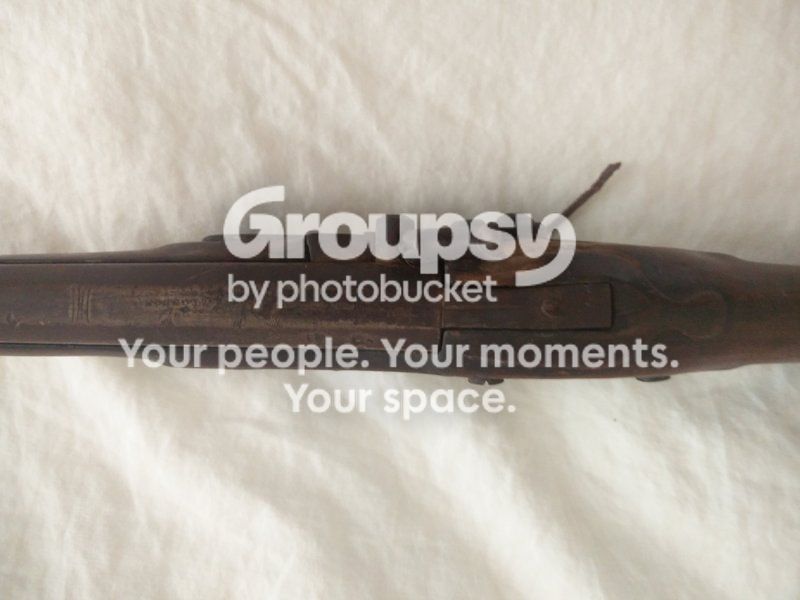
I am looking for some help and maybe a history lesson on this old Caplock musket muzzle loader that I have.

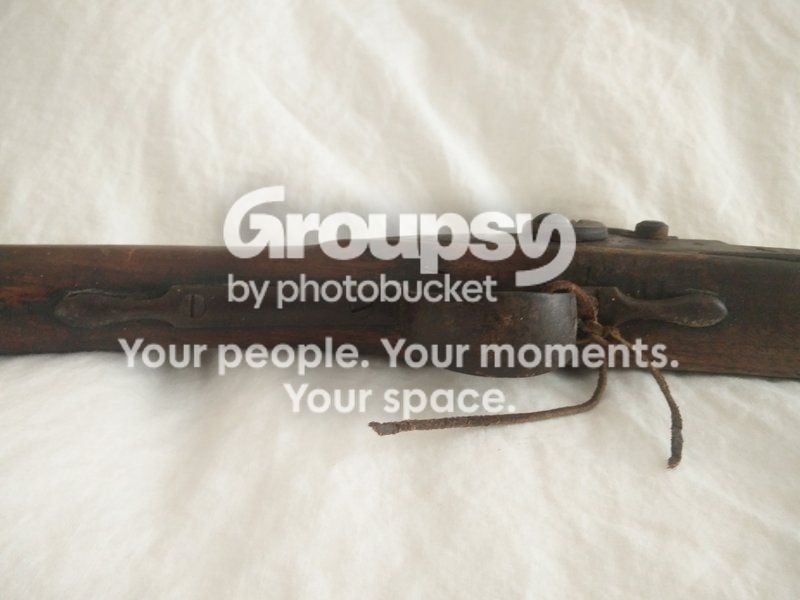
I inherited this from my Grandfather when he went into the retirement home a few years back. The story goes that it was bought from the Hudson's bay company by my triple great grandfather and passed along to my grandfather when he was just a boy. At that time he tried to repair in in the mid 30's but ended up cracking the stock and loosing the barrel bands.

It unfortunately went through the Calgary flood a couple years back and has taken on more patina than I'd like to admit. It no longer cocks and clunks like it used to.

Anyway I'm looking for info on what the history of this gun might be, it's likely manufactur time period and so on.

I also want to know where I might get it refinished so that it can stay in the family a few more years rather than rust away. Things like putting it back together and repairing the wood, maybe refinishing the metal (what would be the correct type of finish for this era?)

Also any recommendations on who would be able to complete that task as well as where I might find the correct period or reproduction barrel bands and hardware.

The gun is in Calgary but I'm willing to ship it out to have the work done by a competent craftsman.

Thanks for your help.
Now the pics



That is not a HBC gun. It is from the Northwest Company. As such, it pre-dates 1822(?) when the HBC and NWC merged.
Absolutely do not even think about refinishing it.
Even in its current condition, it has monetary value, apart from any family considerations.
It should be stabilized to prevent any further deterioration. Very gentle cleaning, followed by conservator's microcrystalline wax, which is used by museum curators, would be appropriate.
Replacement ramrod pipes can be easily made.
These things are rare.
 
Thanks for the info!

Any idea what I should use to clean it? What about lubricate it? Is there any value in trying to remove the wood to get the barrel underside or is this asking for trouble? What about removing some of the screws?

Thanks,

Tom
 
There is always the risk of damage when trying to disassemble this sort of gun. Screws might be frozen, heads would get damaged trying to loosen them. Pins are not going to want to come out. You could gently clean the iron parts with a soft, slightly oily cloth.
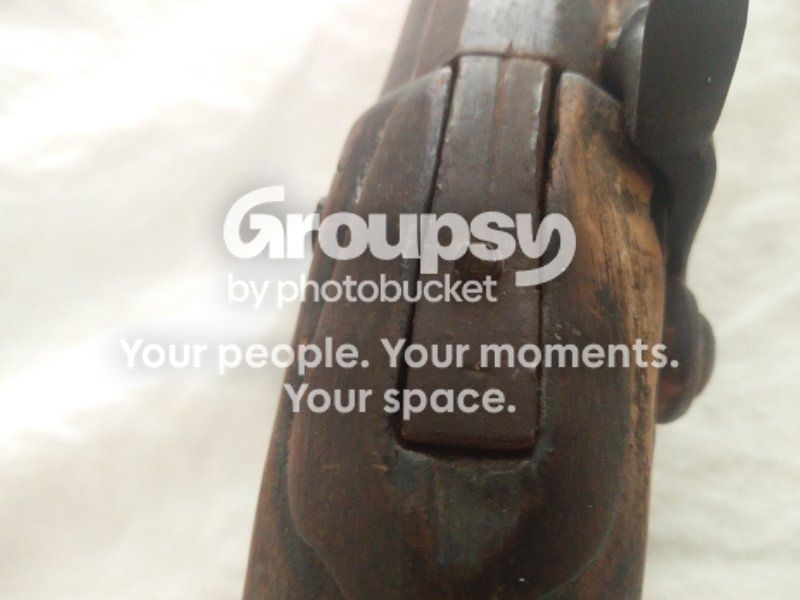
Apart from the conversion to percussion, the comb of the stock was scooped out. Not unusual to see this on old guns. Might have had something to do with shooting stance, heavy winter clothes.
 
Thanks for the info!

Any idea what I should use to clean it? What about lubricate it? Is there any value in trying to remove the wood to get the barrel underside or is this asking for trouble? What about removing some of the screws?

Thanks,

Tom

Don't take it apart. Take it to someone competent in historical BP arms and get a recommendation from them, and a repair quote if repair is recommended.
 
Man I wasn't expecting to see that as I read down the post; wholly agree just carefully and competently stabilze 'er and display it with pride and the story behind it.

Write the story down before you or your family forgets it too.

Thanks for sharing that - pretty rare to see something like that stay in the family so long.
 
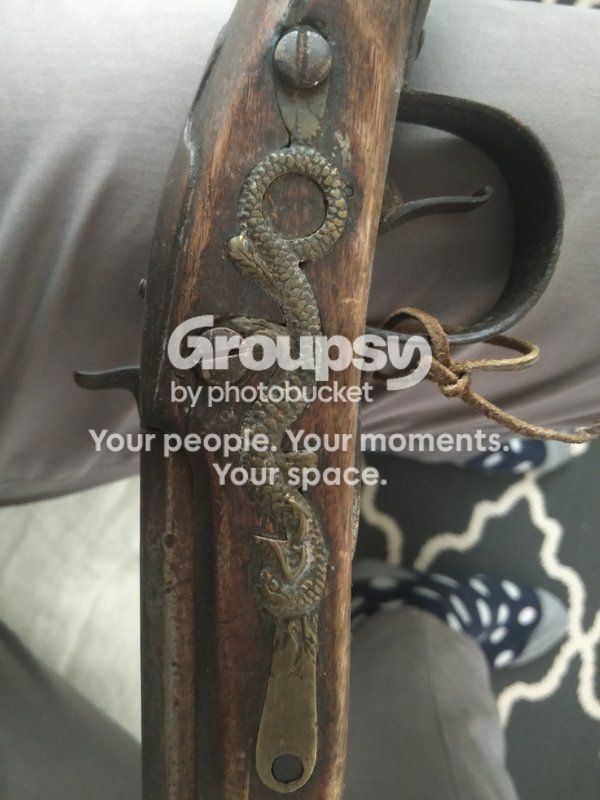
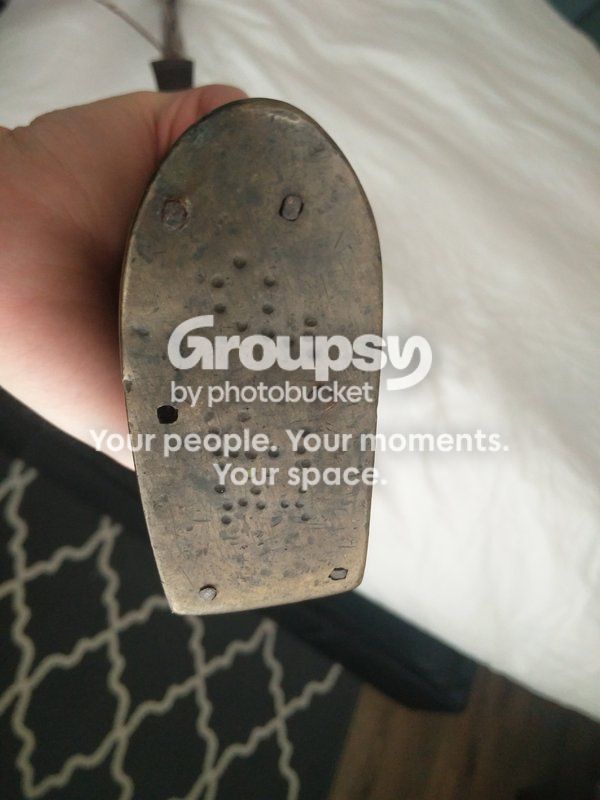
There are a couple of giveaways that this is a trade gun. The upsweep on the top of the butt. The plate buttplate, which apparently was frequently reused as a hide scraper. The dragon side plate and sitting fox are two of the most classic features. If it was a flintlock, it would be perfect!

As the wise Tiria1 has already counselled - do not do anything to this piece. It is too unique just the way it sits. There are antique firearms experts who will suggest an appraiser and any number of next steps.
 
Nice northwest trade gun. I too would recommend not trying to disassemble it. The butt might have been scooped out for a right handed shooter who had to use his left eye.
 
Thanks for all the info. It certainly matches up with a northwest trade gun. I know that it was used by my grandfathers, great grandfather at the farm as an all purpose gun. Maybe he was the one who converted it to percussion. Not sure if my grandpa ever shot it, might have to ask him but at 92 years old not sure if he'd remember.

Anyway I also have the powder horns and shot horn that would have accompanied this around the farm. Any idea if someone could chime in on the likely time period this would have been from? The horns have all been hollowed out. Not sure what animal this was from.


I'm onboard with keeping it original but would love to not have the barrel attached to the fore end by elastic bands, or the ramrod held on the same. I see a lot of kits to make trade guns and would be inclined to replace the parts my grandpa lost so that it is more presentable.

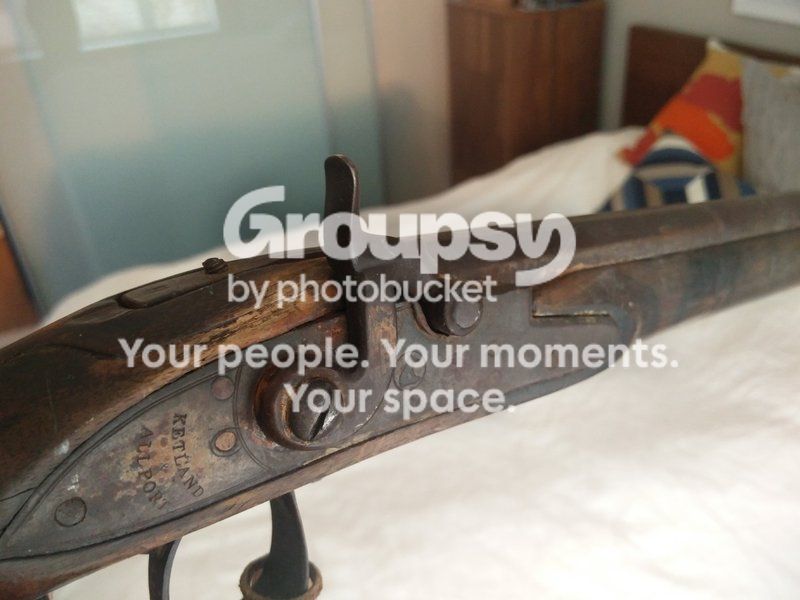
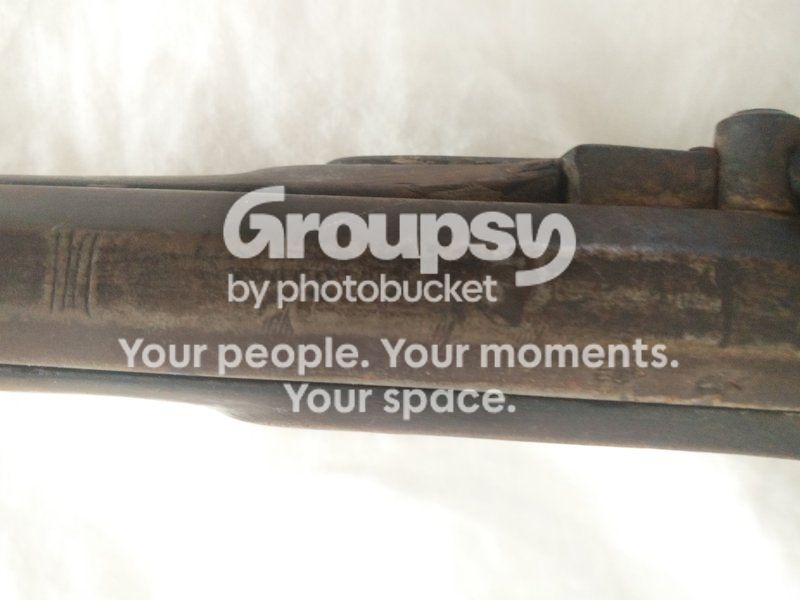
I also noticed that the picture looking at the barrel from the top at the back (behind the top screw) shows a crown with the number 11 below it, could this be 1811?

I have messaged the Alberta black powder group to see if they know anyone who might be able to clean and protect the gun.

Thanks,

Tom
 
I think the horns are cow horns and the large unplugged one is probably a hunting horn for calling the dogs (maybe) I also don't think that is a number 11 under the crown but more likely the remains of a pair of initials. I would expect G R for George (lll) Regis who was monarch at the time the barrel was made. W for William would be easier to morph into an 11 but he was later than when the barrel was made

cheers mooncoon
 
Just had another look at the photo of the lock. Under the drum, below where the pan was when the gun was still flint, there is a crown and broad arrow. I missed seeing that government property mark (the "King's Mark"), and the B of O inspection mark on the tang. #11 was just the inspector's number. The proof marks are correct. That is not a trade gun, sold by the NWC. It is a Gov't issued fusil. It might have been a treaty gun, it might have been supplied to His Majesty's Indian allies during the 1812 war. In the 1790s, and beyond, the Board of Ordnance was short of arms. They obtained Brown Bess muskets and trade guns from the same contractors who were supplying the East India Company and the NWC.
In Ontario, the majority of "trade guns" that surface are these gov't marked specimens. This was the area where most were supplied. Dollars to donuts, that gun originated in Upper Canada.
The ramrod pipes that you can buy are not correct. Ones that duplicate the originals can be made. The ribbing pattern on the new ones is wrong.
If the barrel is loose from the stock, is it because the lugs on the bottom of the barrel have been pulled loose? If so, the repair would involve soldering the lug(s) back into place.
As I suggested previously, be very cautious about any repairs. It would be very easy to do more harm than good.
 
My family is from southern Ontario (area surrounding London Ontario) so yes upper Canada Origin is highly possible.

The barrel lugs are still present, it's the pins that held them in place that are missing. They would have been scooped out by my Grandpa in the 30's.

Do you have any links to what proper ramrod pipes would have looked like?
 
The pipes were formed by embossing the rib pattern, then wrapping the brass to form the pipe. Annealing before embossing, and again before wrapping the tube and forming the lug is a good idea.
Two sizes of forming punches were used - a wider and a narrower one.
PM your emailing address, and I'll take photographs.
With a SW ON provenance, the gun may well have been originally supplied to Joseph Brant's Mohawks. Maybe saw use during the War of 1812.
 
I have a 1795 U.S. Springfield dated 1809 that also had been converted, stock scooped and more by a local. Has 5 Brit broadarrows in different places after 1812 battlefield pick up.
Anyway if you plan on reconverting your musket back to flintlock that percussion drum might easily unthread, mine did. Lot of good advice here I've read. Yours looks like a good project for restoration. Good luck.
 
Back
Top Bottom