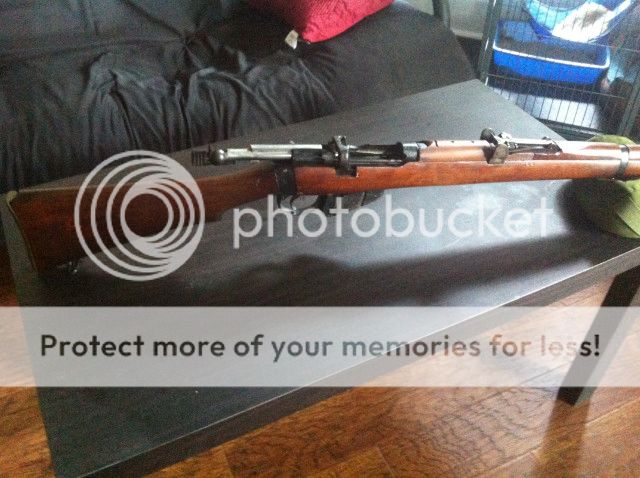
LE No 1 MK III* - Enfield 1916

JR86

Regular
Rating - 97.9%
46   1   0
Location
SW Ontario
I have had this rifle for a few years now. It was given to me by my brother who aquired it when my father passed away. As far as I know this rifle was aquired prior to or in the early 1970s.

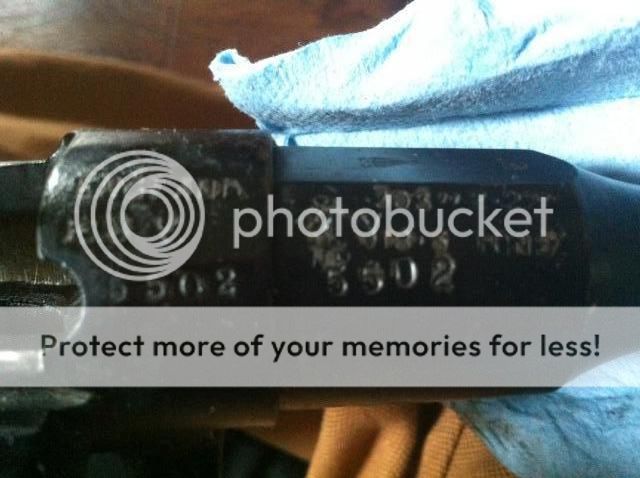
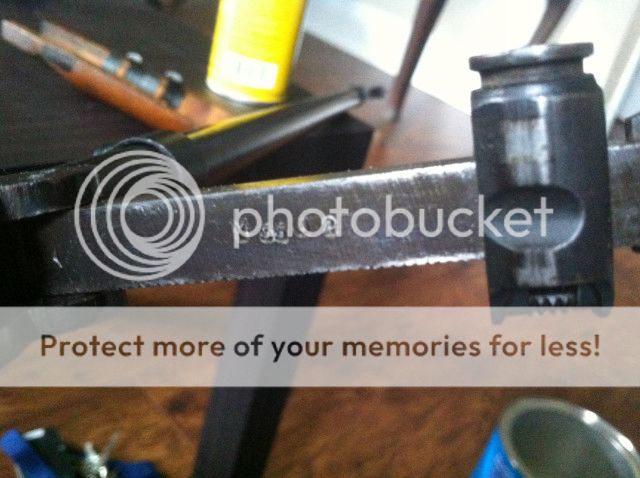
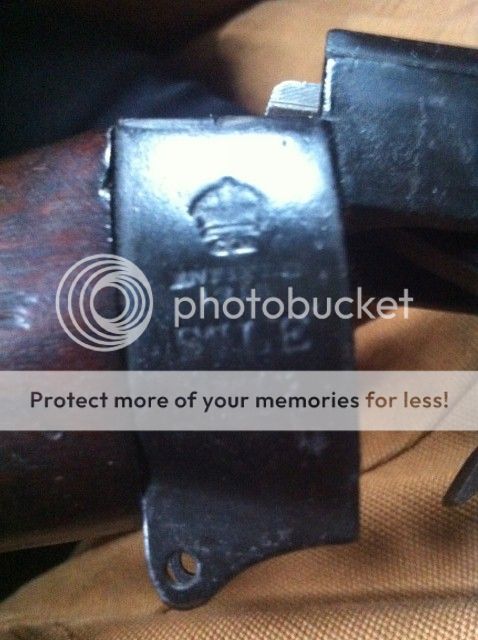
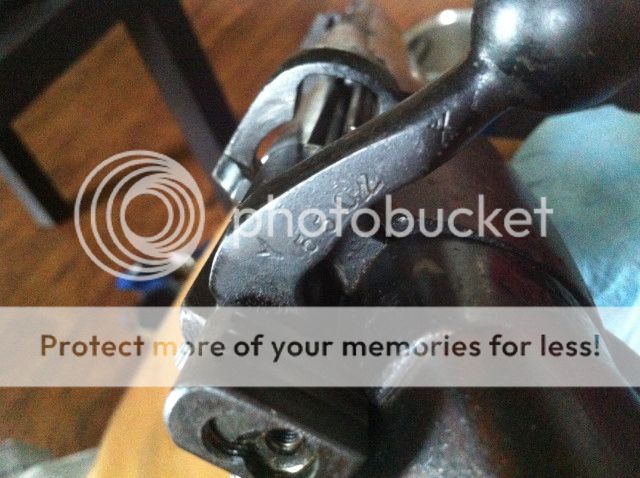
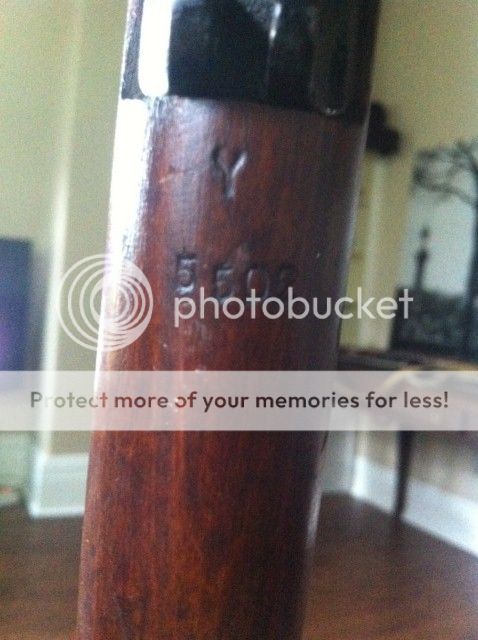
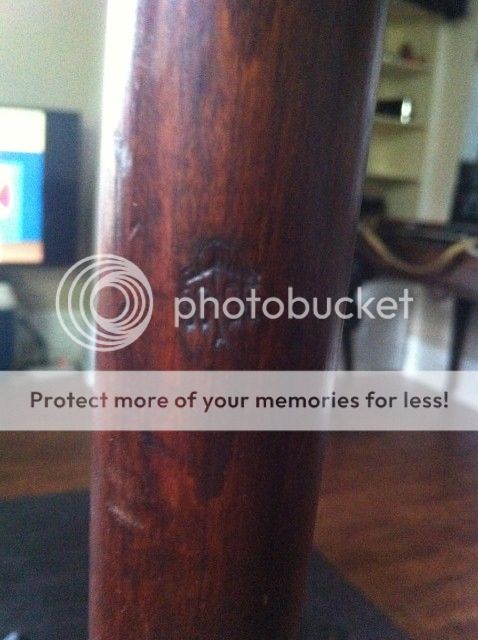
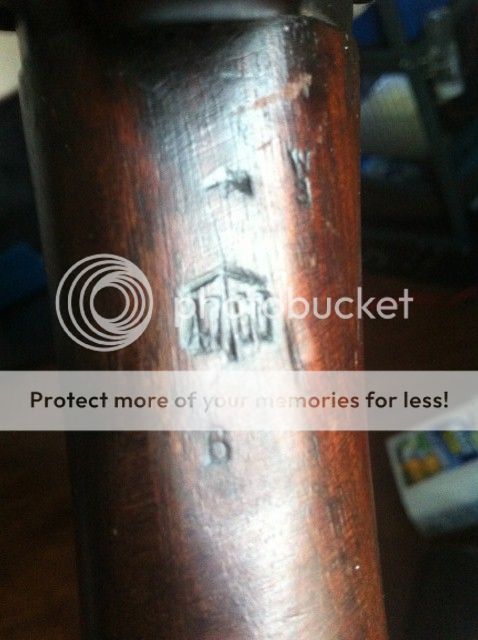
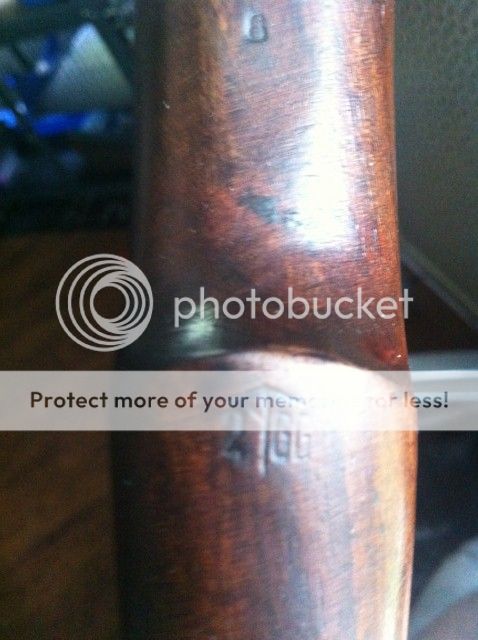
I stripped it down, cleaned it, and took pictures of all the markings I could find on it. seems like all the numbers match as far as I can tell but I don't know much more than that. Can some of you Enfield history lovers shed some light on this rifle?


1916 Enfield manufactured MkIII* that was FTR'd (Factory Thorough Repair) in 1953.
All the markings you show are correct for a '53 FTR so it is a good example of its type, my first full wood SMLE was a '53 FTR but now long gone as I'm not into the FTR's but many are.
You need to address the missing firing pin keeper screw & the fact the pin is wound in too far, the back of the pin should be flush with the back of the cocking piece.
Good score.

The ENGLAND stamp was stamped (in England) prior to export & in America is refered to as a import mark (as per their import laws) but as I'm in New Zealand & we dont have any such law & many of these rifles came here, the mark is refered to as an export mark.
 
Last edited:
Thanks for the info. I ll look into replacement of that keeper screw. I already noticed one of the stock screws was missing and did think that firing pin seemed a little odd.
 
Okay, she's a nice old First World War rifle which was kept after the war and likely refurbed in the early 1920s. There were few new rifles built in the years right after the War but they rebuilt literally millions. The rebuilt rifles went partly into store, about 100,000 came to Canada and hundreds of thousands more, along with Rosses and P-14s, were given to NEW armies which previously had had nothing: Latvia, Lithuania, Estonia just for starts, and more to Greece and other Allied countries which had had a hard time during the War.

Where this one might have been, we don't know. Those GG inspectors' marks are ones I haven't seen before.

In the run-up to War 2, the British Government had this insane idea that if they destroyed all of THEIR guns, that nice Mister Hitler should reciprocate and trash all of HIS guns. So tens of thousands of Lee-Enfields were scrapped or turned into deactivated Drill Rifles. Yours escaped this particular bit of madness and was on-hand during the BLACKEST part of War Two, when the Brits had one fairly-modern rifle on hand for about every six men who NEEDED one..

Following War Two, the old girl was rebuilt again, this time in 1953.... and that is a bit odd in itself. I think this is one of the LATEST rebuilds of an SMLE which I have seen coming out of England. I not that it has had what appars to b a commrcially-markd BSA brrel fitted..... which makes sse, being that BSA, at that time, had the only plant capable of making barrel for an SMLE. Enfield supposedly stopped all work on SMLEs in 1943, although I do have an experimental which they fitted with a new barrel in 1945.... although it could have been old stock.

But your rifle was rebuilt to "New" in 1953..... and they don't come any better than that. Likely it would have been sold off as surplus very soon afterward.

This one MUST go to the range!

NICE toy!

 
Smellie, those markings on the wood are common for these BSA FTR rifles (latest i know of is 1954 for the SMLE) i also see them them on the No9 which were converted in the late '50s
The BSA stacked rifle logo on the knox & the black paint are also common features of these BSA FTRs of the '50s

No9 but GA instead of GG
gydc.jpg

3n8h.jpg
 
Extremely cool. Also worth noting is that I found the chamber to be much smaller than my No4 mk 1.
The rounds go in and come out smooth, but I cant close the bolt with a case fired in the no 4.
 
Extremely cool. Also worth noting is that I found the chamber to be much smaller than my No4 mk 1.
The rounds go in and come out smooth, but I cant close the bolt with a case fired in the no 4.

Now that is interesting. I've had a couple of 1952 or 53 FTRs with those BSA barrels. Could they have been barrels built for the civilian market with closer chamber tolerances?
 
Extremely cool. Also worth noting is that I found the chamber to be much smaller than my No4 mk 1.
The rounds go in and come out smooth, but I cant close the bolt with a case fired in the no 4.

There is also an excellent possibility you couldn't chamber a fired case from one No4 in another No4. All chambers are slightly different
 
Back
Top Bottom