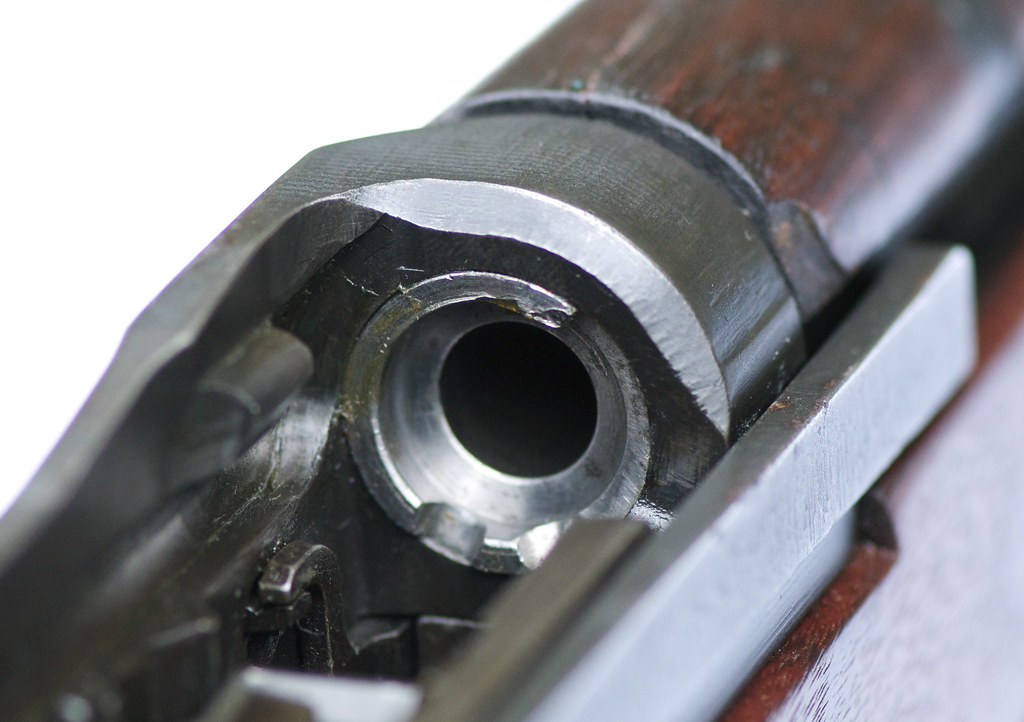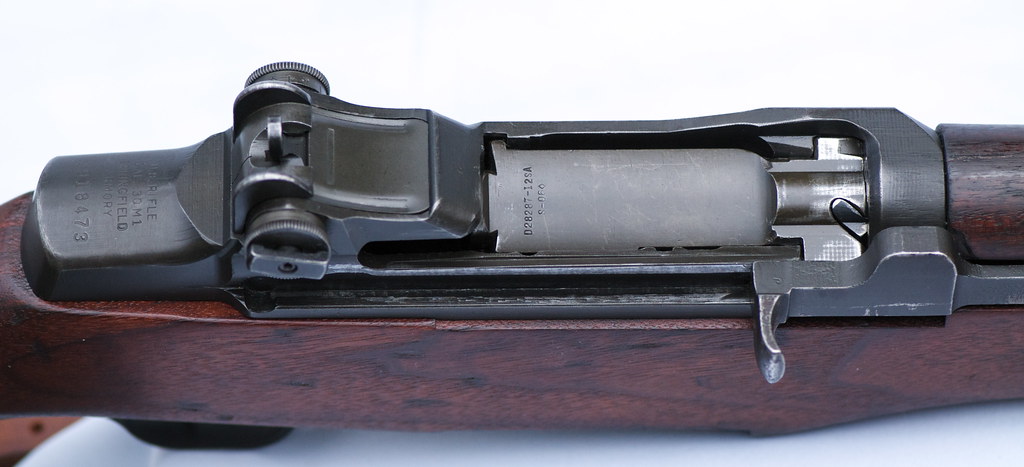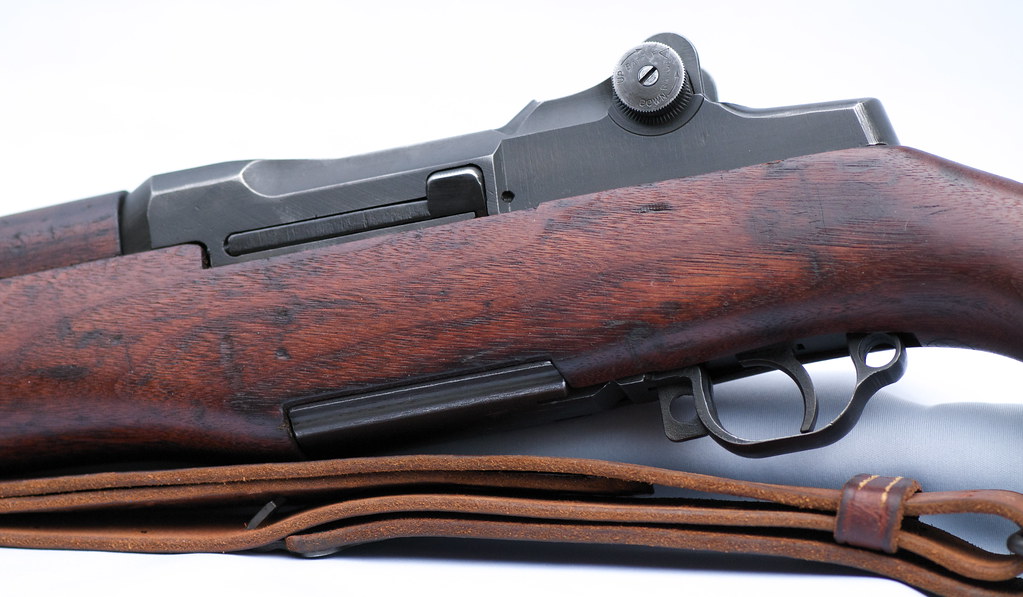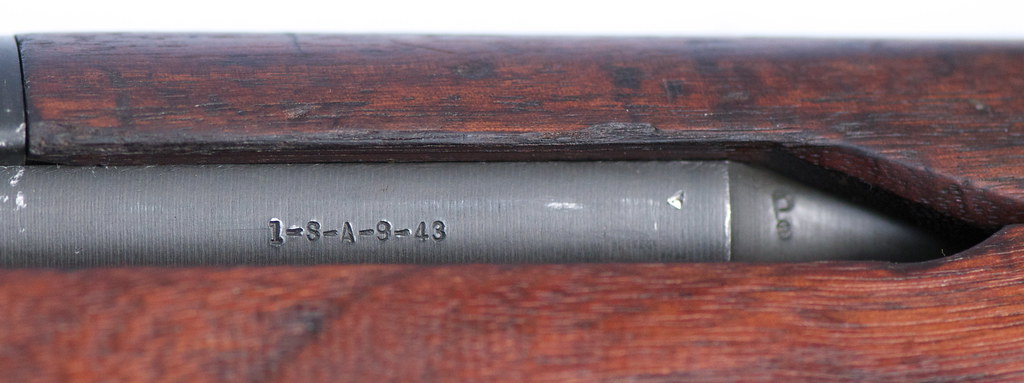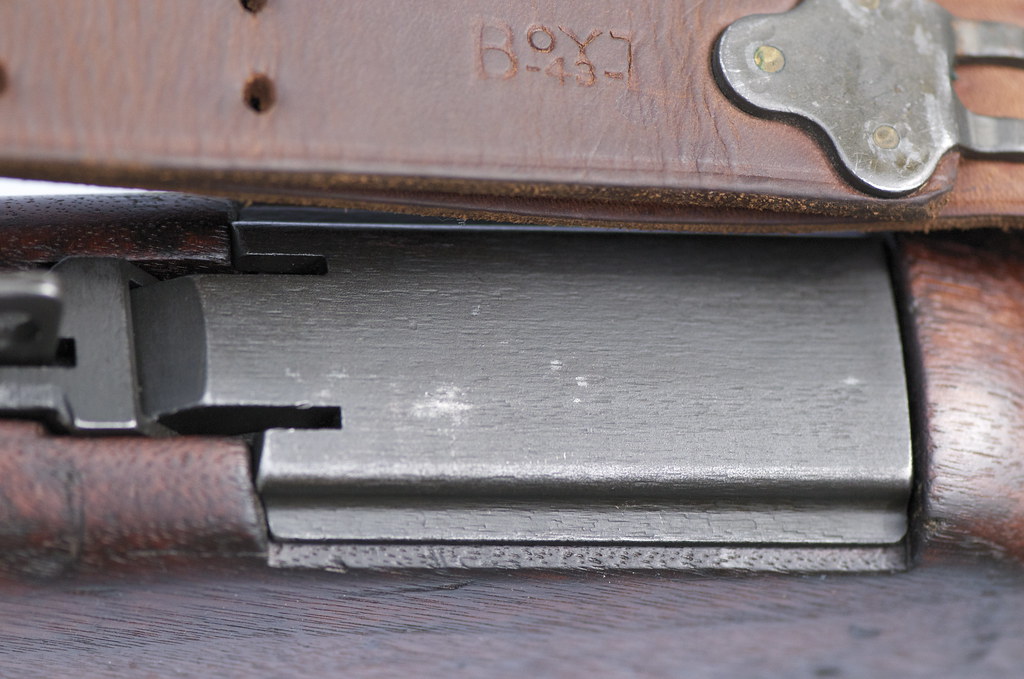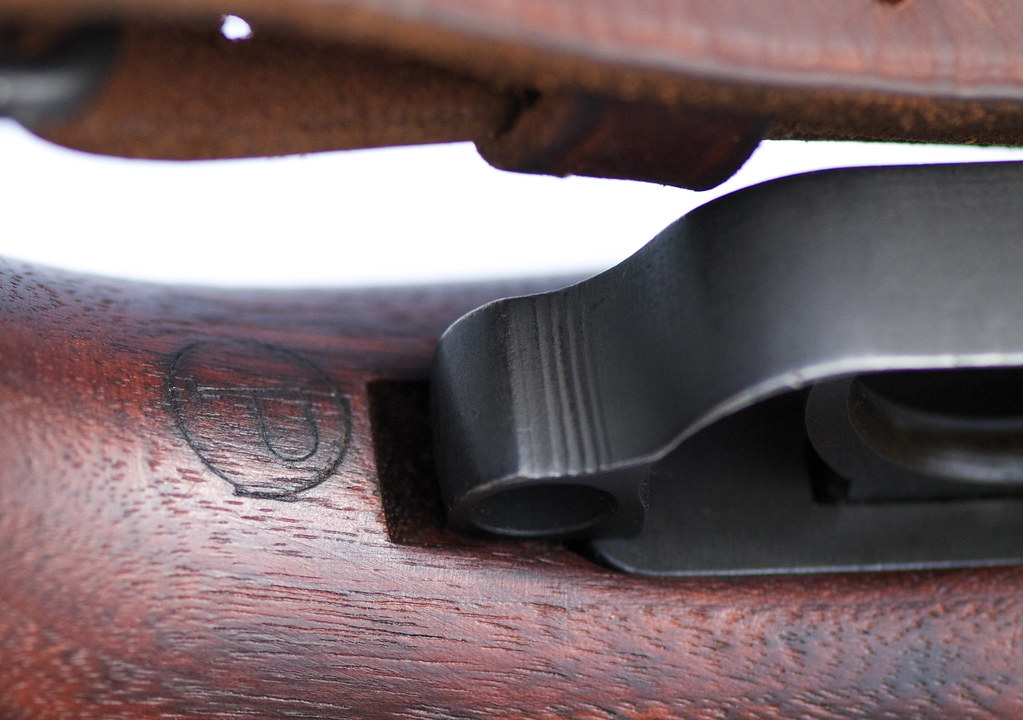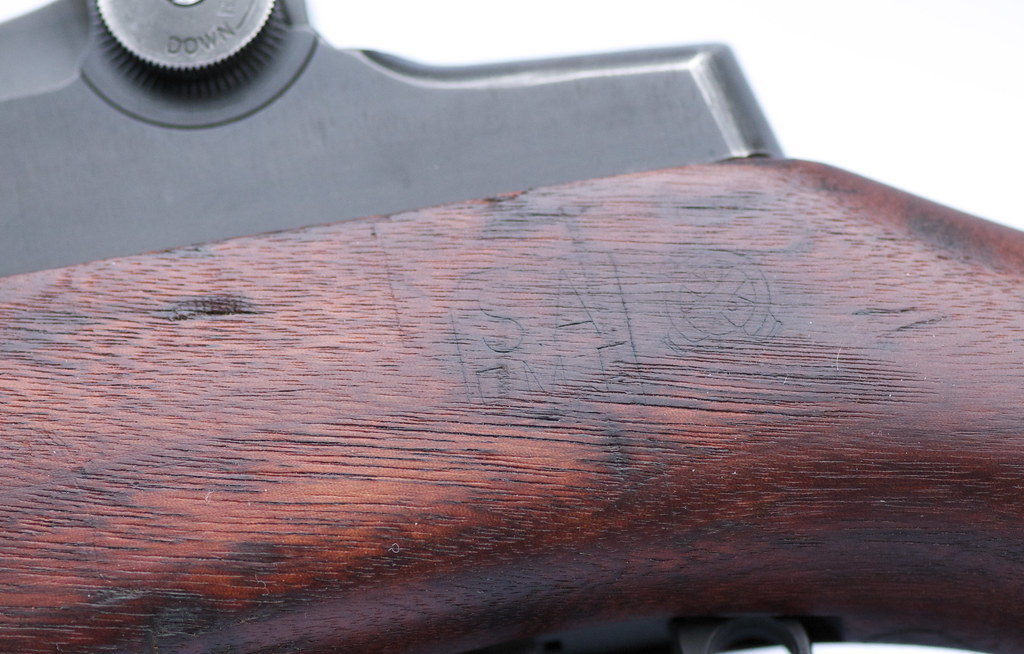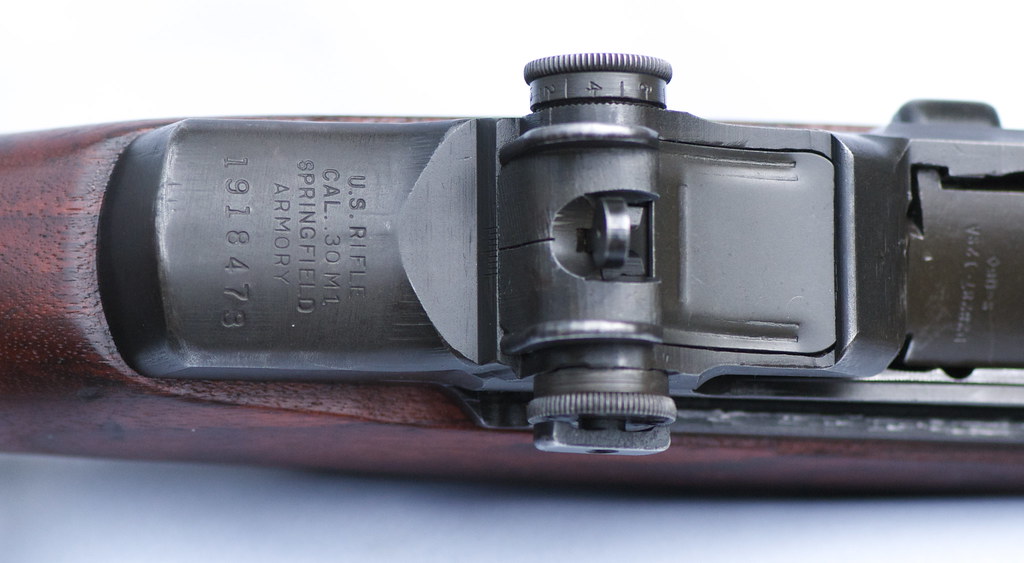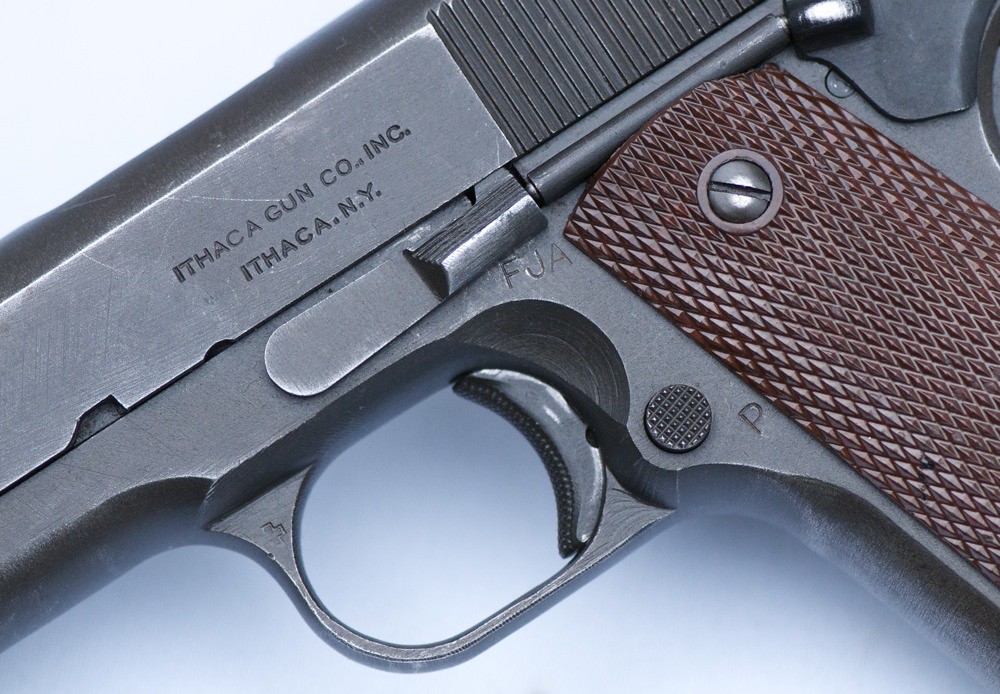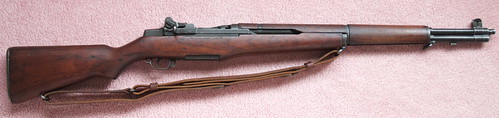






























I only have one Garand and I have not seen enough original Garands to be able to determine what is original and what is not.

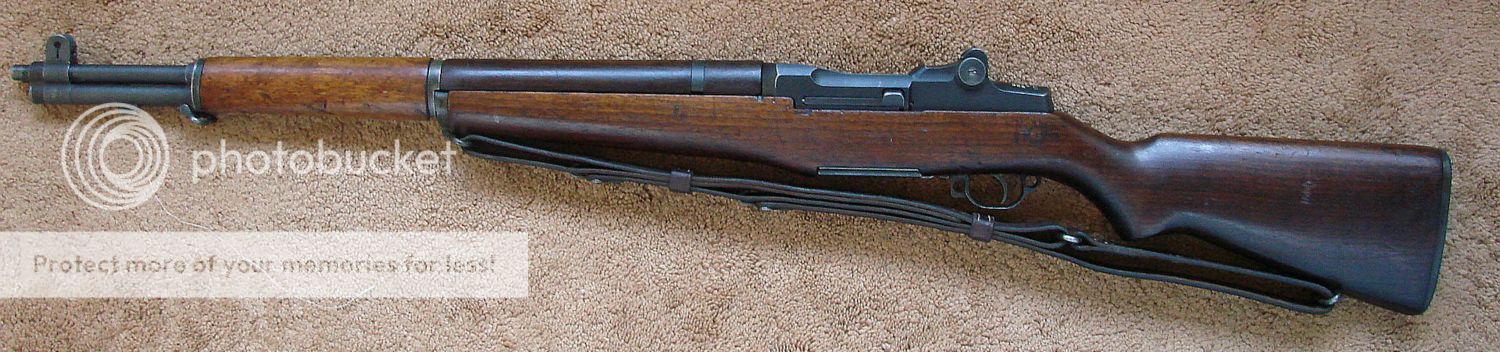


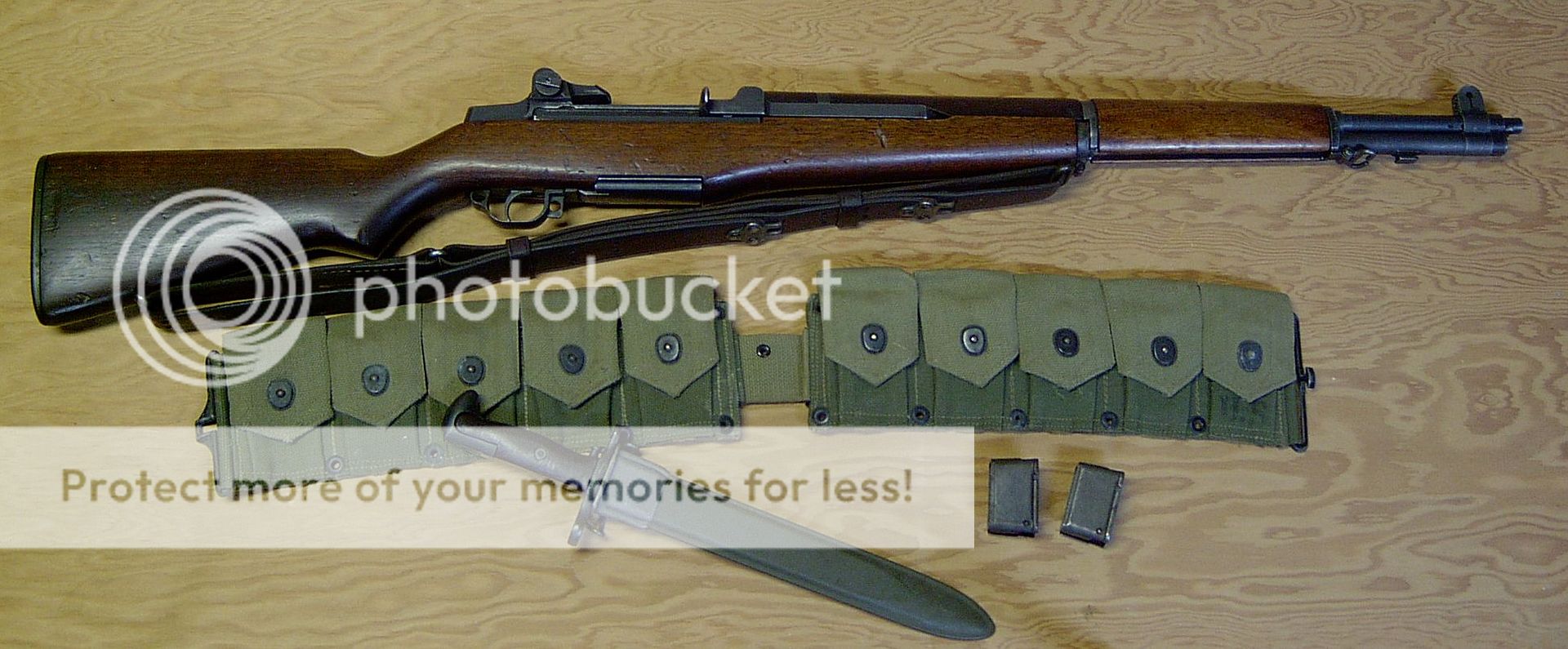
Comments from Bruce Canfield.
“I don't think it is possible to accurately assess the originality of parkerizing from even the best digital photos as there are just too many subtle nuances that can only be revealed by direct examination, especially in sunlight (fluorescent and incandescent lighting can often distort colors).”
Scott Duff’s article.
PARKERIZING COLORS
A Historical Perspective by Scott A. Duff
If you want to start an argument among collectors of U.S. Military Small Arms ask: “What color Parkerizing is original?” This seemingly simple question will provoke endless discussion, and provide a wider variety of answers than one could assume possible.
Research conducted in the preparation of several M1 rifle related books have provided the opportunity to examine thousands of Garands, including hundreds of rifles in original configuration. Observations indicate the color of the parkerized finish varied with the conditions under which the parkerizing was applied, the era of the rifle’s manufacture, the condition, and/or length of time they were stored.
Specific factors affecting the color resulting from the parkerizing process include: the type of phosphate used, the temperature and duration of the process, the saturating oil bath, and the preservative coating’s reaction on the compounds contained in the parkerizing. In addition, the method and chemicals used in heat-treating and the specified hardness of the individual component also affect the finish color. For instance, a softer metal has a darker finish than a harder one.
Descriptions variations in color and shade are subjective, and two different people may describe the same finish differently. With that in mind, original finishes have been observed which are: charcoal black, gloss black, black with a noticeable green tint, dark olive green, a light, almost translucent gray, and translucent gray with a green cast.
The earliest original rifles examined are in the collection at Springfield Armory National Historic Site. These rifles, serial numbers 81, 87, 79115, 100,000, 1 million, 2 million and 3 million, are in “as-new” condition. They were deemed of historical significance, and generally transferred directly from the factory to the museum shortly after manufacture. They all are of charcoal black color. Early production Winchester M1’s are of the same color. None of these rifles have been coated with Cosmoline or saturated with oil. It is interesting to note that M14 rifles were not subject to Cosmoline coating and are the same color as these early Garands.
Other M1 rifles manufactured during this era, which have seen service, have been observed to be of gloss black or dark green finish. It is believed that the gloss black is primarily a result of repeated cleaning with solvent and oil-soaked rags, which gave an almost polished effect to the finish. The frequently encountered, dark green parkerized finish is believed to be primarily a result of the compounds present in the parkerized finish chemically reacting to the Cosmoline used for corrosion prevention during long term storage. Observations of original Garands manufactured by Springfield and Winchester indicate a change in the finish color from black to a translucent gray during the late summer of 1944. The Parkerizing process used to finish M1’s of post World War II manufacture appears to have returned to the charcoal black finish. If the rifle has been stored in Cosmoline, a green tint may be noted, so, “What color Parkerizing is original?
Most “as new” Garands are charcoal black. Original finishes of gloss black, black with a noticeable green tint, dark olive green, a light, almost translucent gray, and translucent gray with a green cast have been observed. The variables mentioned above and more than fifty years of use and storage make it impossible to give a specific answer.
However, one thing is certain; the argument among collectors and aficionados will continue.

David
Comments from Bruce Canfield.
“I don't think it is possible to accurately assess the originality of parkerizing from even the best digital photos as there are just too many subtle nuances that can only be revealed by direct examination, especially in sunlight (fluorescent and incandescent lighting can often distort colors).”
Scott Duff’s article.
PARKERIZING COLORS
A Historical Perspective by Scott A. Duff
If you want to start an argument among collectors of U.S. Military Small Arms ask: “What color Parkerizing is original?” This seemingly simple question will provoke endless discussion, and provide a wider variety of answers than one could assume possible.
Research conducted in the preparation of several M1 rifle related books have provided the opportunity to examine thousands of Garands, including hundreds of rifles in original configuration. Observations indicate the color of the parkerized finish varied with the conditions under which the parkerizing was applied, the era of the rifle’s manufacture, the condition, and/or length of time they were stored.
Specific factors affecting the color resulting from the parkerizing process include: the type of phosphate used, the temperature and duration of the process, the saturating oil bath, and the preservative coating’s reaction on the compounds contained in the parkerizing. In addition, the method and chemicals used in heat-treating and the specified hardness of the individual component also affect the finish color. For instance, a softer metal has a darker finish than a harder one.
Descriptions variations in color and shade are subjective, and two different people may describe the same finish differently. With that in mind, original finishes have been observed which are: charcoal black, gloss black, black with a noticeable green tint, dark olive green, a light, almost translucent gray, and translucent gray with a green cast.
The earliest original rifles examined are in the collection at Springfield Armory National Historic Site. These rifles, serial numbers 81, 87, 79115, 100,000, 1 million, 2 million and 3 million, are in “as-new” condition. They were deemed of historical significance, and generally transferred directly from the factory to the museum shortly after manufacture. They all are of charcoal black color. Early production Winchester M1’s are of the same color. None of these rifles have been coated with Cosmoline or saturated with oil. It is interesting to note that M14 rifles were not subject to Cosmoline coating and are the same color as these early Garands.
Other M1 rifles manufactured during this era, which have seen service, have been observed to be of gloss black or dark green finish. It is believed that the gloss black is primarily a result of repeated cleaning with solvent and oil-soaked rags, which gave an almost polished effect to the finish. The frequently encountered, dark green parkerized finish is believed to be primarily a result of the compounds present in the parkerized finish chemically reacting to the Cosmoline used for corrosion prevention during long term storage. Observations of original Garands manufactured by Springfield and Winchester indicate a change in the finish color from black to a translucent gray during the late summer of 1944. The Parkerizing process used to finish M1’s of post World War II manufacture appears to have returned to the charcoal black finish. If the rifle has been stored in Cosmoline, a green tint may be noted, so, “What color Parkerizing is original?
Most “as new” Garands are charcoal black. Original finishes of gloss black, black with a noticeable green tint, dark olive green, a light, almost translucent gray, and translucent gray with a green cast have been observed. The variables mentioned above and more than fifty years of use and storage make it impossible to give a specific answer.
However, one thing is certain; the argument among collectors and aficionados will continue.
David
Last edited: