Refinishing a WW2 German rifle stock

Rylan

Regular
Rating - 100%
89   0   0
Location
Victoria, B.C.
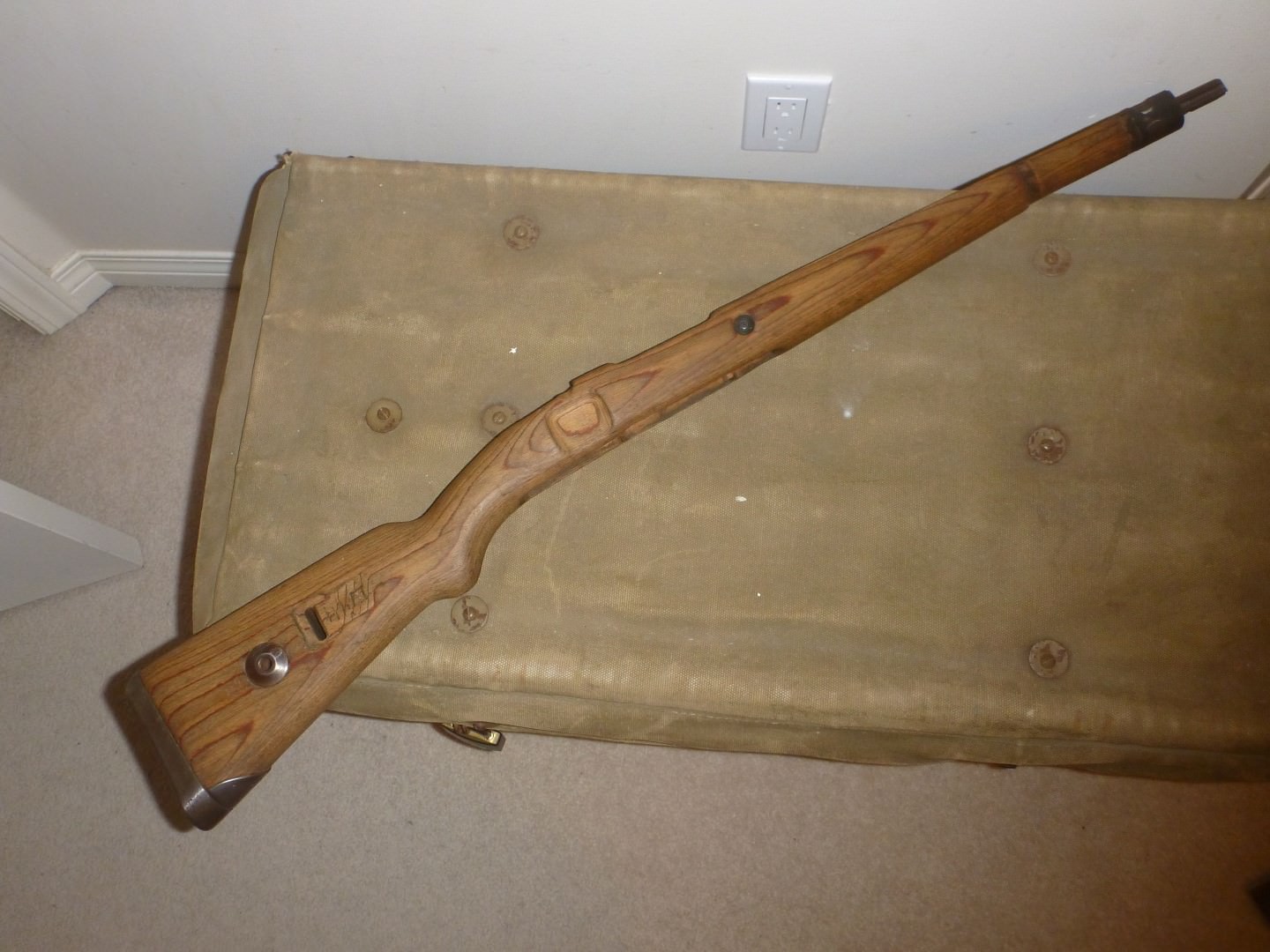
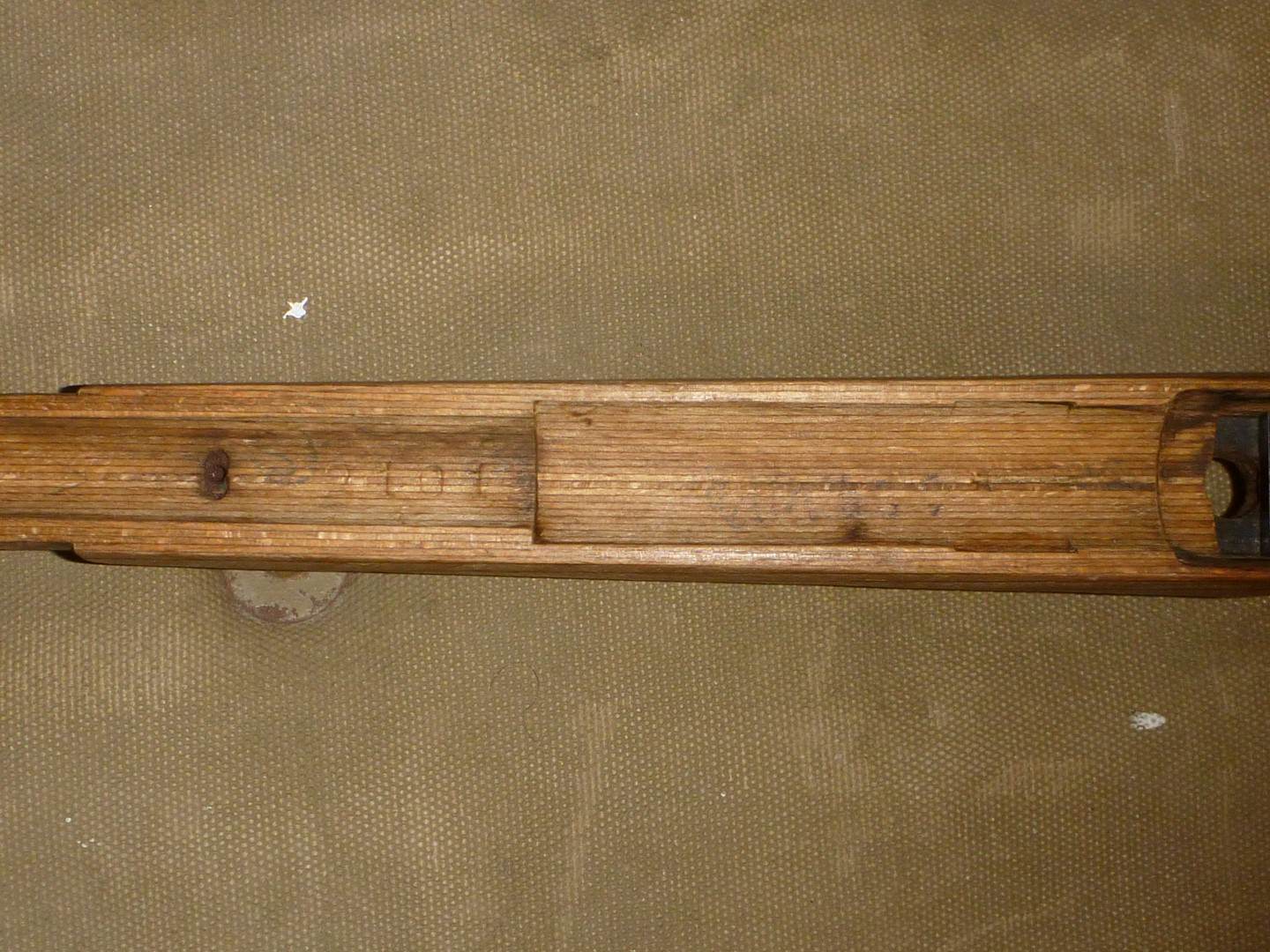
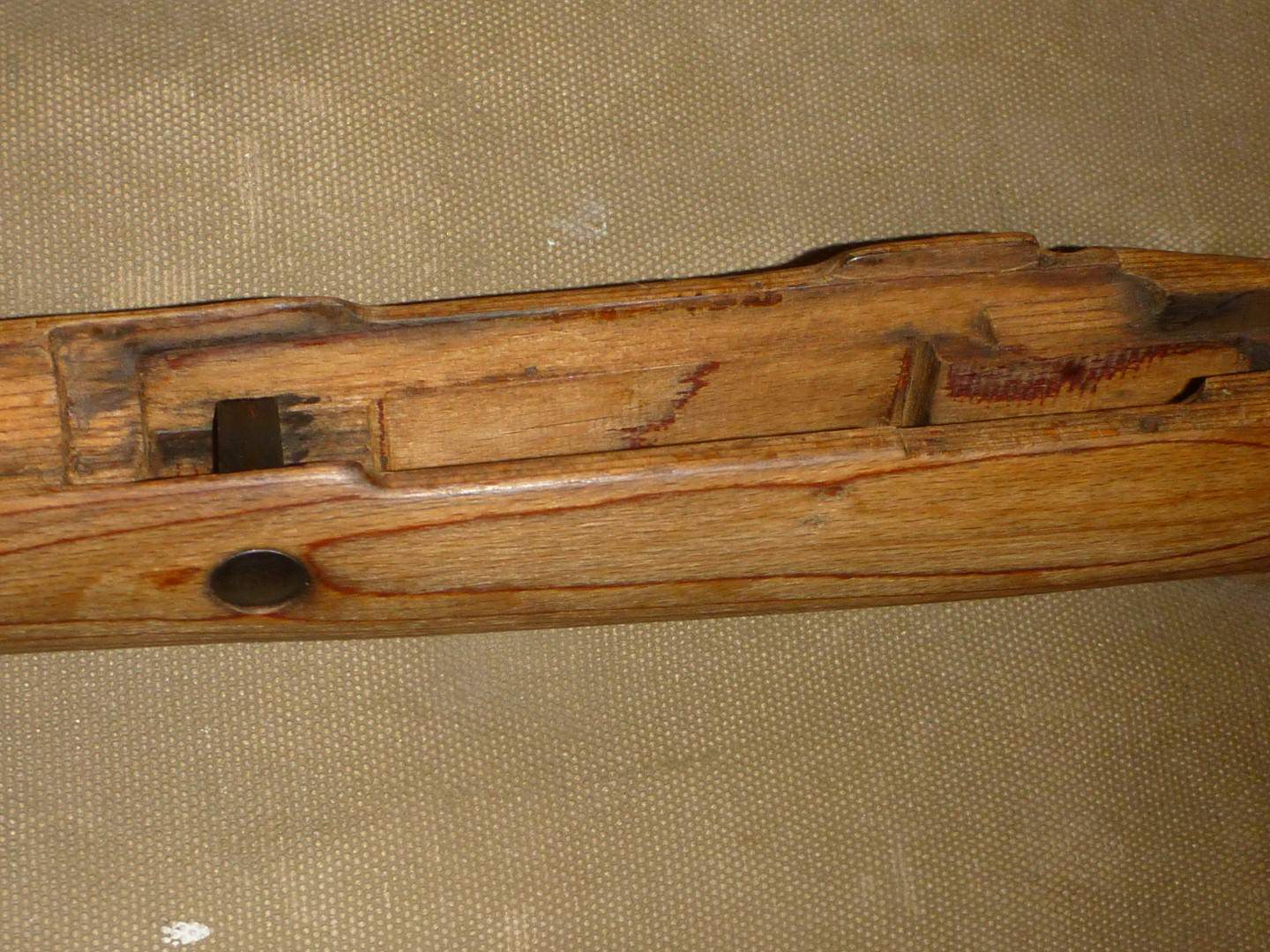
I recently bought a G.33/40, the stock has been lightly sanded and it feels a bit rough and unfinished... It looks nice, but there's no stain or finish on it of any kind.

During war time how were German rifle stocks finished? Both solid wood and laminate stock? I've heard stains or Boiled Linseed Oil?

My rifle is 1942 dated, would like to keep it as original as possible. Any input is greatly appreciated! :)
 
Silly question but before you add anything, are you SURE it’s been sanded? Lol not a rifle you want to make a mistake with!

BLO and Truoil both look nice on sanded stocks. They’re never going to be original again so whatever you like works.

i have some sanded shooter grade stuff that I use the old 50/50 raw linseed and turpentine mix, mostly because I like the matt finish.

pics?
 
3pmmX46.jpg

nX0PUOP.jpg

GFofDHy.jpg

yuQfDGW.jpg

m19Amri.jpg

QCJFCNs.jpg
 
Nice stock Rylan, if it were mine it would stay as is, should you pass it on to someone else they may wish to do it up themselves or after you find the rest of the hardware would be my opinion.

Missed that you bought the whole rifle.
 
Last edited:
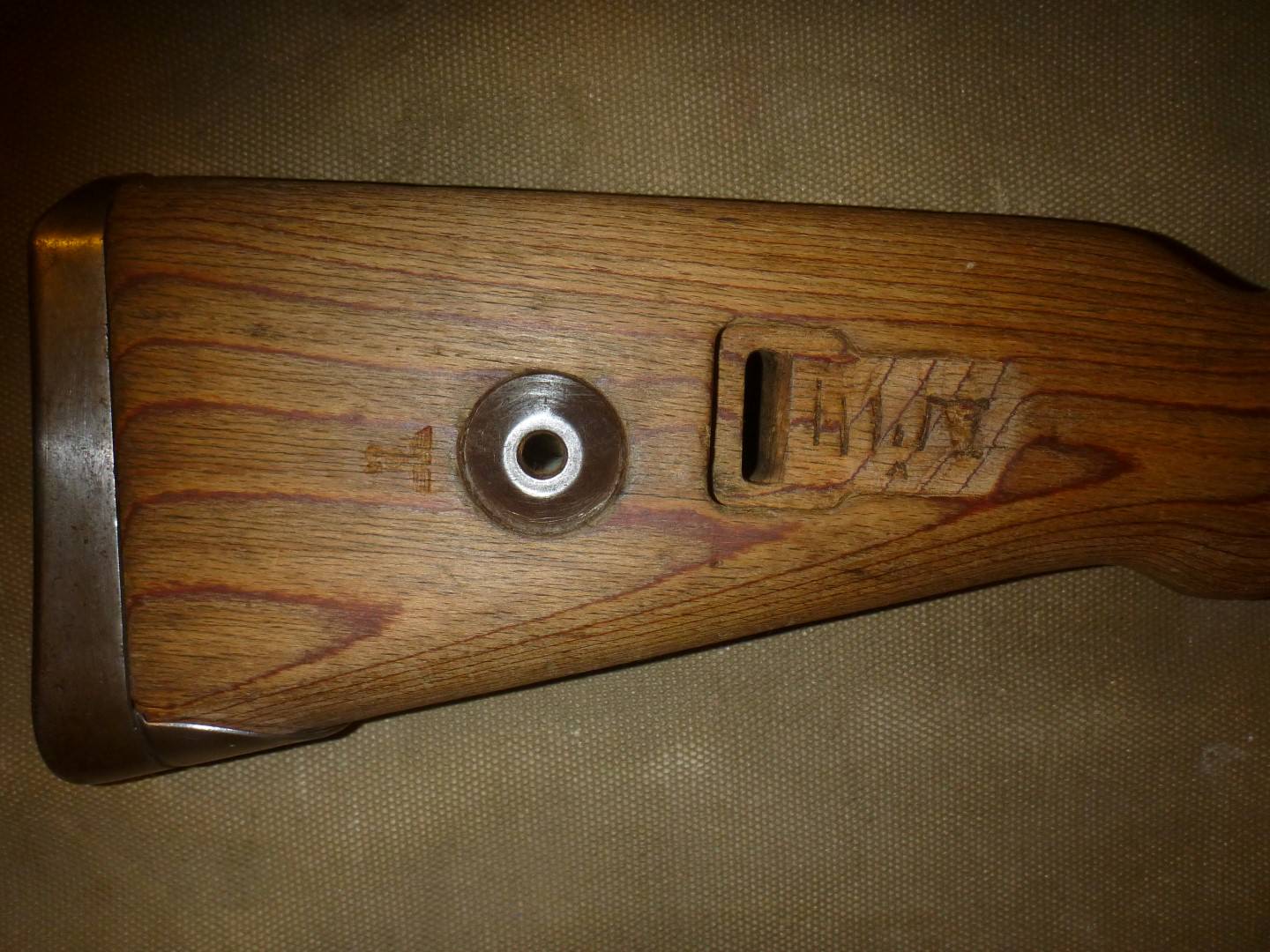
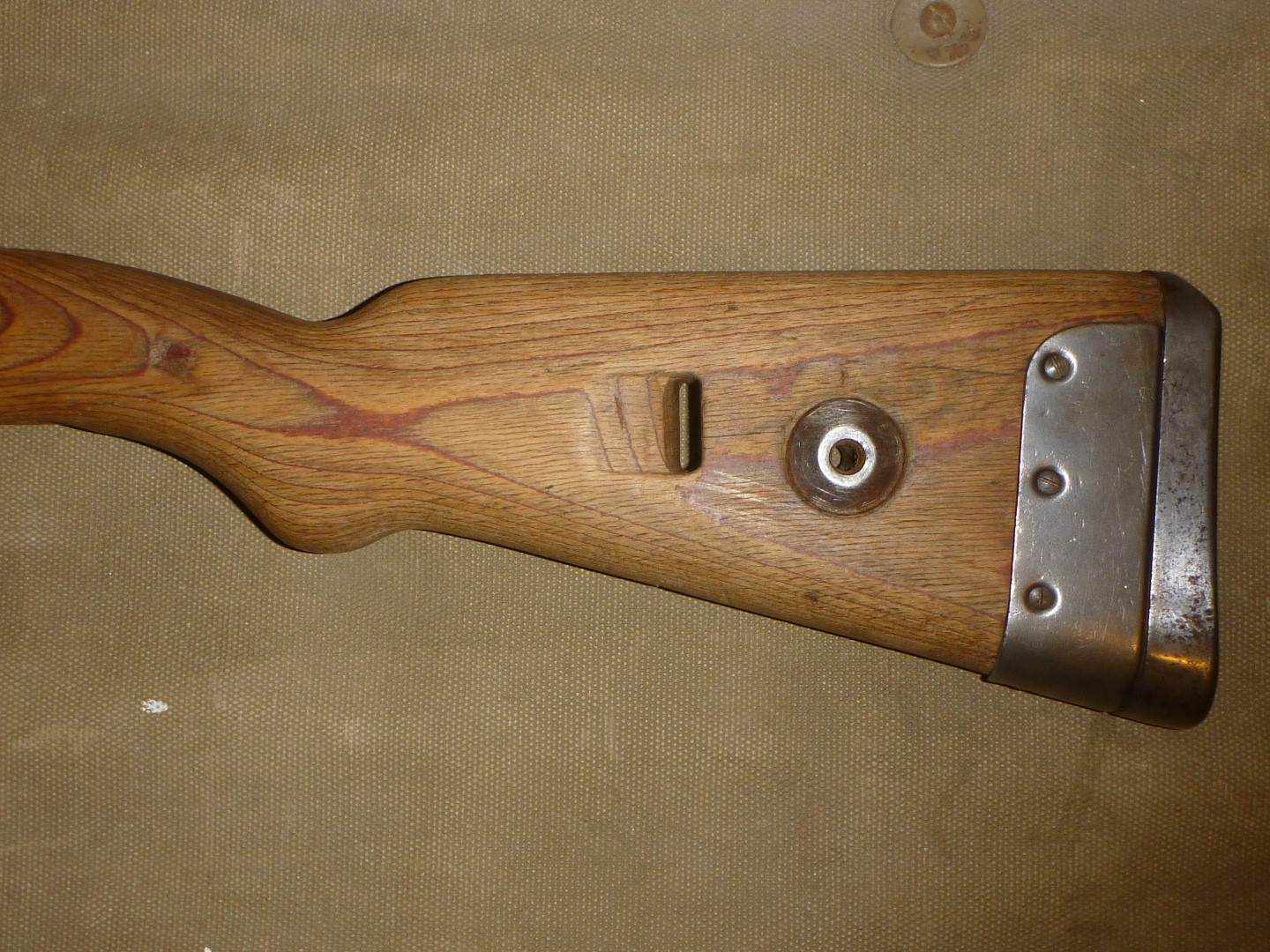
If it's been sanded, it was done very carefully. The only thing the person that did the job was sloppy with were the sharp edges on the fore end. The stock looks to have been issued from the wear on the sling slots but the stamps are sharp and clear.

Your rifle is an earlier date so likely it was coated with some sort of finish before it left the factory. Some of them had stain in the finish to darken them as well.

OP, you're treading on sacred ground when it comes to refinishing. Boiled Linseed Oil was not available when that rifle left the factory. It may have been coated with RAW Linseed Oil or Raw Linseed Oil with a bit of Varnish mixed in. This would leave a rather rough finish to the wood. BLO has drying agents in it and it looks similar when done.

IMHO, you should leave well enough alone. G33/40 rifles used to be favored because of their length and handiness for converting to sporters. There never were a lot of them and there are a lot less now. Anything you do to will likely devalue what you have, other than just enough Raw Linseed Oil to stop the stock from checking.

Some folks may suggest Ballistol. I don't believe any factory stocks were finished with that. Many late war rifles left the factory with unfinished stocks. I'm just scratching the surface here. There are some very knowledgeable folks that can tell you exactly what was needed.
 
Thank you for your input. I agree with you 100%, however I think I should mention the stock doesn't match the rest of the gun. So, I guess it's partly an ethical question lol. If the stock doesn't match anyways, is it really treading on sacred ground?
 
As headhunter said ,the Germans didn’t use blo . Sanding this stock would damage it .
Prewar German stocks were stained or dyed . Then had a beeswax finish applied. Wartime stocks were not finished at the factory .
The soldiers would use different techniques to darken and finish them . If you’re hell bent on messing with it . Your best bet is to get a beeswax wood finish from leevally tools and rub in one or two coats .couple weeks drying time between coats . NO SANDING Clapham’s beeswax finish for salad bowls .
 
Last edited:
nX0PUOP.jpg


Anyone have any decent guess as to what letters and which language the letters are?

Seems something like 4 or H, I, . π
89px-Hand_Written_7.svg.png


Does not look like Hebrew, Arabic or Russian Cyrillic.
 
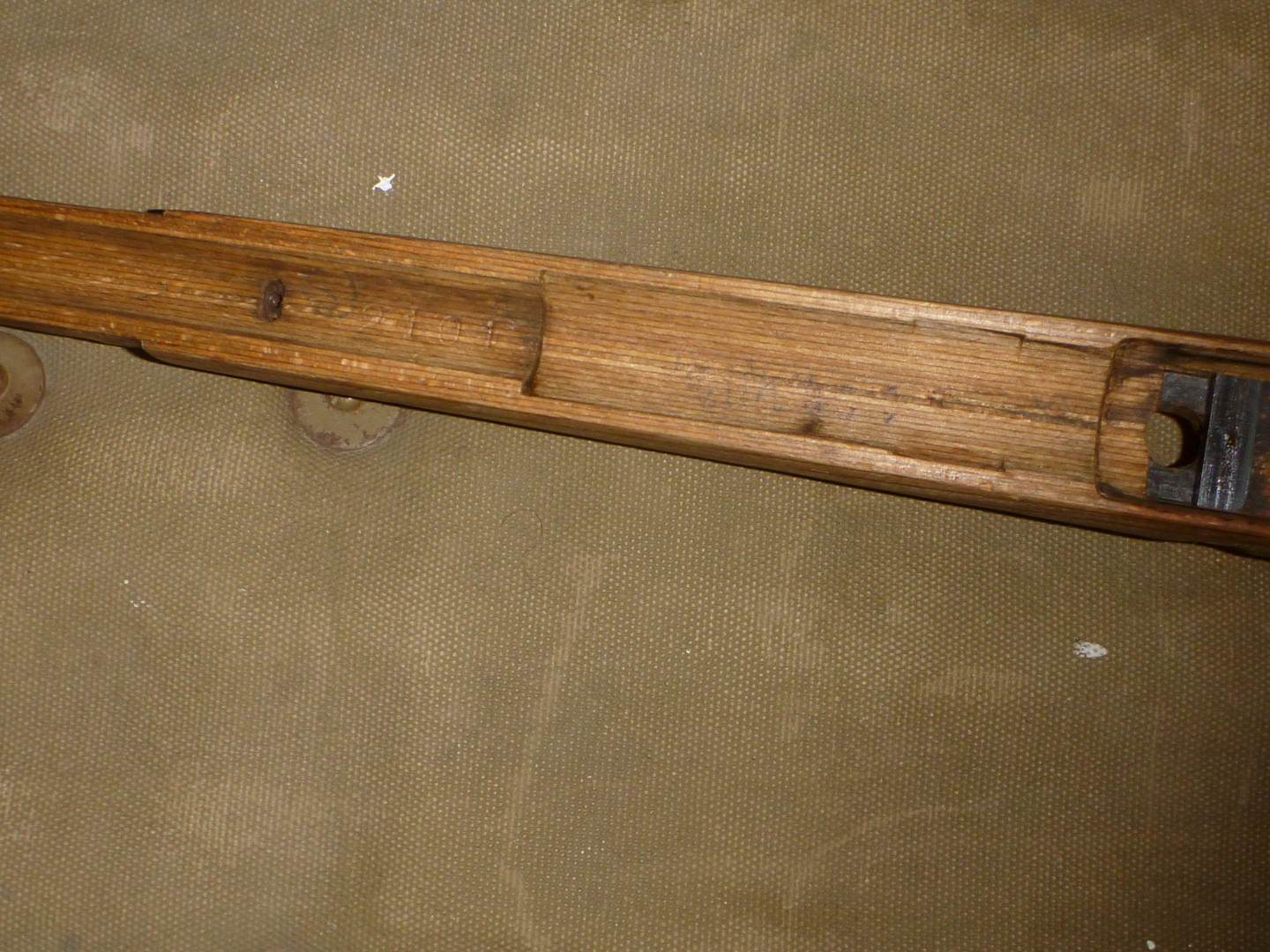
There should be more markings on the keel, can you post them?
Also post pics of the wood where the bands air.
And I’d like to see the bolt cut out and recoil lug areas as well.
Before I could say for sure.

But seeing as it doesn’t match.....either way won’t really affect value.
 
If you want it as original as possible the do as little as it takes to make it safe or ready to display. Even if its non matching, you are still taking it further away from its factory state. I've got a Yugo that the stock was OK but worse than what your pics look to be and I left it because it was matching. I had one that was somewhat worse that and non matching .. a light sanding and some oil made it more attractive to hold and shoot with because it was too far gone to be of value.

Another consideration is just to clean an old stock (again not one as nice as yours) with a good furniture cleaner (oil soap?). try a small test area first and you might take away some dirt - but like an old coin, the value is often in the patina. (After cleaning up a mostly shooter grade rifle with lemon oil, my daughter picked it up and as only she could do, said "I just love the smell of these old rifles ").
 
My main reason for wanting to add an oil to the stock is the rough slightly dry feel I get. I suspect the areas of light checking are because of a low moisture %. I try not to mess with my collectibles unless conservation is a factor. I agree BLO isn't the right choice, but raw linseed oil or something else might add some life to the stock? I think?


There should be more markings on the keel, can you post them?
Also post pics of the wood where the bands air.
And I’d like to see the bolt cut out and recoil lug areas as well.
Before I could say for sure.

But seeing as it doesn’t match.....either way won’t really affect value.

That was my thinking as well. Bolt, receiver and barrel all match but the wood, no... I will add those photos tomorrow, but sorry, keel or heel?? Not sure what you mean.
 
My main reason for wanting to add an oil to the stock is the rough slightly dry feel I get. I suspect the areas of light checking are because of a low moisture %. I try not to mess with my collectibles unless conservation is a factor. I agree BLO isn't the right choice, but raw linseed oil or something else might add some life to the stock? I think?


That was my thinking as well. Bolt, receiver and barrel all match but the wood, no... I will add those photos tomorrow, but sorry, keel or heel?? Not sure what you mean.


There are all sorts of reasons that stock might not match. It could have been done by an armorer or even a troopie in the field to keep it functioning when its original stock was damaged. Likely that is wishful thinking and the stock was put on later in an attempt to make it look original, after being cut down as a sporter. Do the bands match??? Finding an orphan stock for a G33/40 is a feat in itself.

If you must make the stock smoother, put on some gloves and rub in Raw Linseed Oil. RLO is toxic so be careful. Rub it in aggressively and it will smooth out most of the roughness. USE in the field will take care of the rest.
 
Nice stock, all I could find were Russian captures and bought one at Last years Calgary Easter show. Even if I refinished it, still would not even come close to your beauty.
 
Last edited:
The keel is the bottom edge of the buttstock. There should be some acceptance marks there.

Actually G33/40 stocks are quite common. They come up for sale on a regular basis. The actions were highly desired for light weight custom hunting rifles back in the day so a lot of loose stock sets are floating around. Mostly in the US but it's easy to import a stock set.

Sounds like a nice stock m/m rifle OP. I wouldn't mind seeing more of it.
 
Also as Norway scrapped their stockpile, stocks have been widely available.

Bands aren’t numbered on these. It’s really only stock and HG, receiver, barrel and one number on the bolt handle. Quite the opposite of their german rifles at the time.
 
If you must make the stock smoother, put on some gloves and rub in Raw Linseed Oil. RLO is toxic so be careful. Rub it in aggressively and it will smooth out most of the roughness. USE in the field will take care of the rest.

What? No it's not... Linseed is flax seed oil. Not only is raw linseed oil non toxic, it's edible. Not only is it edible, it's an excellent source of omega 3.
 
Back
Top Bottom