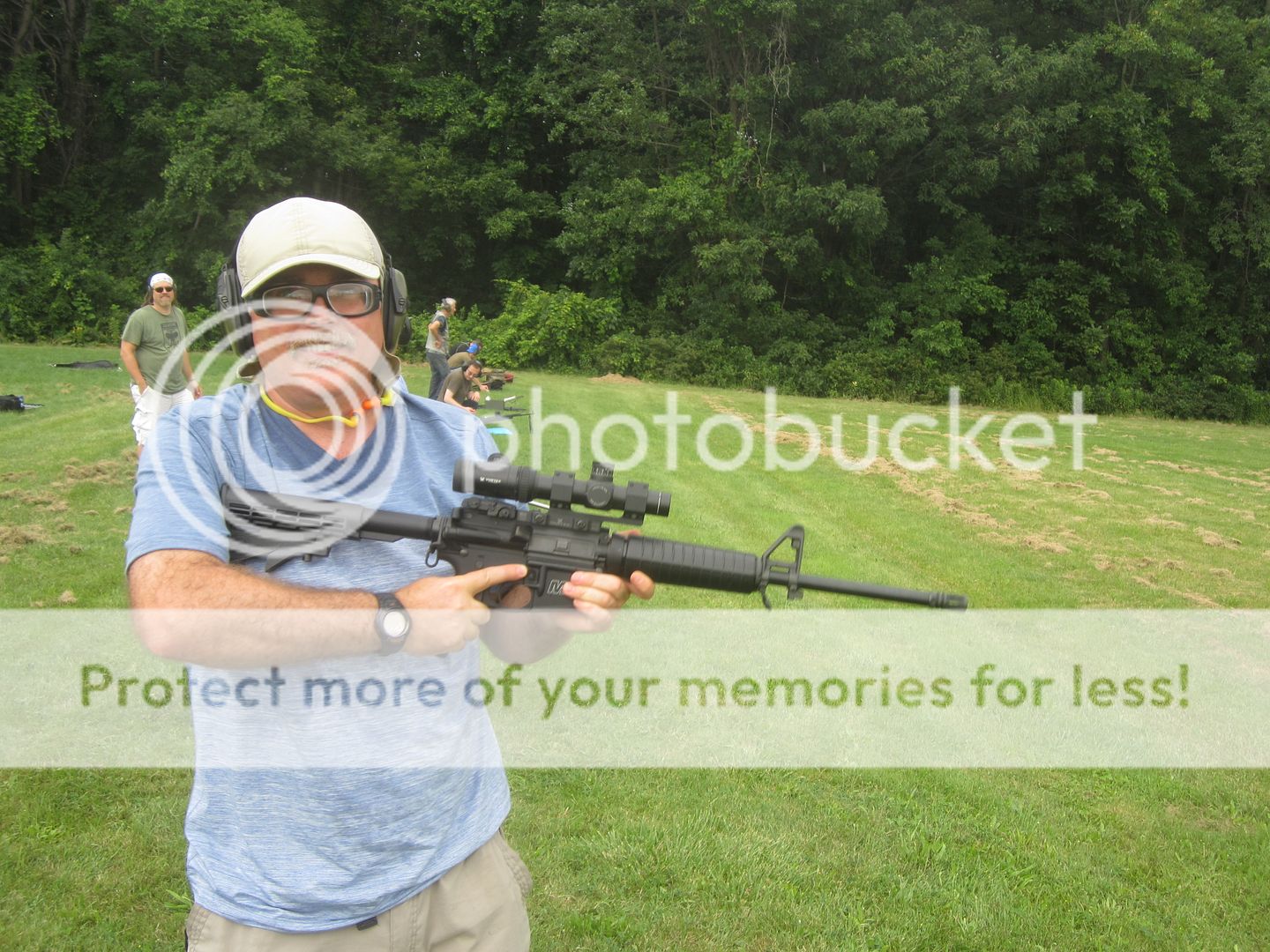
Sporting Rifle Fun Shoot
Winona Sunday 16 July
Note: We tried 3 shooters per target last time. It did not work well. So we will register 2 shooters per target (One shoots while the other marks) E mail me to register.
ORA members $20 non-members $60
Sighting and Aiming Considerations
The object of this exercise is for the ORA to organize a shooting day for rifle owners in Southern Ontario who would like to spend a day at the range and do some real shooting. By “real shooting” I mean a course of fire taken from the Service Rifle competition. This is a selection of shooting exercises designed to see how a rifle/shooter perform in a variety of realistic shooting situations. If you hunt, you will see that each of the shoots is a good training exercise for the real word of hunting.
None of the shoots is particularly difficult. That is, even if you have never fired a rifle before in your life, you will get some hits in every shoot. On the other hand, I don’t expect anyone (including me) to shoot a perfect score.
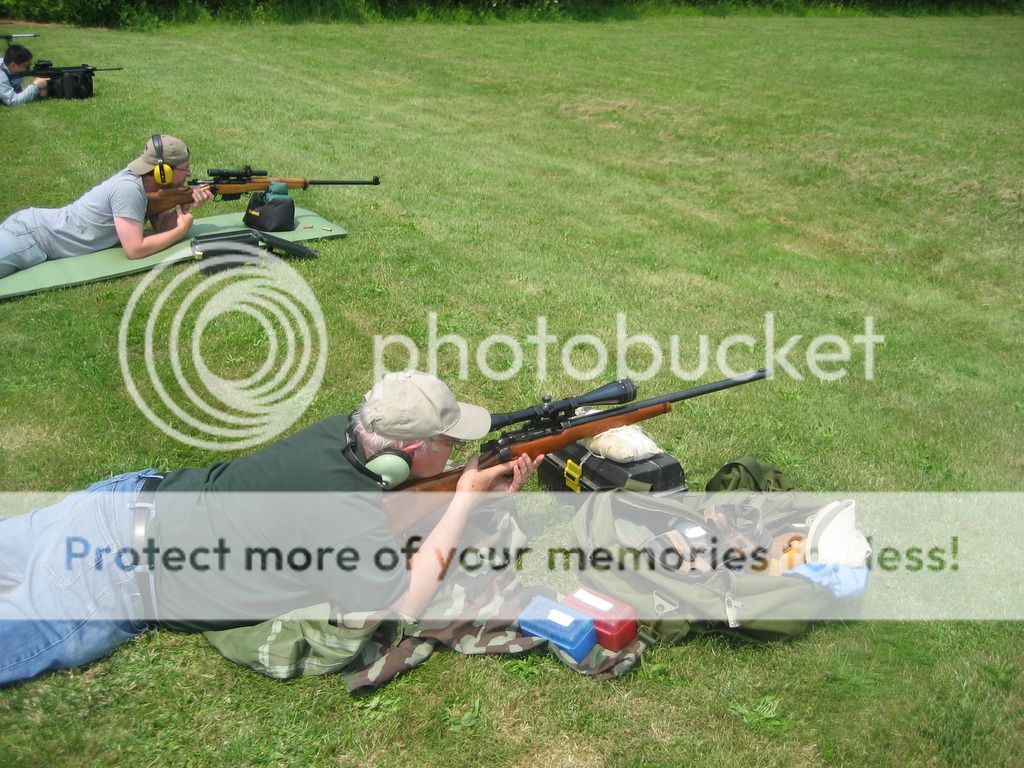
I have concluded that shooting skill is more important than the rifle. Any rifle will work. Prone shooting at 200 & 300 yards allows you to rest the back of your forward hand on your kit bag or ammo box. 100 is shot standing.
Targets
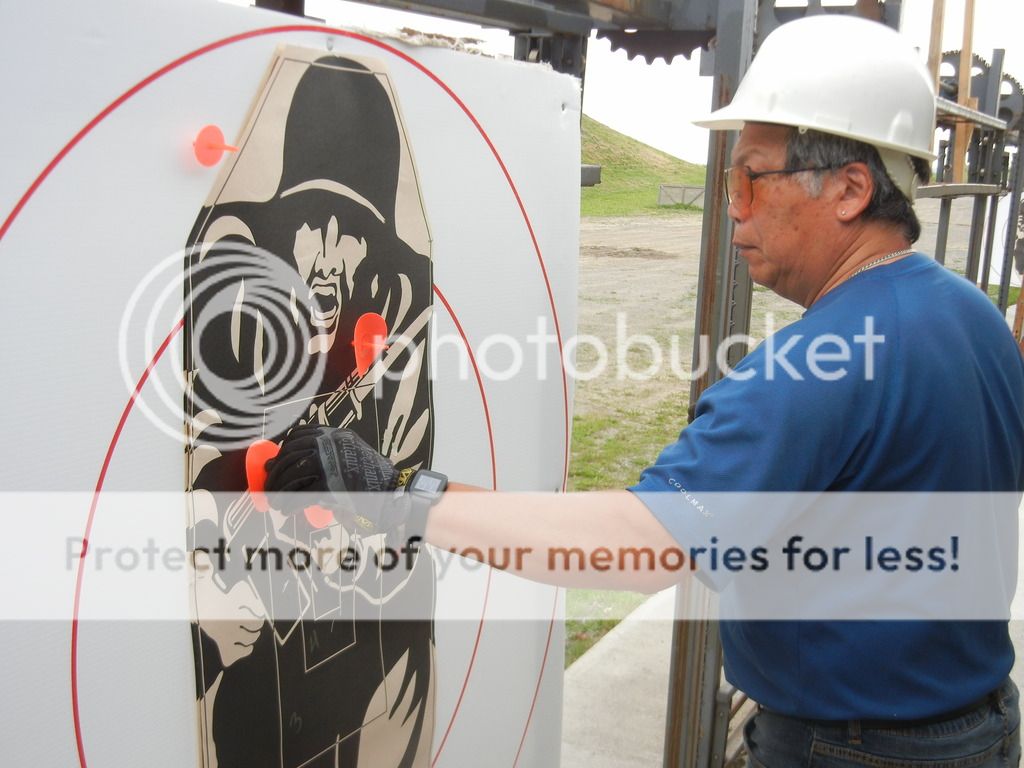
We shoot at the military figure targets. For all shooting we shoot at the Figure 11 (Charging Hun) target.
The target is scored 5, 4, 3 or 2 points. The bull is a playing card sized and worth 5 points. At various distances we sometimes aim higher or lower on the target (depending on what kind of sights we have).
Other than a 44 Magnum, any hunting rifle will do well in this shoot. If you have some hunting experience, you will do well on the 3 second exposure snap targets. Let’s say you are shooting a 30-30 lever action with the factory iron sights.
Your best approach is to zero so the rifle is on at 100 yards (we start with 100 yards zeroing) and then aim about 8” high at 100 and 12” high at 200 yards.
Procedures
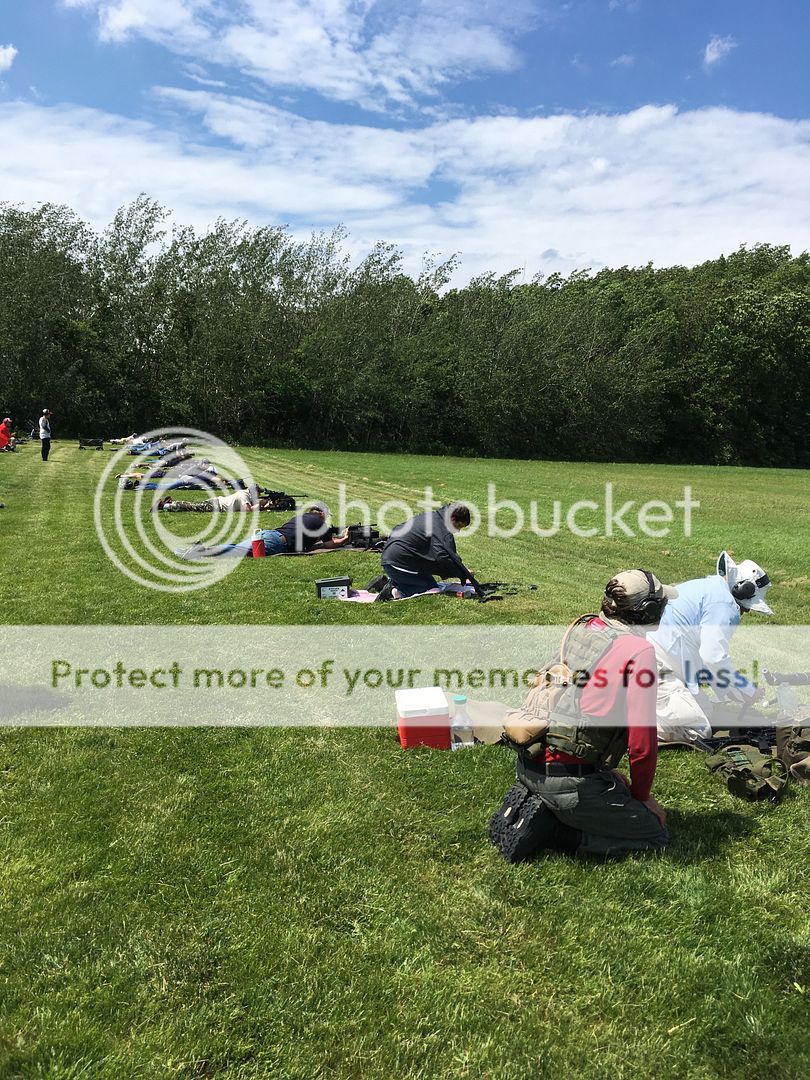
We shoot in relays. When you shoot, someone else is marking your targets in the butt. Then you trade places so he can shoot.
We will assign 2 shooters per target. At each distance we shoot 3 different shoots. 10 shots each. The “Mover” also gets a sighting shot in each direction, so you get a feel for how much lead to give the target. (No lead at 100. 6” at 200 and 12” at 300.)
To start each distance, we get 10 minutes of zeroing. I tell my marker that I will fire 3 sighters at a time. After 3 shots he pulls the target and puts in 3 spotters, so I can see where I hit and make a sight adjustment.
After the sighting exercise the range Officer will announce the start of the Deliberate shoot. 10 shots on score and you have up to 10 minutes. Generally the entire line is done after about 6 minutes. During the Deliberate shoot the target is left up, so you have no idea where you are hitting it. After the shoot, the marker in the butts will put a red spotter in the center of your group and show it to you. If the group is off-center, you can make an adjustment before you shoot the Snap.
There are no sighters before the Snap shoot. You will see your target up 10 times for about 4 seconds per exposure. About 7 seconds between exposures, so you can put 10 rounds in your shirt pocket and just load 1 round for each exposure, if you like. The target will appear in the same place each time, and you can reload and then get in the aim, waiting for the target to pop up. Easy peasy.
The last shoot is the Mover. The target will pop up and “walk” about 20 feet, right across the centre of your lane. Aim at the same place you did for the Snap and wait for the target to come to you. This is the “ambush” technique. You will get one practice shot in each direction.
The target is about 48” tall and 18” wide, so you can’t miss at 100 yards. Good thing, because you shoot 100 yards from the standing position. But you can do your zeroing and sight adjusting from the prone.
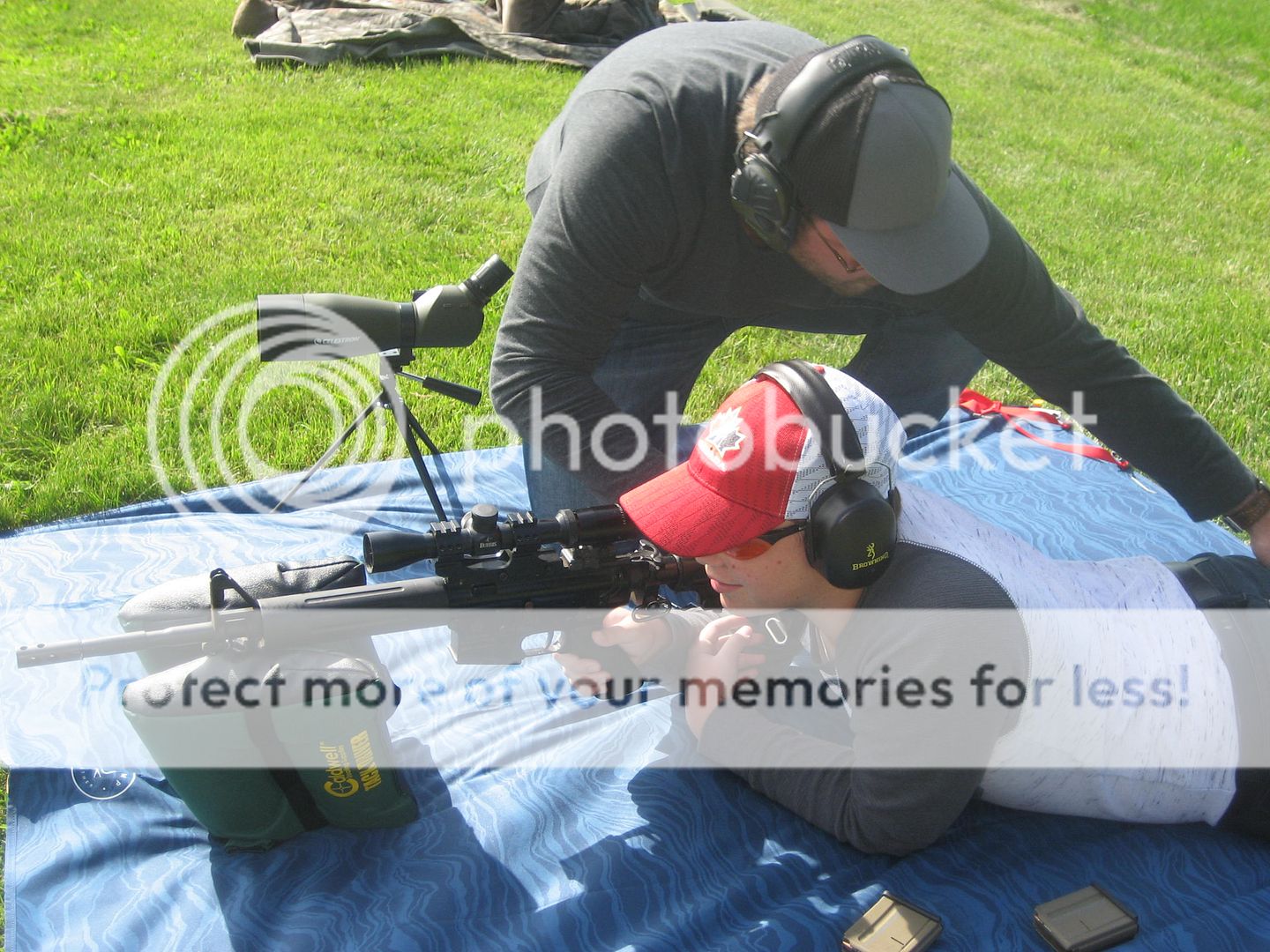
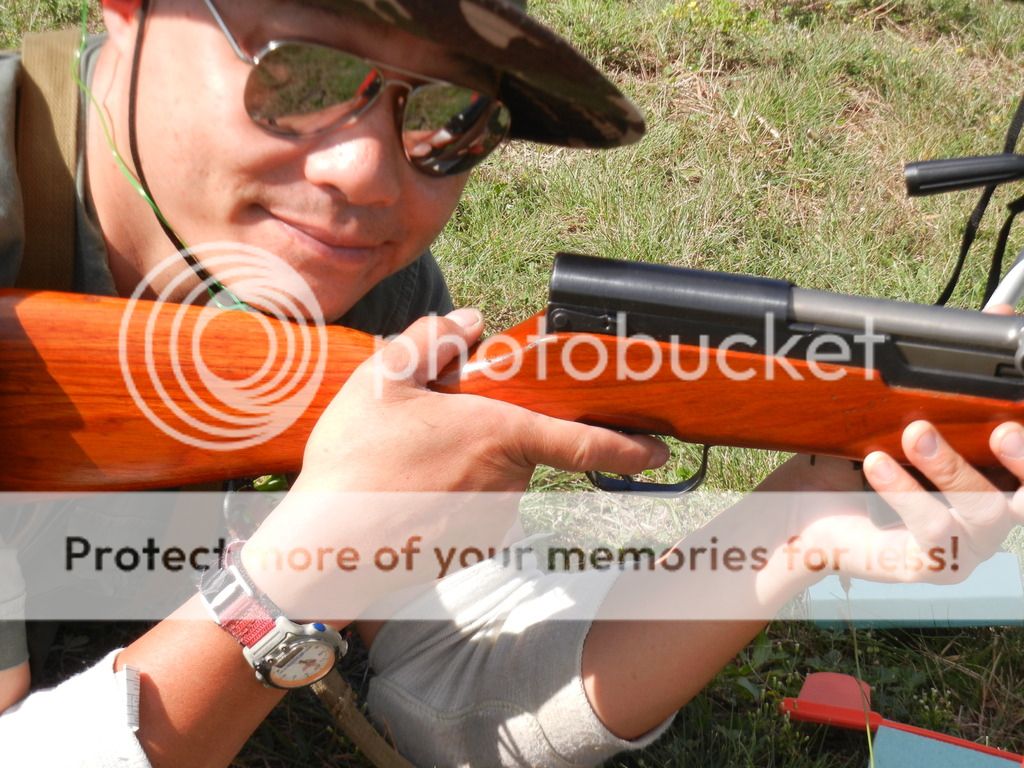
If you are a newbie at shooting, or bring a junior, shoot the entire shoot prone. This is more fun for a beginner and much safer for the rest of us.
After you have shot all 3 of your 100 yards shoots you will take your gear back to 200 yards and then trade places with the target marker in the butts. You will mark the 100 yard shoot and stay there and mark 200 yards, too. Then you shoot 200 and move back to shoot 300 yards, too.
If all this sounds complicated, it isn’t. It all happens slowly and the Range Officer will be explaining what to do, each step of the way.
Bring the essentials (Rifle, ammo – 45 rounds per distance, eye and ear protection and a pen). You need a pen to keep score in the butts.
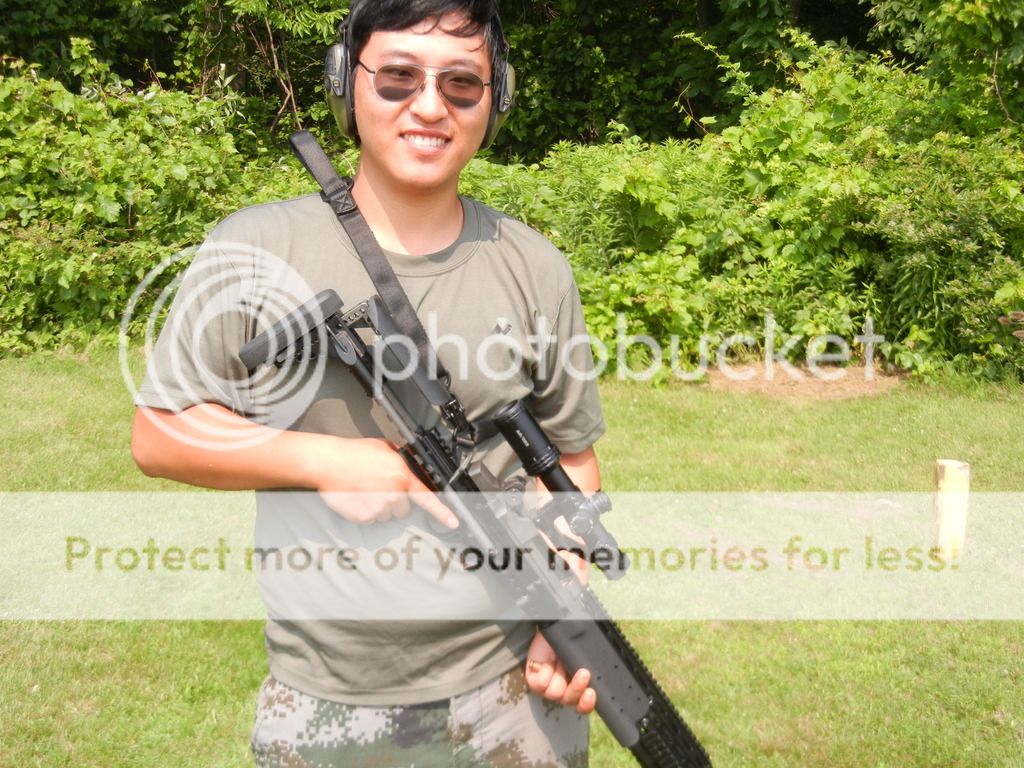
PM me if you want to shoot. We start at 7:30 and hope to be done around 3:00
I need your name, email address and rifle caliber.
Winona Sunday 16 July
Note: We tried 3 shooters per target last time. It did not work well. So we will register 2 shooters per target (One shoots while the other marks) E mail me to register.
ORA members $20 non-members $60
Sighting and Aiming Considerations
The object of this exercise is for the ORA to organize a shooting day for rifle owners in Southern Ontario who would like to spend a day at the range and do some real shooting. By “real shooting” I mean a course of fire taken from the Service Rifle competition. This is a selection of shooting exercises designed to see how a rifle/shooter perform in a variety of realistic shooting situations. If you hunt, you will see that each of the shoots is a good training exercise for the real word of hunting.
None of the shoots is particularly difficult. That is, even if you have never fired a rifle before in your life, you will get some hits in every shoot. On the other hand, I don’t expect anyone (including me) to shoot a perfect score.
I have concluded that shooting skill is more important than the rifle. Any rifle will work. Prone shooting at 200 & 300 yards allows you to rest the back of your forward hand on your kit bag or ammo box. 100 is shot standing.
Targets
We shoot at the military figure targets. For all shooting we shoot at the Figure 11 (Charging Hun) target.
The target is scored 5, 4, 3 or 2 points. The bull is a playing card sized and worth 5 points. At various distances we sometimes aim higher or lower on the target (depending on what kind of sights we have).
Other than a 44 Magnum, any hunting rifle will do well in this shoot. If you have some hunting experience, you will do well on the 3 second exposure snap targets. Let’s say you are shooting a 30-30 lever action with the factory iron sights.
Your best approach is to zero so the rifle is on at 100 yards (we start with 100 yards zeroing) and then aim about 8” high at 100 and 12” high at 200 yards.
Procedures
We shoot in relays. When you shoot, someone else is marking your targets in the butt. Then you trade places so he can shoot.
We will assign 2 shooters per target. At each distance we shoot 3 different shoots. 10 shots each. The “Mover” also gets a sighting shot in each direction, so you get a feel for how much lead to give the target. (No lead at 100. 6” at 200 and 12” at 300.)
To start each distance, we get 10 minutes of zeroing. I tell my marker that I will fire 3 sighters at a time. After 3 shots he pulls the target and puts in 3 spotters, so I can see where I hit and make a sight adjustment.
After the sighting exercise the range Officer will announce the start of the Deliberate shoot. 10 shots on score and you have up to 10 minutes. Generally the entire line is done after about 6 minutes. During the Deliberate shoot the target is left up, so you have no idea where you are hitting it. After the shoot, the marker in the butts will put a red spotter in the center of your group and show it to you. If the group is off-center, you can make an adjustment before you shoot the Snap.
There are no sighters before the Snap shoot. You will see your target up 10 times for about 4 seconds per exposure. About 7 seconds between exposures, so you can put 10 rounds in your shirt pocket and just load 1 round for each exposure, if you like. The target will appear in the same place each time, and you can reload and then get in the aim, waiting for the target to pop up. Easy peasy.
The last shoot is the Mover. The target will pop up and “walk” about 20 feet, right across the centre of your lane. Aim at the same place you did for the Snap and wait for the target to come to you. This is the “ambush” technique. You will get one practice shot in each direction.
The target is about 48” tall and 18” wide, so you can’t miss at 100 yards. Good thing, because you shoot 100 yards from the standing position. But you can do your zeroing and sight adjusting from the prone.
If you are a newbie at shooting, or bring a junior, shoot the entire shoot prone. This is more fun for a beginner and much safer for the rest of us.
After you have shot all 3 of your 100 yards shoots you will take your gear back to 200 yards and then trade places with the target marker in the butts. You will mark the 100 yard shoot and stay there and mark 200 yards, too. Then you shoot 200 and move back to shoot 300 yards, too.
If all this sounds complicated, it isn’t. It all happens slowly and the Range Officer will be explaining what to do, each step of the way.
Bring the essentials (Rifle, ammo – 45 rounds per distance, eye and ear protection and a pen). You need a pen to keep score in the butts.
PM me if you want to shoot. We start at 7:30 and hope to be done around 3:00
I need your name, email address and rifle caliber.