






























I've always found WWI to be a fascinating bit of history. It wasn't till this year that I really started reading about the Canadian involvement. I've sifted through a small mountain of material and have surfaced with a great understanding (if not outright admiration) of what was accomplished "over there." It's easy to get into arguments about better or worse when it comes to equipment and tactics, but I think we all have a certain interest in the work done by those men that could have easily been any one of us.
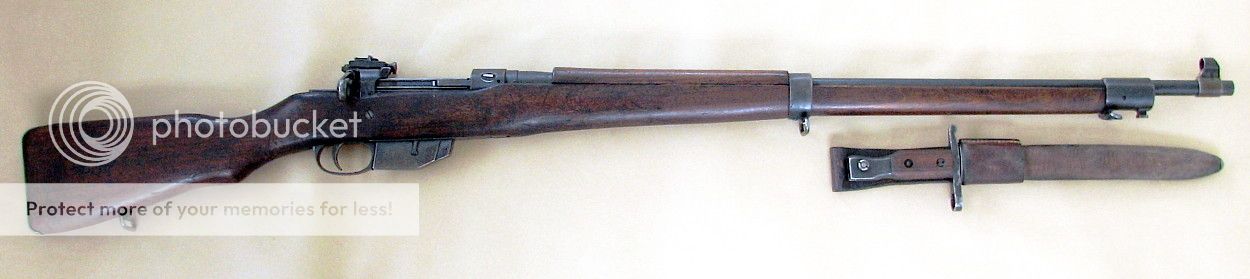
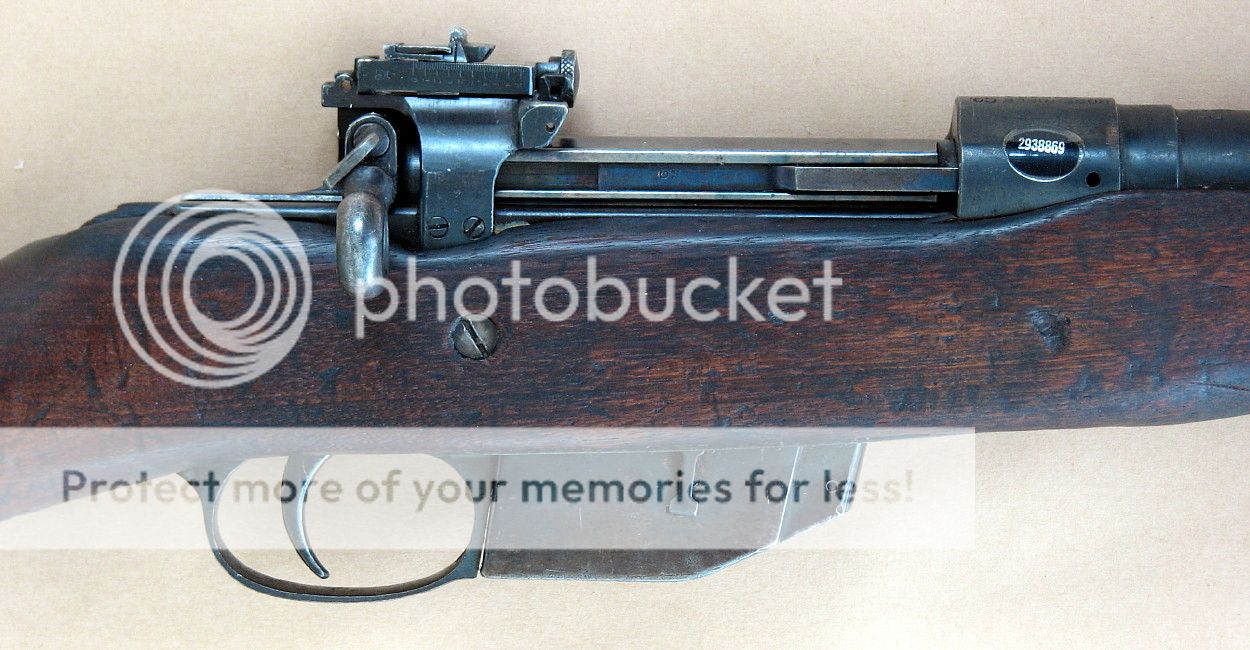
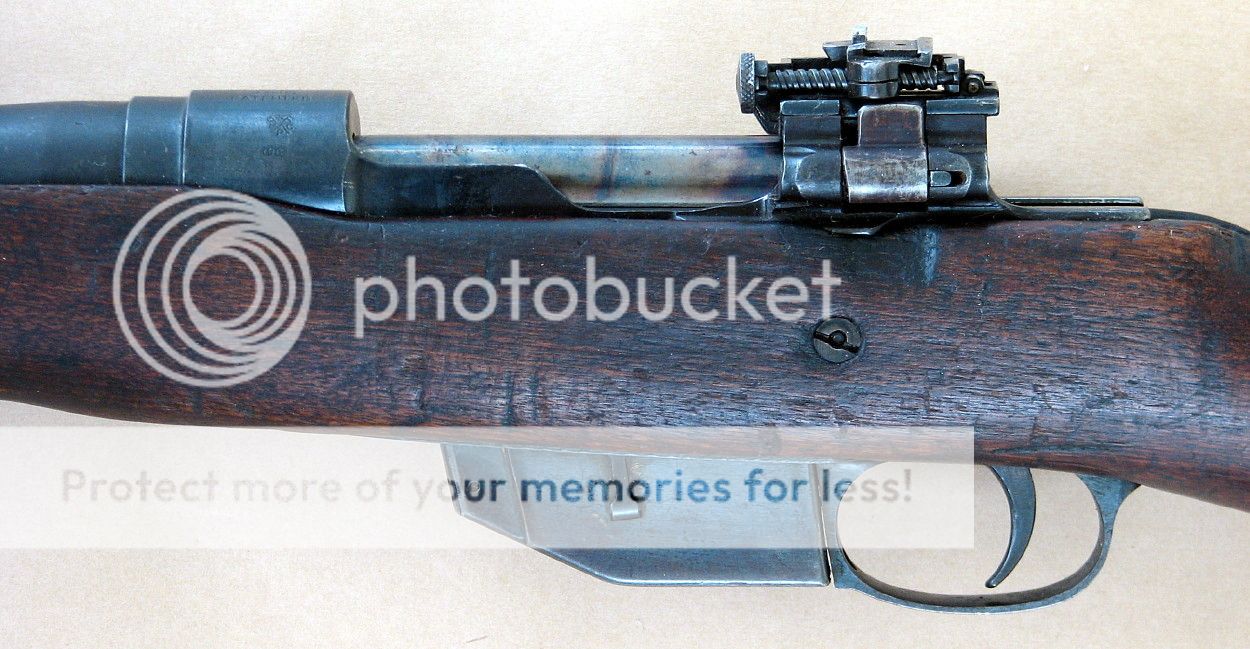
One of the most grim aspects of the entire Canadian contribution was indeed the Ross rifle. As I understand it, it is a match-grade rifle completely unsuited to the kinds of conditions faced by the infantry. Wartime .303 ammunition was also manufactured at wide tolerances, according to my reading. So when the average Canadian (where I always place myself when trying to understand history) stood on the fire step or went over the top, he had to contend with a rifle that could jam at any moment. If it did jam in no man's land, he'd be left with his bayonet and his wits. I don't blame them for throwing them away in favour of their fallen neighbour's Lee Enfield. I personally believe it was this determination to fight on that transformed the Canadian Expeditionary Force into one of the most feared shock forces on the Western front.
Further I would postulate that our national identity was forged in these trenches. Our reputation for modesty and peacefulness was a direct rejection of the extreme patriotism that caused those men and boys to willingly and quickly enlist.
The Ross stands as a reminder of the foolishness of youth, but also a willingness to learn, adapt, and improve.
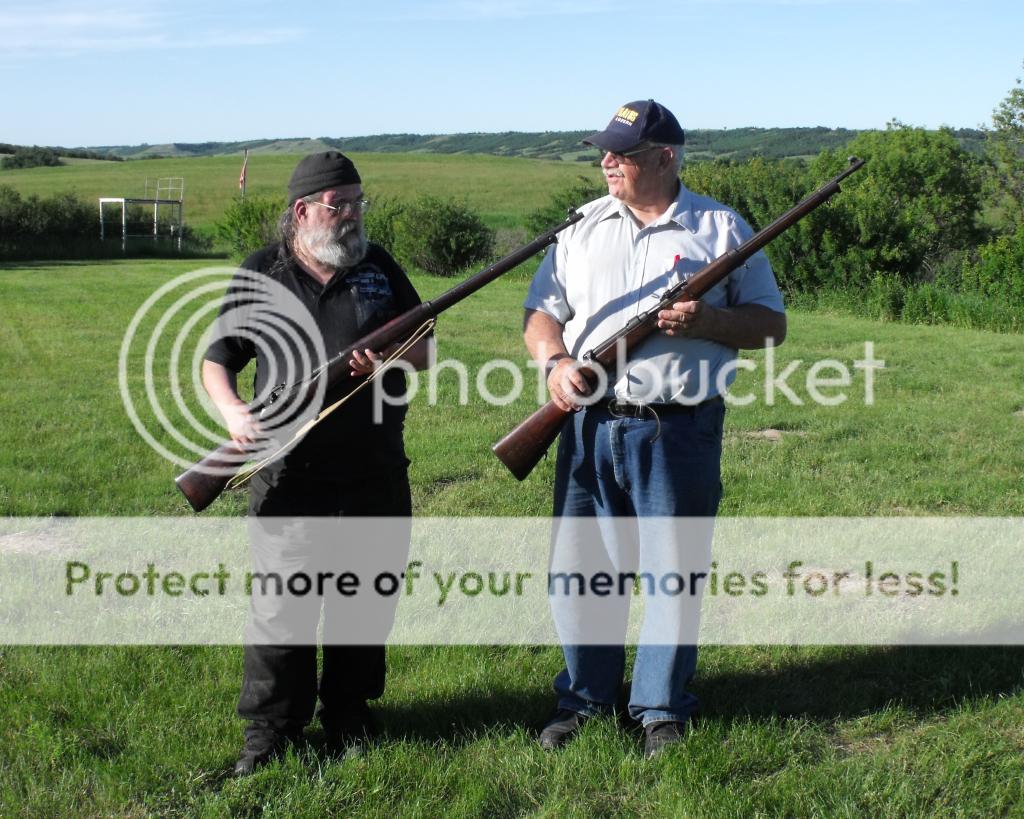
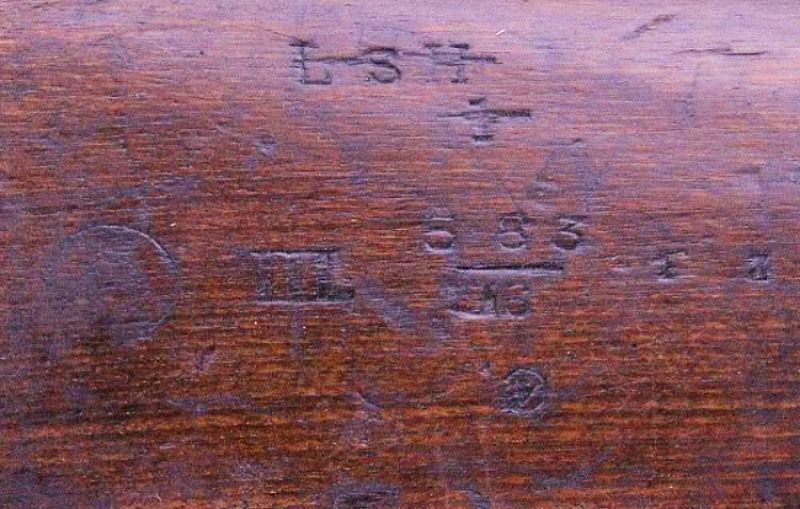
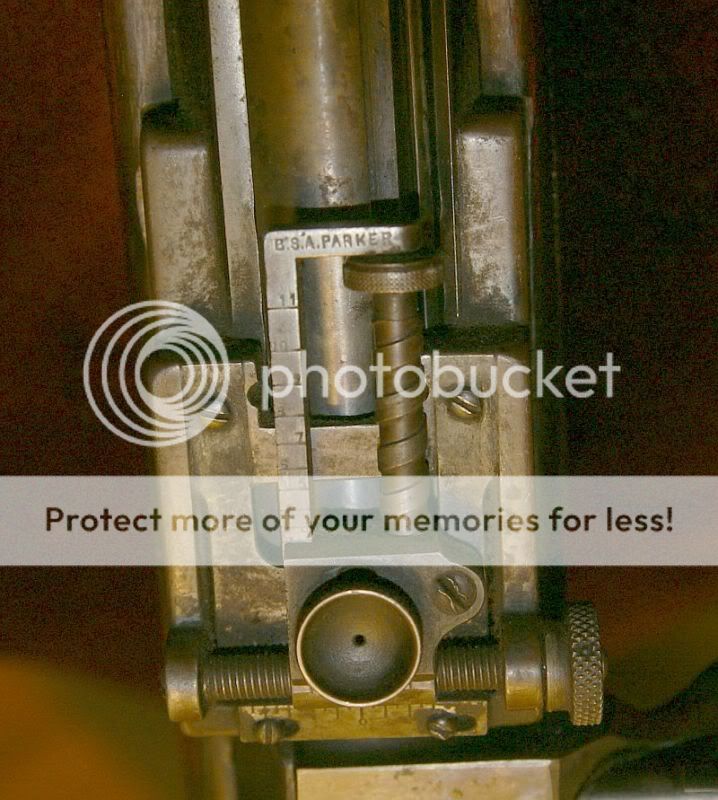
I'd like to see your Rosses, both restored and in the middle of being restored so I can get an idea of what I need to look for when I buy mine.
One of the most grim aspects of the entire Canadian contribution was indeed the Ross rifle. As I understand it, it is a match-grade rifle completely unsuited to the kinds of conditions faced by the infantry. Wartime .303 ammunition was also manufactured at wide tolerances, according to my reading. So when the average Canadian (where I always place myself when trying to understand history) stood on the fire step or went over the top, he had to contend with a rifle that could jam at any moment. If it did jam in no man's land, he'd be left with his bayonet and his wits. I don't blame them for throwing them away in favour of their fallen neighbour's Lee Enfield. I personally believe it was this determination to fight on that transformed the Canadian Expeditionary Force into one of the most feared shock forces on the Western front.
Further I would postulate that our national identity was forged in these trenches. Our reputation for modesty and peacefulness was a direct rejection of the extreme patriotism that caused those men and boys to willingly and quickly enlist.
The Ross stands as a reminder of the foolishness of youth, but also a willingness to learn, adapt, and improve.
I'd like to see your Rosses, both restored and in the middle of being restored so I can get an idea of what I need to look for when I buy mine.
Last edited: