I volunteer with a smalll regional museum in Ontario.
We recently had an open house where I was approached by another member.
He had 'an old gun' and was aware that I liked old guns. Did I want it? He had it under his work bench for 30 years and decided he didn't like guns, whereupon he hauled out a hefty package wrapped in garbage bags.
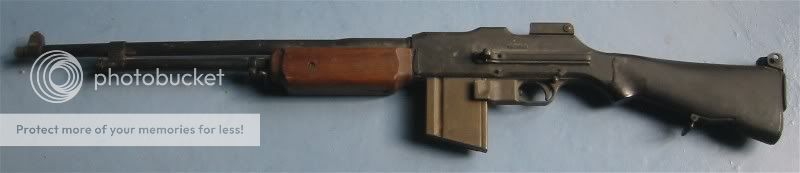
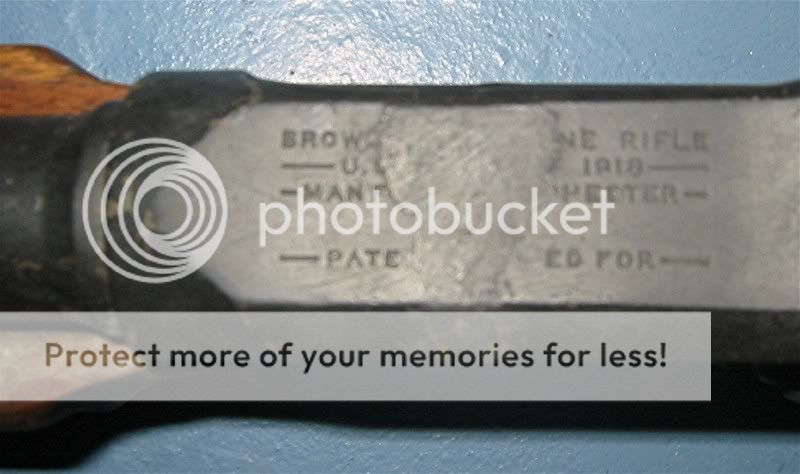
I started unwrapping and the first thing I saw was a pretty big magazine followed by a pretty hefty receiver. Obviously military I think to myself, pull back the plastic and there is a beat to heck M1918 BAR!
I dropped the magazine (a bit heart in mouth due to its weight) and its full of rounds. Trying to clear the action, nothing moves so is it a) rust; b) locked up/safe or c) welded.
Mind you, I need reading glasses, its low-light and this is the first BAR I've seen since Kirby lugged one through France on Combat in the '60's.
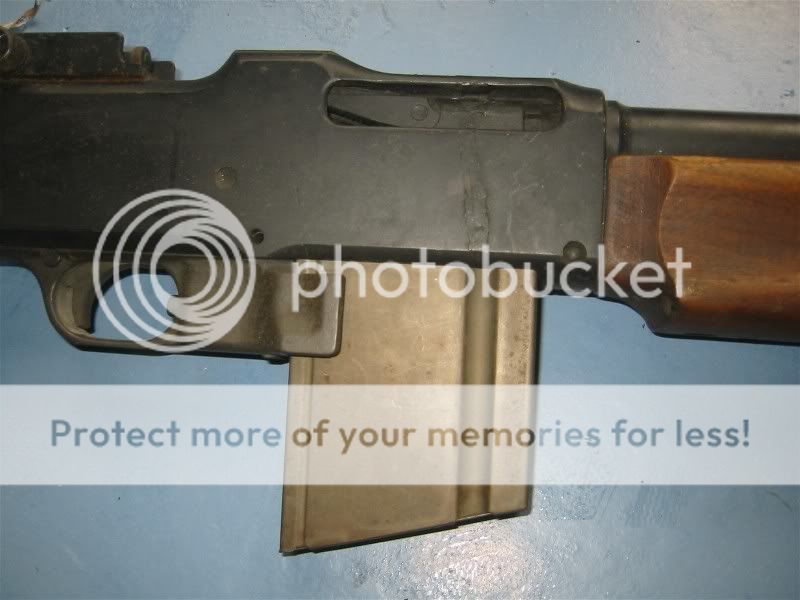
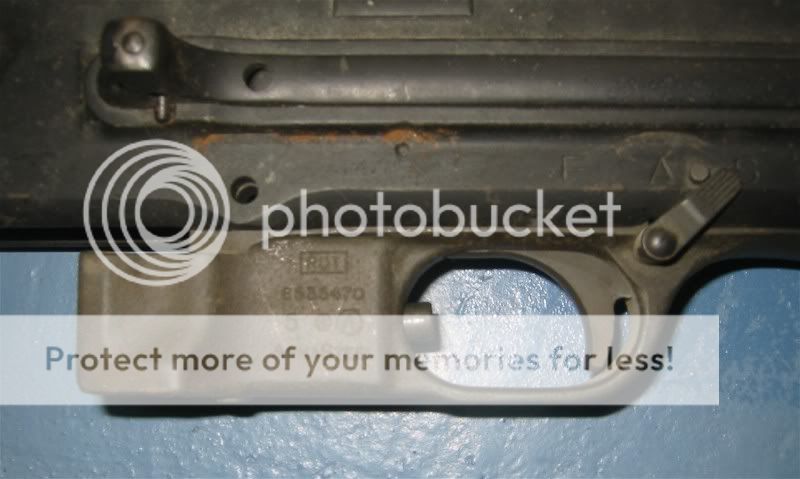
With better optics I determined that it was welded solid (except the mag release), missing some bits and pretty ratty.
Here's the question: he doesn't want it, there are no de-ac papers. What options do I have to take it away short of doing a current de-activation (the barrel is clear and the mag needs pinning)?
If there is any interest, I will post a couple of photos later.
Regards,
Maxim08
We recently had an open house where I was approached by another member.
He had 'an old gun' and was aware that I liked old guns. Did I want it? He had it under his work bench for 30 years and decided he didn't like guns, whereupon he hauled out a hefty package wrapped in garbage bags.
I started unwrapping and the first thing I saw was a pretty big magazine followed by a pretty hefty receiver. Obviously military I think to myself, pull back the plastic and there is a beat to heck M1918 BAR!
I dropped the magazine (a bit heart in mouth due to its weight) and its full of rounds. Trying to clear the action, nothing moves so is it a) rust; b) locked up/safe or c) welded.
Mind you, I need reading glasses, its low-light and this is the first BAR I've seen since Kirby lugged one through France on Combat in the '60's.
With better optics I determined that it was welded solid (except the mag release), missing some bits and pretty ratty.
Here's the question: he doesn't want it, there are no de-ac papers. What options do I have to take it away short of doing a current de-activation (the barrel is clear and the mag needs pinning)?
If there is any interest, I will post a couple of photos later.
Regards,
Maxim08