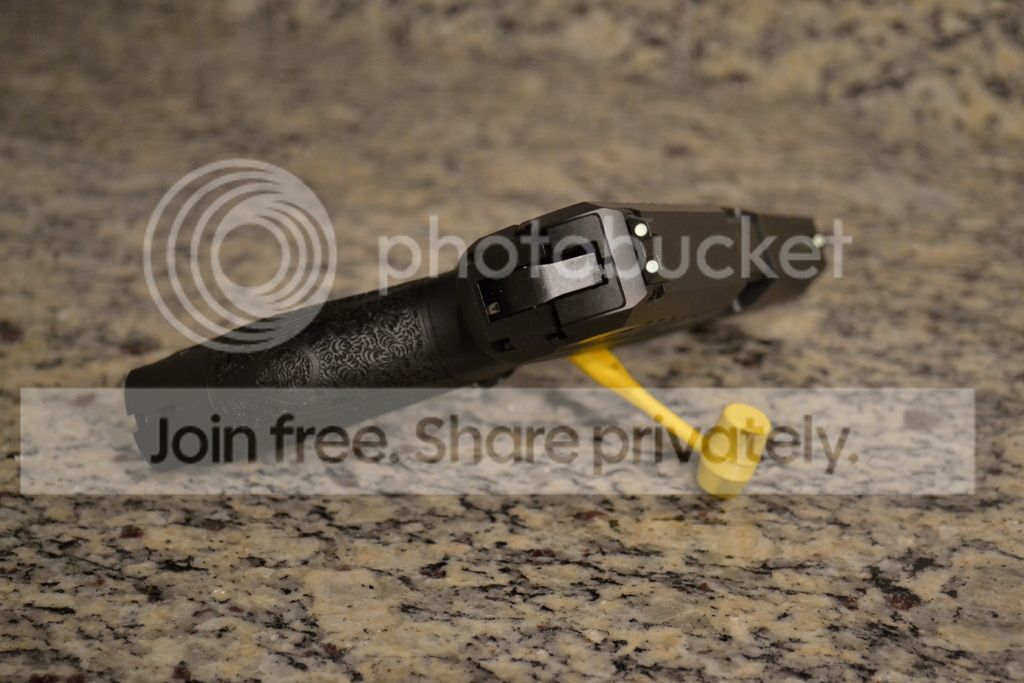
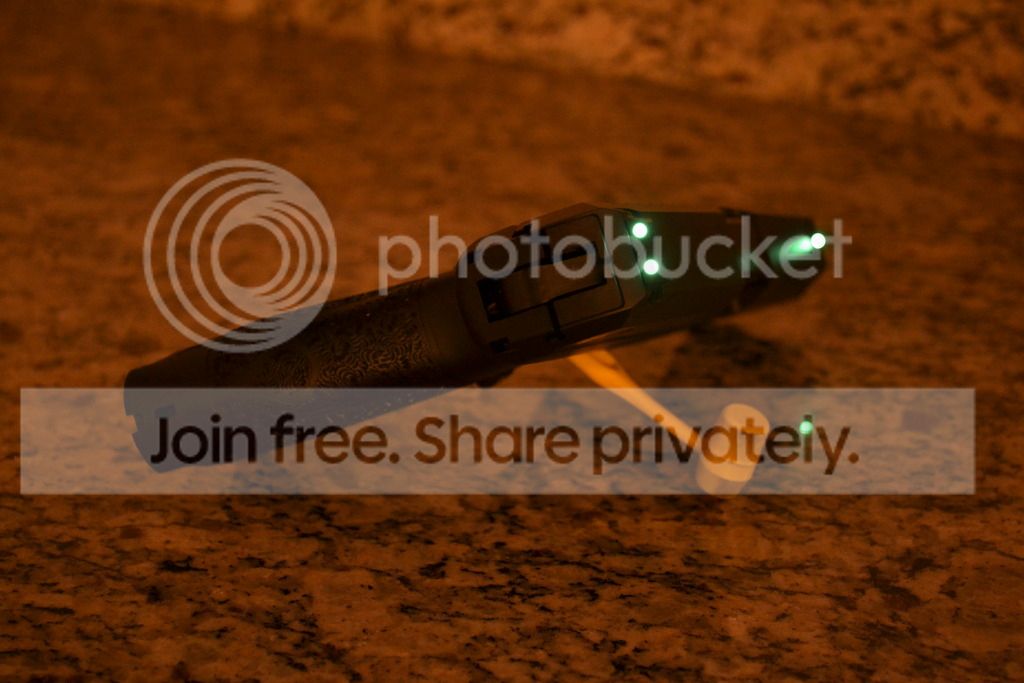
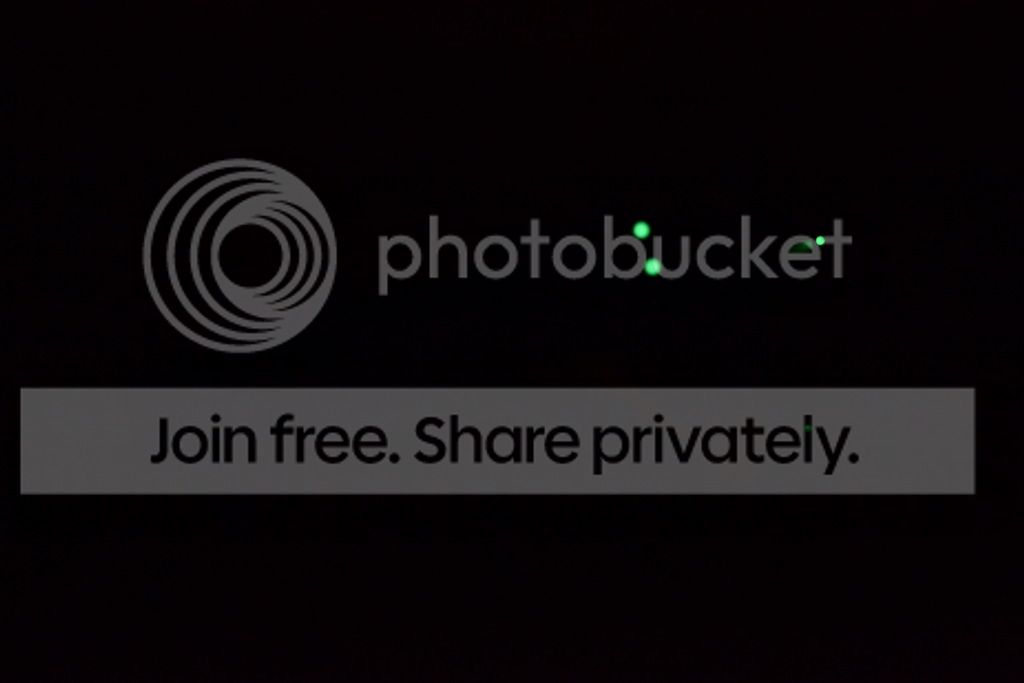
Seems like everyone is pretty interested in this.
Tritium comes in tubes and is technically a gas and is radioactive. Tritium sights are cool because they glow all the time but aren't very bright.
The first widely used self-luminous compound used to provide a glow in the dark feature was radium (hence the 'Radiomir' from Panerai). This radioactive isotope was used to excite zinc sulphide crystals to make them glow in the dark.
Once the radioactivity dangers (radium has a half-life of 1600 years) - particularly to the workers applying the compound - were fully realised by the 1950's, new self-luminous compounds using either the radioactive isotope of hydrogen, tritium, or a man-made radioactive element promethium, were developed and totally replaced the use of Radium.
Tritium has a half-life of 12 years and this eventually became a major drawback, as it's ability to glow diminished visibly within a few years. Half life means simply it get half as bright evert 12 years.
This lead to the research that developed the phosphorescent rare earth based compounds. These are the "lume" you see on todays watches and what I've used on my PPX.
Phosphorescent compounds need activating or 'exciting' by an external energy source for them to glow like sunlight or a flashlight.
Current compounds such as Luminova and SuperLuminova use Alkaline Earth Metal Aluminate compounds often just referred to as Strontium Aluminate, although that's just one of the many variations used.
One of the key factors in how well a compound works is the size of the individual particles or grains.
Smaller grains (<10 microns) are much easier to apply and give a smooth paint like finish but are less efficient.
Large grains (75-100 microns) glow like a torch and will hold a charge for up to 36 hrs.
I use 5-15 micron blend lume as this is what I believe is the best for look and glow. The larger particles improve the performance, while the smaller particles 'fill the gaps' between them, removing any 'dead space' and creating a smoother surface, so not as susceptible to micro shadowing reducing the effective charged area.
I buy it as a powder from my supplier. It is fantastically expensive and sold by the gram. It is mixed with a binder and applied. It takes a steady hand and a lot of patience and practice.
I'll just charge it before shooting and it will glow for several hours.