































During the past 100 years, coyotes (Canis latrans) have successfully colonized most of North America. Their rapid range expansion from the open prairies of western US and Canada has resulted in a near total occupation of all available habitats in North America. Localized extinction of wolves, along with land clearing, urbanization and agricultural practices are likely contributing factors to their success. By the 1970's, coyotes had occupied much of North America, and by the 1980's were common throughout all of Atlantic Canada.
Figure 1 is a graphic illustration of the coyotes documented and proven range expansion across eastern North America.
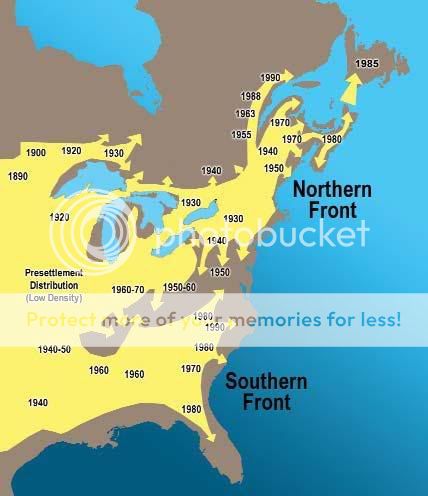
Figure 1. Coyote Colonization in Eastern North America
Coyotes were confirmed in Prince Edward Island long before the ConfederationBridge linked the Island with the mainland, proving the animal’s ability to cross ice bridges.
During the winter of 1985, reports of wolf like dogs coming ashore from the ice near the Port au PortPeninsula were quite likely one of the earliest known incidents of coyotes entering upon the Island of Newfoundland. The first confirmed coyote on the Island of Newfoundland was a pup hit by a car near DeerLake in 1987. Reports of coyotes traveling on ice between Nova Scotia and Newfoundland have been received from reputable sources since 1985, supporting the notion that the emigration of coyotes from mainland Canada onto the Island continues.
Animals’ crossing an ice bridge is not a rare occurrence. During the late 1980’s, arctic fox, which were at high densities in Labrador but not normally found on the Island, migrated south on drifting ice and were trapped or shot as far south as Trepassey. It is reasonable then that high coyote populations on CapeBreton and other parts of Nova Scotia were and likely continues to be a potential source of coyote dispersal over ice bridges to Insular Newfoundland. In fact, many island wildlife species including bears and caribou are likely to have arrived here by crossing ice bridges thousands of years ago.
By the mid 1990's, coyotes were confirmed throughout most of the Island, and in recent years, reports from GooseBay confirm the animal’s presence in the central and southern Labrador portion of the province. The howl of the coyote can now be heard in virtually all parts of North America.
It has been suggested by some that there is no need to study the coyote in Newfoundland. They argue that they’ve been studied extensively elsewhere and any additional work is simply a waste of money. Nothing could be further from the truth. Coyotes in this province seem to be occupying/existing in a unique ecological system where caribou are present and wolves are absent. Understanding what, if any, differences exist between coyotes here and elsewhere could be the key in successful management. If we ever hope to have an effective management strategy for coyotes, understanding the life history and ecological interactions and implications of this new predator is essential. Research and science is and has always been the backbone of effective wildlife management. Without it, decisions regarding our wildlife and its habitat are diminished to best guess scenarios. The long term health of our wildlife resources require that we understand what is happening on the landscape.
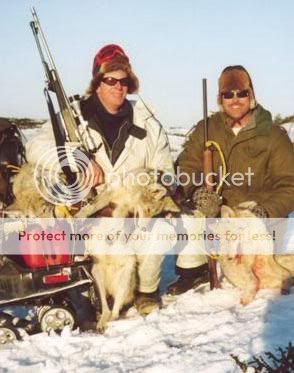
Finally, it seems, Newfoundland’s DNR/Wildlife Dept. is recognizing the impact Coyotes are having on our ecology and especially our big game herds. Prior to this, most complaints about coyote predation on Caribou/Moose have been met with complacency and warnings that some populations were in trouble were ignored or simply dismissed out of hand. However, when you see pictures such as this of dozens of coyotes shot around the Gisborne Lake/Middle Ridge (Caribou Management Area 64) our Wildlife Dept. has no other choice but to accept the fact that we have a coyote problem and our Caribou herds are paying the price for their neglect!
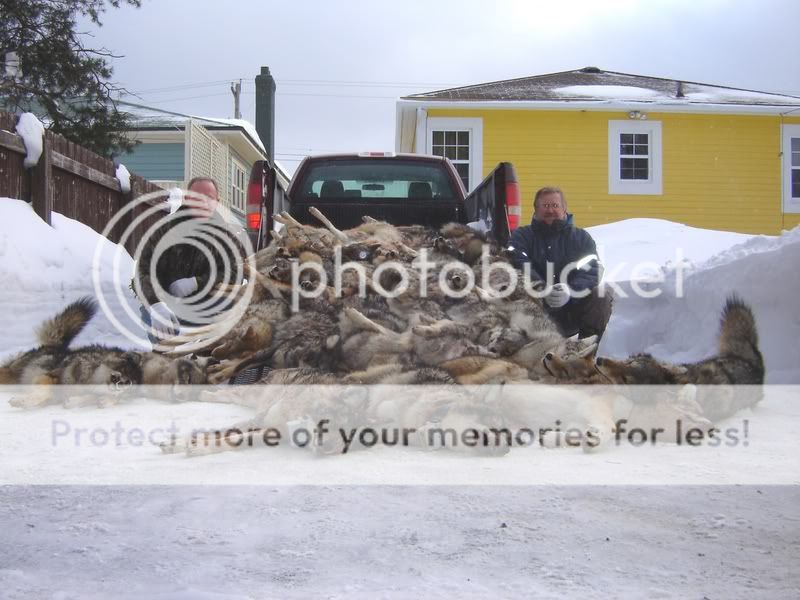
Hunt conducted during winter 2007 in general area of Gisborne Lake/Middle Ridge
I know the area where these coyotes were shot very well, as I used to hunt Area 64, Middle Ridge on a regular basis for both Caribou & Moose. In the late 90s & early 2000s this area was a “hunter’s paradise”. You'd often see herds of 60-70 up to 100-150 Woodland Caribou at a time at a time grazing on the barrens and bogs. It was easy to take a Boone & Crockett class stag and Moose were plentiful. There was also lots of snowshoe hare & grouse. Then about 5-6 years ago everything changed. You were lucky to see small herds of 3-4 Caribou together and large bulls or stags as we call them became scarcer' 'n hens teeth in an area where you used to have the pick of what animal you wanted. It was also rare to see any Caribou or Moose calves. Even foxes became scarce.
I, along with my hunting buddies contacted our provincial Wildlife Dept. about this dramatic change. Eventually hunters from across the Island began to do the same. At this point, we still couldn't hunt coyotes legally. A little while later they announced that big game hunters could take coyotes as targets of opportunity, as could small game hunters, but only during open seasons. Myself, along with a number of other hunters, the guys from the Newfoundland Sportsman Magazine, etc...started a campaign to introduce a regular Coyote season & license for the province. At first, we had the small success of being permitted to take coyotes as targets of opportunity in conjunction with another big/small game license...that led to an abbreviated but dedicated coyote season a couple of years ago, which finally led two years ago to the creation of a 10 month coyote season and the use of center fire rifles of up to .225 caliber...nothing bigger is permitted.
At first the license cost was $15.00, this year they eliminated the fee in an attempt to encourage more hunters to hunt coyotes...the problem here is that since the coyotes only invaded Newfoundland in 1986...and they've really only started to make their presence felt on the east coast/Avalon Peninsula this past two years, there aren't a lot of hunters familiar with successful coyote hunting strategies. Cost of a new rifle & proper calls have also kept many hunters out of the sport, as the vast majority of Newfoundland hunters are meat hunters on limited budgets. Varmint hunting is totally alien to many.
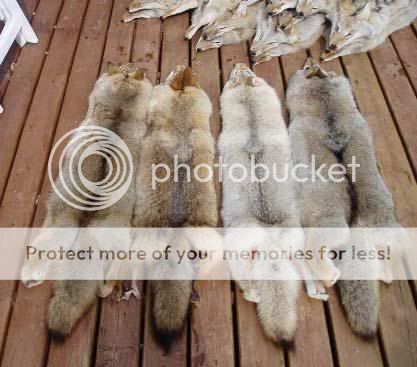
The government did do a couple of things right, they pay $25.00 for every coyote carcass turned in and they let the hunter keep the fur if they so desire. A new fledgling Coyote Hunting seminar is now being started up as well…it is needed, as most Newfoundland hunters are primarily interested in meat hunting and not trophy/sport. As a trapper as well as a hunter, I retain the pelt as well, for resale or personal use. When added to the price of the bounty, you can turn your Newfoundland Coyote into an animal worth $50.00+ dollars or more.
The thing about our Newfoundland/Eastern Coyote is the fact that it has a great deal of Red/Grey/ Wolf DNA in it, as well as domestic/feral dog...as a result, they're much bigger than the coyotes I've seen out in Alberta & Sask. Average size is around 45-50lbs. Now they're basically filling the niche of the extinct Newfoundland Wolf. They're hunting in packs and taking adult, healthy Caribou. They're often making multiple kills on animals that get bogged down in deep snow, but not bothering to eat the kills. I saw pictures from the BurinPeninsula where coyotes ran down and killed six adult Caribou simply for "fun" as the animal weren't eaten. They were herded into deep snow and then had their throats torn out.
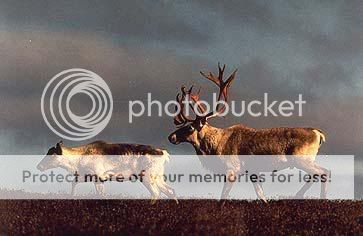
At the same time, In Central Newfoundland, especially in Area 64 "Middle Ridge" we're seeing almost 100% calf mortality rates for both Caribou & Moose. This is direct from Shane Mahoney, the provincial wildlife biologist. However, Coyotes aren’t solely to blame. During the springs of 2003, 2004 and 2005, a total of 128 caribou calves were captured and fitted with radio collars in a study to asses calf mortality. The study was carried out on the Gaff Topsails and Middle Ridge herds.
The study was initiated in response to fall and winter caribou classifications that were showing low calf recruitment. The preliminary data suggests calf predation is a significant cause in current caribou population declines. Of the 128 calves collared, 111 died of all causes (87%), and 91 of these 111 mortalities were due to predation (82%). Specific causes of mortality may be summarized as follows;
Black bear (37),
Unknown predator (18),
Coyote (14),
Lynx (11),
Bald eagles (11).
Accidental mortality accounted for 6 calves and 14 died from other sources. This data therefore seems to suggest that caribou calf mortality, and thus poor recruitment, is not being driven solely by coyote predation, but rather from a complex web of predators, the most significant of which is black bears (beginning in 2006, the Wildlife Division increased the bag limit on black bear from one to two per season. This move was a no-brainer and merely put traditional bag limits back in place. Other than sport hunters who book through outfitters, most resident hunters only hunt Black Bears in conjunction with Moose/Caribou hunts and simply take a bear as a target of opportunity. That trend is slowly changing and more resident hunters are now beginning to deliberately target bears alone.) Other findings from this calf study are as follows;
• Poor calf recruitment during 2003-2005 was the most significant contributing factor to
Caribou population declines across all south coast herds.
• Predation by black bear was the most significant cause of calf mortality in at least one caribou management area.
• Most calf mortality occurs within the first few weeks after calves are born. In 2005, 70% of calf mortalities were recorded in the first four weeks of life.
• Calves that make it to the fall have an excellent chance of surviving to adult age.
From my own hunting experience and observations, along with the hundreds of hours spent a field over the past decade in the Middle Ridge/Gaff Topsails areas, I’m more inclined to give the Coyote a far greater share of the responsibility for calf mortality. That “unknown” predator count, I’m guessing lies with the coyote. Some hunters believe that the Newfoundland Wildlife Dept. is deliberately low-balling the number of coyote kills in order to divert responsibility from themselves for the current mismanagement of both the coyote & caribou populations. Either way, we’re on a slippery slope right now.
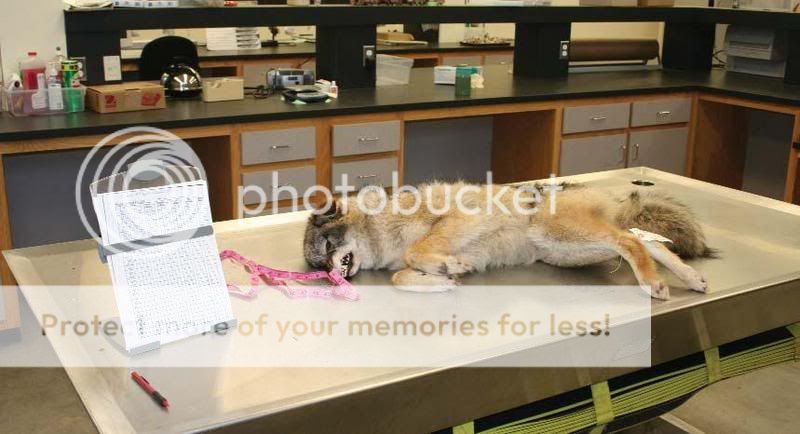
Study of hundreds of surrendered Coyote carcasses do show that:
• Almost all coyotes had moderate to abundant fat stores indicating good physical condition. This illustrates the coyote’s ability to find prey and successfully capture it. It appears that Coyotes may be preying more heavily on large prey like caribou during times when snowshoe Hare populations crash. Continuing to monitor stomach samples through the various hare cycles is needed to get a complete picture.
• The average age of coyotes sampled was 1.8 years of age, and 68% of the 2004/05 harvest were pups and yearlings. Young animals represented in a harvest usually suggest a healthy, increasing population, although tracking this data for years is necessary to get an accurate picture. It also tells us there is high mortality in coyotes and that young coyotes are susceptible to existing harvest strategies. It illustrates that adults are difficult to harvest and any effort to reduce coyote populations in a specific area will need to focus on adult breeding pairs, and perhaps utilize different techniques than currently exist.
• Stomach samples analyzed indicate caribou, moose and snowshoe hare are the principal sources of protein in the coyote’s diet during the period October through April. Other food items included berries, beaver, squirrels, voles, grouse, ptarmigan and cattle. Most moose were determined to be from carrion.
• Despite having a much larger appearance, the Northeastern coyote in Newfoundland ranges in size from 25 to 50 lbs, an average of about 15-20% larger than its western cousins.
• Most coyote harvest is taking place on or adjacent to open barren ground habitats along the SouthCoast and NorthernPeninsula, indicating a possible preference for open habitat.
As a consequence, when I received my application and hunting guide for fall 2007/Winter 2008 last week; I noticed that the government had reduced the number of Caribou license they're going to issue by over 1300. Success rates in those areas have also dramatically declined as well. Caribou populations are down across the board and the only "new" variable in the equation is the Coyote. I found coyote tracks around my chicken coop for the first time this weekend! Before we had to drive several hours in order to hunt coyotes, now the other day, a couple of guys I know shot two large adult coyotes just a few minutes drive from my place.
We're still on a learning curve with the coyote. For the most part, the only hunters who enjoy any real success are the guys who hunt in winter and travel back into the country via snowmobile, as I'm sure these guys did in the picture you sent along. Often they'll spend several days, up to a week camping out in the back country or staying in a cabin & do nothing but hunt coyotes.
From what I've heard and seen, you can now expect multiple kills from the one stand and it isn't unusual to take 3, 4, even 5-6 coyotes in a single day, especially in Central, of which Gisborne Lake is certainly a part. Down around Bay d’ Espoir, and the BurinPeninsula, coyote populations are also very high. Conservative estimates place the coyote population at 50,000, but I wouldn't be surprised if their numbers are 3-4 times that number. They've got NO natural predators, super abundant food supplies, relatively mild winters, so they're reproducing like crazy. I've even seen coyotes trot across the parking lot of a Tim Horton's in the center of St. John's!!! In twenty years, they've totally colonized Newfoundland! Some would argue that the number of coyote’s killed in the photo above was excessive. Not so! In reality, that is only a drop in the bucket and will have zero lasting impact on the current Newfoundland coyote population!
At least our DNR is now starting to spend real money on research and study of the Newfoundland Coyote. According to government sources, during the winter of 2005, nine coyotes were captured and fitted with radio transmitters. An additional 10 were deployed on coyotes in the winter of 2006. The study area for both years was the southern portion of the Middle Ridge Wilderness Reserve, right in the middle of the wintering Middle Ridge caribou herd. Most of these collars were GPS collars, which record precise movements and locations every four hours and have proven invaluable in understanding the coyote in Newfoundland. Initial findings include;
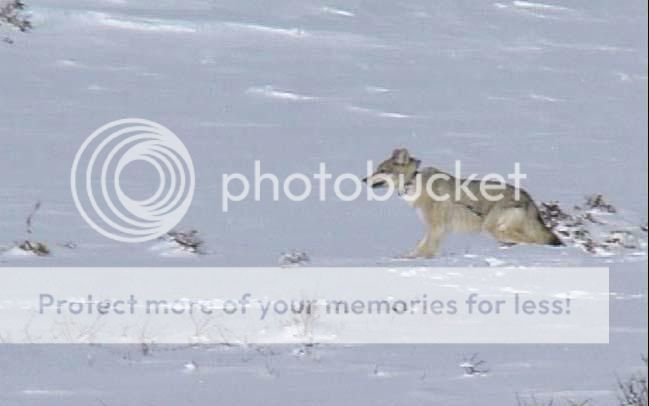
• Some coyotes made extraordinary movements. One moved 170 km north to Carmanville from its original collaring site. Another moved 110 km west to the Bay d’Espoir area.
• Home ranges of adult paired coyotes are between 140 and 190 square kilometers (see figure 2).
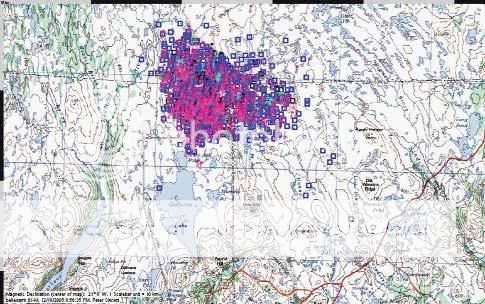
Figure 2. GPS Collar recorded locations of two coyotes in Middle Ridge
This is many times larger than the coyote home ranges reported from other provinces,
indicating coyotes in Insular Newfoundland are occupying a unique niche. If coyotes maintain these large home ranges, coyote densities will remain much lower than seen in other jurisdictions. (I’m not sure I’m buying this, especially considering the number of coyote’s being observed and/or shot/snared)
This has implications not just for how the animal is managed, but also its long-term potential impact on caribou and other prey species. Also, it is important to know seasonal home range information to determine if coyotes inhabiting caribou wintering areas will move to a different summer home range in the spring and then back again the following winter.
• Collaring coyotes have given us a method to measure their mortality. Of the 19 coyotes collared, eight remain active. Measuring mortality is an essential component of population dynamics and must be understood to effectively manage the animal. (It looks like the guys in the above pic accounted for two more of these!)
• GPS collar data provides information on areas of repeated use by coyotes. These areas are investigated for prey remains. Preliminary analysis indicates that coyotes in or near open ground habitat are relying considerably on moose and caribou. One coyote visited the remains of five moose during a seven month period, at least two of which were hunter kills and one a road kill. Gathering this information will determine the predation rates on caribou and the level of importance caribou are to the coyote diet. It appears at this point that most moose are being consumed as carrion. In other words, coyote predation was not the initial cause of death.
* From personal observations, I've seen coyotes feed on gut piles, and I've shot coyotes over them. I've also seen coyotes actively target both adult & calf moose, so I'm not quite buying the Wildlife Department's assertions here.
• Collar data will assist in answering the hypothesis that perhaps coyotes move out of boreal forest habitats during the winter in favor of the shallower, more compact snow of barren ground habitats. This would be considered abnormal behaviour throughout most coyote range. It is an important consideration in evaluating management options for caribou in their winter range.
I've personally observed & hunted coyotes who were actively engaged in hunting exercises on the barrens located in the area of the "Island Ponds" on the Bay de Verde Peninsula of the Avalon Peninsula. This area leads into the "Heart's Content Barrens" of the adjacent Trinity Bay. Not surprisingly, this is also the same area that is classified as the home range and Caribou Birthing Area for the Conception Bay North/Trinity Bay Caribou herd!
That said, I noticed this weekend, for the very first time, coyote tracks around my chicken coop! I did see coyotes about 15km away a couple of years ago last year, but hadn’t believed they’d made their way out toward my small outport community, but I guess they have. Unconfirmed reports now have them loitering around the community pasture and there have been reports of coyote attacks on sheep in the area. This is on the North-west tip of the Avalon Peninsula in the Conception Bay North area! The coyote has come a long way since it first hit the Port au port peninsula on the west coast some twenty years ago! Two coyotes were shot just a few communities away just last week! We’re now hearing coyote howling at night…I’m wondering how soon will we seen moose populations start to drop in my home area of Moose Management Area 34 “Bay de Verde?” We’ve also got a very healthy population of Woodland Caribou in our area, the result of a seed program from the mid-1980s. There are now some 400-500 caribou in the area (no open season on them) and they seem to be doing very well, having grown from just a couple of dozen adult caribou released in the 80s. I’m sure we’ll see a decline in their numbers soon.
The Newfoundland Coyote Question is certainly a complex one, with no easy answers in sight. What is a very real problem these days is the lack of trust in the province’s Wildlife Department and official’s unwillingness to deviate from the official “party” line. It is obvious to the average Newfoundland hunter that our Caribou herds, and to a lesser extent our moose herds are facing potentially cataclysmic problems due to vastly increased predation. We need to be more proactive, and the government needs to become far more responsive to the changing dynamic of the growing Newfoundland Coyote population. Only time will tell if they make the right call, but I urge all Newfoundland Hunters to get out in the field and make their rifles heard! It’s up to us if we want to save our Caribou!
Note: Figures, some pics and info courtesy of the Newfoundland Wildlife Department.
Figure 1 is a graphic illustration of the coyotes documented and proven range expansion across eastern North America.
Figure 1. Coyote Colonization in Eastern North America
Coyotes were confirmed in Prince Edward Island long before the ConfederationBridge linked the Island with the mainland, proving the animal’s ability to cross ice bridges.
During the winter of 1985, reports of wolf like dogs coming ashore from the ice near the Port au PortPeninsula were quite likely one of the earliest known incidents of coyotes entering upon the Island of Newfoundland. The first confirmed coyote on the Island of Newfoundland was a pup hit by a car near DeerLake in 1987. Reports of coyotes traveling on ice between Nova Scotia and Newfoundland have been received from reputable sources since 1985, supporting the notion that the emigration of coyotes from mainland Canada onto the Island continues.
Animals’ crossing an ice bridge is not a rare occurrence. During the late 1980’s, arctic fox, which were at high densities in Labrador but not normally found on the Island, migrated south on drifting ice and were trapped or shot as far south as Trepassey. It is reasonable then that high coyote populations on CapeBreton and other parts of Nova Scotia were and likely continues to be a potential source of coyote dispersal over ice bridges to Insular Newfoundland. In fact, many island wildlife species including bears and caribou are likely to have arrived here by crossing ice bridges thousands of years ago.
By the mid 1990's, coyotes were confirmed throughout most of the Island, and in recent years, reports from GooseBay confirm the animal’s presence in the central and southern Labrador portion of the province. The howl of the coyote can now be heard in virtually all parts of North America.
It has been suggested by some that there is no need to study the coyote in Newfoundland. They argue that they’ve been studied extensively elsewhere and any additional work is simply a waste of money. Nothing could be further from the truth. Coyotes in this province seem to be occupying/existing in a unique ecological system where caribou are present and wolves are absent. Understanding what, if any, differences exist between coyotes here and elsewhere could be the key in successful management. If we ever hope to have an effective management strategy for coyotes, understanding the life history and ecological interactions and implications of this new predator is essential. Research and science is and has always been the backbone of effective wildlife management. Without it, decisions regarding our wildlife and its habitat are diminished to best guess scenarios. The long term health of our wildlife resources require that we understand what is happening on the landscape.
Finally, it seems, Newfoundland’s DNR/Wildlife Dept. is recognizing the impact Coyotes are having on our ecology and especially our big game herds. Prior to this, most complaints about coyote predation on Caribou/Moose have been met with complacency and warnings that some populations were in trouble were ignored or simply dismissed out of hand. However, when you see pictures such as this of dozens of coyotes shot around the Gisborne Lake/Middle Ridge (Caribou Management Area 64) our Wildlife Dept. has no other choice but to accept the fact that we have a coyote problem and our Caribou herds are paying the price for their neglect!
Hunt conducted during winter 2007 in general area of Gisborne Lake/Middle Ridge
I know the area where these coyotes were shot very well, as I used to hunt Area 64, Middle Ridge on a regular basis for both Caribou & Moose. In the late 90s & early 2000s this area was a “hunter’s paradise”. You'd often see herds of 60-70 up to 100-150 Woodland Caribou at a time at a time grazing on the barrens and bogs. It was easy to take a Boone & Crockett class stag and Moose were plentiful. There was also lots of snowshoe hare & grouse. Then about 5-6 years ago everything changed. You were lucky to see small herds of 3-4 Caribou together and large bulls or stags as we call them became scarcer' 'n hens teeth in an area where you used to have the pick of what animal you wanted. It was also rare to see any Caribou or Moose calves. Even foxes became scarce.
I, along with my hunting buddies contacted our provincial Wildlife Dept. about this dramatic change. Eventually hunters from across the Island began to do the same. At this point, we still couldn't hunt coyotes legally. A little while later they announced that big game hunters could take coyotes as targets of opportunity, as could small game hunters, but only during open seasons. Myself, along with a number of other hunters, the guys from the Newfoundland Sportsman Magazine, etc...started a campaign to introduce a regular Coyote season & license for the province. At first, we had the small success of being permitted to take coyotes as targets of opportunity in conjunction with another big/small game license...that led to an abbreviated but dedicated coyote season a couple of years ago, which finally led two years ago to the creation of a 10 month coyote season and the use of center fire rifles of up to .225 caliber...nothing bigger is permitted.
At first the license cost was $15.00, this year they eliminated the fee in an attempt to encourage more hunters to hunt coyotes...the problem here is that since the coyotes only invaded Newfoundland in 1986...and they've really only started to make their presence felt on the east coast/Avalon Peninsula this past two years, there aren't a lot of hunters familiar with successful coyote hunting strategies. Cost of a new rifle & proper calls have also kept many hunters out of the sport, as the vast majority of Newfoundland hunters are meat hunters on limited budgets. Varmint hunting is totally alien to many.
The government did do a couple of things right, they pay $25.00 for every coyote carcass turned in and they let the hunter keep the fur if they so desire. A new fledgling Coyote Hunting seminar is now being started up as well…it is needed, as most Newfoundland hunters are primarily interested in meat hunting and not trophy/sport. As a trapper as well as a hunter, I retain the pelt as well, for resale or personal use. When added to the price of the bounty, you can turn your Newfoundland Coyote into an animal worth $50.00+ dollars or more.
The thing about our Newfoundland/Eastern Coyote is the fact that it has a great deal of Red/Grey/ Wolf DNA in it, as well as domestic/feral dog...as a result, they're much bigger than the coyotes I've seen out in Alberta & Sask. Average size is around 45-50lbs. Now they're basically filling the niche of the extinct Newfoundland Wolf. They're hunting in packs and taking adult, healthy Caribou. They're often making multiple kills on animals that get bogged down in deep snow, but not bothering to eat the kills. I saw pictures from the BurinPeninsula where coyotes ran down and killed six adult Caribou simply for "fun" as the animal weren't eaten. They were herded into deep snow and then had their throats torn out.
At the same time, In Central Newfoundland, especially in Area 64 "Middle Ridge" we're seeing almost 100% calf mortality rates for both Caribou & Moose. This is direct from Shane Mahoney, the provincial wildlife biologist. However, Coyotes aren’t solely to blame. During the springs of 2003, 2004 and 2005, a total of 128 caribou calves were captured and fitted with radio collars in a study to asses calf mortality. The study was carried out on the Gaff Topsails and Middle Ridge herds.
The study was initiated in response to fall and winter caribou classifications that were showing low calf recruitment. The preliminary data suggests calf predation is a significant cause in current caribou population declines. Of the 128 calves collared, 111 died of all causes (87%), and 91 of these 111 mortalities were due to predation (82%). Specific causes of mortality may be summarized as follows;
Black bear (37),
Unknown predator (18),
Coyote (14),
Lynx (11),
Bald eagles (11).
Accidental mortality accounted for 6 calves and 14 died from other sources. This data therefore seems to suggest that caribou calf mortality, and thus poor recruitment, is not being driven solely by coyote predation, but rather from a complex web of predators, the most significant of which is black bears (beginning in 2006, the Wildlife Division increased the bag limit on black bear from one to two per season. This move was a no-brainer and merely put traditional bag limits back in place. Other than sport hunters who book through outfitters, most resident hunters only hunt Black Bears in conjunction with Moose/Caribou hunts and simply take a bear as a target of opportunity. That trend is slowly changing and more resident hunters are now beginning to deliberately target bears alone.) Other findings from this calf study are as follows;
• Poor calf recruitment during 2003-2005 was the most significant contributing factor to
Caribou population declines across all south coast herds.
• Predation by black bear was the most significant cause of calf mortality in at least one caribou management area.
• Most calf mortality occurs within the first few weeks after calves are born. In 2005, 70% of calf mortalities were recorded in the first four weeks of life.
• Calves that make it to the fall have an excellent chance of surviving to adult age.
From my own hunting experience and observations, along with the hundreds of hours spent a field over the past decade in the Middle Ridge/Gaff Topsails areas, I’m more inclined to give the Coyote a far greater share of the responsibility for calf mortality. That “unknown” predator count, I’m guessing lies with the coyote. Some hunters believe that the Newfoundland Wildlife Dept. is deliberately low-balling the number of coyote kills in order to divert responsibility from themselves for the current mismanagement of both the coyote & caribou populations. Either way, we’re on a slippery slope right now.
Study of hundreds of surrendered Coyote carcasses do show that:
• Almost all coyotes had moderate to abundant fat stores indicating good physical condition. This illustrates the coyote’s ability to find prey and successfully capture it. It appears that Coyotes may be preying more heavily on large prey like caribou during times when snowshoe Hare populations crash. Continuing to monitor stomach samples through the various hare cycles is needed to get a complete picture.
• The average age of coyotes sampled was 1.8 years of age, and 68% of the 2004/05 harvest were pups and yearlings. Young animals represented in a harvest usually suggest a healthy, increasing population, although tracking this data for years is necessary to get an accurate picture. It also tells us there is high mortality in coyotes and that young coyotes are susceptible to existing harvest strategies. It illustrates that adults are difficult to harvest and any effort to reduce coyote populations in a specific area will need to focus on adult breeding pairs, and perhaps utilize different techniques than currently exist.
• Stomach samples analyzed indicate caribou, moose and snowshoe hare are the principal sources of protein in the coyote’s diet during the period October through April. Other food items included berries, beaver, squirrels, voles, grouse, ptarmigan and cattle. Most moose were determined to be from carrion.
• Despite having a much larger appearance, the Northeastern coyote in Newfoundland ranges in size from 25 to 50 lbs, an average of about 15-20% larger than its western cousins.
• Most coyote harvest is taking place on or adjacent to open barren ground habitats along the SouthCoast and NorthernPeninsula, indicating a possible preference for open habitat.
As a consequence, when I received my application and hunting guide for fall 2007/Winter 2008 last week; I noticed that the government had reduced the number of Caribou license they're going to issue by over 1300. Success rates in those areas have also dramatically declined as well. Caribou populations are down across the board and the only "new" variable in the equation is the Coyote. I found coyote tracks around my chicken coop for the first time this weekend! Before we had to drive several hours in order to hunt coyotes, now the other day, a couple of guys I know shot two large adult coyotes just a few minutes drive from my place.
We're still on a learning curve with the coyote. For the most part, the only hunters who enjoy any real success are the guys who hunt in winter and travel back into the country via snowmobile, as I'm sure these guys did in the picture you sent along. Often they'll spend several days, up to a week camping out in the back country or staying in a cabin & do nothing but hunt coyotes.
From what I've heard and seen, you can now expect multiple kills from the one stand and it isn't unusual to take 3, 4, even 5-6 coyotes in a single day, especially in Central, of which Gisborne Lake is certainly a part. Down around Bay d’ Espoir, and the BurinPeninsula, coyote populations are also very high. Conservative estimates place the coyote population at 50,000, but I wouldn't be surprised if their numbers are 3-4 times that number. They've got NO natural predators, super abundant food supplies, relatively mild winters, so they're reproducing like crazy. I've even seen coyotes trot across the parking lot of a Tim Horton's in the center of St. John's!!! In twenty years, they've totally colonized Newfoundland! Some would argue that the number of coyote’s killed in the photo above was excessive. Not so! In reality, that is only a drop in the bucket and will have zero lasting impact on the current Newfoundland coyote population!
At least our DNR is now starting to spend real money on research and study of the Newfoundland Coyote. According to government sources, during the winter of 2005, nine coyotes were captured and fitted with radio transmitters. An additional 10 were deployed on coyotes in the winter of 2006. The study area for both years was the southern portion of the Middle Ridge Wilderness Reserve, right in the middle of the wintering Middle Ridge caribou herd. Most of these collars were GPS collars, which record precise movements and locations every four hours and have proven invaluable in understanding the coyote in Newfoundland. Initial findings include;
• Some coyotes made extraordinary movements. One moved 170 km north to Carmanville from its original collaring site. Another moved 110 km west to the Bay d’Espoir area.
• Home ranges of adult paired coyotes are between 140 and 190 square kilometers (see figure 2).
Figure 2. GPS Collar recorded locations of two coyotes in Middle Ridge
This is many times larger than the coyote home ranges reported from other provinces,
indicating coyotes in Insular Newfoundland are occupying a unique niche. If coyotes maintain these large home ranges, coyote densities will remain much lower than seen in other jurisdictions. (I’m not sure I’m buying this, especially considering the number of coyote’s being observed and/or shot/snared)
This has implications not just for how the animal is managed, but also its long-term potential impact on caribou and other prey species. Also, it is important to know seasonal home range information to determine if coyotes inhabiting caribou wintering areas will move to a different summer home range in the spring and then back again the following winter.
• Collaring coyotes have given us a method to measure their mortality. Of the 19 coyotes collared, eight remain active. Measuring mortality is an essential component of population dynamics and must be understood to effectively manage the animal. (It looks like the guys in the above pic accounted for two more of these!)
• GPS collar data provides information on areas of repeated use by coyotes. These areas are investigated for prey remains. Preliminary analysis indicates that coyotes in or near open ground habitat are relying considerably on moose and caribou. One coyote visited the remains of five moose during a seven month period, at least two of which were hunter kills and one a road kill. Gathering this information will determine the predation rates on caribou and the level of importance caribou are to the coyote diet. It appears at this point that most moose are being consumed as carrion. In other words, coyote predation was not the initial cause of death.
* From personal observations, I've seen coyotes feed on gut piles, and I've shot coyotes over them. I've also seen coyotes actively target both adult & calf moose, so I'm not quite buying the Wildlife Department's assertions here.
• Collar data will assist in answering the hypothesis that perhaps coyotes move out of boreal forest habitats during the winter in favor of the shallower, more compact snow of barren ground habitats. This would be considered abnormal behaviour throughout most coyote range. It is an important consideration in evaluating management options for caribou in their winter range.
I've personally observed & hunted coyotes who were actively engaged in hunting exercises on the barrens located in the area of the "Island Ponds" on the Bay de Verde Peninsula of the Avalon Peninsula. This area leads into the "Heart's Content Barrens" of the adjacent Trinity Bay. Not surprisingly, this is also the same area that is classified as the home range and Caribou Birthing Area for the Conception Bay North/Trinity Bay Caribou herd!
That said, I noticed this weekend, for the very first time, coyote tracks around my chicken coop! I did see coyotes about 15km away a couple of years ago last year, but hadn’t believed they’d made their way out toward my small outport community, but I guess they have. Unconfirmed reports now have them loitering around the community pasture and there have been reports of coyote attacks on sheep in the area. This is on the North-west tip of the Avalon Peninsula in the Conception Bay North area! The coyote has come a long way since it first hit the Port au port peninsula on the west coast some twenty years ago! Two coyotes were shot just a few communities away just last week! We’re now hearing coyote howling at night…I’m wondering how soon will we seen moose populations start to drop in my home area of Moose Management Area 34 “Bay de Verde?” We’ve also got a very healthy population of Woodland Caribou in our area, the result of a seed program from the mid-1980s. There are now some 400-500 caribou in the area (no open season on them) and they seem to be doing very well, having grown from just a couple of dozen adult caribou released in the 80s. I’m sure we’ll see a decline in their numbers soon.
The Newfoundland Coyote Question is certainly a complex one, with no easy answers in sight. What is a very real problem these days is the lack of trust in the province’s Wildlife Department and official’s unwillingness to deviate from the official “party” line. It is obvious to the average Newfoundland hunter that our Caribou herds, and to a lesser extent our moose herds are facing potentially cataclysmic problems due to vastly increased predation. We need to be more proactive, and the government needs to become far more responsive to the changing dynamic of the growing Newfoundland Coyote population. Only time will tell if they make the right call, but I urge all Newfoundland Hunters to get out in the field and make their rifles heard! It’s up to us if we want to save our Caribou!
Note: Figures, some pics and info courtesy of the Newfoundland Wildlife Department.
Last edited: