













































You are using an out of date browser. It may not display this or other websites correctly.
You should upgrade or use an alternative browser.
You should upgrade or use an alternative browser.
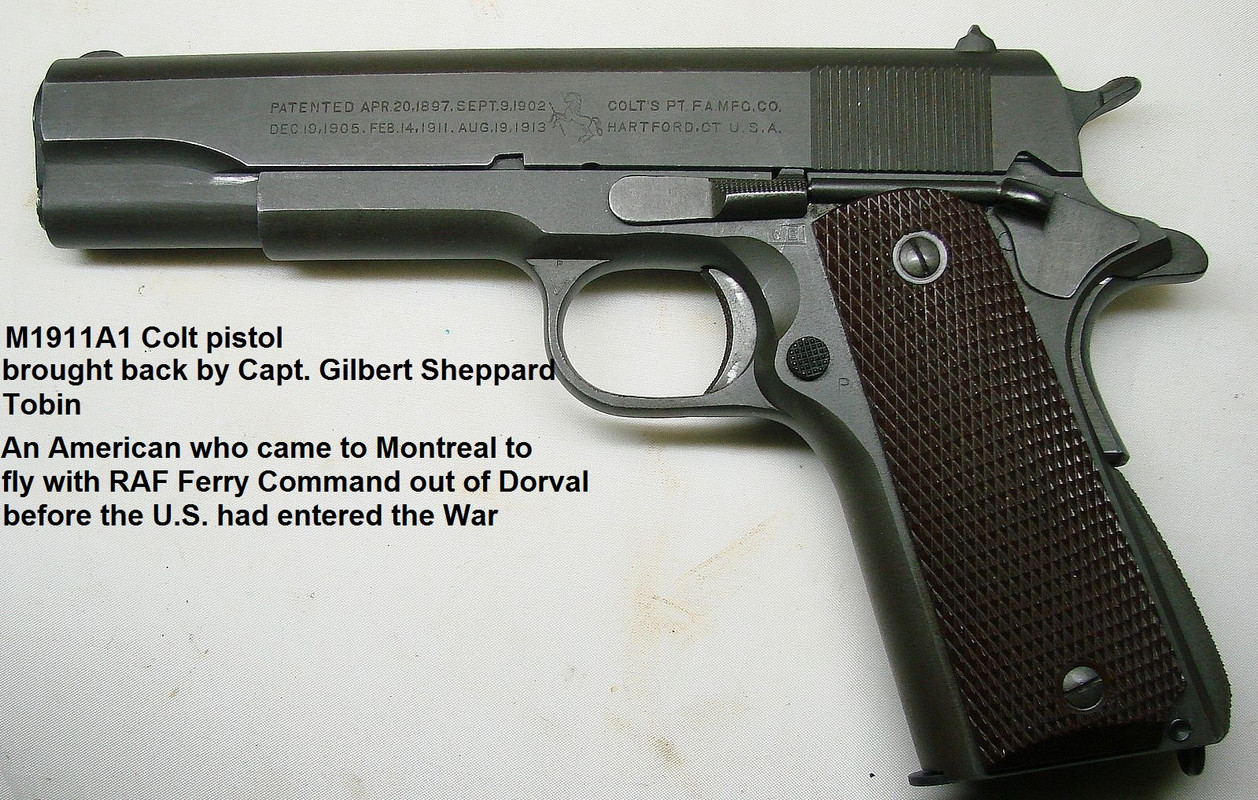
The third WWII pistol rig that I will keep is a M1911A1 Colt purchased in March 2004.
- Thread starter drm3m
- Start date

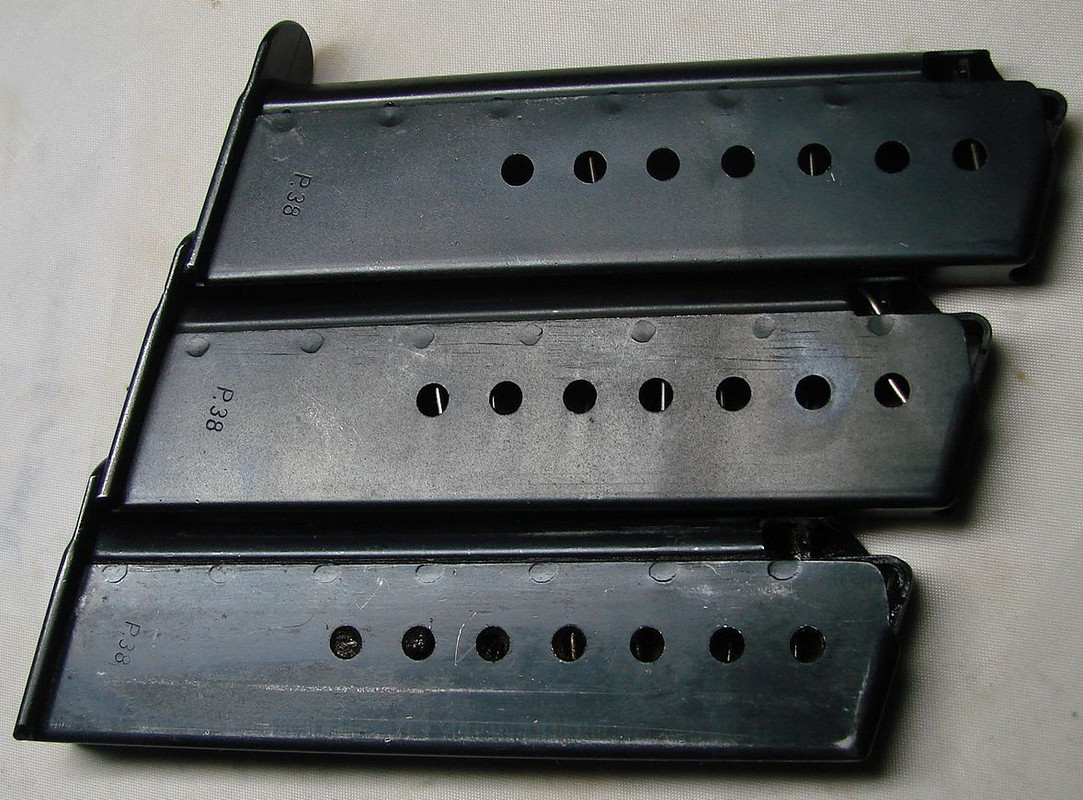
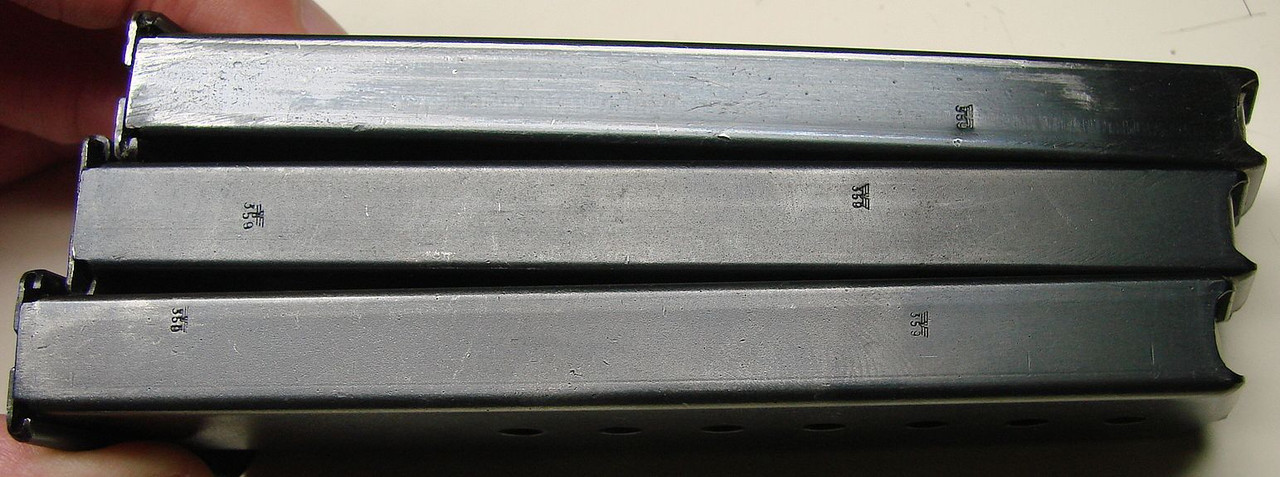
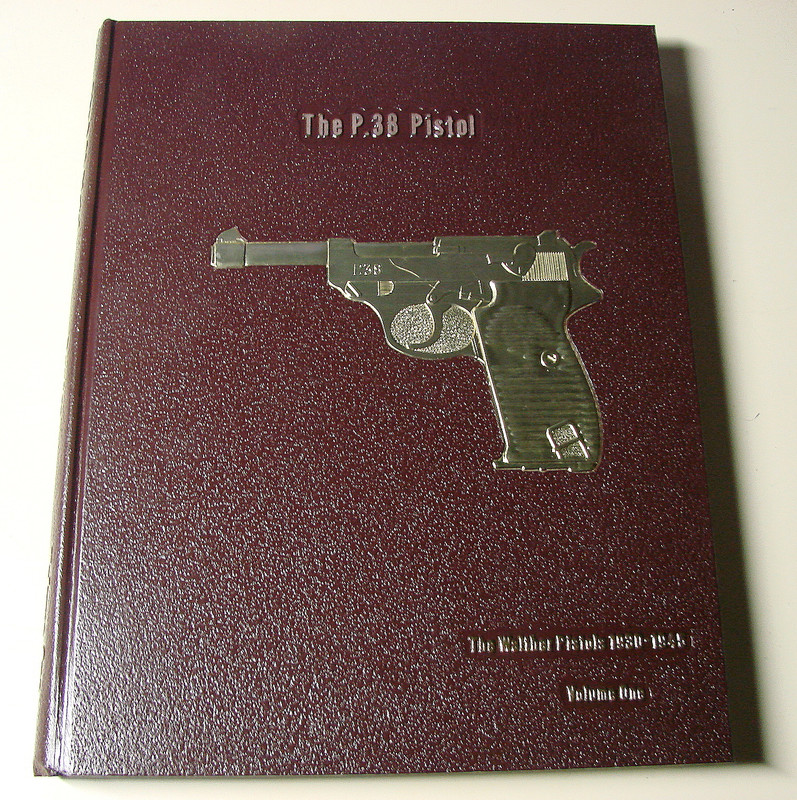

I will post photos of the other two pistols.
Both are very interesting 'vet bring back rigs'----with lots of provenance.
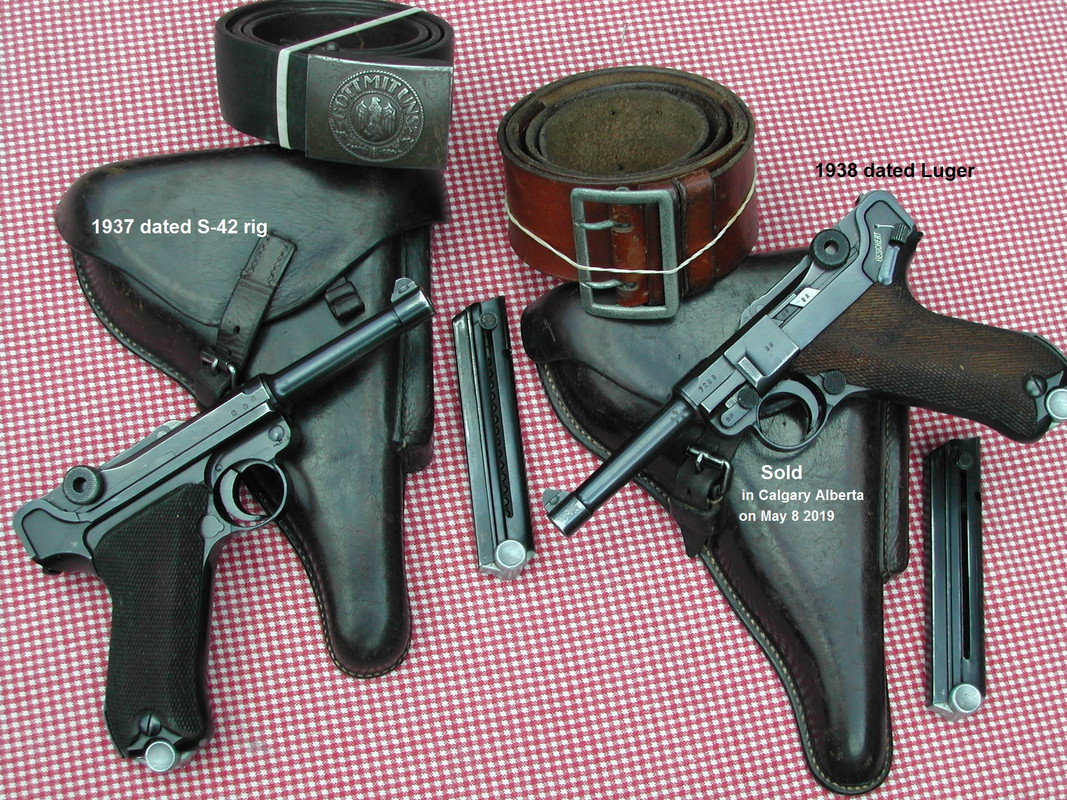
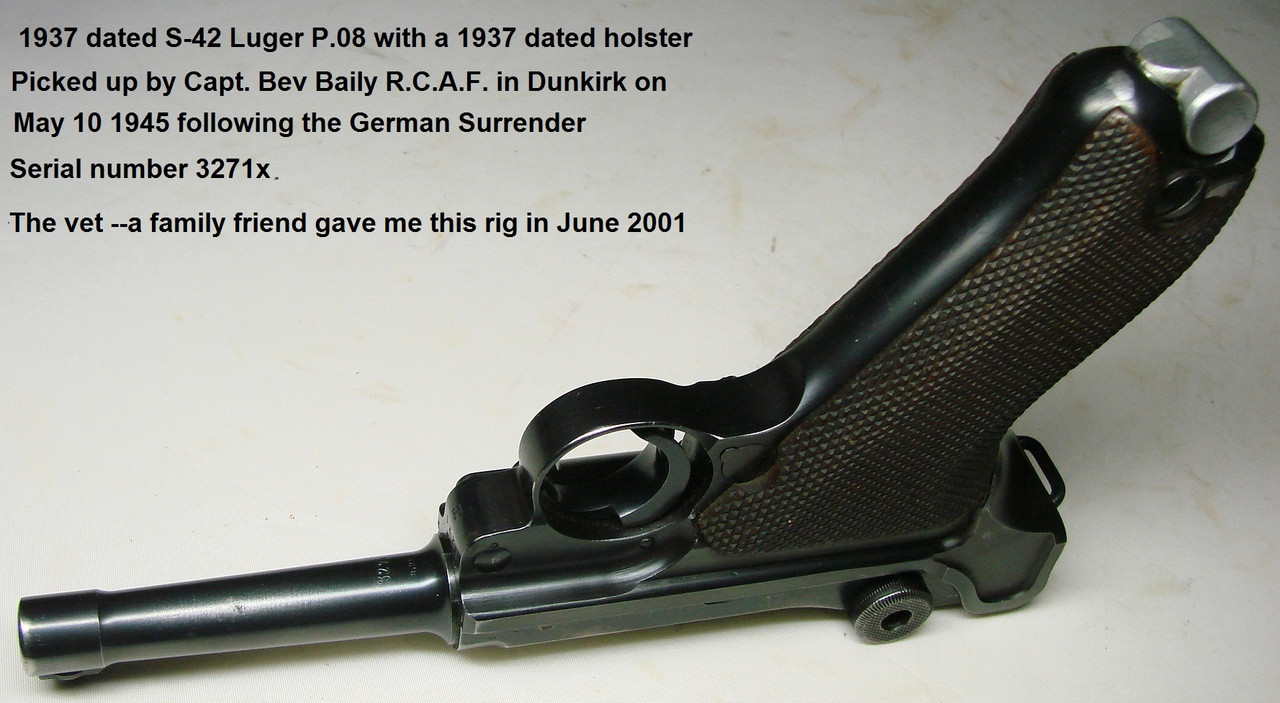
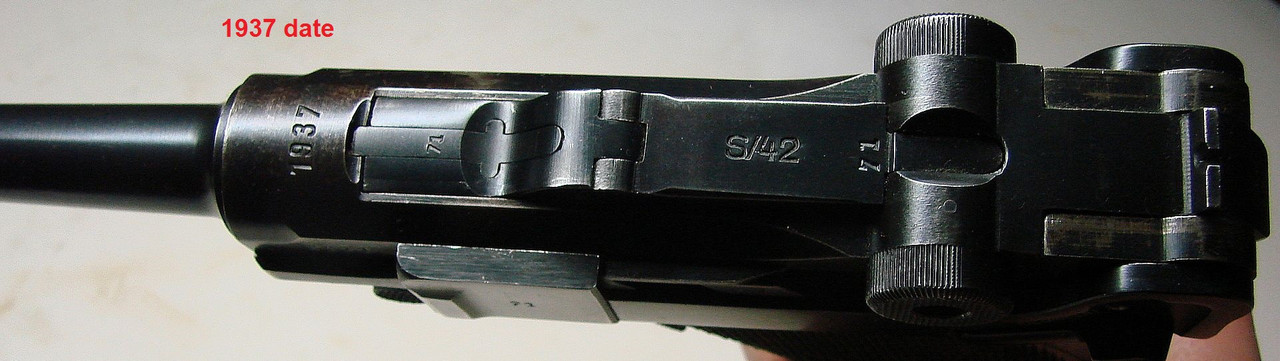
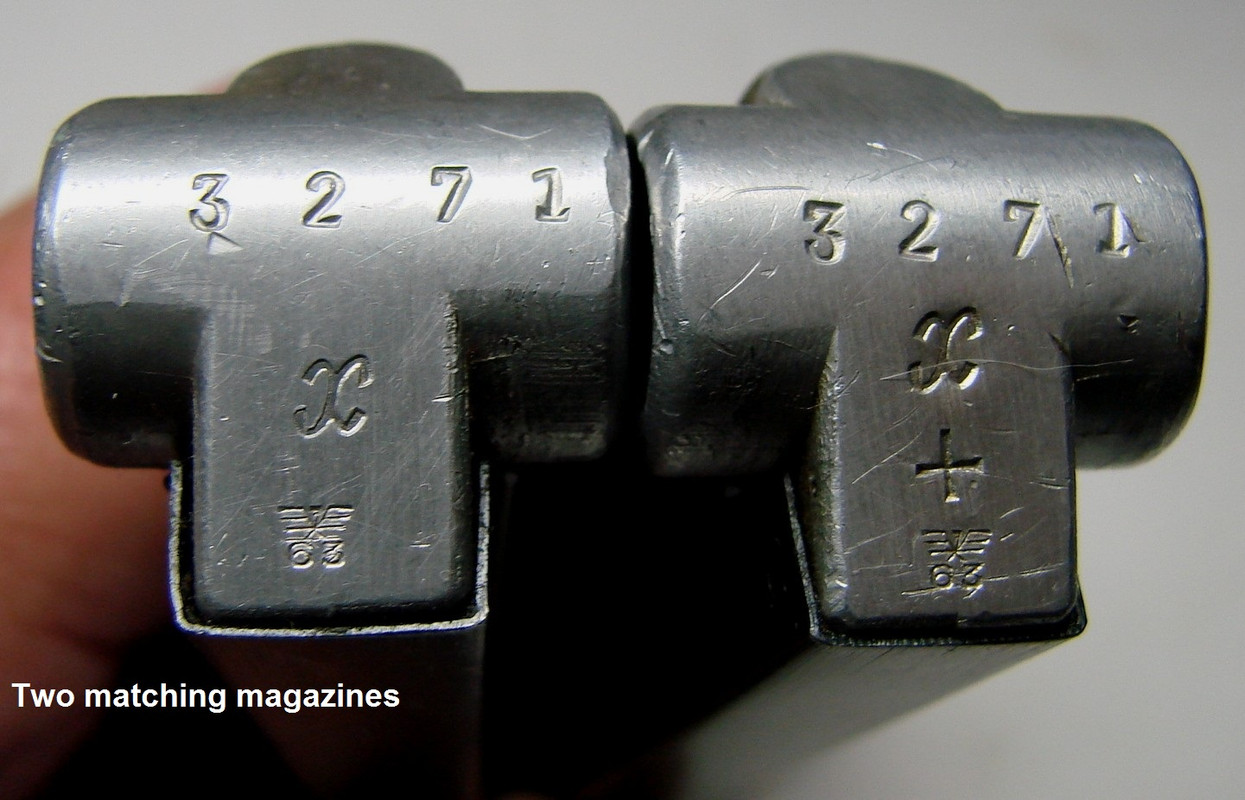
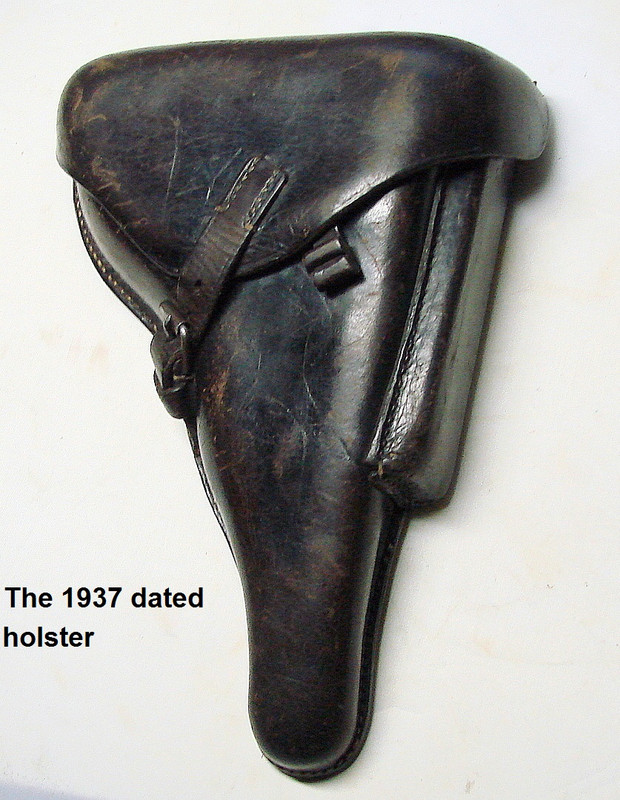
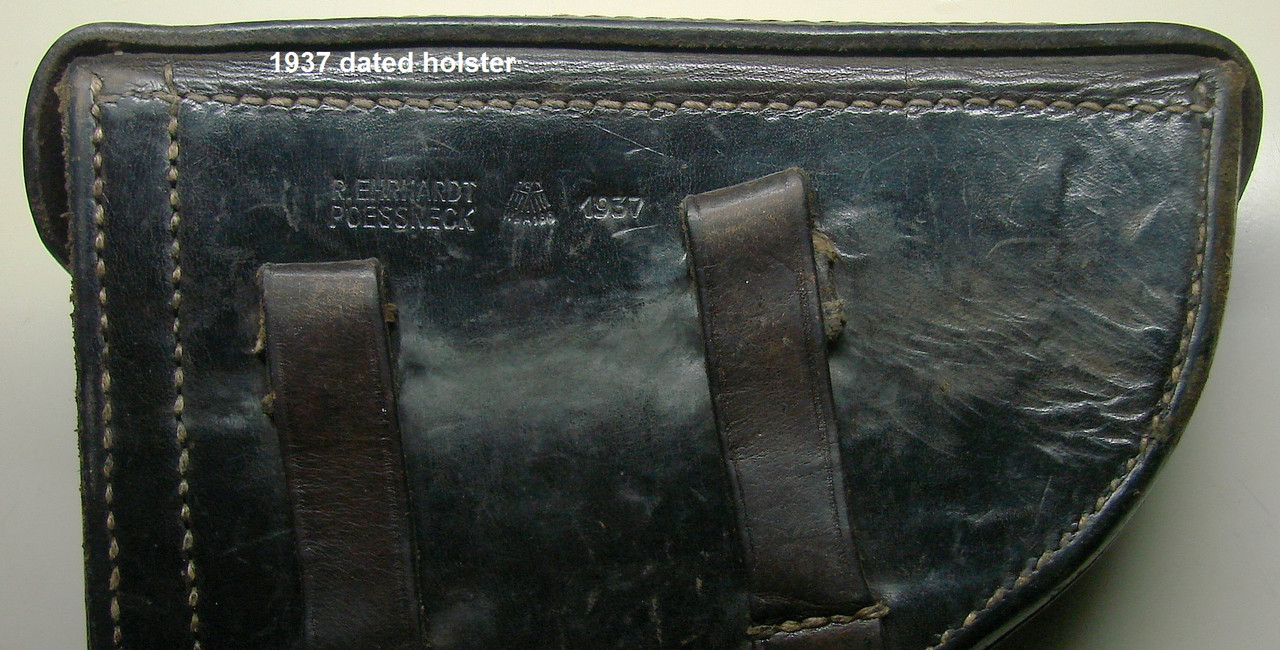
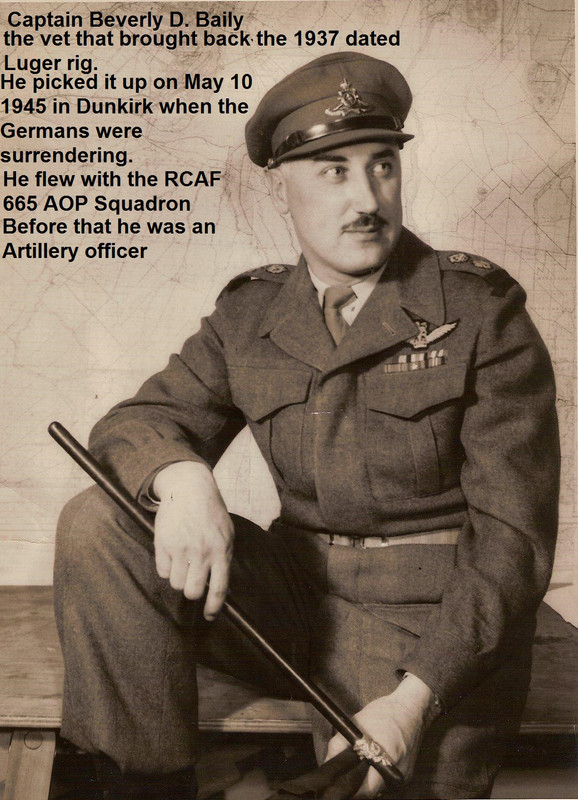
One is a 1937 dated Luger rig with two matching magazines in a 1937 dated holster.
This rig was given to me in June 2001 by the vet that brought it back.
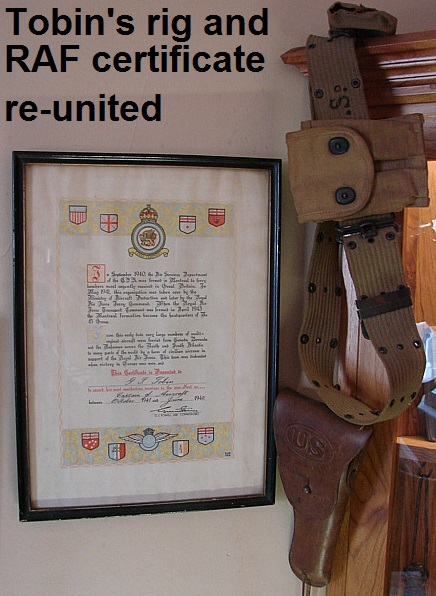
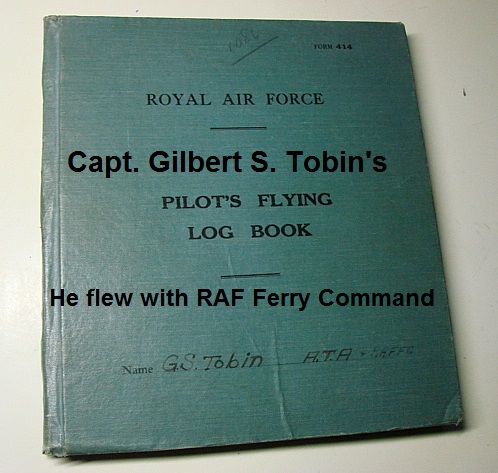
The other is a M1911A1 Colt rig brought back by an American who was flying with the RAF Ferry Command out of Dorval airport before the U.S. entered the war.
I got the rig from the son of the vet that brought it back.
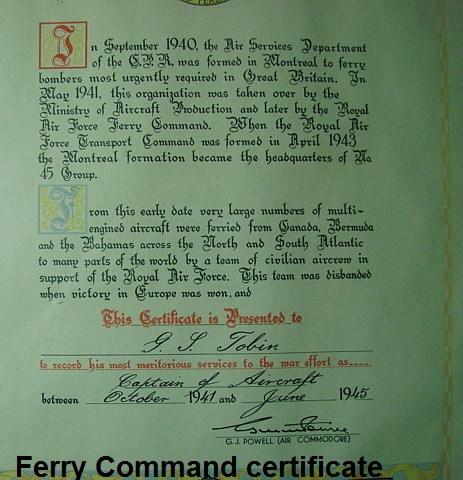
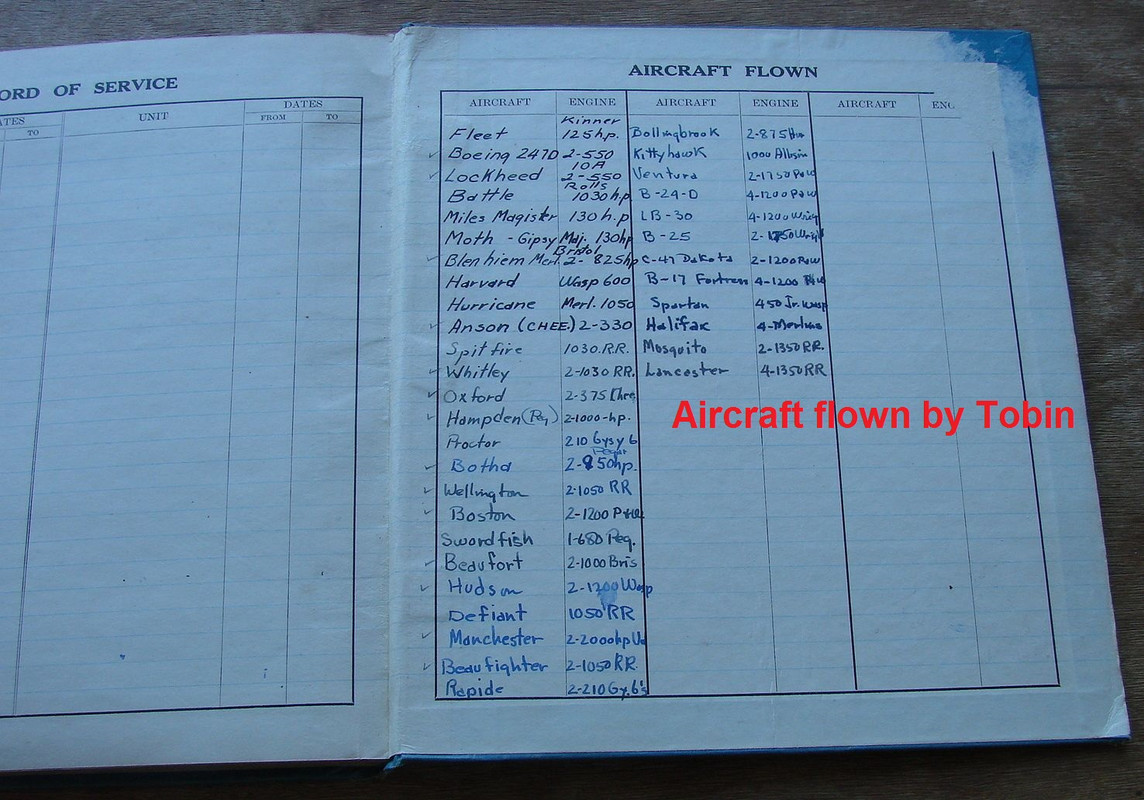
I also got the vet's Pilots Log Book and an RAF document received by him.
Both are very interesting 'vet bring back rigs'----with lots of provenance.
One is a 1937 dated Luger rig with two matching magazines in a 1937 dated holster.
This rig was given to me in June 2001 by the vet that brought it back.
The other is a M1911A1 Colt rig brought back by an American who was flying with the RAF Ferry Command out of Dorval airport before the U.S. entered the war.
I got the rig from the son of the vet that brought it back.
I also got the vet's Pilots Log Book and an RAF document received by him.

I will post photos of the other two pistols.
Both are very interesting 'vet bring back rigs'----with lots of provenance.
One is a 1937 dated Luger rig with two matching magazines in a 1937 dated holster.
This rig was given to me in June 2001 by the vet that brought it back.
The other is a M1911A1 Colt rig brought back by an American who was flying with the RAF Ferry Command out of Dorval airport before the U.S. entered the war.
I got the rig from the son of the vet that brought it back.
I also got the vet's Pilots Log Book and an RAF document received by him.
Blimey!
I bought this rig from the son of the U.S. vet that had enlisted early in the war in Canada in “Ferry Command” before the U.S. formally entered the war.
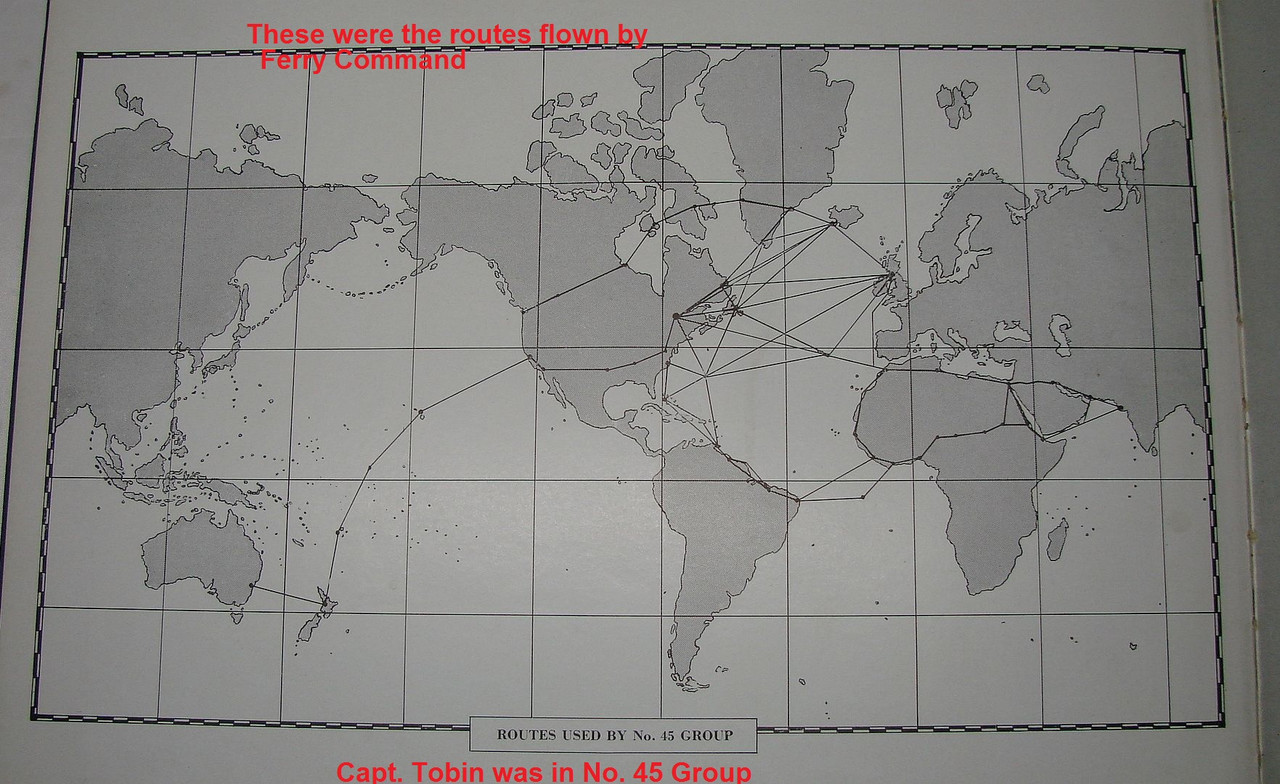
Ferry Command ferried aircraft from Canada to Britain/Scotland etc. during the dark days of the Battle of Britain.
In the early days "Ferry Command" enlisted civilian pilots when that human resource was limited.
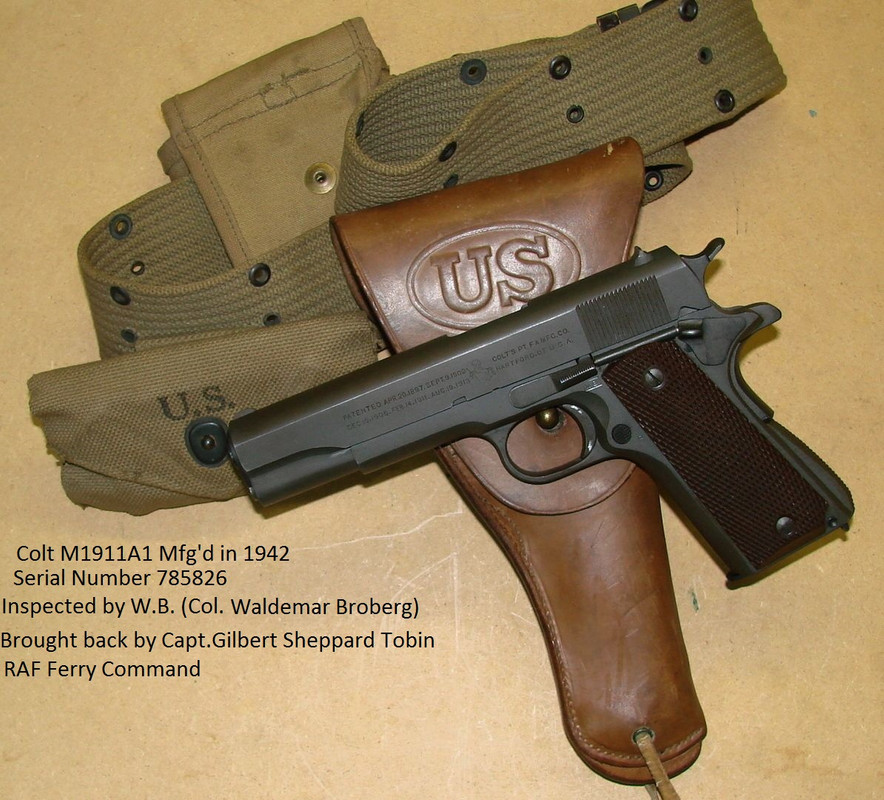
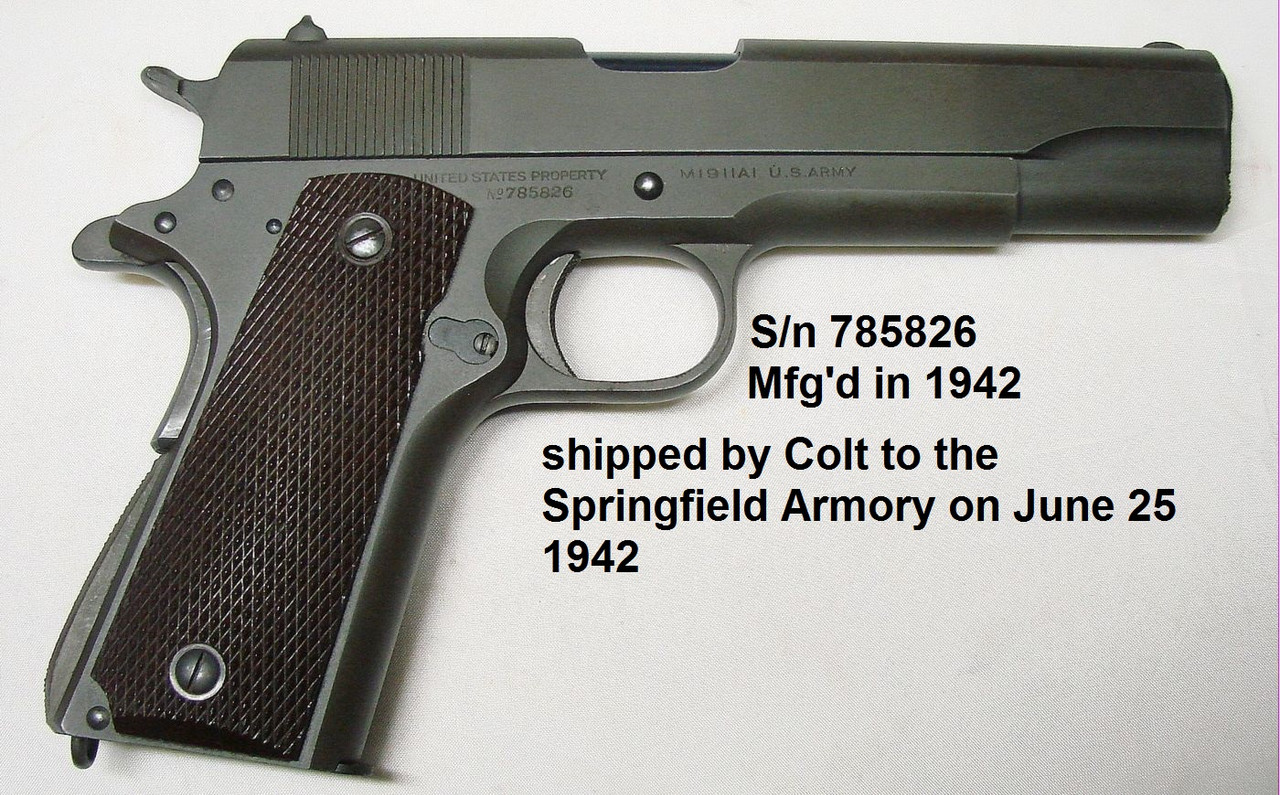
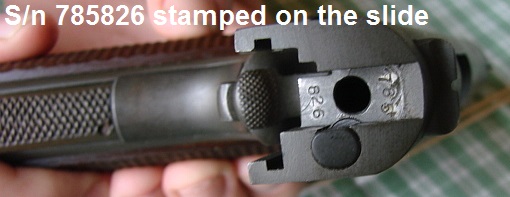
The rig comprises a Colt 1911A1 pistol Sn. 785826 delivered to the Springfield Armoury on June 25 1942.
“W.B.” is stamped on the frame above the left trigger guard web –Waldemar Broberg, Col. U.S. Army inspector‘s acceptance marking.
The holster is a Model 1916 light brown leather holster marked “CLINTON” 1918 F.W.T, also shown is a double magazine pouch marked R.H. LONG 5-18 ink stamped on inside flap.
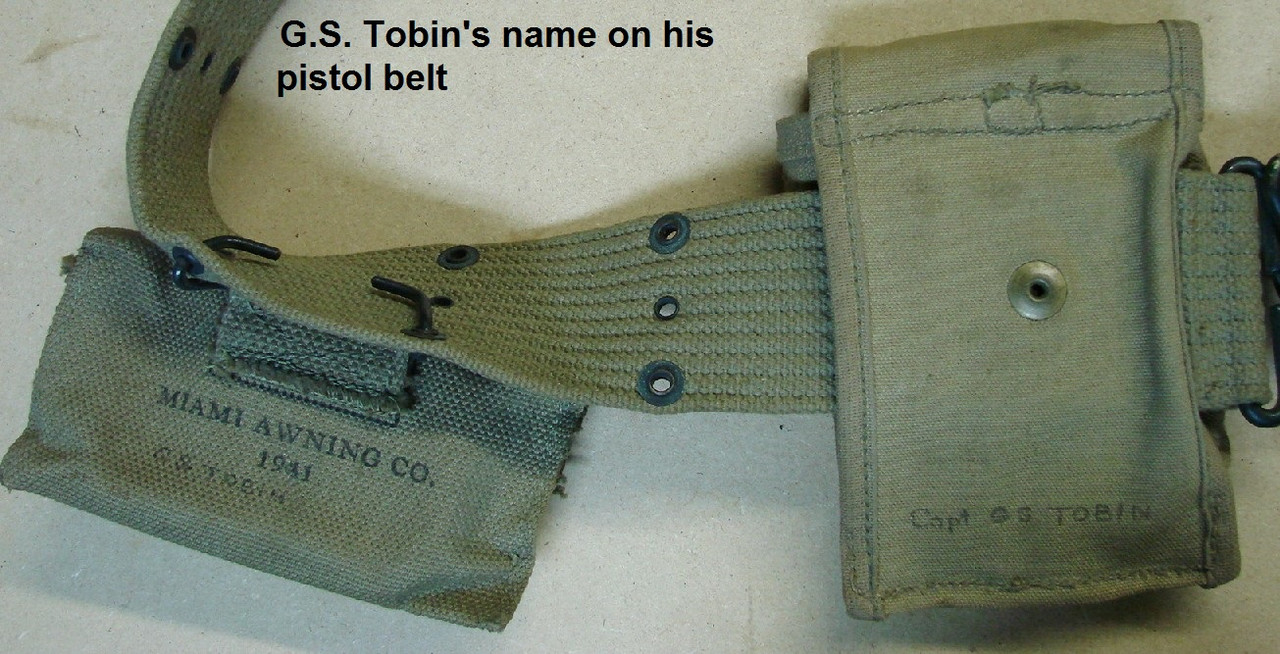
The field dressing pouch is marked with U.S. on the front, with”MIAMI AWNING CO 1941” markings on the rear.
Some of the components of this rig 'might' suggest left over inventory from WWI.
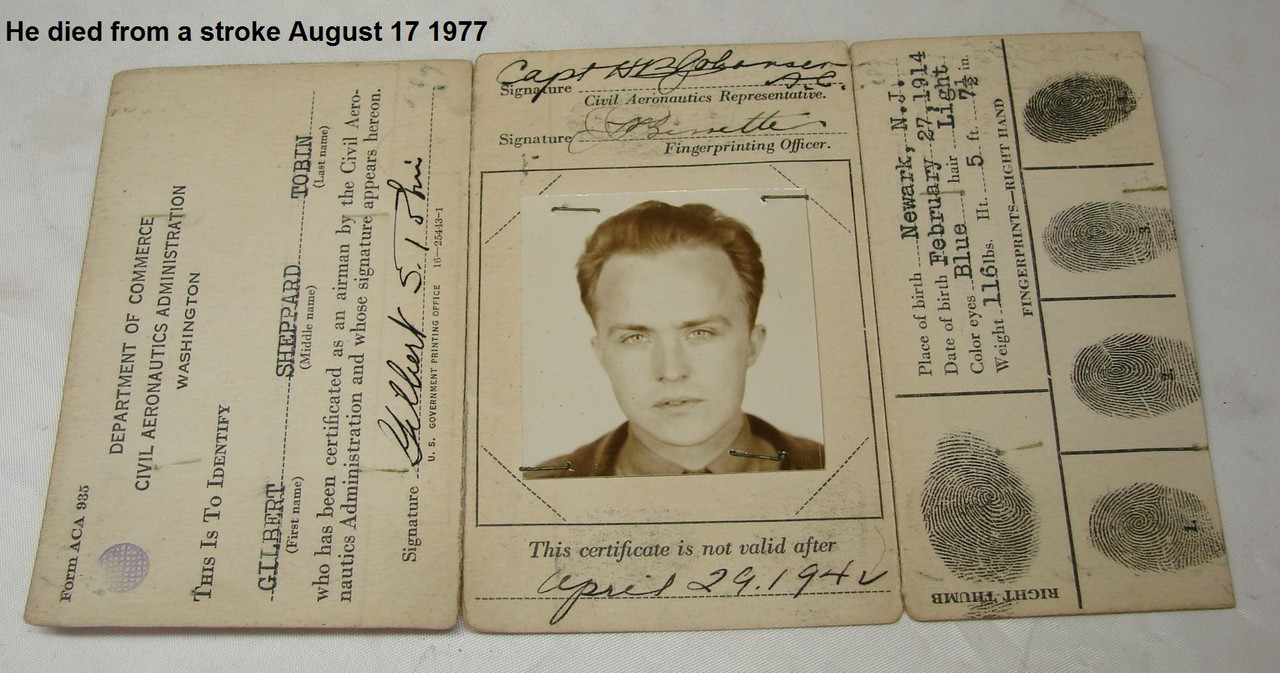
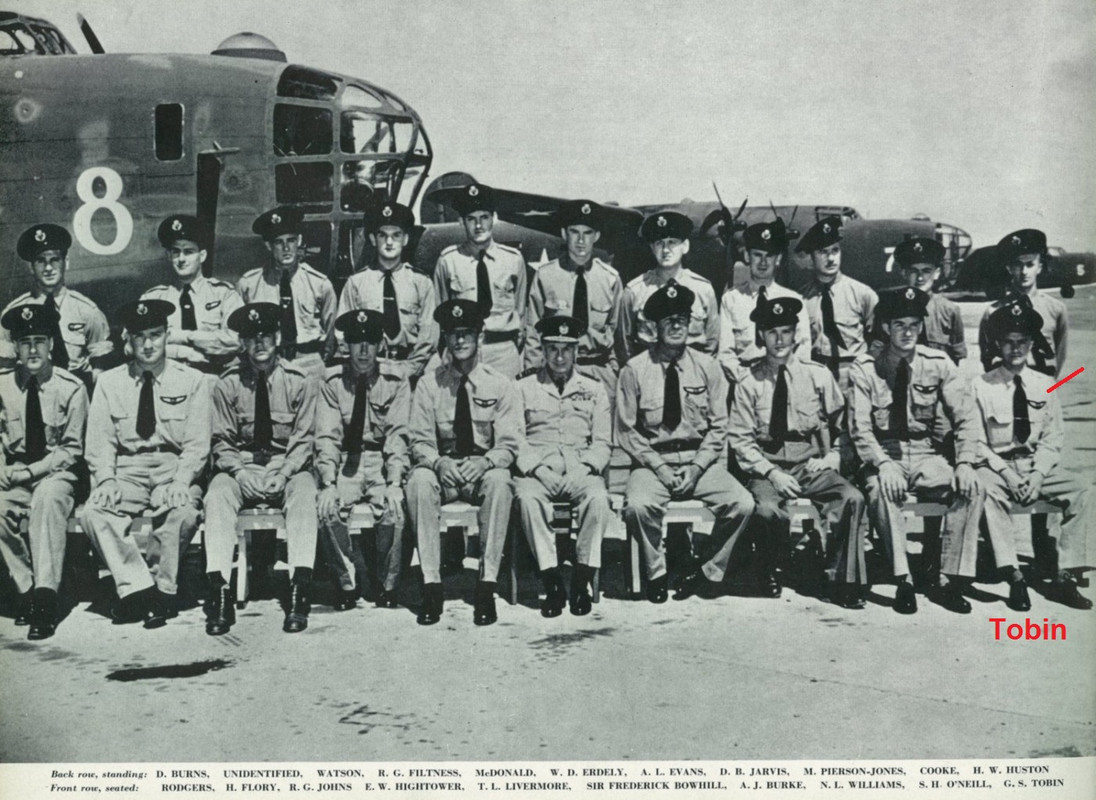
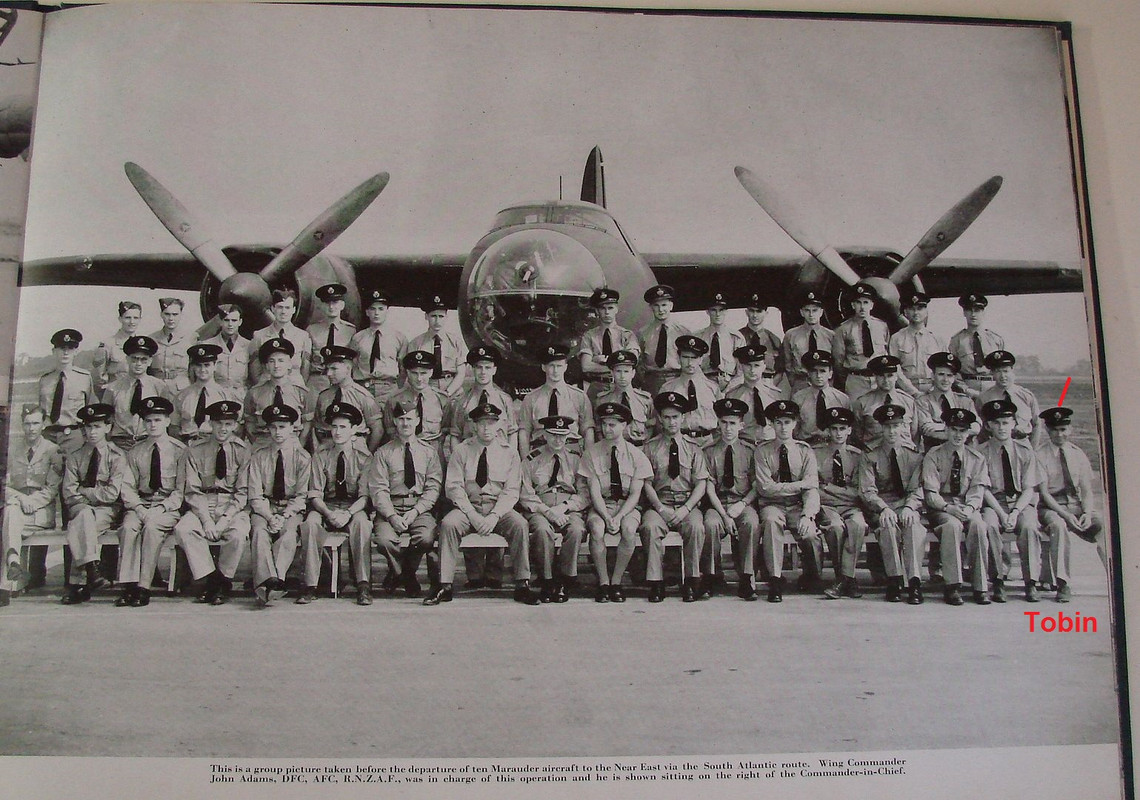
The holster, magazine pouch and field dressing accessories all have reference markings to Capt. G.S. Tobin who was originally from New Jersey.
After the war ended Tobin stayed in Canada, started a business, and brought up his family.
NOTE:
The following provides a short historical back drop on "Ferry Command" which I found quite interesting.
“The U.S. was still a neutral country, so word went out through the “aviation grapevine”
about a secret operation based in Montreal, that needed experienced civilian pilots.
They offered an irresistible combination- a vital and important job, the chance to fly the latest aircraft, and a very large pay check.
This attracted a rowdy bunch of airline pilots, barnstormers, crop-dusters and daredevils---men used to danger and risk. But nothing could prepare them for the treacherous winter skies over the North Atlantic Ocean, that in 1940 no one dared fly.
Before the U.S. had even entered the war, American pilots comprised over half of the civilian pilots that flew the experimental Ferry Command routes.”
It appears that Capt. G.S. Tobin was one of these U.S. pilots.
Gilbert Sheppard Tobin (the vet) died on August 17th 1977,...he was originally from Verona, N.J.
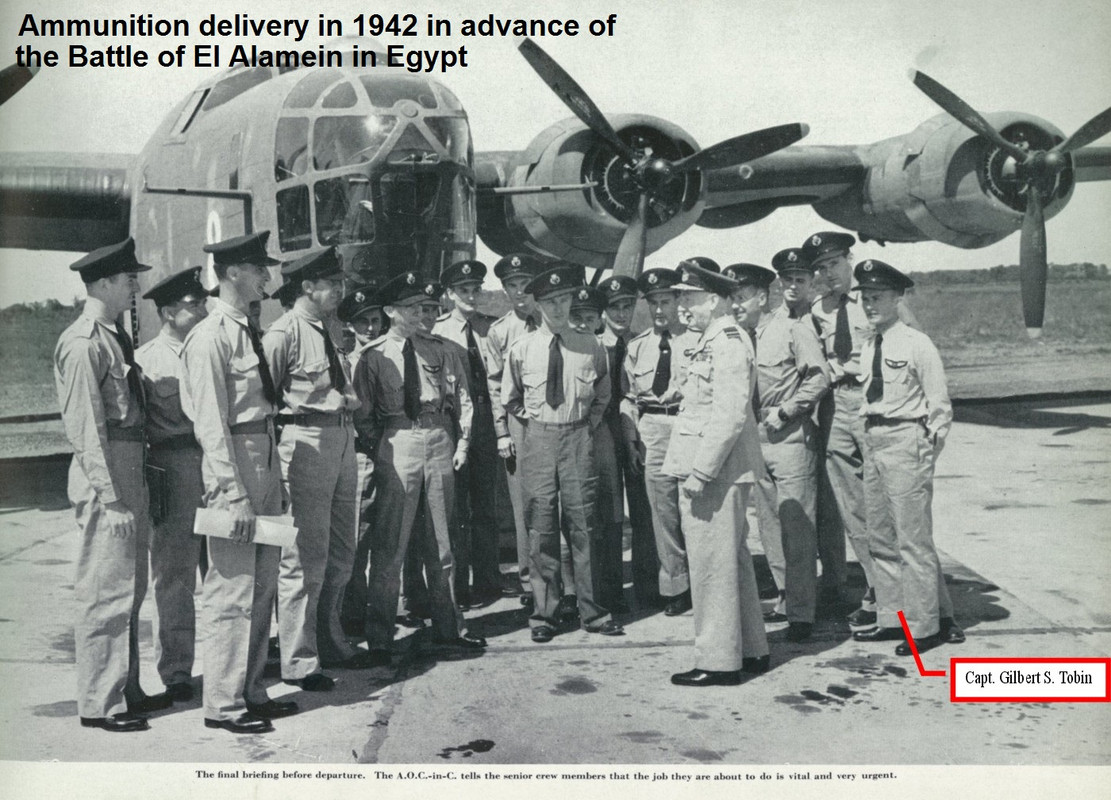
I found a caption on one of the photos above quite interesting.
“The campaign in North Africa as we well remember had many ups and downs and during one of the “downs” we were called to fly in great haste, a large quantity of ammunition required for the stand at El-Alamein. (Egypt)
A large fleet of Liberators took over this work and these group pictures are of the crews that operated them.”
It appears that Capt. Gilbert S. Tobin participated in that operation.
NOTE;
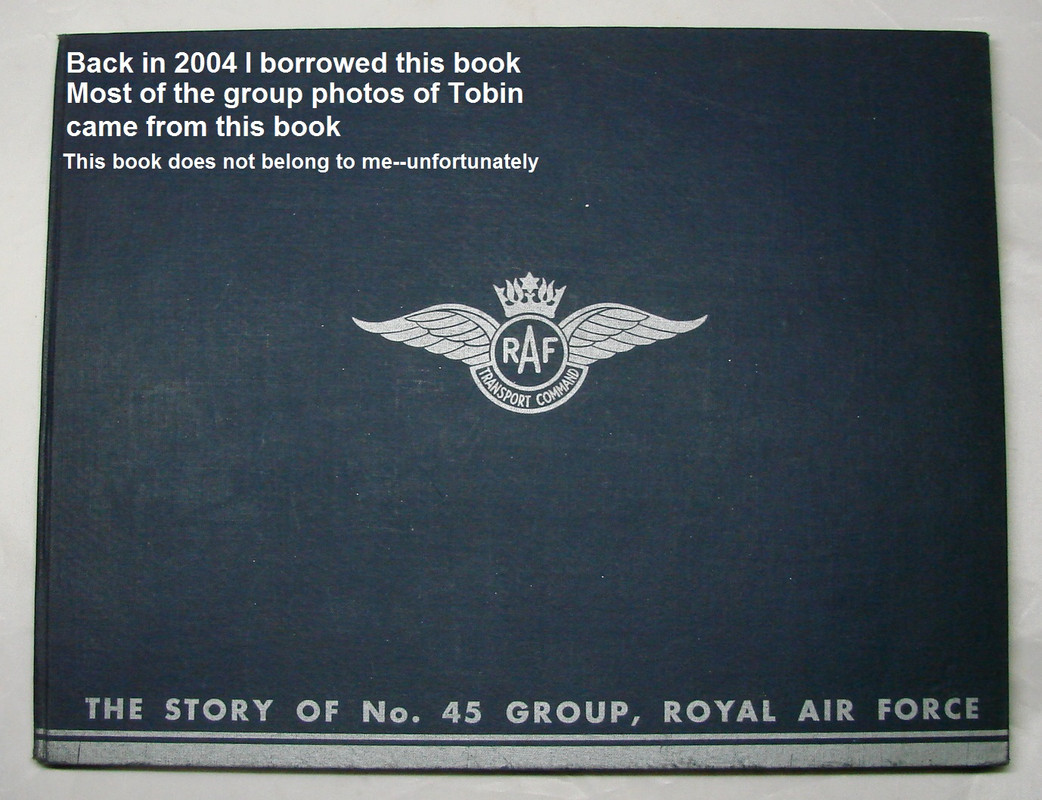
The vets two daughters were incredibly helpful in providing me access to photograph the vets stuff as well as borrowing four of his photo albums.
The vets history was made available to me----this does not happen very often with vet bring back pieces.


fingers284
CGN Ultra frequent flyer
- Location
- Alberta Cowboy Ranges
I would be interested to know the mechanics of Capt. Tobin leaving the U.S. forces to join the RAF and was allowed to take his "United States Property" 1911 and kit with him.
fingers284
Tobin was never enlisted in the U.S. military.
He joined the RAF (Ferry Command) in Montreal before the U.S. entered the War.
From my notes---
Before the U.S. had even entered the war, American pilots comprised over half of the civilian pilots that flew the experimental Ferry Command routes.”
I have no idea where or when he got the Colt.
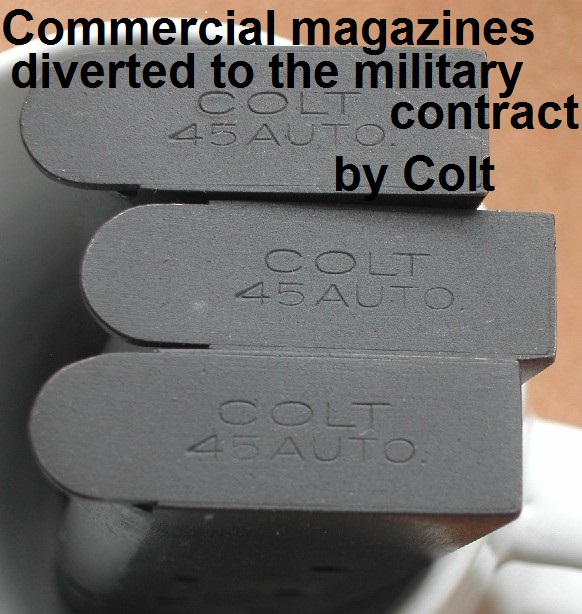
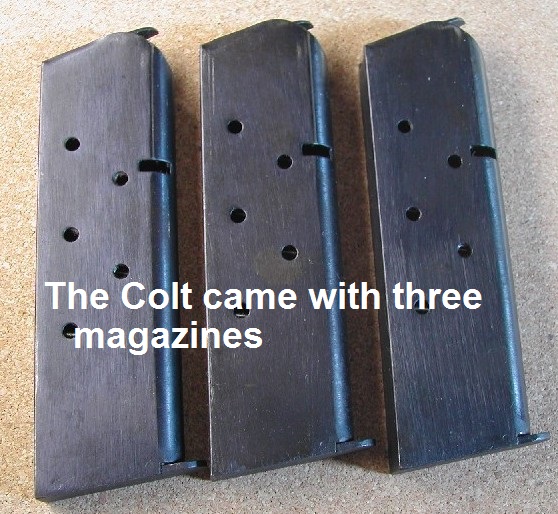
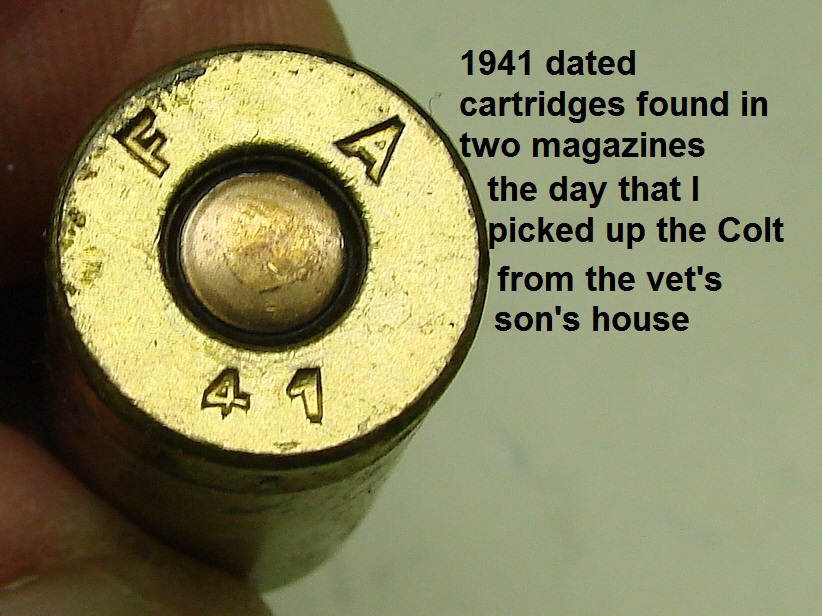
Two magazines were loaded with 1941 dated cartridges the day that I picked up the 'unregistered' Colt at the vet's son's house. I did not have a problem getting it registered.
Tobin was never enlisted in the U.S. military.
He joined the RAF (Ferry Command) in Montreal before the U.S. entered the War.
From my notes---
Before the U.S. had even entered the war, American pilots comprised over half of the civilian pilots that flew the experimental Ferry Command routes.”
I have no idea where or when he got the Colt.
Two magazines were loaded with 1941 dated cartridges the day that I picked up the 'unregistered' Colt at the vet's son's house. I did not have a problem getting it registered.
Last edited:
fingers284
CGN Ultra frequent flyer
- Location
- Alberta Cowboy Ranges
the fact that he didn't join the U.S. military just really mystifies the presence of "United States Property" on that gun...I guess, not that it is so marked, but more "how did he get his hands on it not being an member of any U.S. entity that would issue it legally.

Some more jumbled thoughts after looking back at my notes from that period.
Before the U.S. entered the war, aircraft manufactured in the U.S. were "ferried" (sometimes towed across the border into Canada because of the required U.S. status of neutrality at that time) and then flown to England and Scotland when the survival of Britain was in its darkest hour.
The pilots that were recruited for the "Ferry Command" came from many British Commonwealth countries as well as "free Poles", Czechs, Americans, and other nationalities.
The principal criteria for enlisting in the air force in the early days, was ,....you already knew how to fly an airplane.
This was perhaps the case for Capt. Tobin.
The interesting thing about his rig,...first of all,.. He had an American service pistol when he was flying for the R.A.F. (R.C.A.F.) "Flying Corps."??
Was that,.. Because he was on loan from the U.S. to the R.A.F.???
Or did he win it in a card game?
I think the flyboys may have had an easier time bringing souvenirs back in their aircraft than the troops returning by ship?
After the war Tobin went into the used aircraft parts business, and (supposedly) with some of his old buddies bought and sold complete WW11 vintage aircraft that they found overseas.

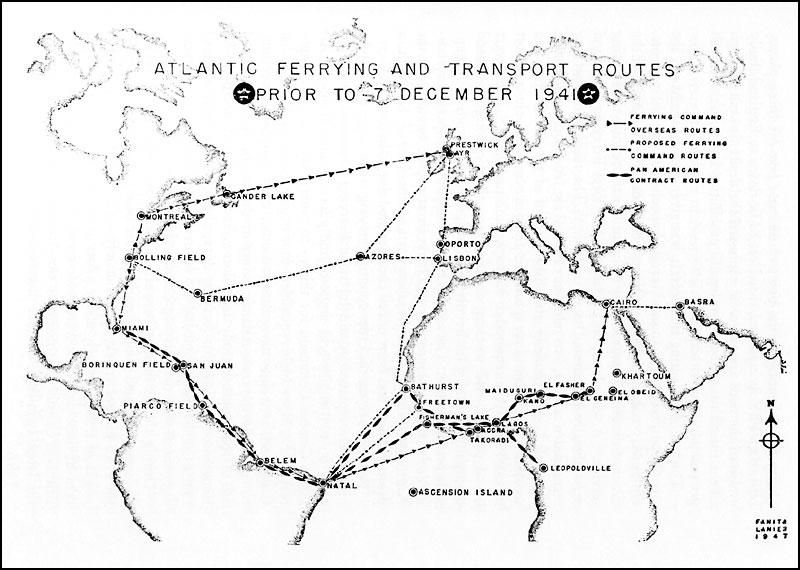
Before the U.S. entered the war, aircraft manufactured in the U.S. were "ferried" (sometimes towed across the border into Canada because of the required U.S. status of neutrality at that time) and then flown to England and Scotland when the survival of Britain was in its darkest hour.
The pilots that were recruited for the "Ferry Command" came from many British Commonwealth countries as well as "free Poles", Czechs, Americans, and other nationalities.
The principal criteria for enlisting in the air force in the early days, was ,....you already knew how to fly an airplane.
This was perhaps the case for Capt. Tobin.
The interesting thing about his rig,...first of all,.. He had an American service pistol when he was flying for the R.A.F. (R.C.A.F.) "Flying Corps."??
Was that,.. Because he was on loan from the U.S. to the R.A.F.???
Or did he win it in a card game?
I think the flyboys may have had an easier time bringing souvenirs back in their aircraft than the troops returning by ship?
After the war Tobin went into the used aircraft parts business, and (supposedly) with some of his old buddies bought and sold complete WW11 vintage aircraft that they found overseas.






















