Unknown .22

mmcintyre1220

CGN frequent flyer
Rating - 100%
139   0   0
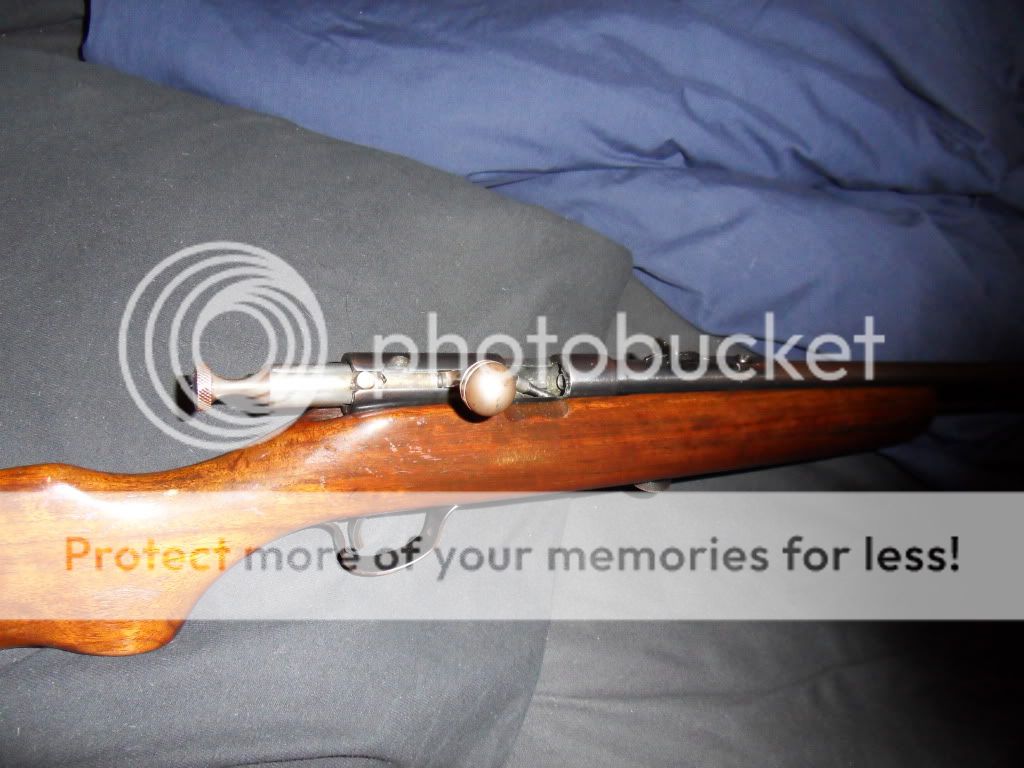
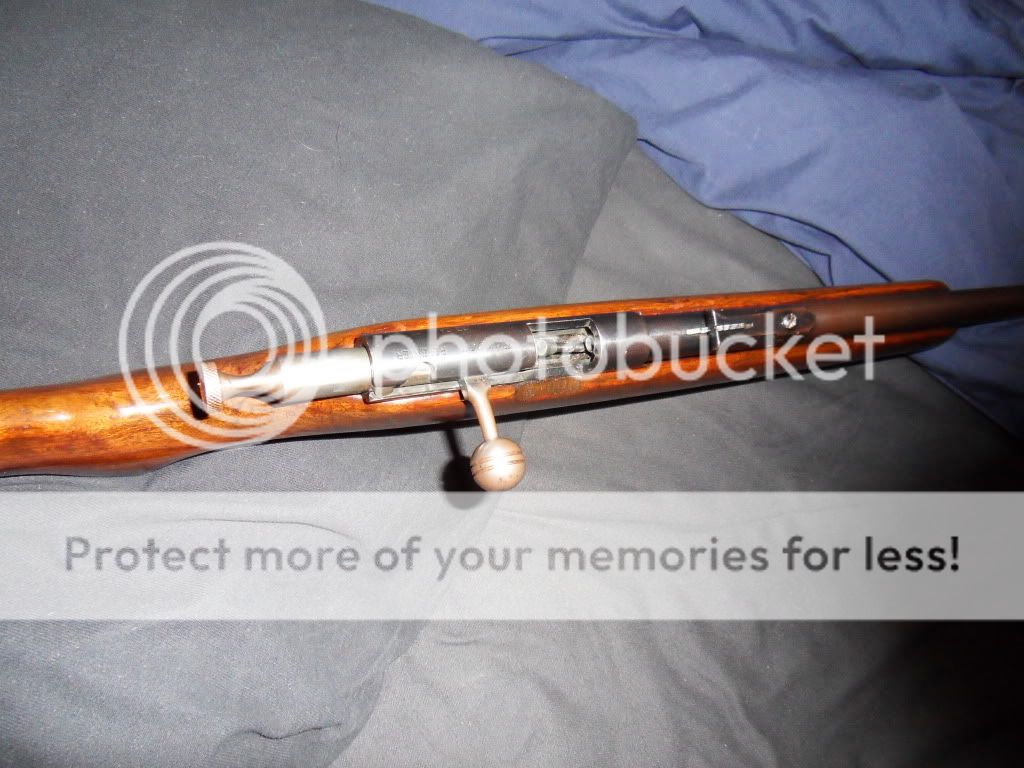
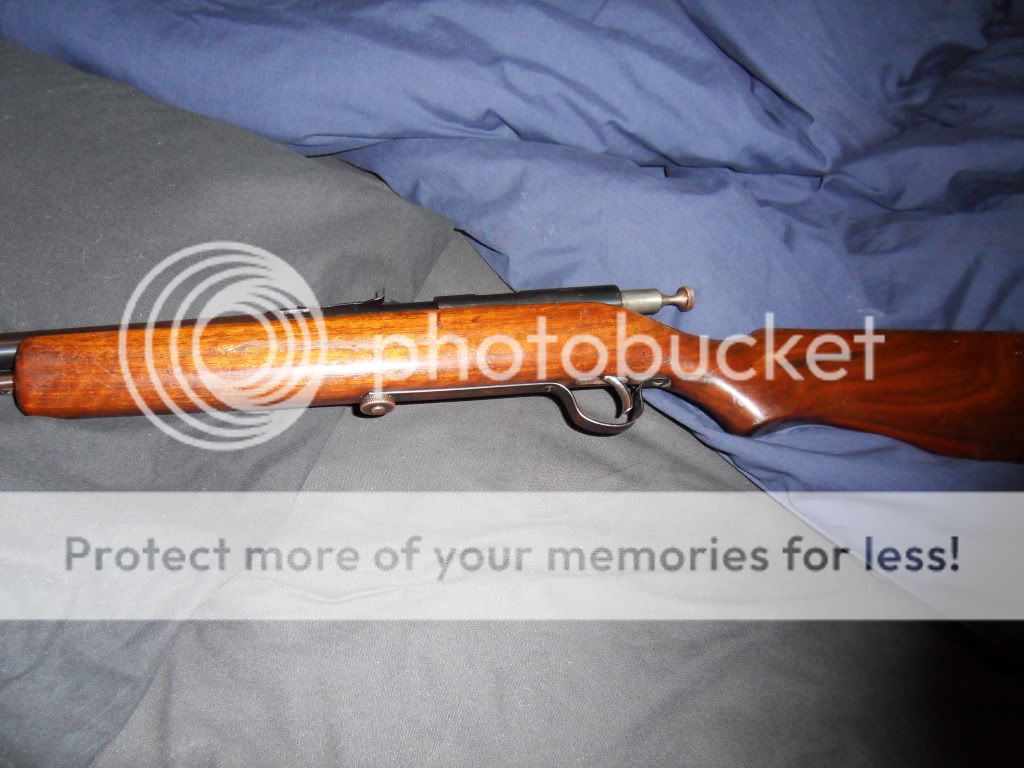
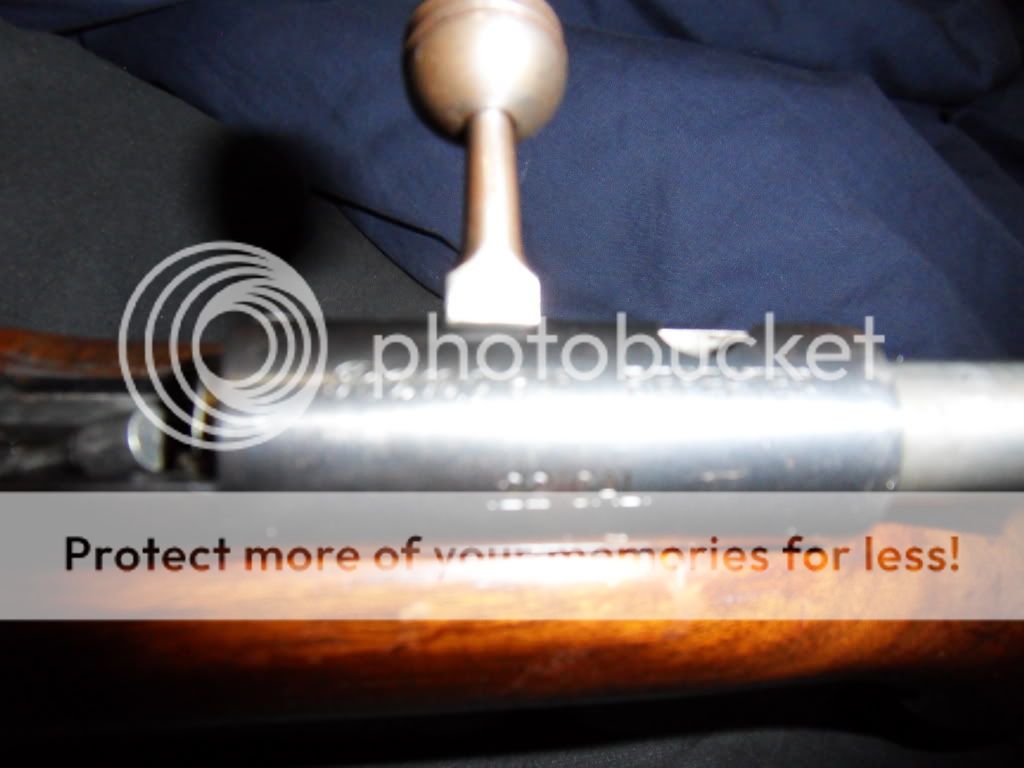
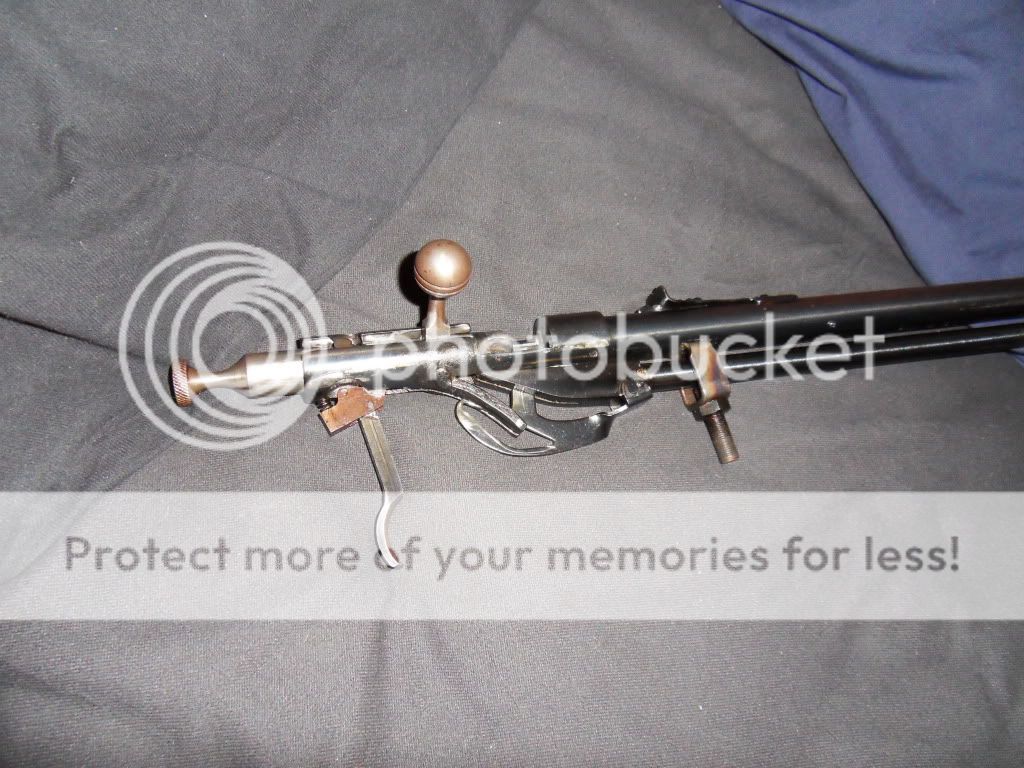
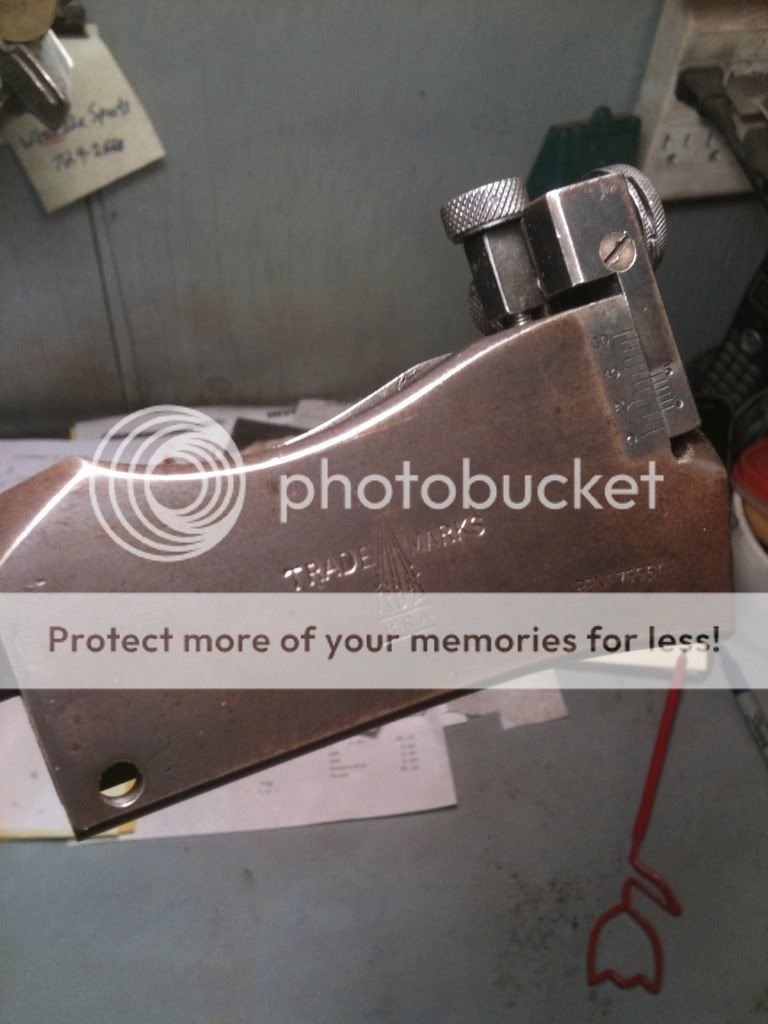
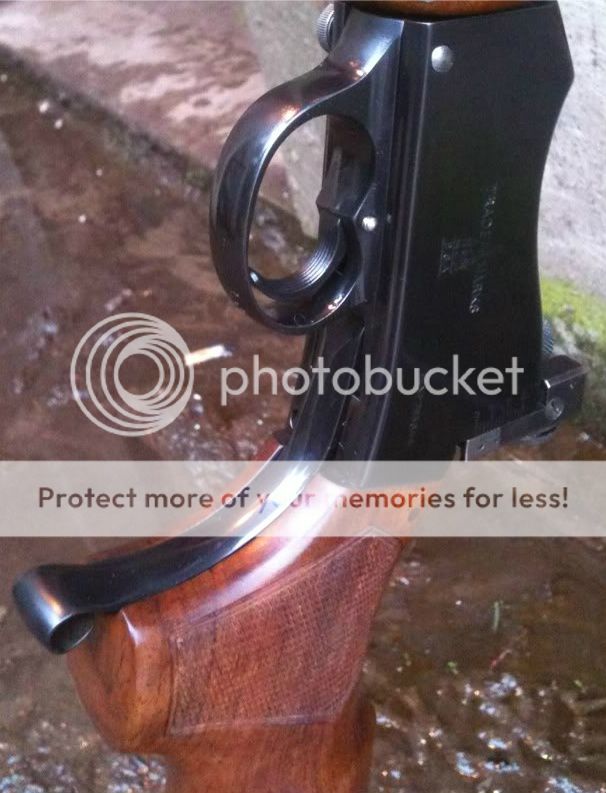
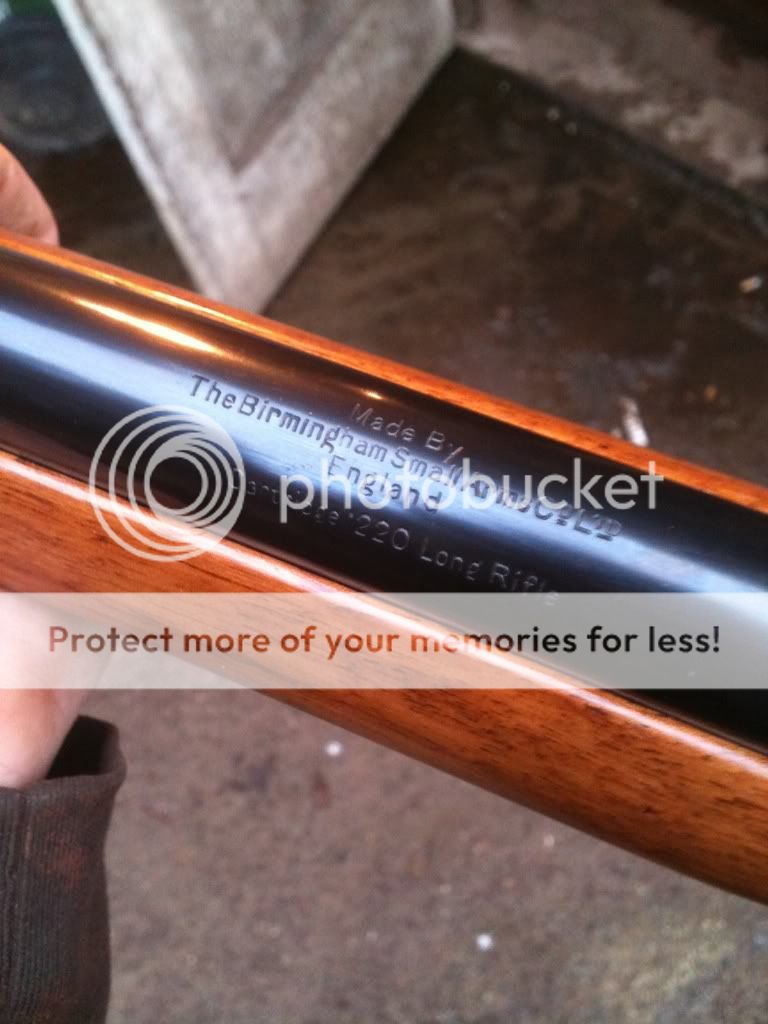
I have a what seems to be old .22LR bolt action tube mag rifle. The only markings on it are ranger repeater .22cal. No searial number or anything. I have done some research on it with no luck. anyone have any ideas? Looks damm ugly but shoots actually very well, I use it for squirrels and other odds and ends.

Thanks guys

SDC11241.jpg


SDC11242.jpg


SDC11243.jpg


SDC11244.jpg


SDC11246.jpg
 
Cooey .. not sure of model # but I have recognize the Ranger name, friend of mine has one. I'm sure someone will come along and give you the exact details you are looking for :D
 
Rangers are "House Brand" guns. They were made by companies such as Marlin, Savage, Stevens and H&R, but were marketed under the Ranger logo. They were usually sold by large department store chains.
 
Last edited:
Brand names

As mentioned, this rifle is a Cooey Model 60.

Many of the major Hardware and Catalog stores such as Sears, Sears-Roebuck, Eatons, Fields, MacLeods, Western Field and C.I.L. plus others had firearms made by the known firearms manufacturers. These were stamped with their own brand name and model number.

For example, Sears had the Model 200 shotgun, a copy of the Winchester Model 1200, and the Model 54 Sears (or Ted Williams name) was the Winchester Model 94 Carbine.

C.I.L. retailed Savage, Anshcutz, and other rifles under their name. If you knew what the rifle was, you could pick up some great bargains, as a lot of these Brand Name firearms were the same as the higher priced models, but maybe with a little plainer finish or decoration.

Along with the domestic produced rifles, Sears also imported some very nice sporting rifles made by Sako and FN, at a bargain price. The only thing about the Sears firearms is that they tend to have different numbers for the same rifle. For example, the contract number is used, and 20,000 High Standard .22 rifles might be 12345.001 and the 20,000 Winchester 30-30 might be 12345.002, and some shotguns might be 12345.003, and when they wanted another 20,000 High Standard 22 rifles of the same model as they ordered before, the Model number was then 12345.004, not the 12345.001 of the first batch. Same identical rifle, but different Sears stock model number, a bit confusing to some.

But, you have a good solid rifle to shoot, a piece of Canadian firearms lore, and something to have fun with. Enjoy!
.

 
No serial means it may be a touch older than you thought too...I think (gurus add/correct as required) that serial numbers were added by 1968.

Nice find...not all of these were treated so well and, look much older now!

Yep, she is before 1968 as the model 60 was dropped in 1966 and became the model 600 in 1967. It was made for Eatons.
 
Yep, she is before 1968 as the model 60 was dropped in 1966 and became the model 600 in 1967. It was made for Eatons.

Yep, Cooey model 60 became the {Cooey} Winchester model 600 around that time. Either Cooey sold to Winchester or Winchester forced an acquisition of the Cooey arms plant. IMHO after Winchester took over the name, the rifles quickly lost the care and quality control that made them what they were. On point; no more case hardened receivers, trigger assemblies started to introduce plastic, stocks made from unseasoned {or not well seasoned} wood causing cracking after a few years. accuracy {what they were known for} also went out the window with quality control. In short...Big Brother just didn't give a sh1t, people stopped buying {maybe what Winchester intended in the first place:(} shame really, they were and still are great rifles. Dear Ol' Dad had a "sure shot" another name for the model 60 and was the first rifle I ever shot. I'd still put it up against any plastic Ruger/Mossburg POS.:rolleyes:
 
I think these rifles are worth it!:) They are under-valued in today's tacticool era. If you are going to reblue get a smithy do it professionally in a hot tank, you will be disappointed if you try to cold blue it yourself.
As for the stock; don't use sandpaper, rather a gel stripping compound to get rid of the old varnish. Wash the stock let it dry. If it's a little rough use 0000 steel wool to "lightly" smooth it out. Finish with {IMO} raw linseed oil, one coat a week for a month, one coat a month for a year and then once a year or when required {you'll know}. This finish is my favorite for wood stocks and is in the military tradition even if the rifle is not. Smells great too:D


Oh yea; once done speaking of tradition, it is a cgn must to post before and after pics if you weren't aware:D
 
Last edited:
Thanks for all the info I appreciate it. Do you think it is worth attempting to reblue it and refinish the stock or leave it as is ?

Absolutely. I would use a bit of sandpaper after stripping if there are some dents showing, but it doesn't look like this one will have much need of it. My own technique is to use 400 then 600 sand paper, then extra-fine steel wool. Makes the stock really soft to the touch and very nice and glossy.

A re-blued Cooey is a thing of beauty; put it onto a refinished stock and you will have a 60-year-old shooter that looks like it came out of the factory yesterday, and can outshoot any rival up to those $2000 competition rifles.
 
I would not sand at all if you don't need to. I use chemical strippers. To raise any dents steam them out with a hot iron. Place a damp cloth over the dent and place the hot iron on it. You may have to repeat process but unless the dent is deep, you can usually raise them. If real deep you either leave them (it is an old gun after all) or fill them with a glue and mixture of sawdust . This way you can maybe match the color better with some touch up stain, unless you are staining the whole stock. I like to use pure tung oil but make sure it is pure, not the tung oil finish that most are. They are mostly varnish. A lot of people like the Birchwood Casey True Oil finish. You can knock it back if it is too glossy for your liking. I have cold blued barrels and have achieved very good results. Problem is most say that cold bluing doesn't last. I guess time will tell. However, on my next project I am going to slow rust blue which can be done at home. It just takes more time. This is the way older shotguns were done and it gives a very nice, tough blue finish. Some say better than hot bluing.


 
I would not sand at all if you don't need to. I use chemical strippers. To raise any dents steam them out with a hot iron. Place a damp cloth over the dent and place the hot iron on it. You may have to repeat process but unless the dent is deep, you can usually raise them. If real deep you either leave them (it is an old gun after all) or fill them with a glue and mixture of sawdust . This way you can maybe match the color better with some touch up stain, unless you are staining the whole stock. I like to use pure tung oil but make sure it is pure, not the tung oil finish that most are. They are mostly varnish. A lot of people like the Birchwood Casey True Oil finish. You can knock it back if it is too glossy for your liking. I have cold blued barrels and have achieved very good results. Problem is most say that cold bluing doesn't last. I guess time will tell. However, on my next project I am going to slow rust blue which can be done at home. It just takes more time. This is the way older shotguns were done and it gives a very nice, tough blue finish. Some say better than hot bluing.


X-10!!

I've become a bit of a slow rust blue afficianado... It's very tedious work that needs to be done with great care for good results, but it looks and wears better than even hot caustic salt blue and can be done safely by most shadetree gunsmiths in a garage or workshop.

If you decide to go this route shoot me a PM and i'll point you in the right direction to get started.

Im actually getting set up this weekend to re-blue a cooey 75 i picked up recently. I'll post some before and after pics.

Infact, i have pics of a slow rust blue job i did already;

Before;
b2d63045.jpg


After;
454a2cca.jpg


You can't get a cold blue to a mirror like polish like you get with a rust blue
35da3933.jpg


And notice... it actually has a blue tone! modern hot caustic salts give you more of a black hue IMHO.
ca965ebc.jpg
 
Back
Top Bottom