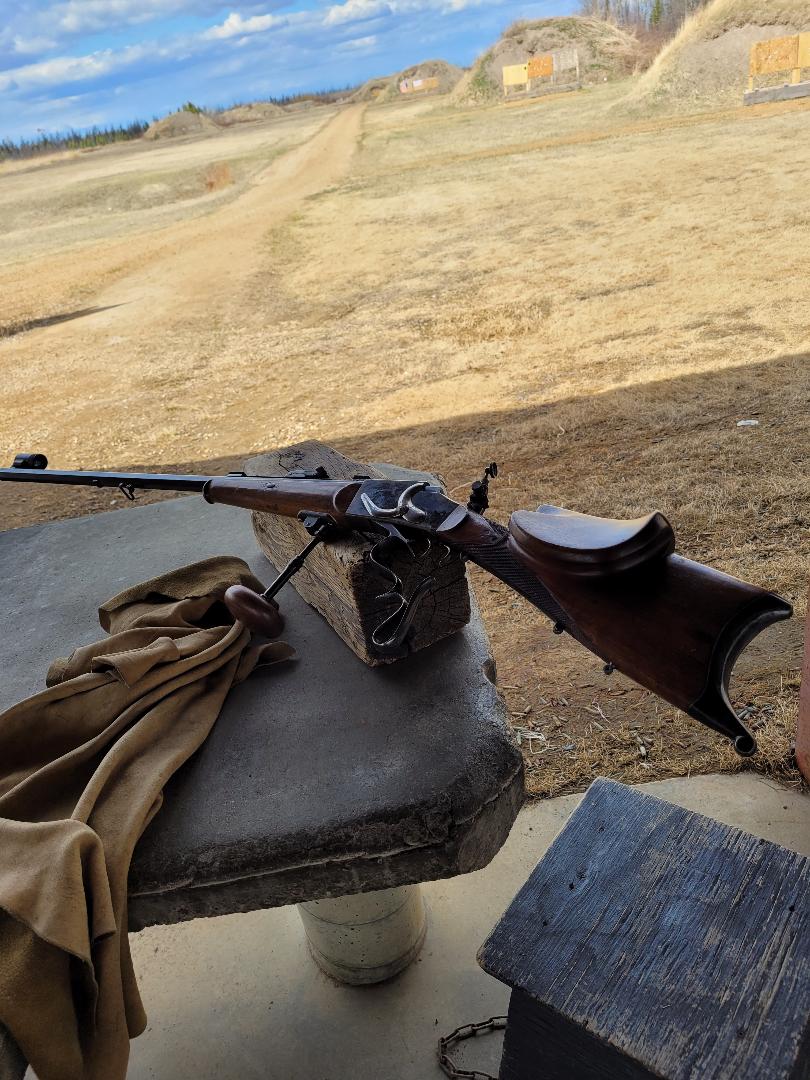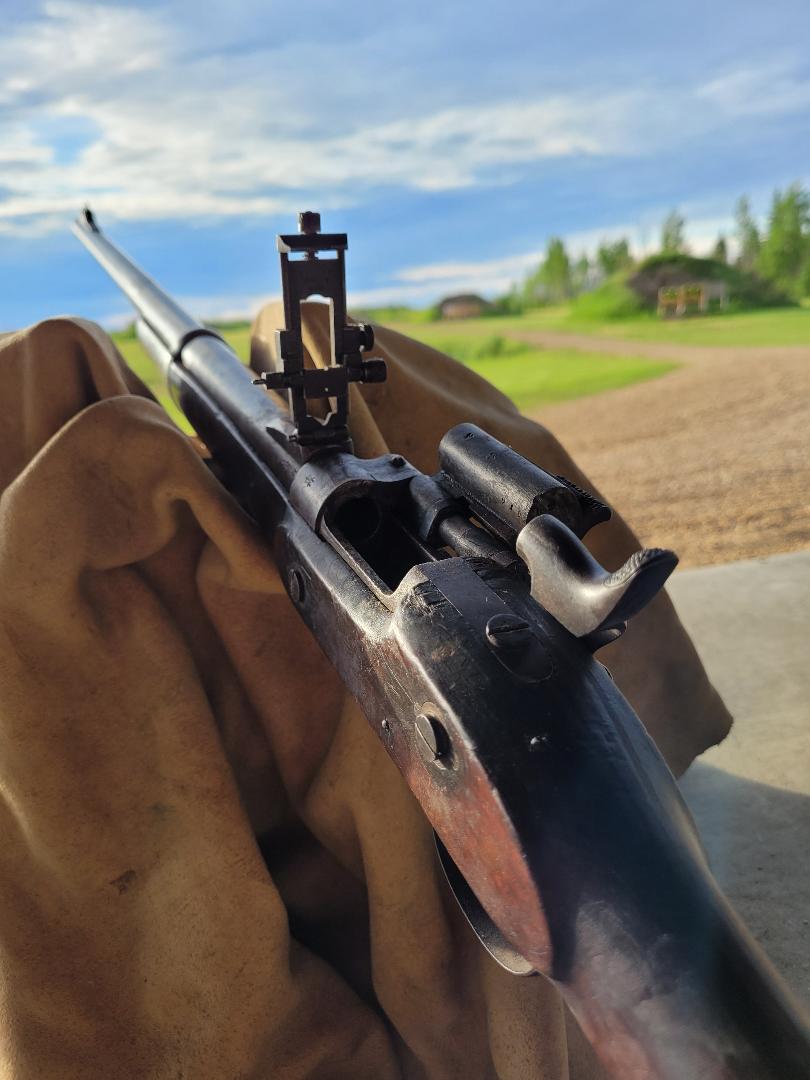










































Why are you into antiques?

Why are you into antiques?

  • NRish use & not tracked by gov't. If modern guns were unregulated wouldn't own any antiques

    Votes: 13 15.5%
  • Mostly "option 1" but I also find their history interesting.

    Votes: 9 10.7%
  • Split betw Opt 1 and Opt 5 - like being able to use them like NR & like owning a piece of history

    Votes: 12 14.3%
  • Mostly option 5, but in addition to historical value, NRish & unregulated is a bonus

    Votes: 19 22.6%
  • Historical value fascinating; want to own them to preserve connection to past

    Votes: 31 36.9%

  • Total voters
    84

CobraGT

CGN Ultra frequent flyer
Rating - 99.6%
271   1   1
I've been getting more into older guns as I get older, but I'm still mostly into antique handguns simply because I can treat them like NR rifles and take them with me into the woods to shoot pop cans and what-have you. I've become reeeally tired of gun ranges over the years. Given that there are much objectively BETTER modern firearms out there... why are people into antiques?

POLL

Option 1 - I like the fact that they (particularly the handguns) can be used "wherever", and are not tracked by our benevolent overlords. If modern guns were unregulated I very likely wouldn't own any antiques.

Option 2 - Mostly "option 1" (relatively unregulated handguns, can be used in the woods), but I also find their history interesting. Still, if modern guns were legally the same I probably wouldn't own any antiques.

Option 3 - Split between Option 1 and Option 5 - like the ability to use them wherever, and also find owning a piece of history pretty cool.

Option 4 - Mostly "option 5", but in addition to their historical value, the relatively unregulated nature and ability to use them in the woods is a bit of a bonus.

Option 5 - I find the historical value fascinating, and want to own them simply and exclusively to preserve this connection with our past.
 
Last edited:
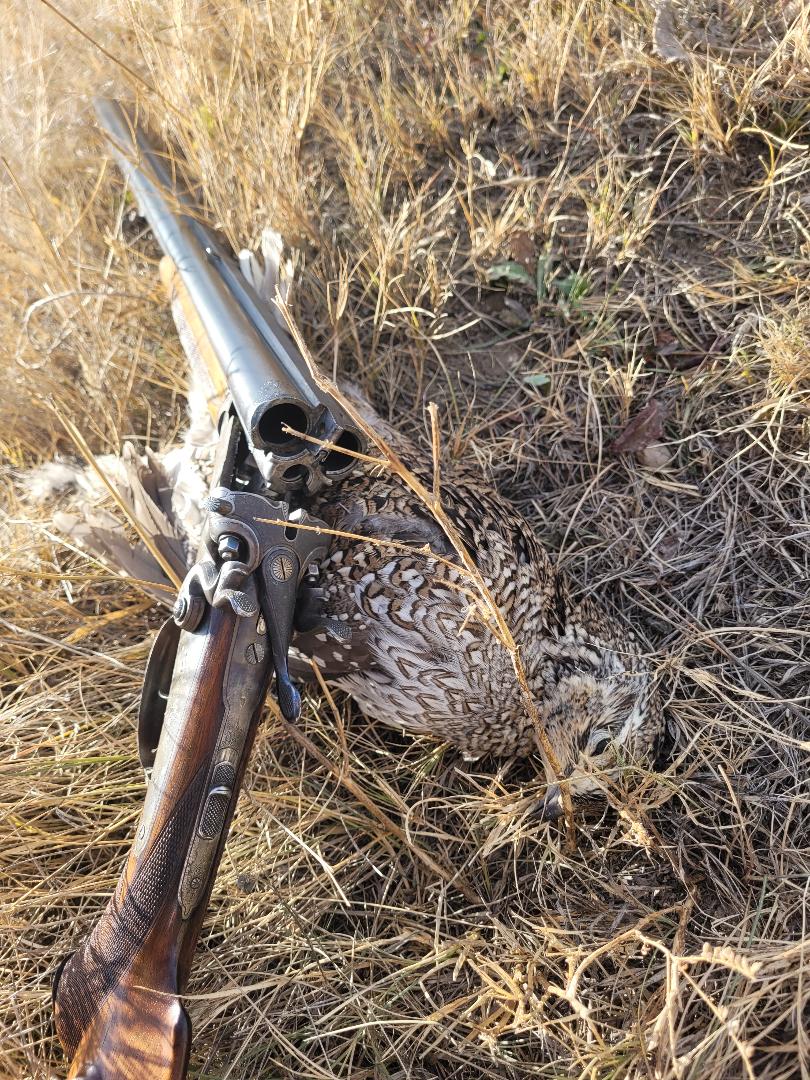
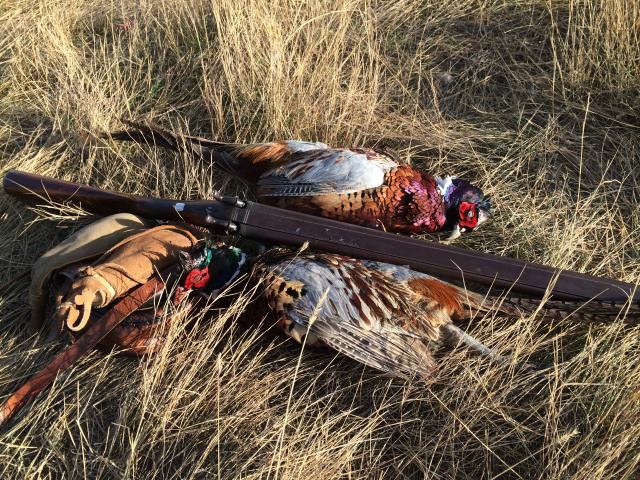
I voted for 5. When it comes to guns I love the old guns, guns made by hand, and even more so guns made by hand before there was electricity. Things were changing so fast in the 1700-1800's there are so many neat options and ideas out there. I like to take them hunting and while I'm sitting I imagine what they have been though and who owned them.

A modern gun for me is anything made after 1900
 
I voted for 5. When it comes to guns I love the old guns, guns made by hand, and even more so guns made by hand before there was electricity. Things were changing so fast in the 1700-1800's there are so many neat options and ideas out there. I like to take them hunting and while I'm sitting I imagine what they have been though and who owned them.

A modern gun for me is anything made after 1900

I hear you. I've always been into modern stuff, but more recently I personally have come to find the late 1800s handguns pretty interesting - the different ideas that were being tried with revolvers through that period really speak to me. Most of the friends I have who own antiques would be solidly "option 1", but I'm teetering somewhere between Option 2 and Option 3.
 
I don’t know if I would agree with the first one because it implies these are firearms and what I enjoy about them is protected by the legal shield of “not considered a firearm” and I wouldn’t want people starting to talk about these in the light that there’s just east access guns on the market because it’s way more in depth and involved than that. As it is lately when I go to sell an antique I get a lot of suspicious and or questionable inquiries that sound a lot like uninformed hooligans looking to get strapped.

Closer to history, and don’t get me wrong it’s the casual nature of antique laws that allow me to enjoy it to the extent I do, I like learning skills that are fading into history, I like appreciating the machining and thought that was going into them, I find the craftsmanship of old revolvers really something, a lot of the time I just bring them out to look at them, shine them up and put them away.
 
Antique firearms are historical artifacts representing a time and place in history, and a time and place in firearm evolution and gunmaking development. Sadly, in Canada, the main interest is in the 'coolness' factor, with lesser attention on the rest. Anything that cannot safely be shot is relegated to 'wallhanger' status, slightly above 'junk,' and in that category little distinction is made between machine-made assembly-line guns, and weapons hand-crafted by skilled artisans.

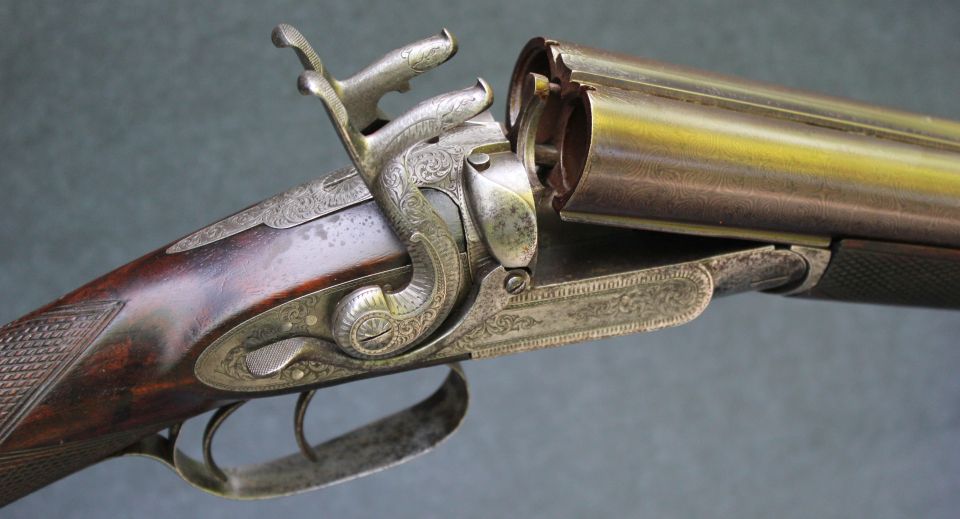
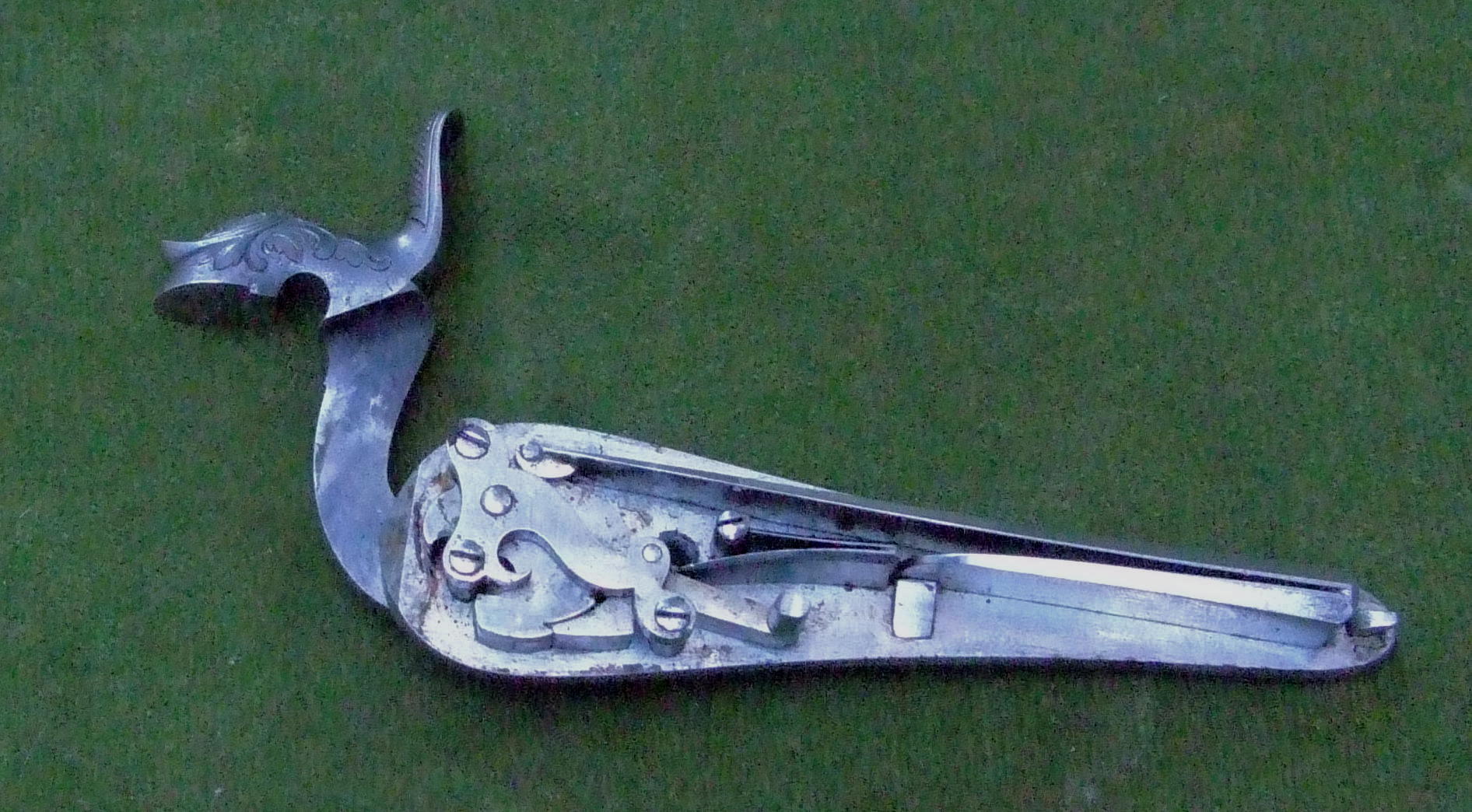
My interests are with the pin-fire game gun, the first successful self-contained cartridge gun, and the point of origin for most of the technological features used in all hinge-action guns today. Everything from thumb levers, locking underbolts, extractors, and so much more started in pin-fires. They paved the way to the centre-fire sporting guns of today, yet little is known about them, or has been written about them. This is partly due to their having been in use for a very short time, less than twenty years; the fact that so few were made, compared to factory guns; their eye-watering high cost limiting them to only the wealthiest owners; most were shot out, or converted to centre-fire, explaining why so few have survived to the present in anything like their original form; and North America rarely saw any, other than some Civil War revolvers. The story of how the invention came about, was adopted, then replaced, is one involving ingenuity, artistry, massive egos, raw competitiveness, social media, bruised reputations, and fervent nationalism. Good stuff.

I chose Option 5 in the poll.

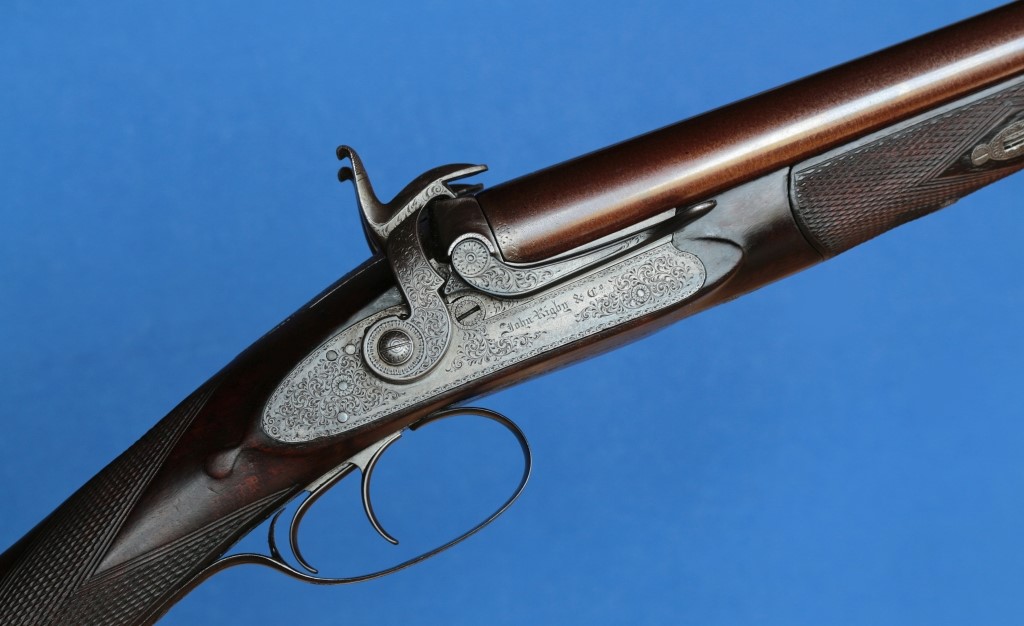
OGo5cY3.jpg

12-bore double-barrelled Joseph Needham patent action pin-fire sporting gun signed John Rigby & Co. of Dublin, made 1868-1869. Hidden hinge, bar-in-wood construction.
 
I clicked on option 4 but probably #5 is more accurate. Some I own for history, some for craftsmanship, and some for the challenge of making them shootable and in most cases it is a mixture of all 3 reasons. With Trudeau's prohibition on handguns, option 1 has increased in value.
In reply to Pinfire, I don't recall seeing any pinfires with extracters and maybe one with a rim recess in the breach of the barrel. The relatively few original shells that I have seen have not had rims.

cheers mooncoon
 
In reply to Pinfire, I don't recall seeing any pinfires with extracters and maybe one with a rim recess in the breach of the barrel. The relatively few original shells that I have seen have not had rims.

cheers mooncoon

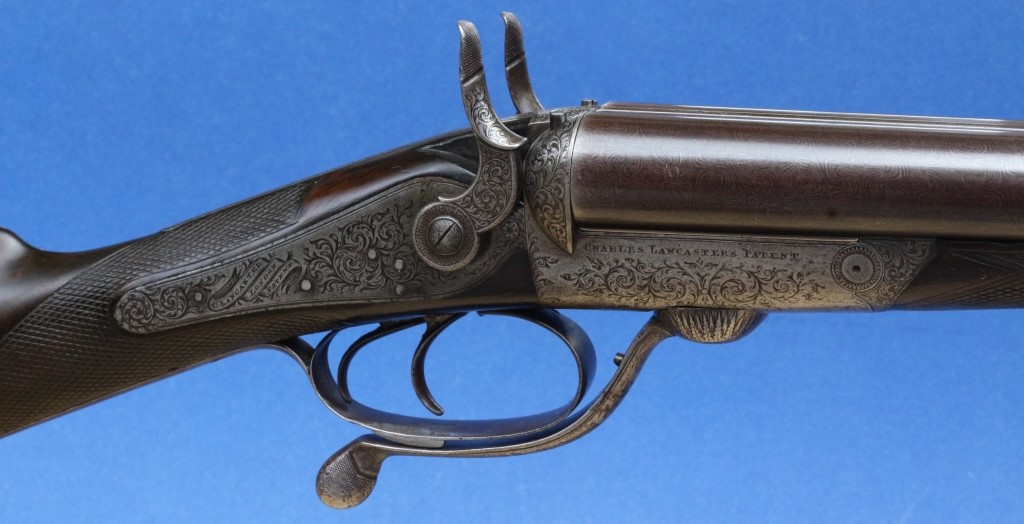
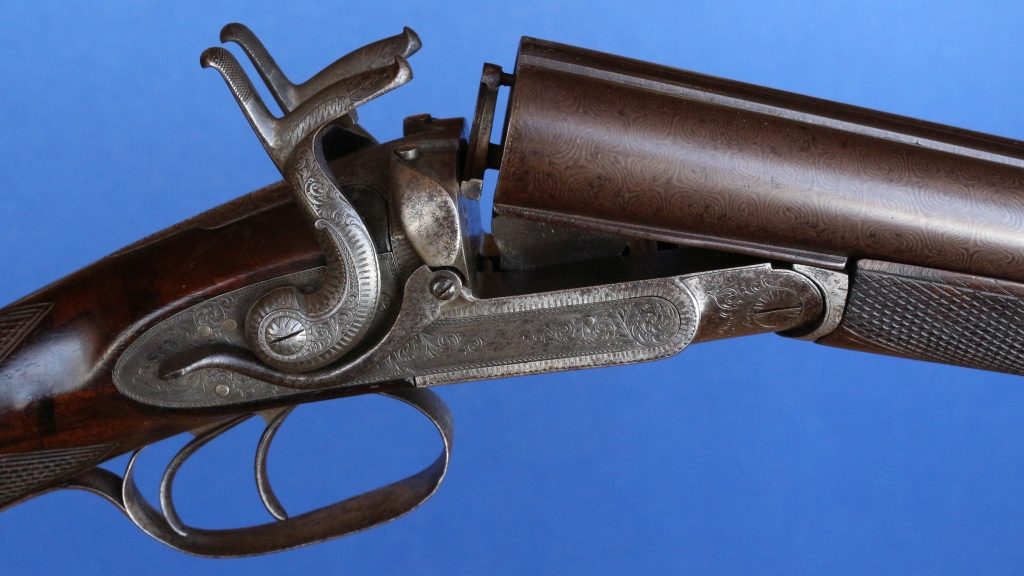
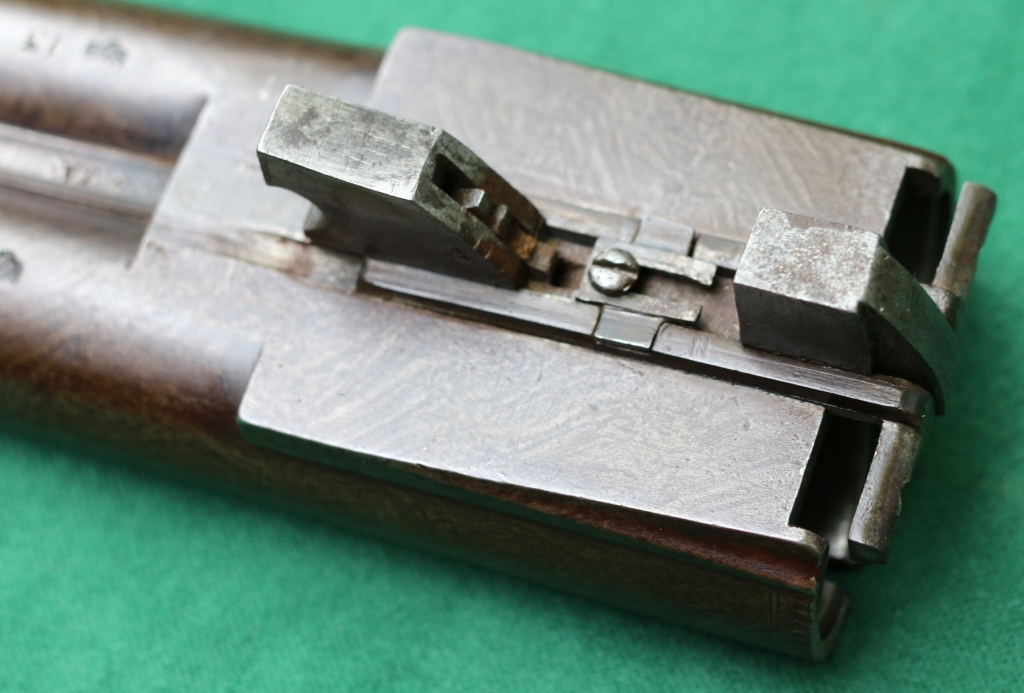
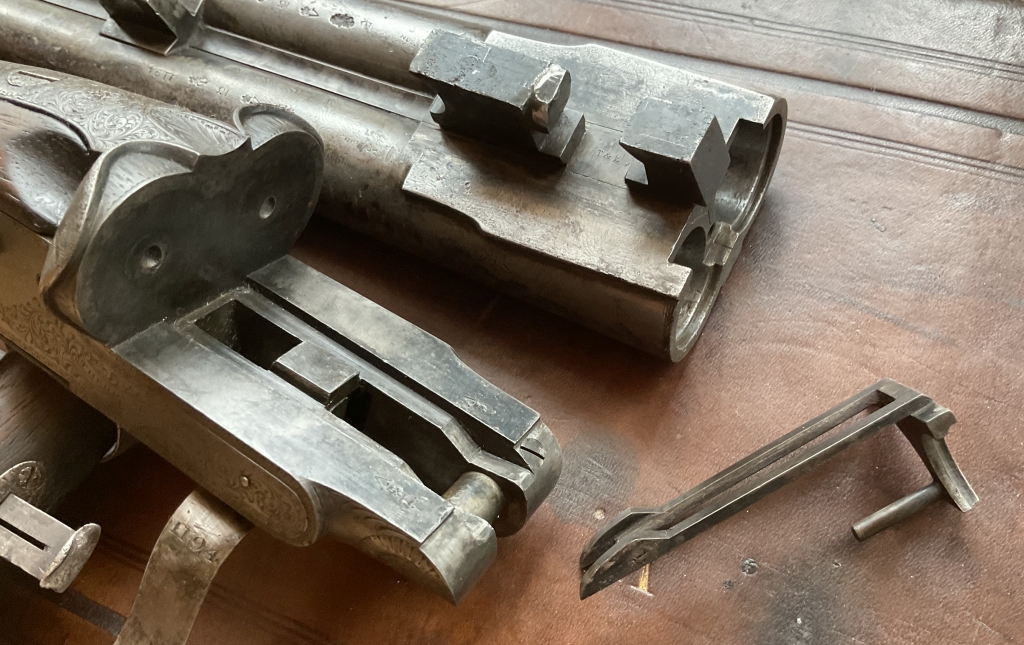
I should have been more precise. Indeed, the true pin-fires did not have, or need, extractors. The first extractors appeared on French Gastinne-Renette guns built for the Schneider central-fire cartridge, a design which Charles Lancaster obtained the patent for, and built into his base-fire and early central-fire guns in London in the early and mid 1850s; as the Schneider and Pottet central fire cartridges grew in popularity and availability in the mid to late 1860s, extractors were being fitted to pin-fire guns to be able to use either pin- or central-fire cartridges, and conversions of pin-fire to central-fire often included ingenious patent extractors. Something we take for granted can have an interesting history behind it.

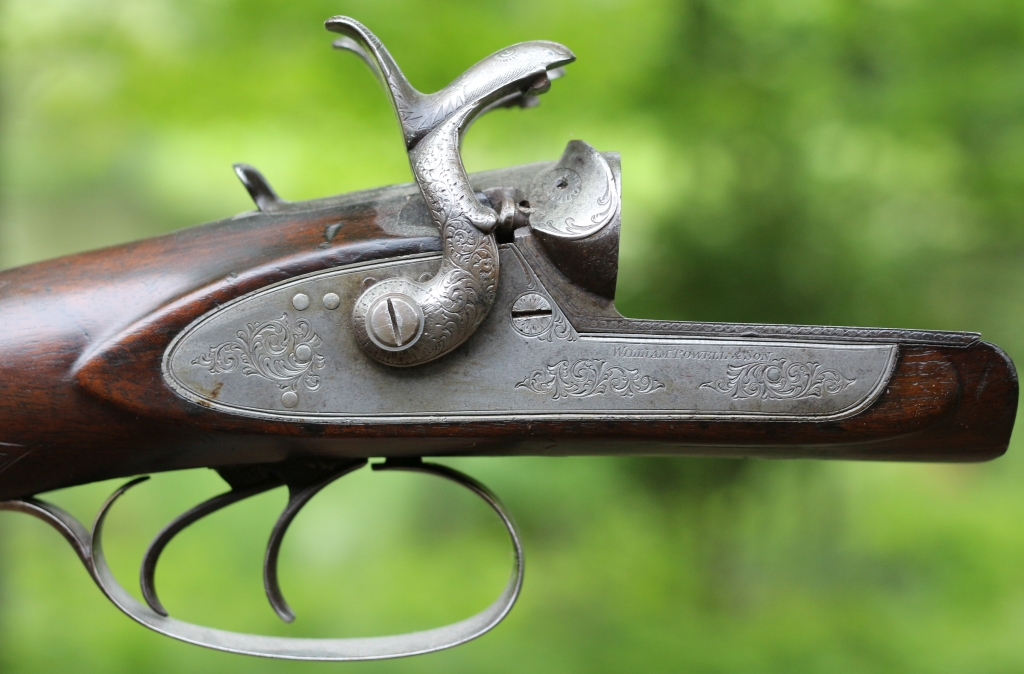
As is often said on CGN, a post without pictures is dull, so here are some examples of each:

BkGMxEs.jpg

Charles Lancaster original Schneider cartridge central-fire, 14 gauge, built in 1858; the very first British gun with an extractor.

tEJaUw3.jpg

RDUQuJV.jpg

The Breech Loading Armoury Company (Limited) of London, 12 bore original dual-fire, made around 1866.

zKdshiX.jpg

zlYqSZC.jpg

William Powell & Son of Birmingham, pin-fire built in 1866, converted to dual-fire.

BUCIgE2.jpg

12 bore pin-fire by Theophilus Murcott of London, converted to central-fire with patent extractor by William Spinks Riley of Birmingham, patent No. 491 of 16 February 1866.

eIQfpgD.jpg

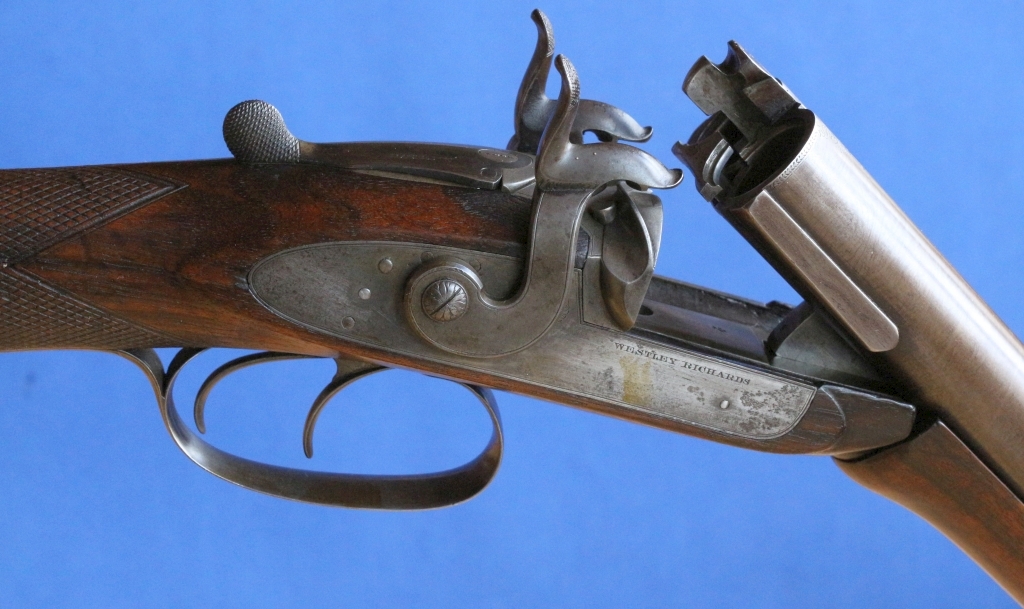
12 bore pin-fire by Westley Richards (London address), 1866, converted to central fire with extractor.
 
Last edited:
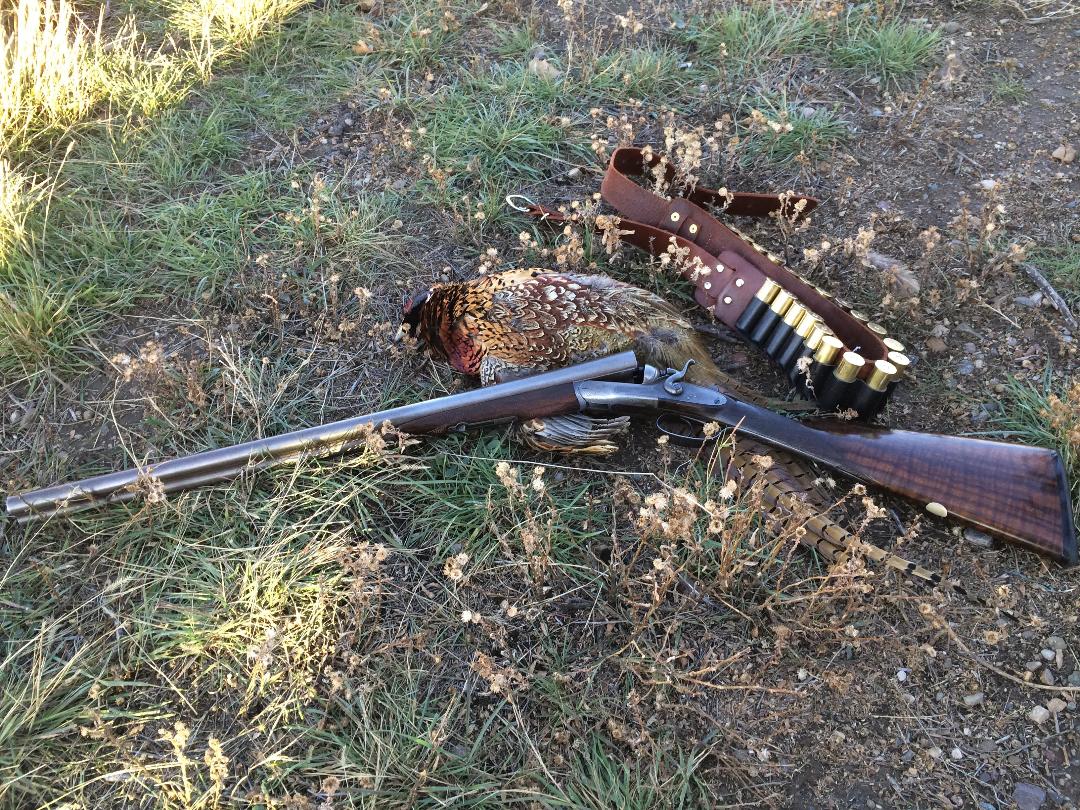
Owning and using antique arms that may have been handled by the giants of history. Blackbeard to Wellington to Billy Green to The Kid, etc. etc.
 
My daughter still has that beautiful Belgian mule ear S x S in 32 gauge pinfire.
I'm an even split. On 1 and 5.
I'm patch. The cool factor is pretty big too.
I live there, I figure it's not an issue.
If it is, this post will disappear:rolleyes:
 
Because they are pieces of art and testament to human's ingenuity. They combine metalworking, woodworking and chemistry in a small life saving historical package.
 
I
As is often said on CGN, a post without pictures is dull, so here are some examples of each:
.

I guess that gives me an excuse to post a photo of my own :>) The gun was made in Denmark and is very well made inside and out. The only drawback for pinfire shotguns is the hammers limit your view of the target. Should anyone be curious, I turned the bases of the shells from solid stock and expanded 1/2" copper water pipe and and soldered the two together to form a 16 guage shell. I tried using a plastic body but did not have a good way of keeping the body and base together

Fw8N4GF.jpg


jftqK1R.jpg


cheers mooncoon
 
Last edited:
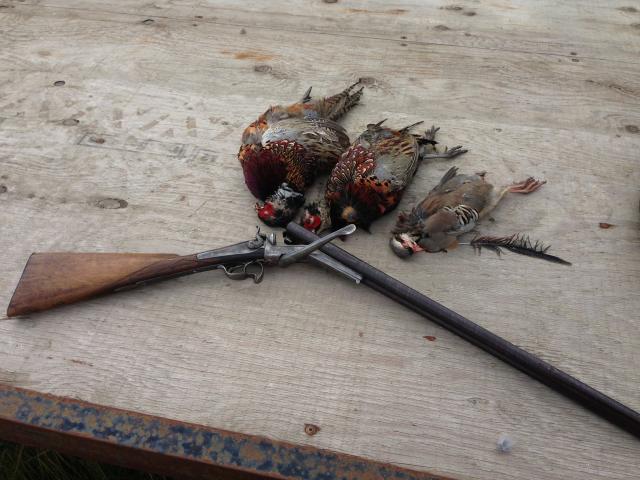
I wanted something with some "oomph" that I could bush carry or have as a back up when hunting with my crossbow, crossbows not being renown for quick reload. I had originally contemplated an antique Webley but they were far out of my budget range at that time. I scored a Smith & Wesson 1st. mod. double action in .44 Russian and that was the start of my journey. I've had 5 of them pass through my hands while I refined exactly what it was I wanted. I had my heart set on a very good condition blued, long barrel (6") model. I lucked into a very nice one which I purchased from a wonderful gentleman in the US. I did have a bit of speed wobble with CBSA, which eventually got sorted. Mechanics on this pistol are perfect! A star after the serial number indicates that it was returned to S&W for some work and the concealed stamp shows this happened in Aug. 1921. I assume a total re-work which would explain the excellent mechanics in a 140 + yr. old pistol. Ballistics on the .44 Russian make it one of the most potent antique revolver cartridges legal to carry but I had to fabricate a new foresight blade that I can tweak so that the pistol shoots to point of aim. So, without further ado, here's what will protect me when I'm doing bush work. Enjoy.
 
I wanted something with some "oomph" that I could bush carry or have as a back up when hunting with my crossbow, crossbows not being renown for quick reload. I had originally contemplated an antique Webley but they were far out of my budget range at that time. I scored a Smith & Wesson 1st. mod. double action in .44 Russian and that was the start of my journey. I've had 5 of them pass through my hands while I refined exactly what it was I wanted. I had my heart set on a very good condition blued, long barrel (6") model. I lucked into a very nice one which I purchased from a wonderful gentleman in the US. I did have a bit of speed wobble with CBSA, which eventually got sorted. Mechanics on this pistol are perfect! A star after the serial number indicates that it was returned to S&W for some work and the concealed stamp shows this happened in Aug. 1921. I assume a total re-work which would explain the excellent mechanics in a 140 + yr. old pistol. Ballistics on the .44 Russian make it one of the most potent antique revolver cartridges legal to carry but I had to fabricate a new foresight blade that I can tweak so that the pistol shoots to point of aim. So, without further ado, here's what will protect me when I'm doing bush work. Enjoy.
**Image and video linking functions will be enabled after you have contributed more to the forum** **Image and video linking functions will be enabled after you have contributed more to the forum**

Wow, beautiful finish on that! Nice find.
 
Owning and using antique arms that may have been handled by the giants of history. Blackbeard to Wellington to Billy Green to The Kid, etc. etc.

Something like that has a considerable draw with me.
Example for me the depression gangster era: a circa 1940 S&W Heavy Duty in 38 Spl, a Remington Model 8 in 35 Remington. And a cut down Winchester 1901 lever shotgun in 10 gauge smokeless. Same as Clyde Barrows shotgun discovered in a stash/safe house.

 
Because they are pieces of art and testament to human's ingenuity. They combine metalworking, woodworking and chemistry in a small life saving historical package.

Well said! And agree completely. In a time before mass production at the level we know today. With an artisan hand fitting & finishing said firearm. Those days are long gone or put out of reach, financially, for most today... The mechanical concepts and practices of these guns are also an attraction for me.
 
Back
Top Bottom