Dark Alley Dan
CGN Ultra frequent flyer
- Location
- Darkest Edmonton
Hello, folks.
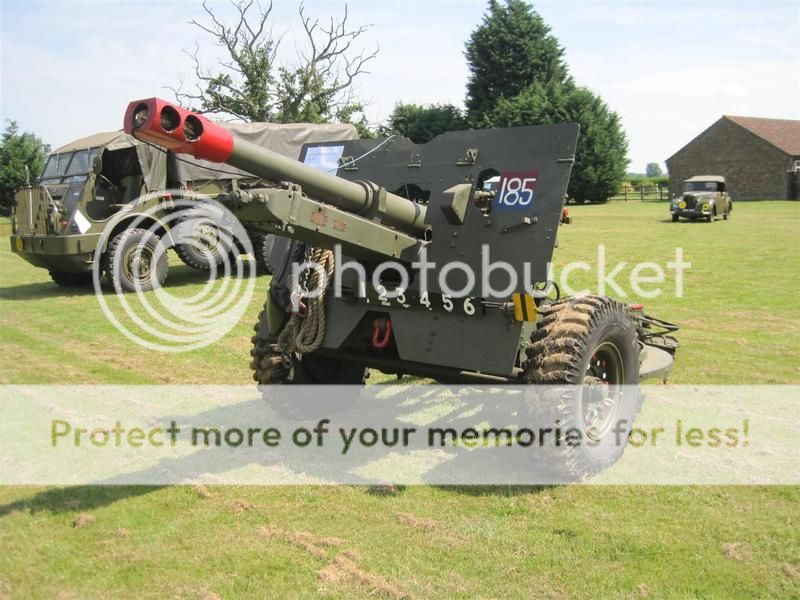
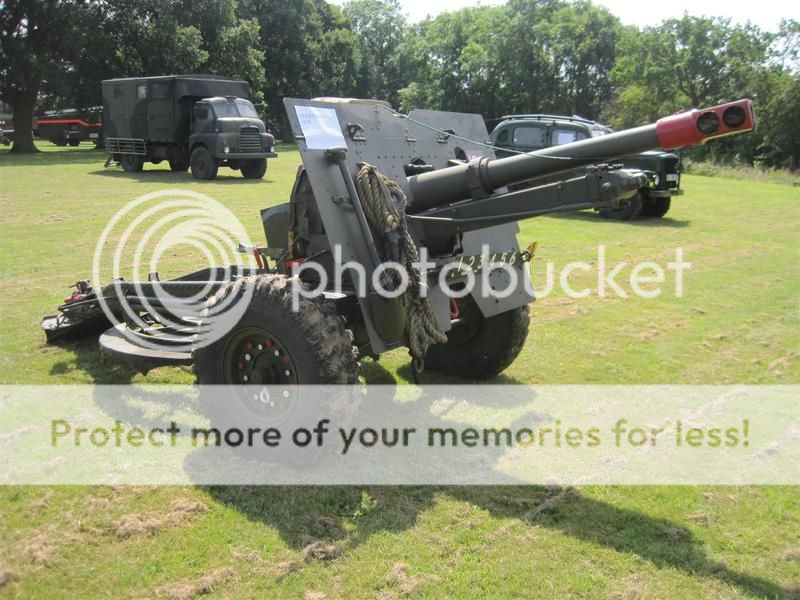
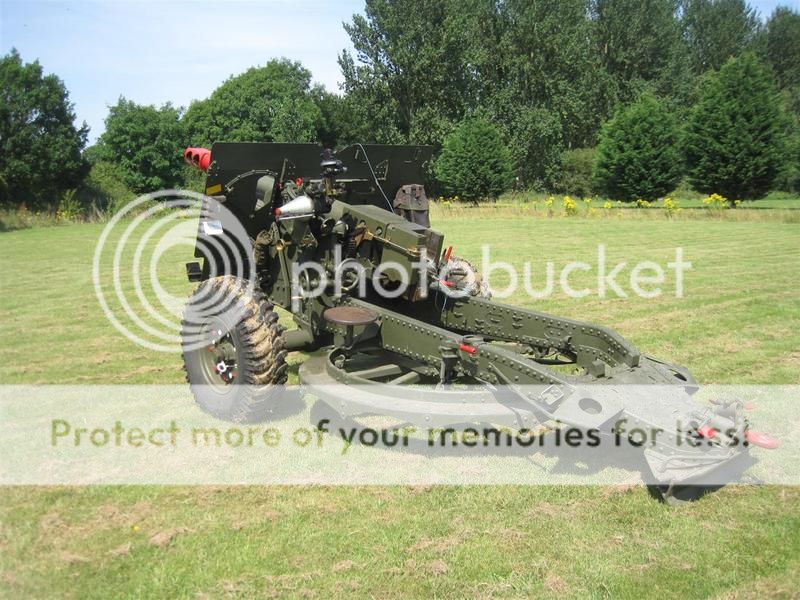
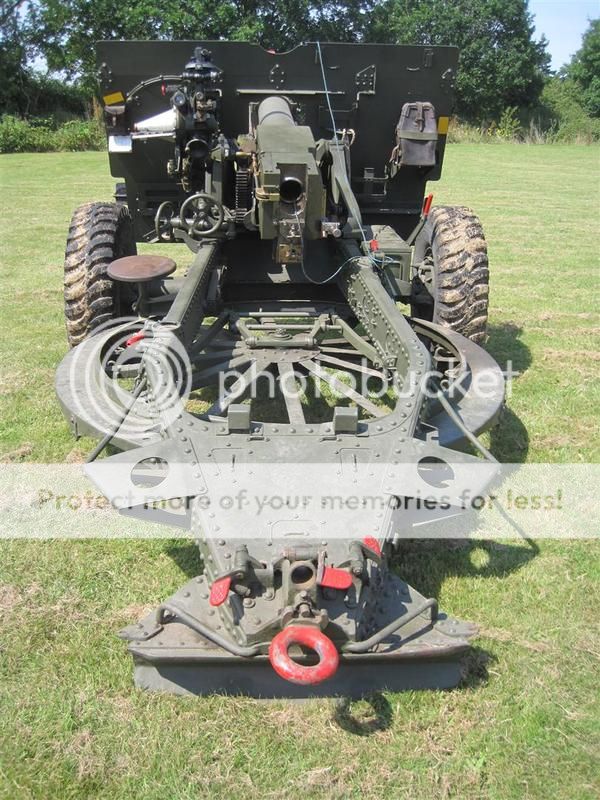
I was attending a shindig for my employer and one of the guest speakers was the CO of the local reserve arty outfit. We got talking, found some common ground, and the next thing I knew I was a guest at his office looking at this old lady:
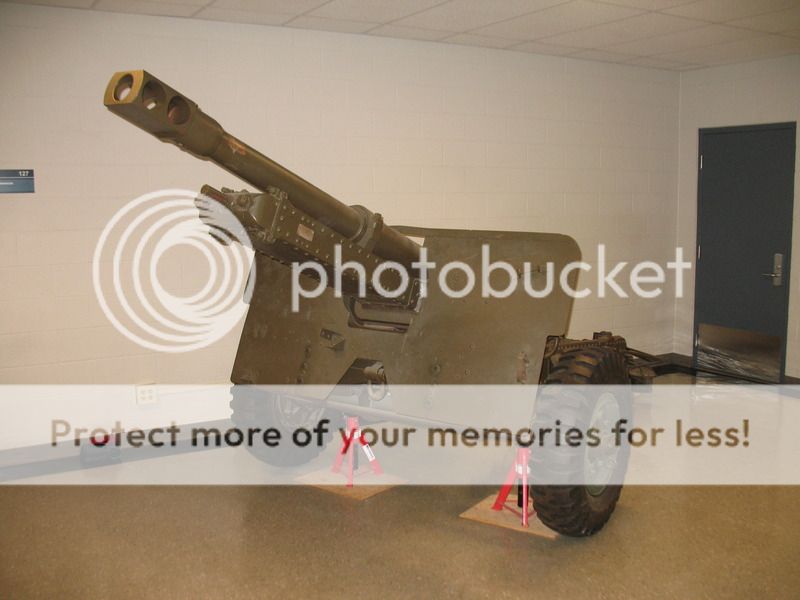
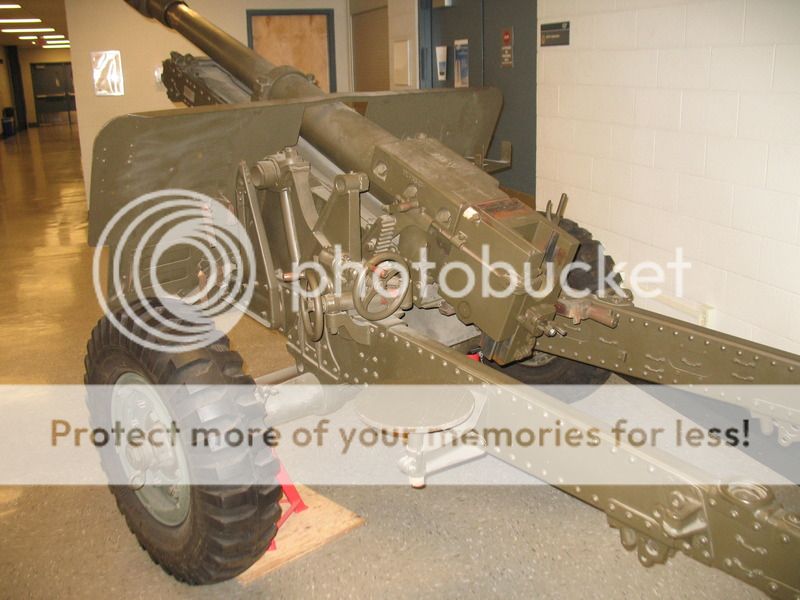
Yep, a 25 pounder, 1943 Canadian production, missing a few bits but fireable.
Came home, warmed up the interwebs, sent a PM to XRCD011 to ask advice. He put me on to stencollector who has been both a gentleman and entirely invaluable in my efforts to find resources to get her back on her feet.
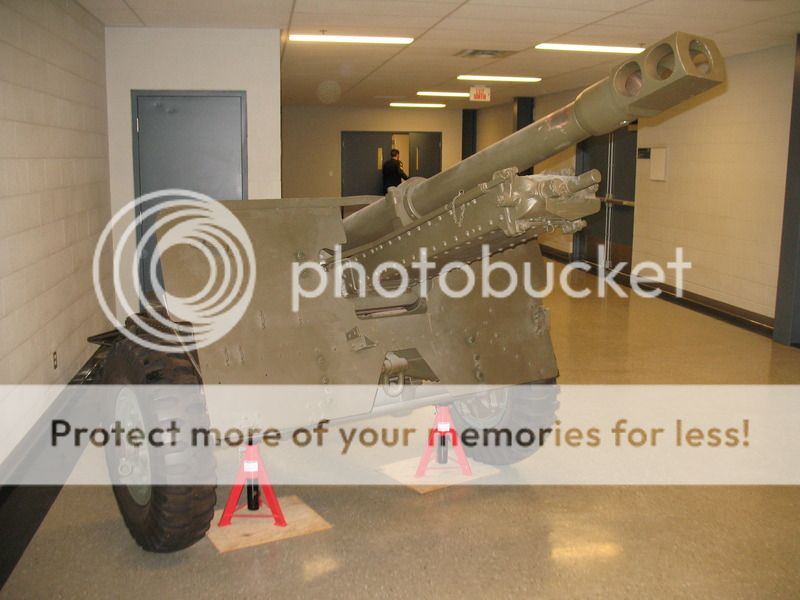
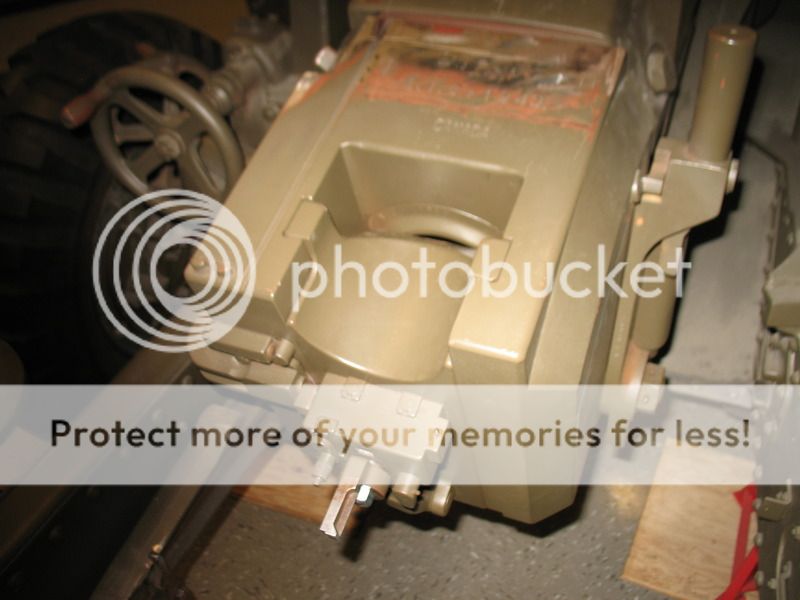
She's largely in one piece. The first thing that jumps out is that cut down gun shield. She was last used a s a funeral gun, carrying old artillerymen to their graves, doubtless with dignity and appropriate respect. The platform was laid atop the cut down shield and then attached to brackets welded at the muzzle and the breech. The brackets have been removed, but the scars remain:

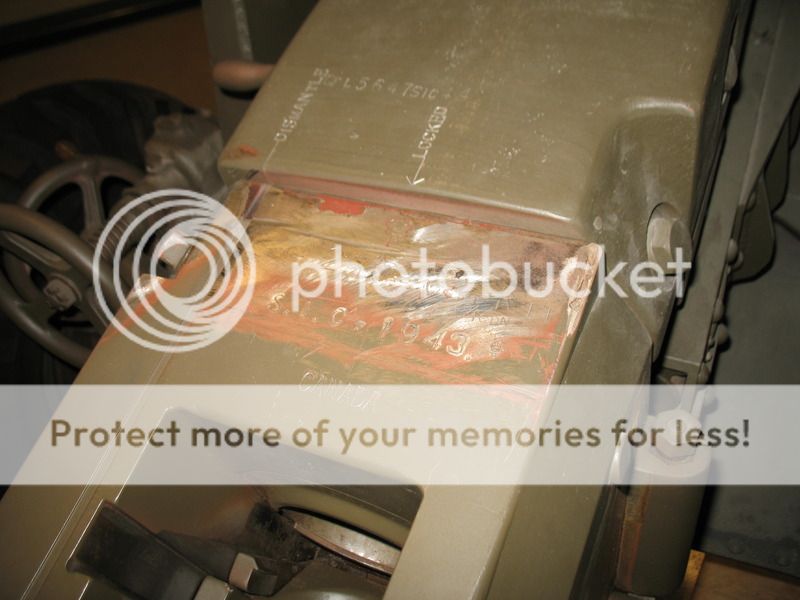
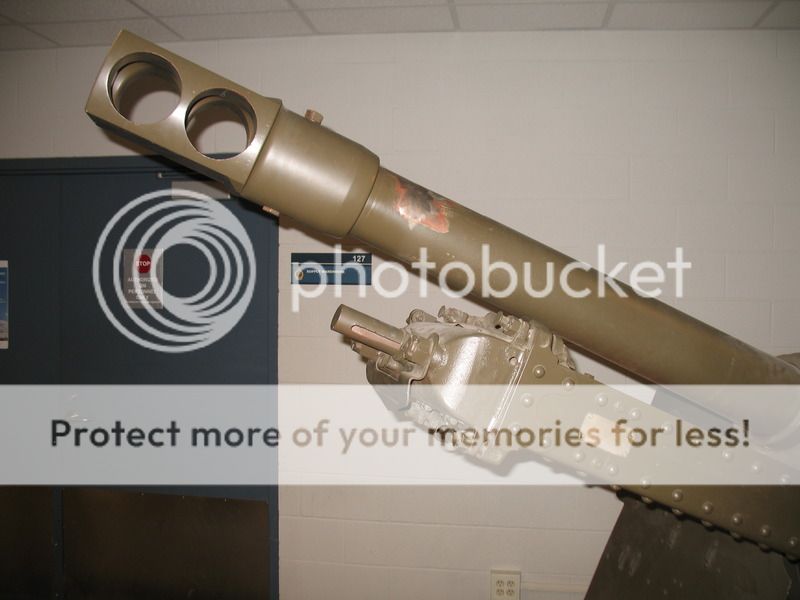
The shield still has a number of useful brackets and such attached. Well be salvaging those.
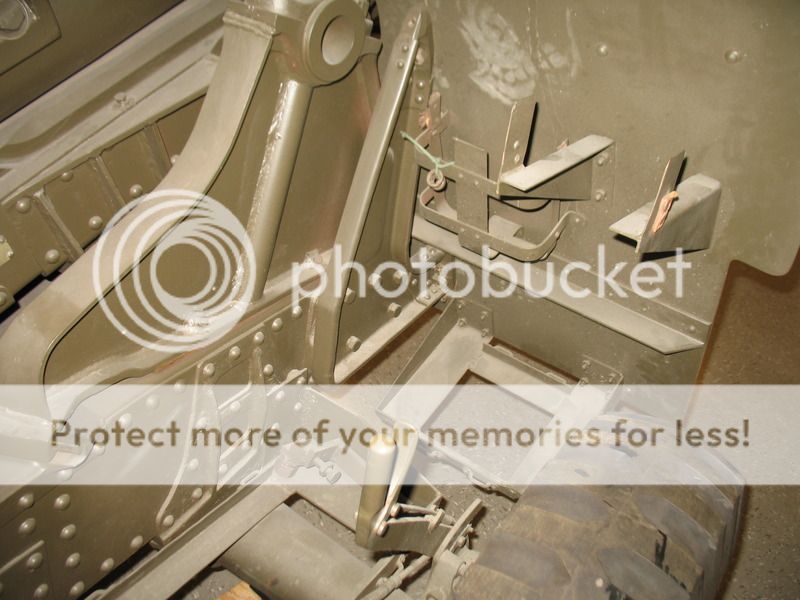
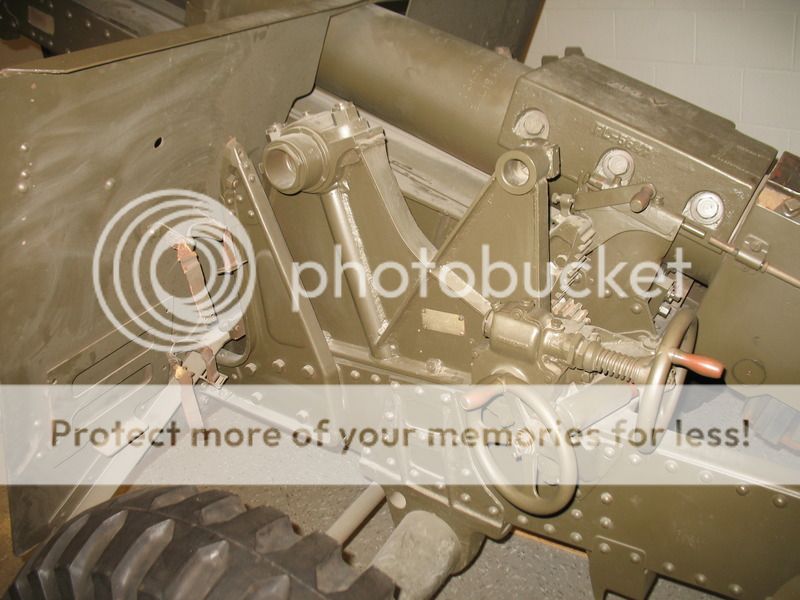
At some point in her life, someone saw fit to sandblast her and then paint her green. The sandblasting did the wee plaques and notices no end of harm...


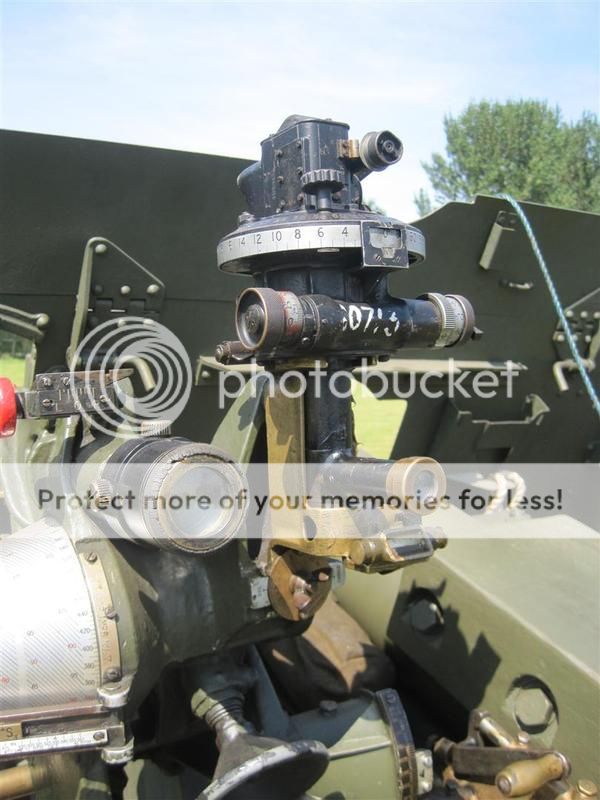
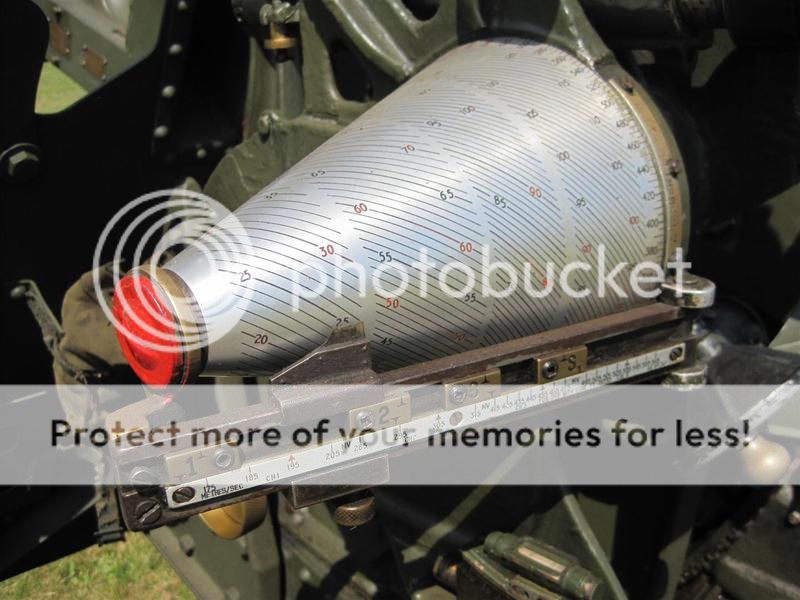
(I hope there's a source for replacements) and that green paint went everywhere. Note the traverse equipment is now brass and green paint:
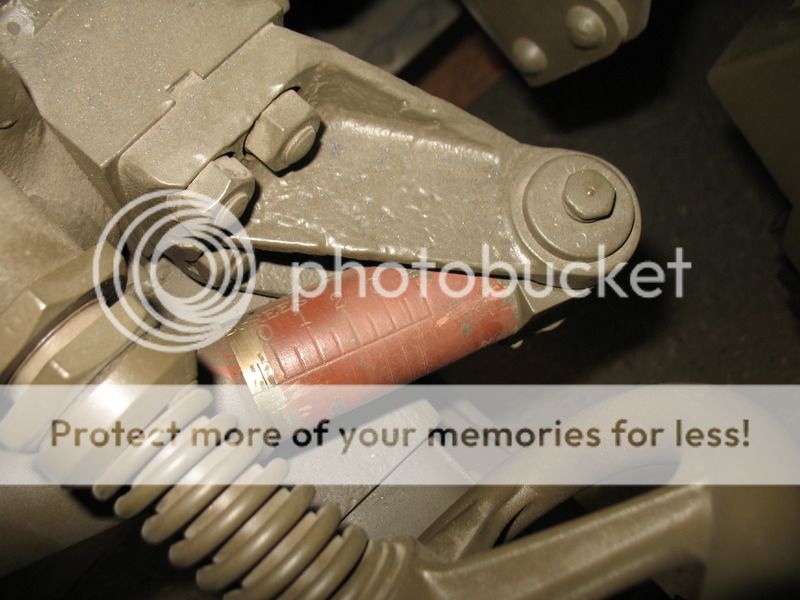
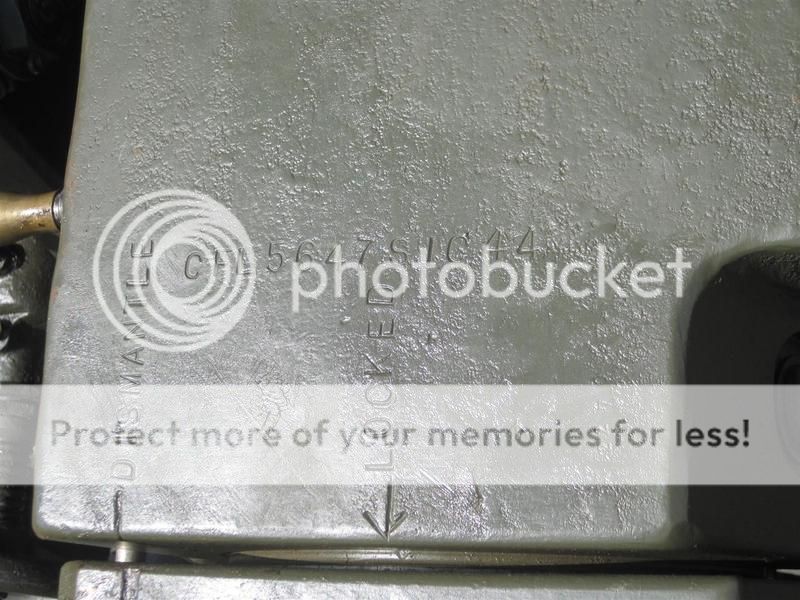
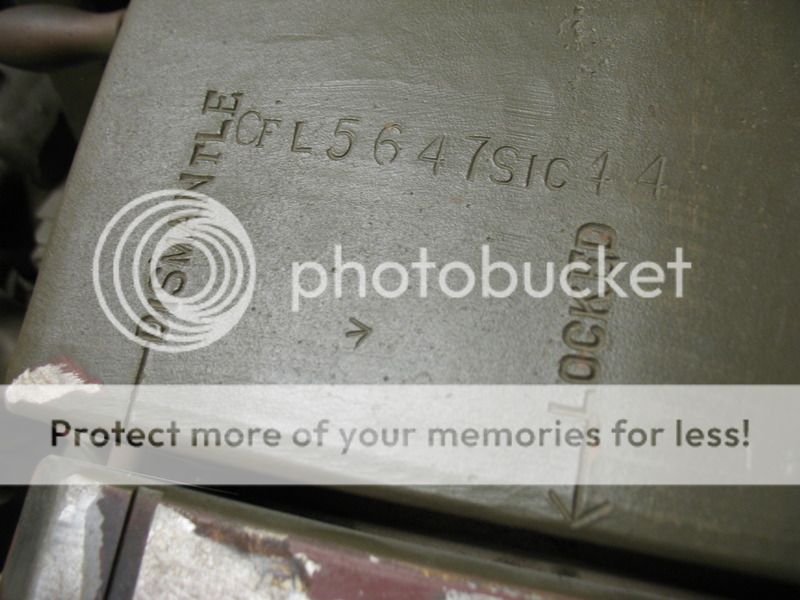
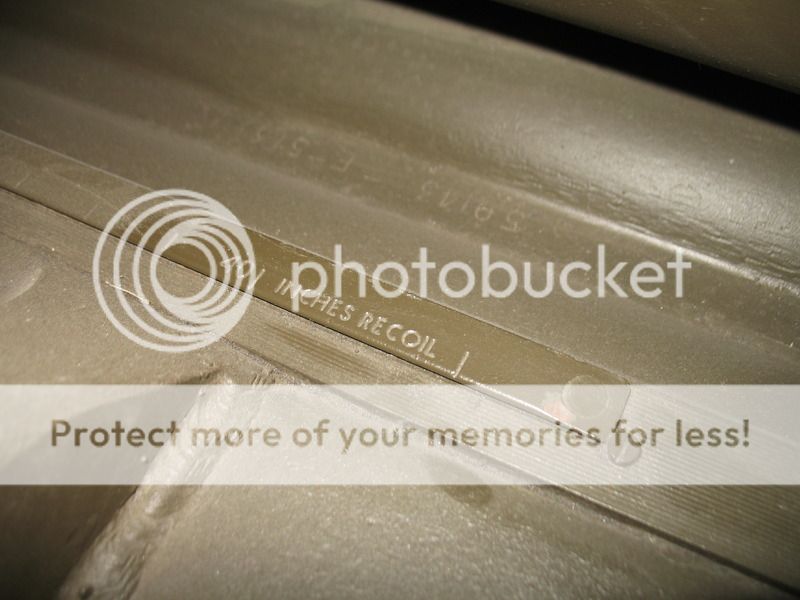
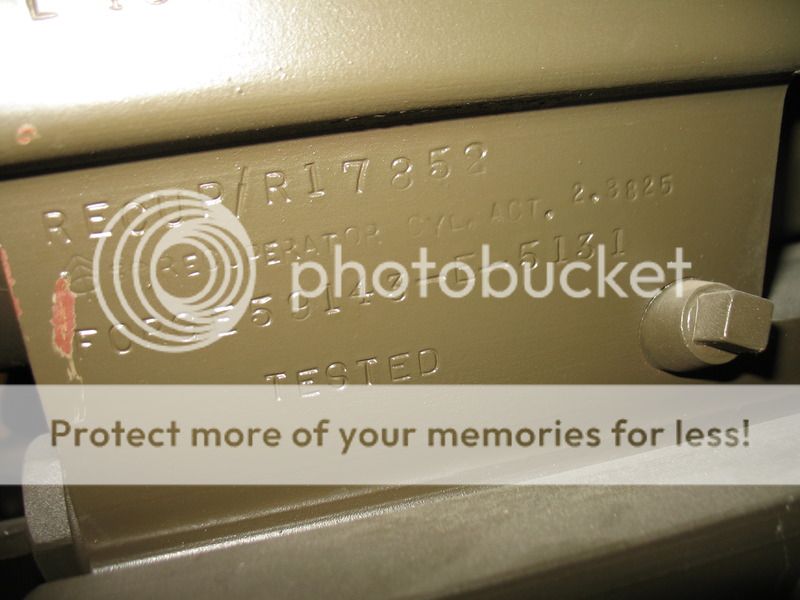
Most of the markings are still very clear:


The bore rates NRA train tunnel:

"Light frosting in the grooves, should clean up well..."
Breech mechanism is functional and feels solid to my untutored hand.
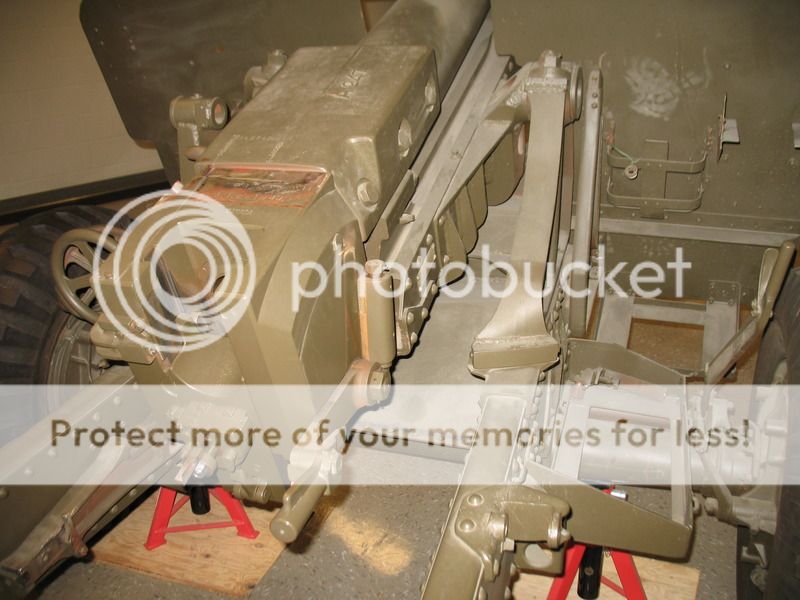
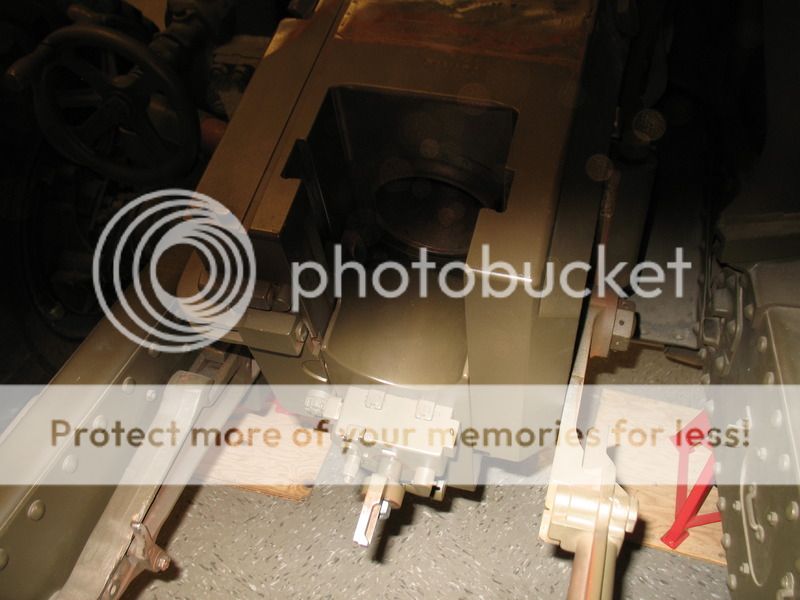
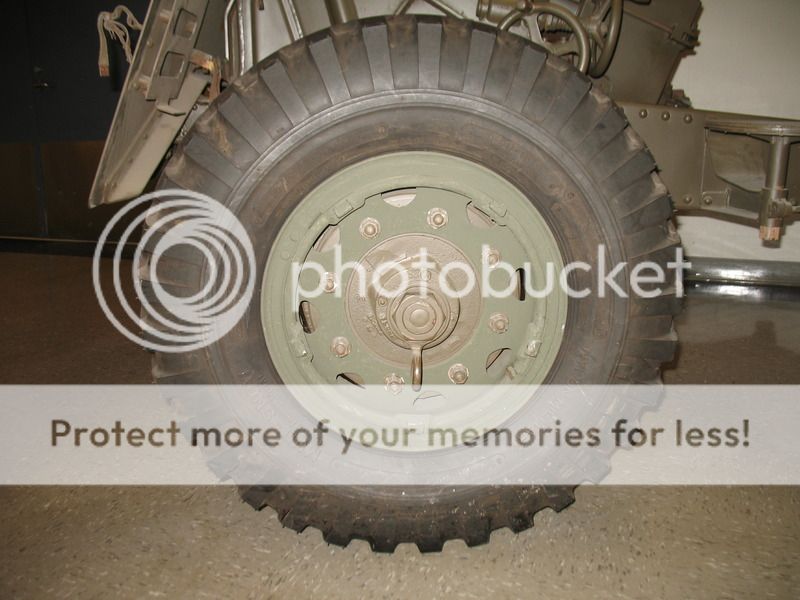
Tires are solid - holding air and appear NOS - they still have the wee moulding hairs on 'em.
So here I am, utterly new at arty or projects of this size, and ignorant in the ways of very large guns. Step one in such situations is to RTFM. Alas, I can't find one. Been all over the internet, and come up empty. IWM in London will run me a copy of the one they have for about a hundred bucks, and make no guarantees of quality. If any of you know of one, please let me know.
There's an interesting political/financial angle on this job. The gun is currently the property of the Friends of the Regiment society and NOT National Defence. I'm told that this means there can be ZERO spillover in resources between ND and the organization that owns the gun. No parts can change hands, no transport resource can be employed, no labour on government time can be used. The RCA museum may have a ton of spare bits, but we can't access any of it. I understand this and am very OK with playing within the rules outlined by necessity, but it does make the job harder.
Things we need right now:
- sight mount
- associated sights
- uncut gun shield
- big-ol' round firing platform
- various bins, boxes, bags, ranging sticks, shovels and accoutrements to hang off the multitude of brackets, webbing, and such.
- a pull through about the diameter of a 2 litre pop bottle
Let me know what's out there, folks. If you know an old farmer who's using a firing platform to prop up the corner of his chicken coop, I want to talk to him. If you've seen the correct issue shovel in the corner of a neighbour's shed, tell me. If there's a suspiciously familiar big chunk of steel plate laying in the ditch near your house, send me a PM.
Thank you, hive mind. You've never failed me before. I'm anticipating great things.
Cheers,
Dan
I was attending a shindig for my employer and one of the guest speakers was the CO of the local reserve arty outfit. We got talking, found some common ground, and the next thing I knew I was a guest at his office looking at this old lady:
Yep, a 25 pounder, 1943 Canadian production, missing a few bits but fireable.
Came home, warmed up the interwebs, sent a PM to XRCD011 to ask advice. He put me on to stencollector who has been both a gentleman and entirely invaluable in my efforts to find resources to get her back on her feet.
She's largely in one piece. The first thing that jumps out is that cut down gun shield. She was last used a s a funeral gun, carrying old artillerymen to their graves, doubtless with dignity and appropriate respect. The platform was laid atop the cut down shield and then attached to brackets welded at the muzzle and the breech. The brackets have been removed, but the scars remain:
The shield still has a number of useful brackets and such attached. Well be salvaging those.
At some point in her life, someone saw fit to sandblast her and then paint her green. The sandblasting did the wee plaques and notices no end of harm...
(I hope there's a source for replacements) and that green paint went everywhere. Note the traverse equipment is now brass and green paint:
Most of the markings are still very clear:
The bore rates NRA train tunnel:
"Light frosting in the grooves, should clean up well..."
Breech mechanism is functional and feels solid to my untutored hand.
Tires are solid - holding air and appear NOS - they still have the wee moulding hairs on 'em.
So here I am, utterly new at arty or projects of this size, and ignorant in the ways of very large guns. Step one in such situations is to RTFM. Alas, I can't find one. Been all over the internet, and come up empty. IWM in London will run me a copy of the one they have for about a hundred bucks, and make no guarantees of quality. If any of you know of one, please let me know.
There's an interesting political/financial angle on this job. The gun is currently the property of the Friends of the Regiment society and NOT National Defence. I'm told that this means there can be ZERO spillover in resources between ND and the organization that owns the gun. No parts can change hands, no transport resource can be employed, no labour on government time can be used. The RCA museum may have a ton of spare bits, but we can't access any of it. I understand this and am very OK with playing within the rules outlined by necessity, but it does make the job harder.
Things we need right now:
- sight mount
- associated sights
- uncut gun shield
- big-ol' round firing platform
- various bins, boxes, bags, ranging sticks, shovels and accoutrements to hang off the multitude of brackets, webbing, and such.
- a pull through about the diameter of a 2 litre pop bottle
Let me know what's out there, folks. If you know an old farmer who's using a firing platform to prop up the corner of his chicken coop, I want to talk to him. If you've seen the correct issue shovel in the corner of a neighbour's shed, tell me. If there's a suspiciously familiar big chunk of steel plate laying in the ditch near your house, send me a PM.
Thank you, hive mind. You've never failed me before. I'm anticipating great things.
Cheers,
Dan