












































You are using an out of date browser. It may not display this or other websites correctly.
You should upgrade or use an alternative browser.
You should upgrade or use an alternative browser.
D-Day Landing Sites Then and Now
- Thread starter Hawkshadow
- Start date


I've been to Juno, Dieppe and Omaha beach. I didn't see any bits and bobs in the sad, but I am sure with a metal detector you can find stuff. Most certainly some larger monuments. The grave sites are the places that are considered sacred and not the battle sites (except for the onsite memorials and museums). Even when visiting Ypres and surrounding areas, when you walk the remnants of trenches you could find bits of metal rusting (mostly empty tins that were thrown over the trench as waste), especially after a rain. And while visiting Beaumont Hammel one of the guests found a Newfoundland "Blue Puttee" that was exposed from a recent rain.
I had a friend work at Vimy and the best time he said to find cap badges and buckles was in-between growing seasons after a rain on a sunny day. You simply walked the farmers field and if something bright caught your eye it was probably important. He stated what was even more impressive was often on the entry ways of farms - piles of ordinance discovered by the farmers often piled waiting for pick up or disposal.
I had a friend work at Vimy and the best time he said to find cap badges and buckles was in-between growing seasons after a rain on a sunny day. You simply walked the farmers field and if something bright caught your eye it was probably important. He stated what was even more impressive was often on the entry ways of farms - piles of ordinance discovered by the farmers often piled waiting for pick up or disposal.
One place you don't need to wait for any rain or growing season would be Verdun around the forts of Doumount and Vaux. When I visited, I was finding all sorts of metal bits: shell fragments, barbed wire strands, shell casings...just lying on top of the ground and partially exposed. I even noticed quite a bit of this amongst the grave stones at Doumount Ossuary.
It is something I will never forget.
It is something I will never forget.
The beaches aren't cemeteries. Those are inland. Shermans were the standard Allied tank. Not exactly unusual for a P-47 to be flying over any of the beaches either. Mind you, it's far more likely the guy got shot up way inland and headed for the beaches rather than elsewhere. The Pigeons were a busy bunch that day.
Places like Verdun and Vimy saw a hell of a lot more stuff dropped, shot across and exploded on 'em than any Overlord beach did. The Germans had been sitting on Vimy getting shot at and shooting back for 3 years.
An ordinance is a by-law. Ordnance get shot around.
Places like Verdun and Vimy saw a hell of a lot more stuff dropped, shot across and exploded on 'em than any Overlord beach did. The Germans had been sitting on Vimy getting shot at and shooting back for 3 years.
An ordinance is a by-law. Ordnance get shot around.

A huge difference between a battlefield and a cemetery. After 70 years of tides and tourists there is nothing to find and bring home as a reminder of a visit to the beaches unless its a caisson from Arromanche or a bottle of sand.
Omaha Beach today.
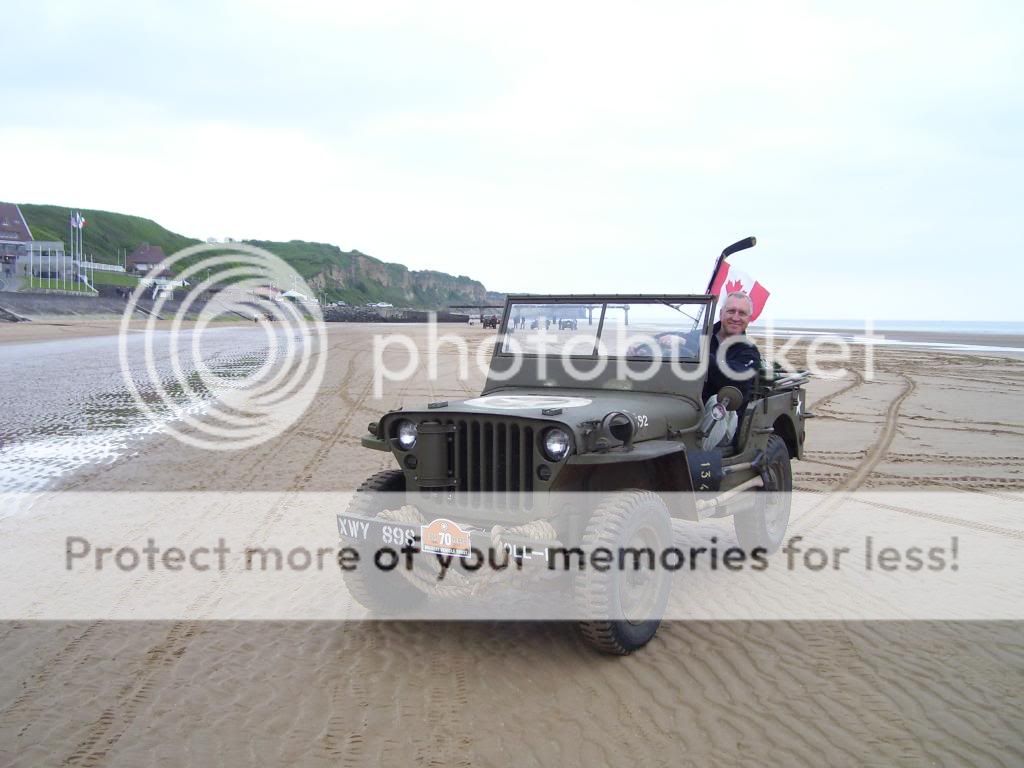
Omaha Beach War Cemetery today.

Omaha Beach today.

Omaha Beach War Cemetery today.

Last edited:

Winchester-1897
CGN Ultra frequent flyer
- Location
- Newmarket,Ontario
Just got back tonight and it was quite the experience....
- Location
- east coast of vancouver Island
Went to Juno Beach last year, and could not understand why the German pill boxes were behind the dunes, until I realised that when they were built they were above the dunes, it is the dunes that have moved seaward. Never looked for any war material. Later on when we were in a small village, Conde Sur Noire, that was bombed by the allies during the invasion, we found several pieces of shrapnel in the protestant cemetary, which, unlike the catholic cemetary , still retained the scars of the bombing. Took pictures but left them there.
Winchester-1897
CGN Ultra frequent flyer
- Location
- Newmarket,Ontario
Went to Juno Beach last year, and could not understand why the German pill boxes were behind the dunes, until I realised that when they were built they were above the dunes, it is the dunes that have moved seaward. Never looked for any war material. Later on when we were in a small village, Conde Sur Noire, that was bombed by the allies during the invasion, we found several pieces of shrapnel in the protestant cemetary, which, unlike the catholic cemetary , still retained the scars of the bombing. Took pictures but left them there.
I wondered the same.

Winchester-1897
CGN Ultra frequent flyer
- Location
- Newmarket,Ontario
Mother Nature reclaims all.

Same here.
I did not think the same beaches would be open to the public as they are war graves in a way and I am sure if you venture out in the low tide you can find all sort of stuff in the sand.
If you think about it, 2/3 of Europe, most of north Africa, and basically everything in and around the Pacific would be off limits if they had a rule like that...






















