












































I am looking for a little help concerning a muzzle loader that belonged to my great great great grandfather. He was born in 1800, and I grew up on the farm, and still live on the land that he took out as a land grant. The history has been passed down, and only 2 items remain (besides the house and land) that we know were his possessions, a Bible, and this firearm which I now have.
It is obviously the same as this reproduction firearm from Loyalist http://www.loyalistarms.freeservers.com/183540USflint.html
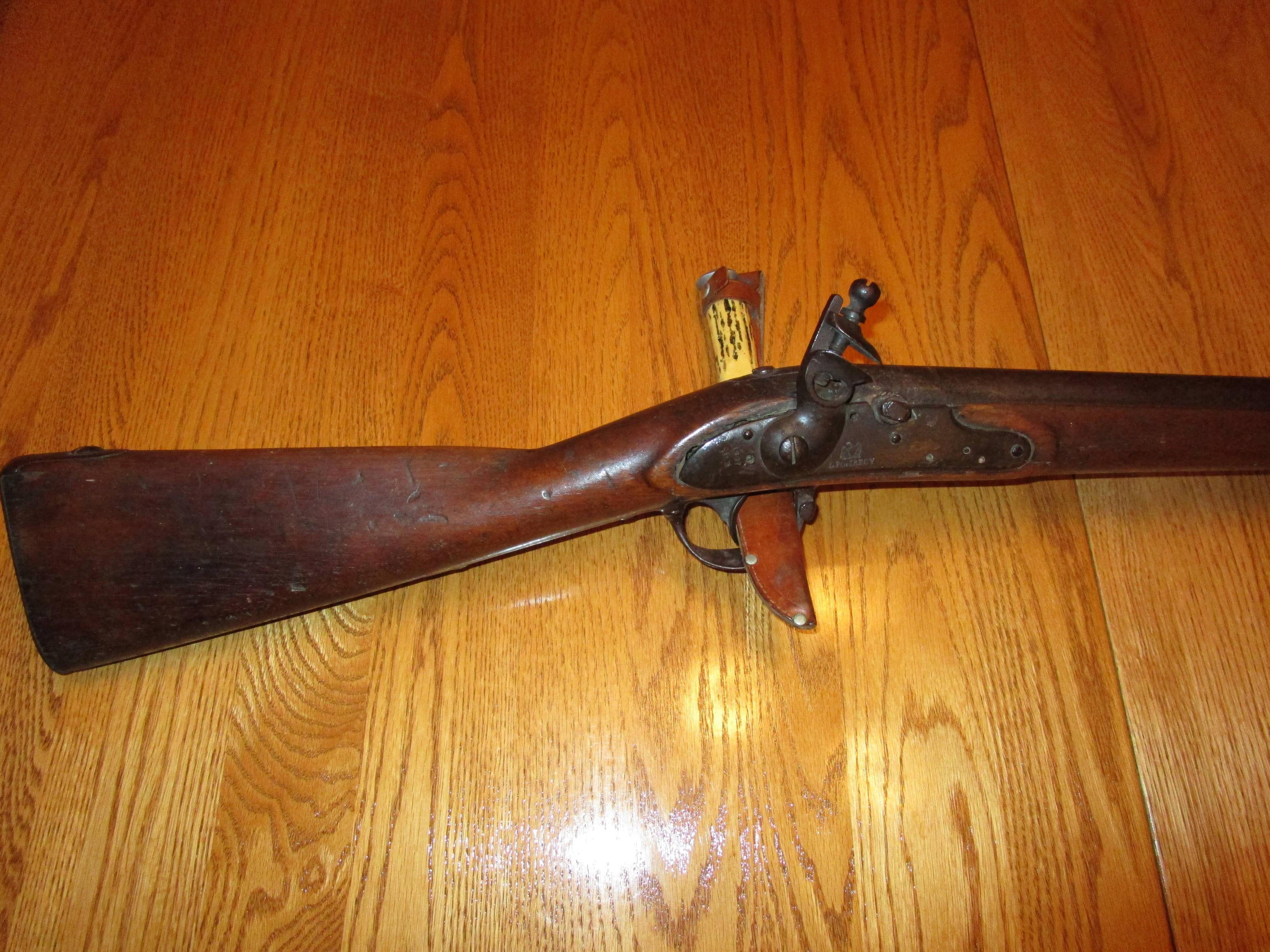
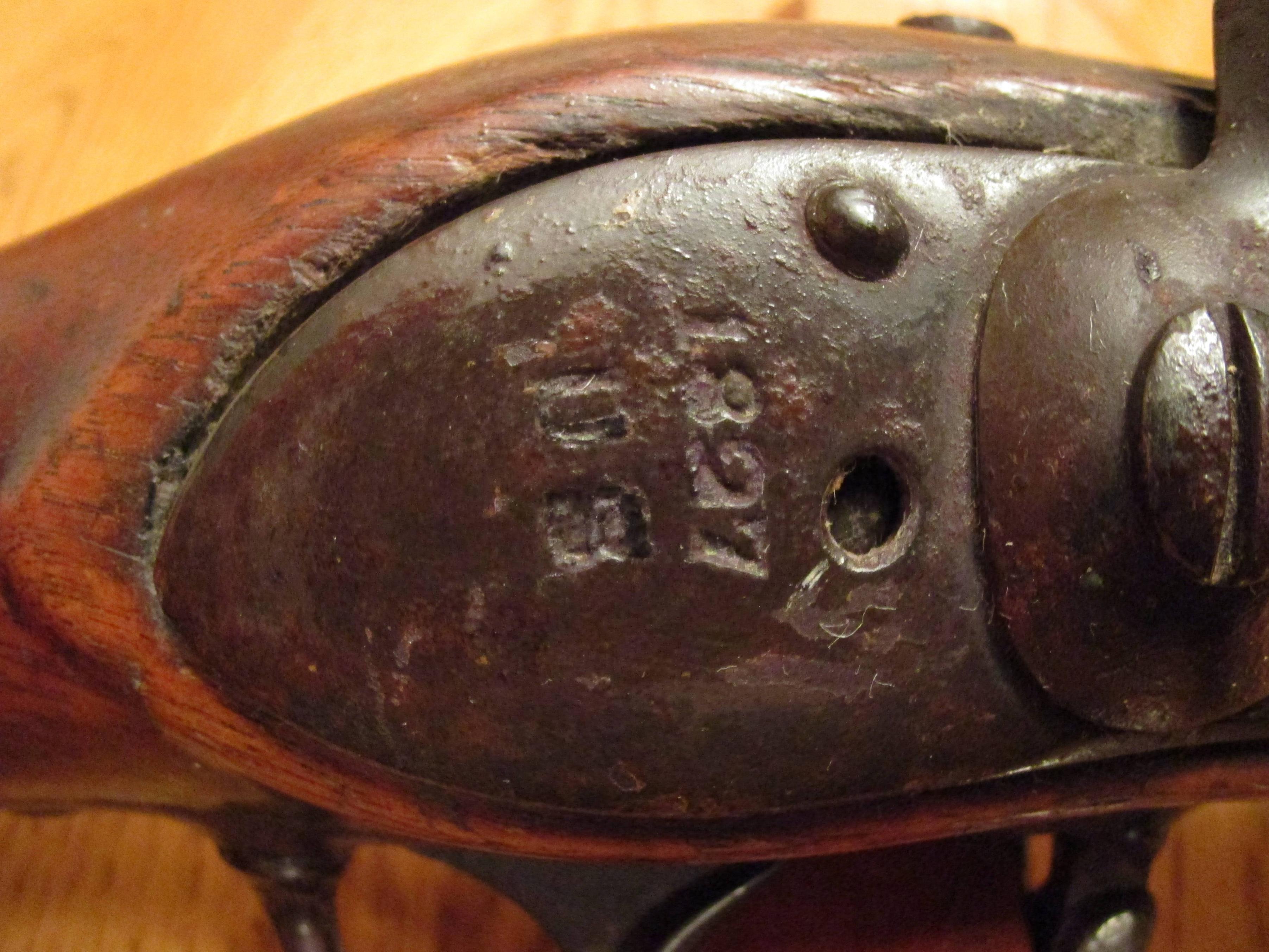
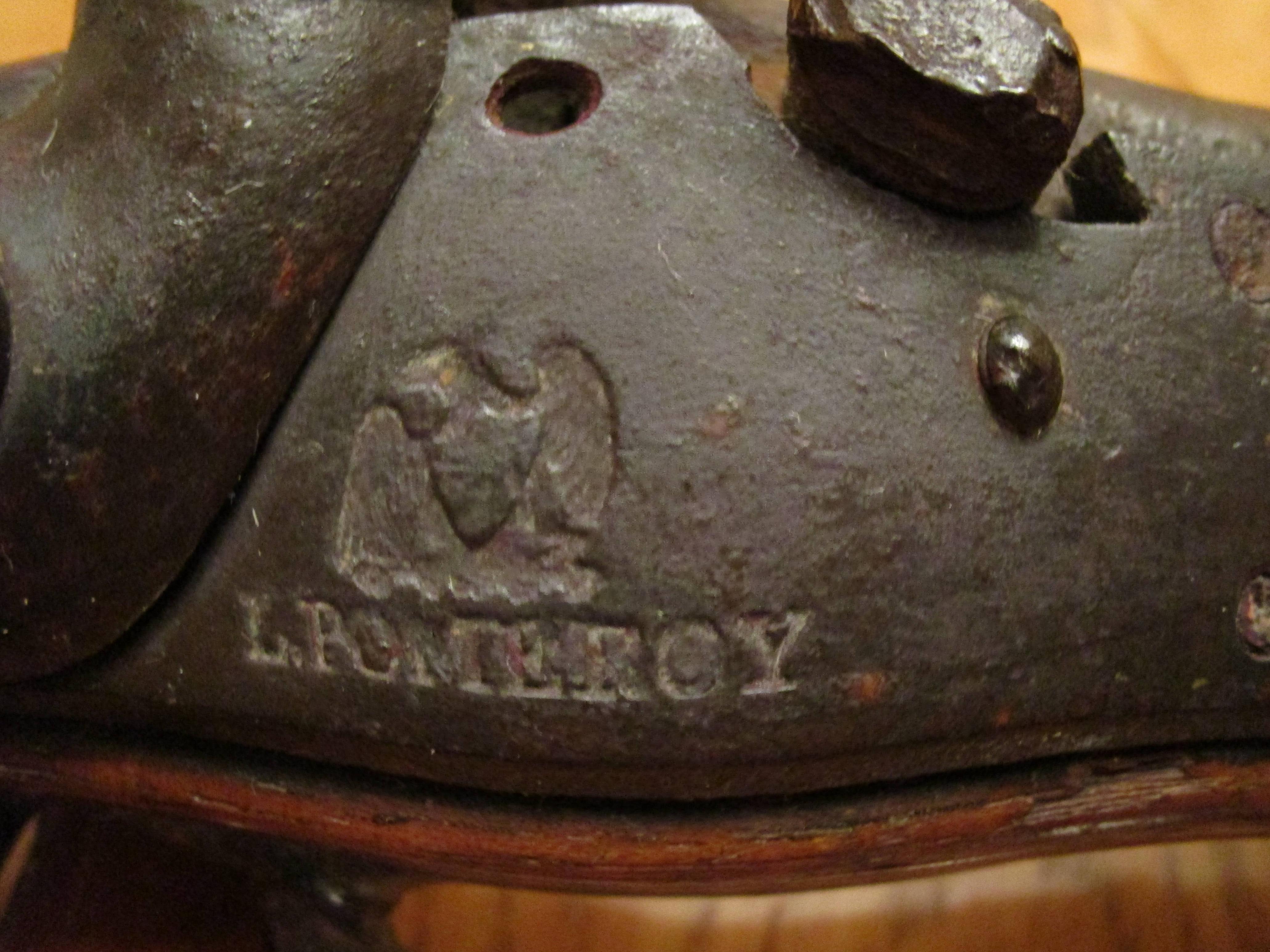
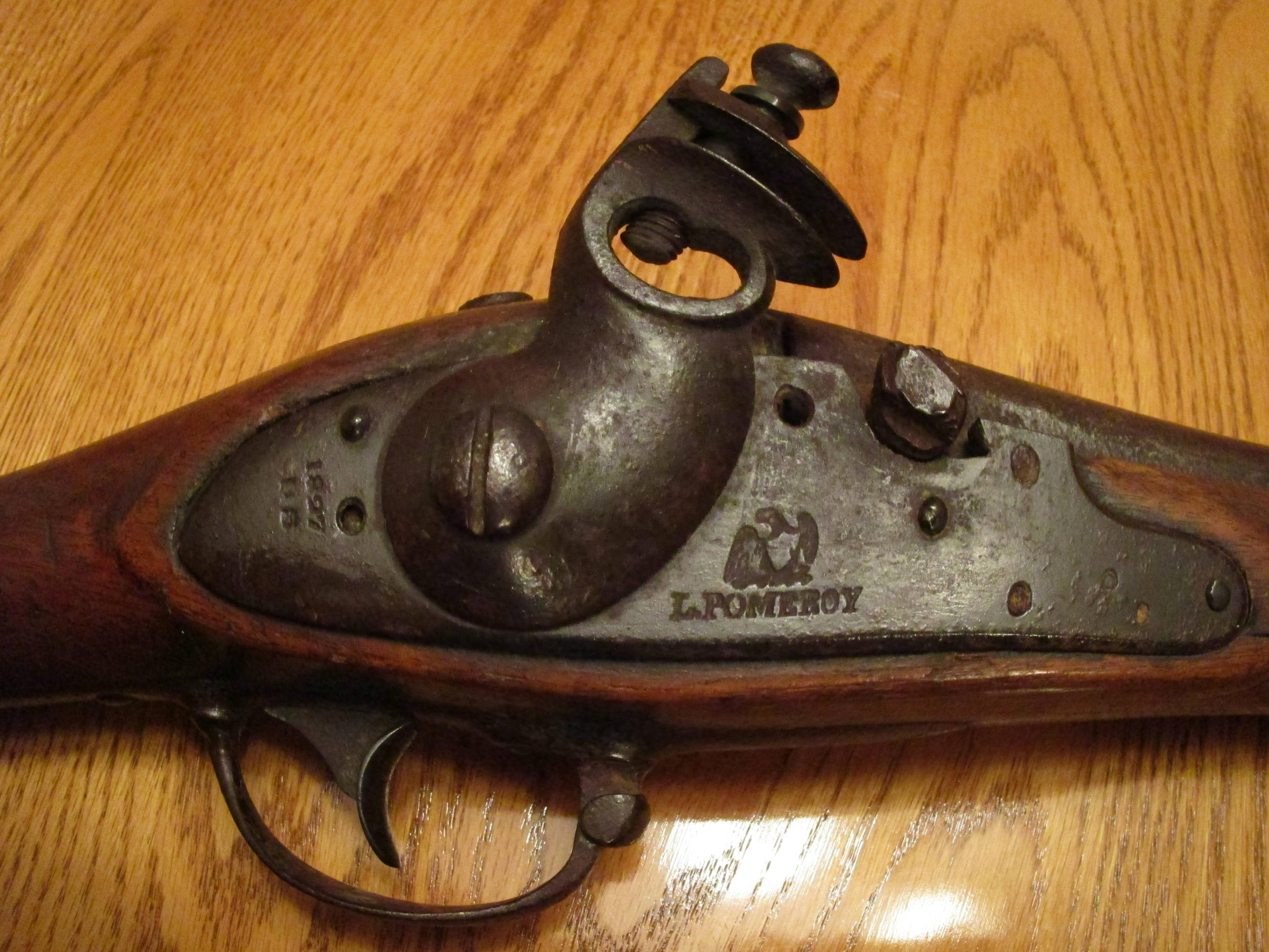
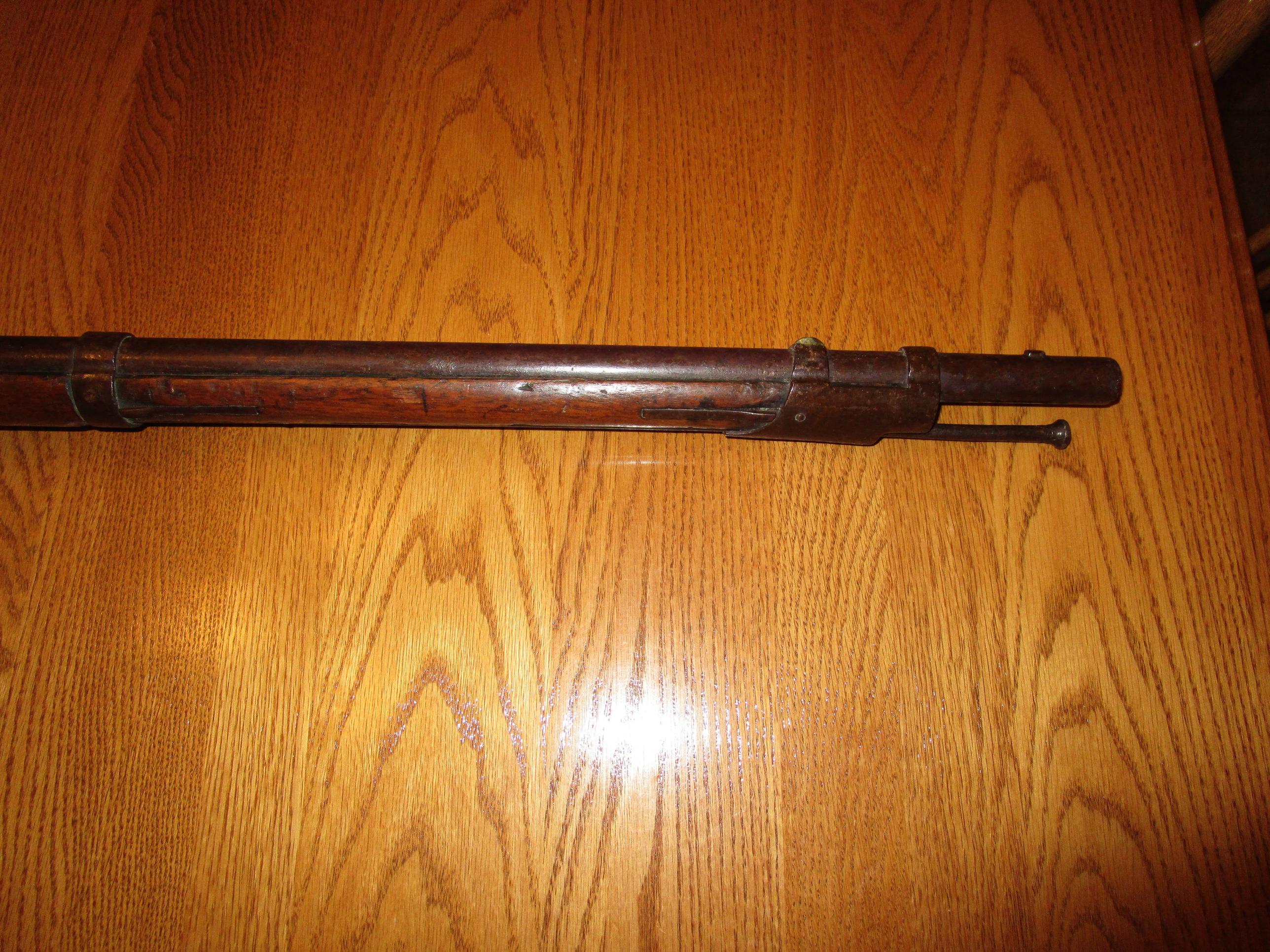
The one I have is the same length, 57 3/4 inches, has the L. Pomeroy marking on the side with the eagle, the P stamp, the dates marked on the side and on the tang, the US marking on the side and buttplate. It has the same looking iron furniture, except that this old one has accumulated some rust. I remember it hung on a beam in the barn when I was a kid in the 50's - 60's, and we used to play with it a bit. At some point dad saw its value as an heirloom and antique, and brought it into the house and hung it over a doorway in the living room. My mother, not seeing it in the same way, decided to spruce it up a bit one day, and without asking gave it a coat of varnish, over the metal as well as the wood, covering rust and all, so that it appears that what was once in the white, but aged, is more now a darker brown (rusted) metal. I once thought of trying to remove the varnish, but have now decided to leave it as is, as that is part of its history, and reminds me of my late mother and father, among other things.
Anyways, at some point in its history it was rather crudely converted to cap lock, so that the flash pan and frizzen?? are missing, and are replaced by a homemade sort of thing for a cap holder. The original part that held the flint is intact, with working spring and trigger. The ramrod is there also.
Now here is the interesting part. The Loyalist Firearm site says it was first made in 1835, but this old one is clearly stamped 1827 both on the side and the tang. Can anyone explain that?
For some time I have thought about buying one of the new ones from Loyalist, but never before seemed to have the money, or other priorities prevented it. Has anyone here dealt with them, or bought one of these? My reason for buying one would be to actually shoot it, not reenacting, but sort of a nostalgia thing, so I am wondering about the safety of actually shooting these, as I obviously would never shoot this heirloom antique one.
I shoot modern cap muzzleloader, but have never owned a flintlock, so could use a little help with that as well, if I decide to buy one. I know I'd need some sort of round ball mold for .69 cal. and some flints, but am not sure where to find the mold. It looks as though Loyalist sells flints.
Thanks in advance for any advice.
It is obviously the same as this reproduction firearm from Loyalist http://www.loyalistarms.freeservers.com/183540USflint.html
The one I have is the same length, 57 3/4 inches, has the L. Pomeroy marking on the side with the eagle, the P stamp, the dates marked on the side and on the tang, the US marking on the side and buttplate. It has the same looking iron furniture, except that this old one has accumulated some rust. I remember it hung on a beam in the barn when I was a kid in the 50's - 60's, and we used to play with it a bit. At some point dad saw its value as an heirloom and antique, and brought it into the house and hung it over a doorway in the living room. My mother, not seeing it in the same way, decided to spruce it up a bit one day, and without asking gave it a coat of varnish, over the metal as well as the wood, covering rust and all, so that it appears that what was once in the white, but aged, is more now a darker brown (rusted) metal. I once thought of trying to remove the varnish, but have now decided to leave it as is, as that is part of its history, and reminds me of my late mother and father, among other things.
Anyways, at some point in its history it was rather crudely converted to cap lock, so that the flash pan and frizzen?? are missing, and are replaced by a homemade sort of thing for a cap holder. The original part that held the flint is intact, with working spring and trigger. The ramrod is there also.
Now here is the interesting part. The Loyalist Firearm site says it was first made in 1835, but this old one is clearly stamped 1827 both on the side and the tang. Can anyone explain that?
For some time I have thought about buying one of the new ones from Loyalist, but never before seemed to have the money, or other priorities prevented it. Has anyone here dealt with them, or bought one of these? My reason for buying one would be to actually shoot it, not reenacting, but sort of a nostalgia thing, so I am wondering about the safety of actually shooting these, as I obviously would never shoot this heirloom antique one.
I shoot modern cap muzzleloader, but have never owned a flintlock, so could use a little help with that as well, if I decide to buy one. I know I'd need some sort of round ball mold for .69 cal. and some flints, but am not sure where to find the mold. It looks as though Loyalist sells flints.
Thanks in advance for any advice.
Last edited:


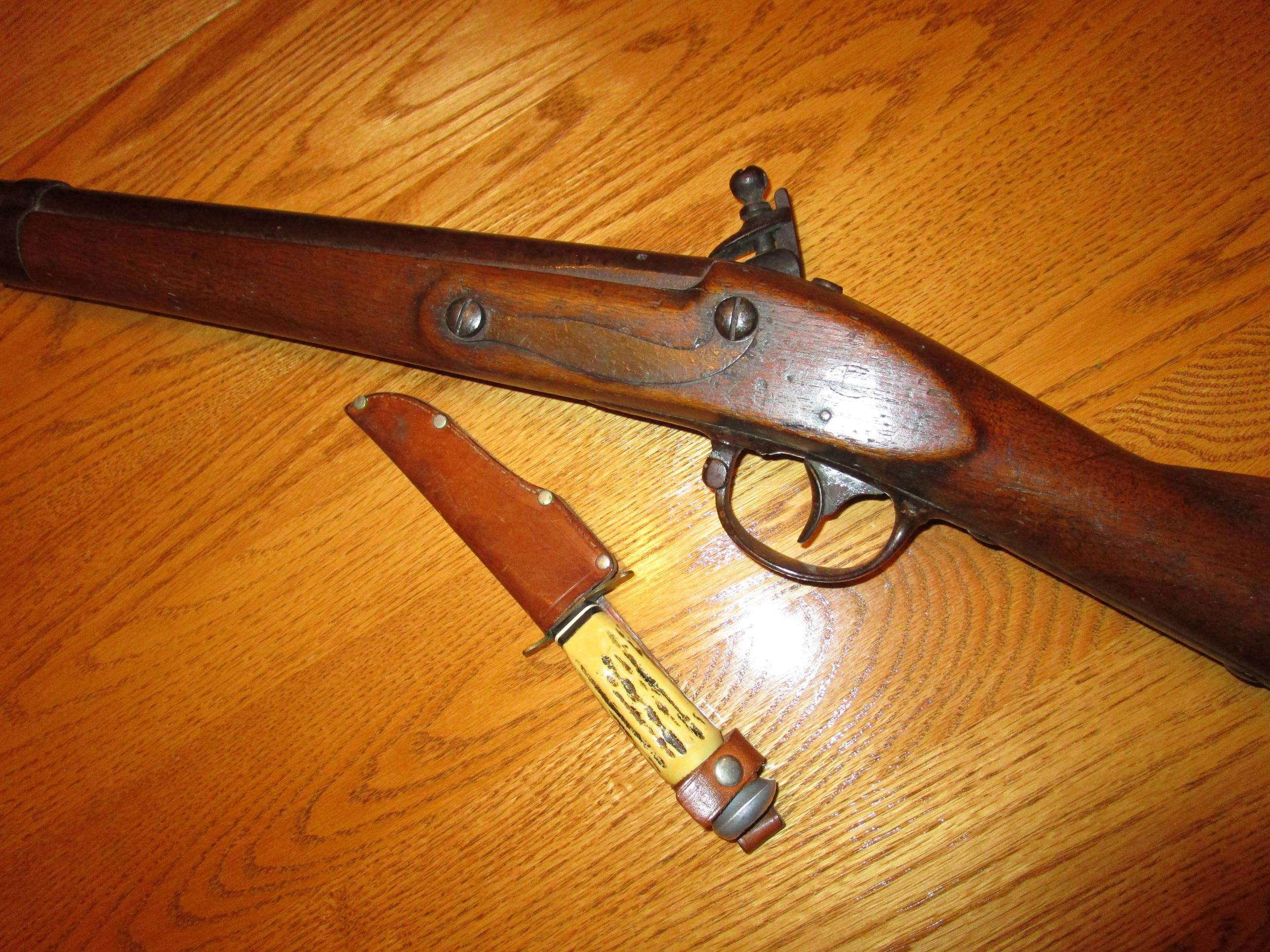

 But the touch hole in that homemade part is pretty much rusted closed.
 ate over US marked vertically behind hammer.


 I had no idea that paper tape caps were used in actual firearms! I thought they were made for toy cap guns.





















