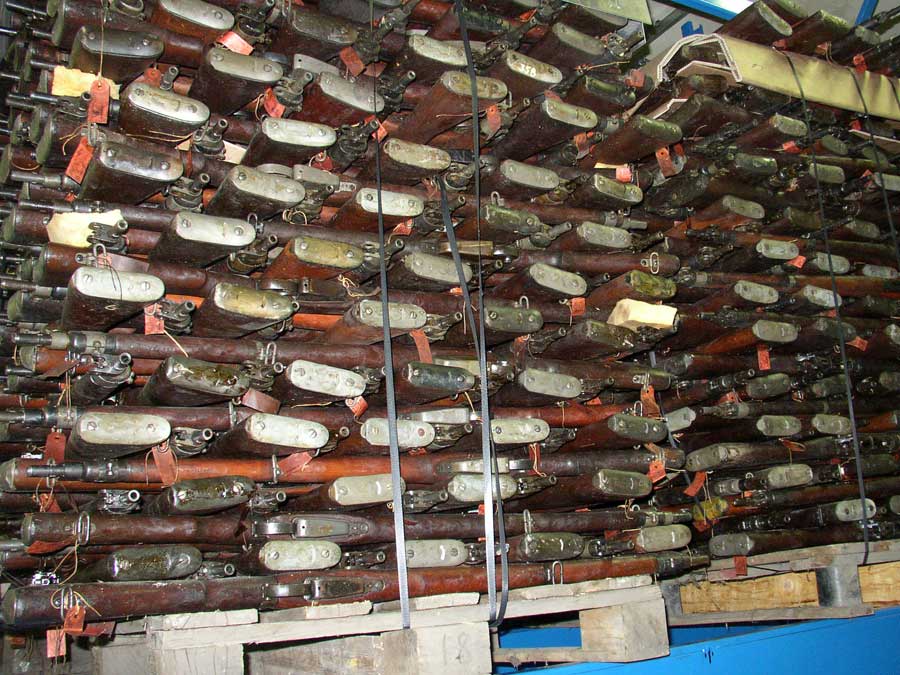
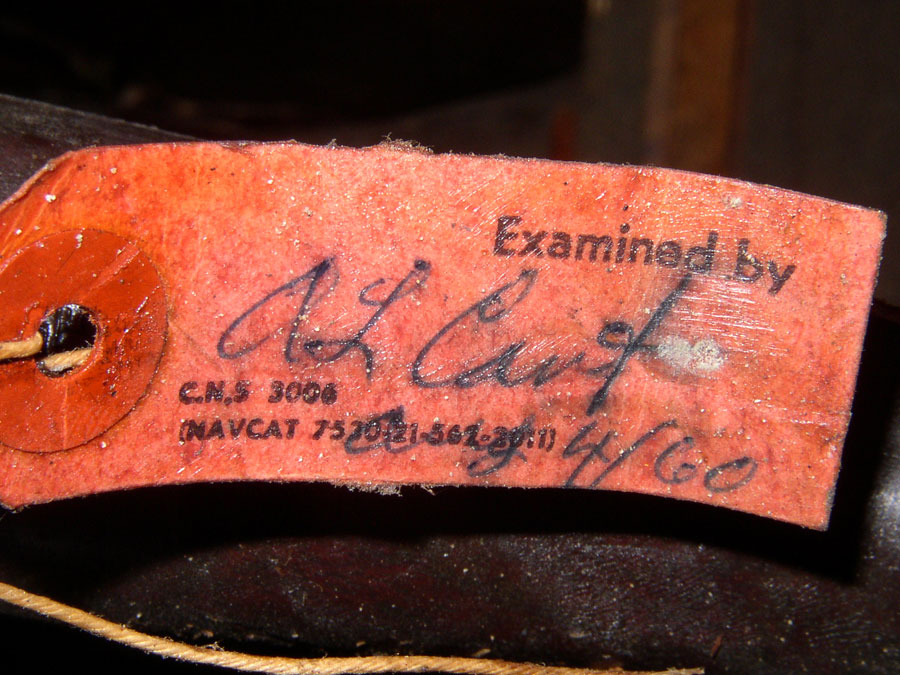
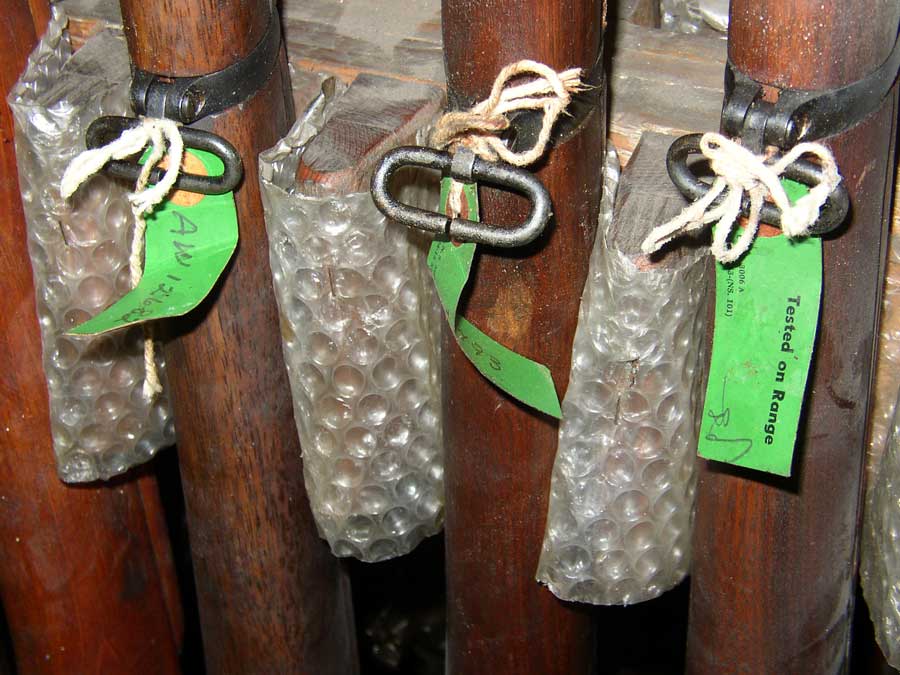
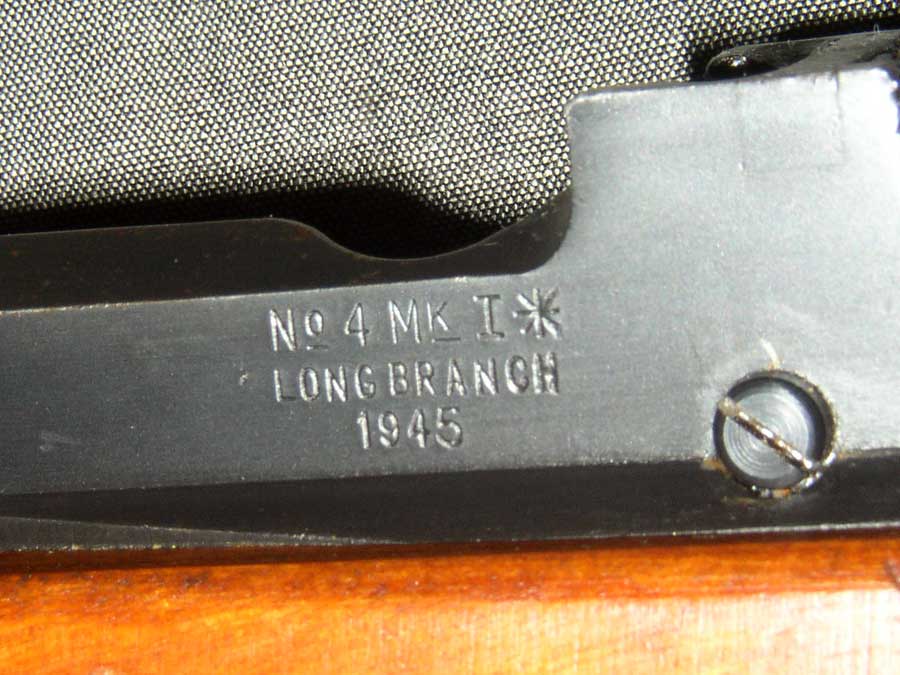
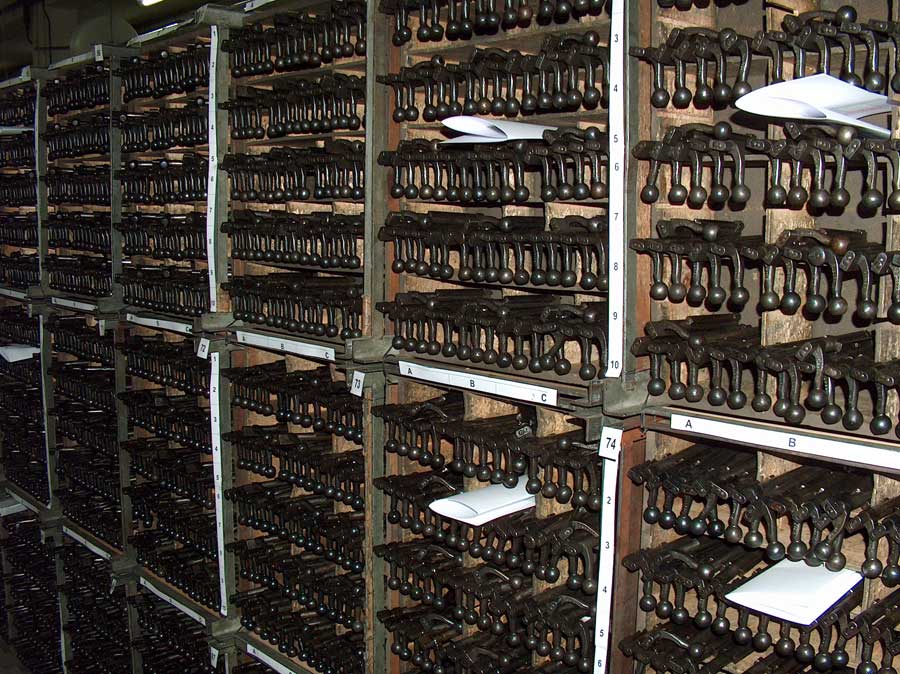
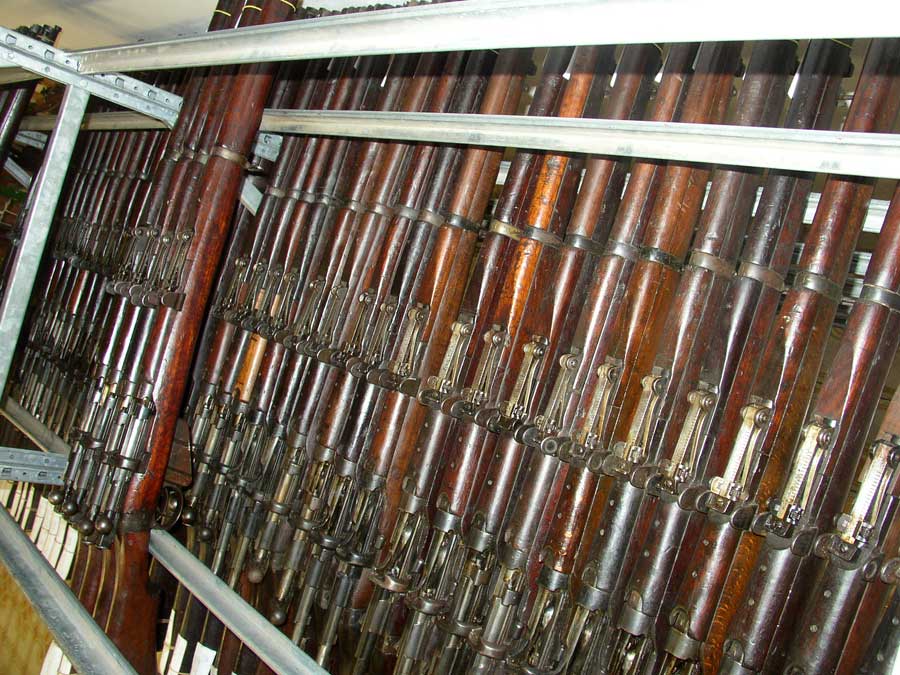
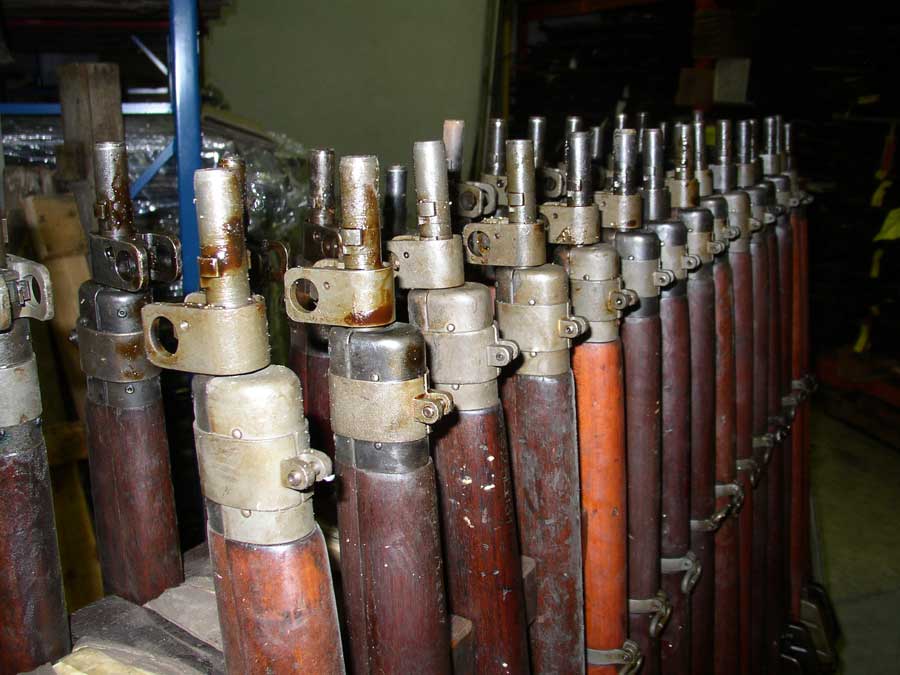
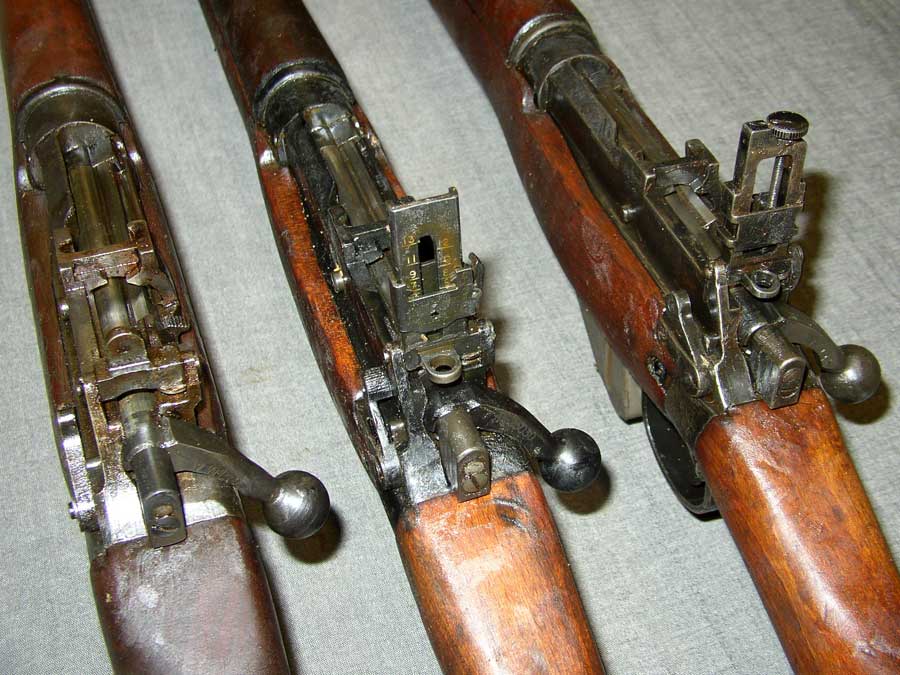
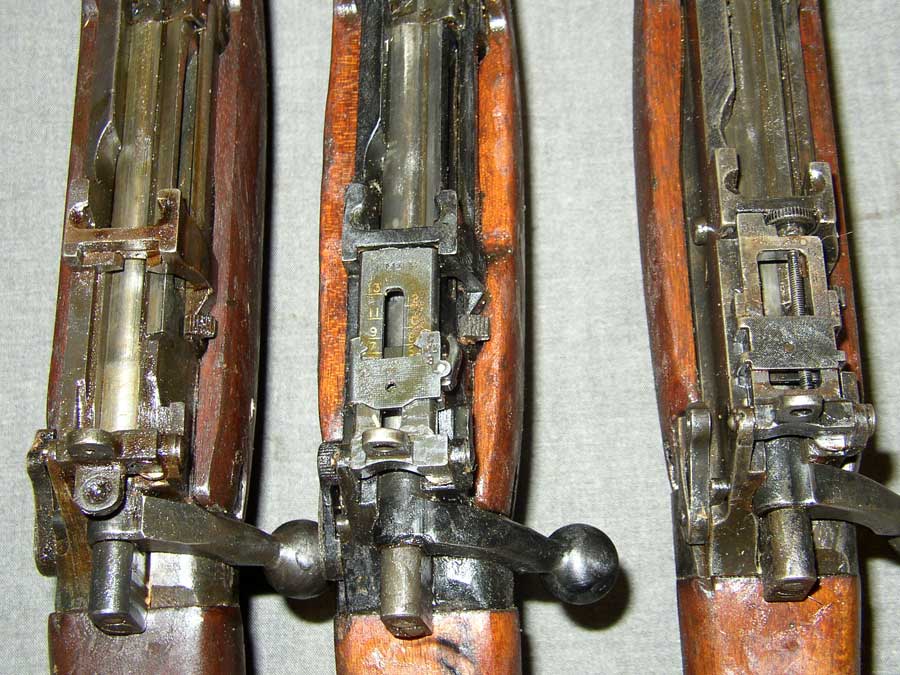
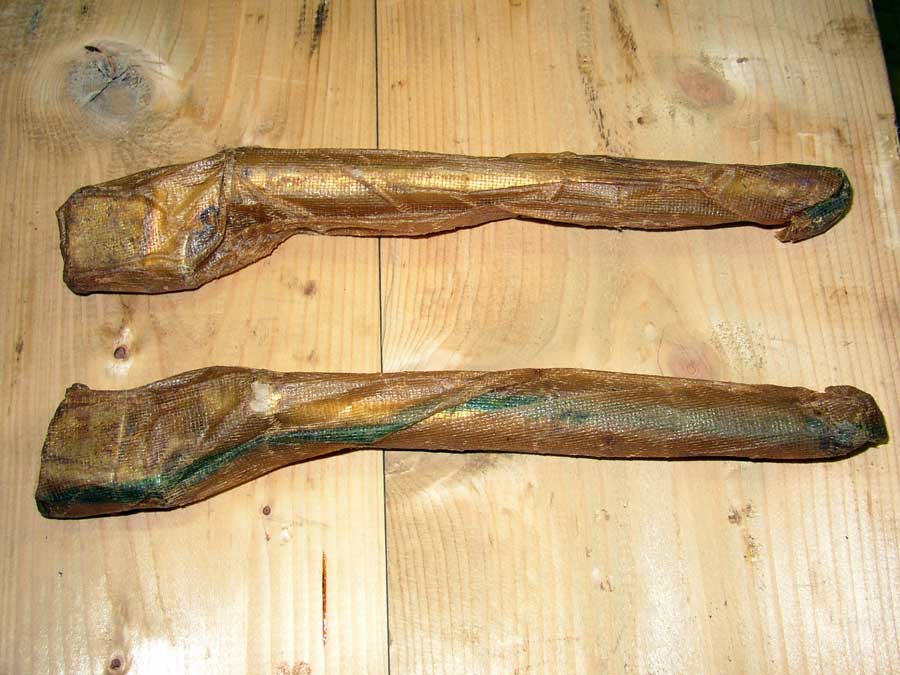
Don't you think someone who is paid to solve problems would have thought the same way as you? The contract is the end decision after a couple decades of staff work, admittedly in what look like a few false starts. The cargo cult notion of shipping containers of parts sloshing around the world's surplus market waiting for some staff officer to buy is not realistic. They already bought up what was reliably affordable. The No.4 has not been properly supportable for long enough that the system was forced to react. IMHO, this is as good a decision as any.
For a long time converted No.4 rifles were perfectly acceptable on military rifle ranges for civilian target shooters. About twenty years ago the New Zealand version of the NRA was ordered by the NZDF to not fire conversions on military ranges. The risk of stretched and overproofed actions, with no concept of firing logs or in-service monitoring was considered too great to allow continued use. The Kiwi sport shooters were hopping mad, but eventually had to play by someone else's rules. Can be converted is not the same as can be reliably converted.
I don't think there are any conventional drawings for No4s anywhere. The original rifles were produced in a craftsman-type work environment with sealed patterns, individual jigs and testing gauges. From reading between the lines in the references, the inspectors rejected more parts than any modern contract would tolerate. When the British sold the production line to Pakistan in the 1960's, they didn't sell a couple of DVDs of CADCAM files. They sold crates of notes, go-no go gauges, cutting tools and attachments for milling machines. We cannot apply modern manufacturing principles to the No.4 (ie have you ever looked at Khyber Pass gunsmith videos on Youtube?). Hence, one reason why the AIA was found not suitable.
I was more commenting on the notion that the reason and cost justification for why we had to go with the $2700 Colt Canada made Tikka's was that this allowed for spares to be made when ever needed.
The Danes still use the even longer obsolete M1917 (Made obsolete in 1919) for the same type of use for their equivalent to the Rangers and replaced worn-out parts from new/recent local manufacture (like Barrels and stocks).
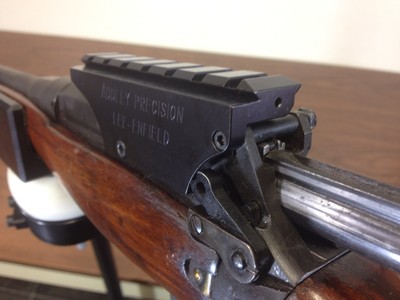
How many complex or custom fitted parts are the Rangers wearing out on their No.4 LE's?
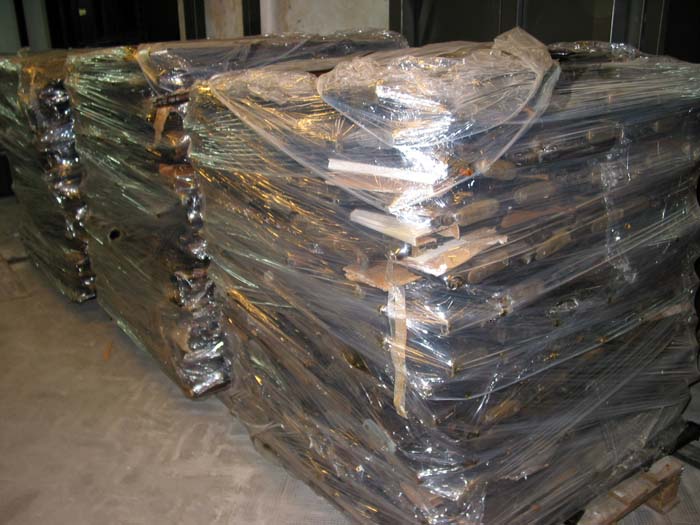
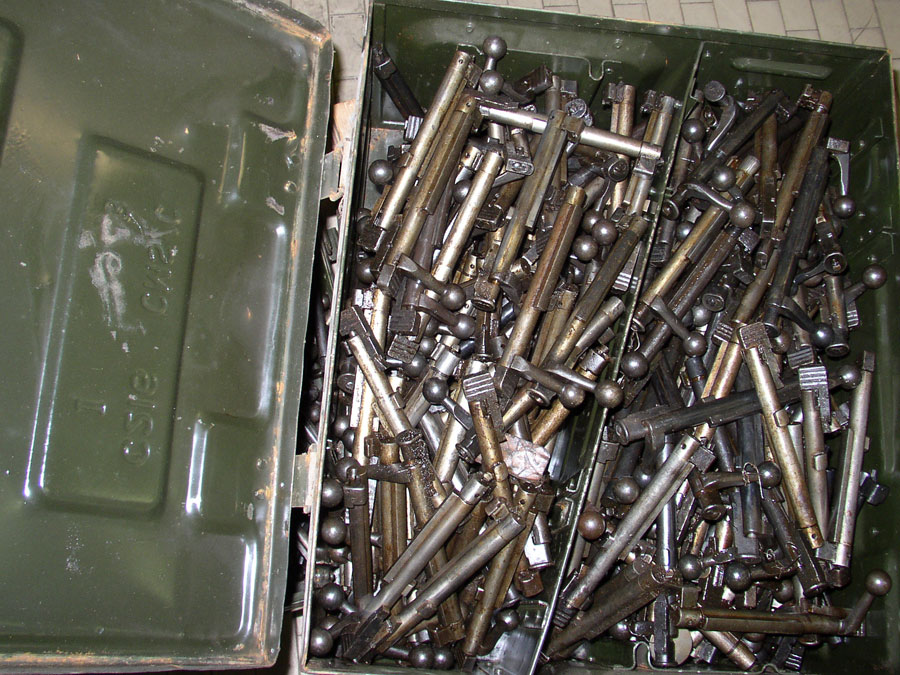
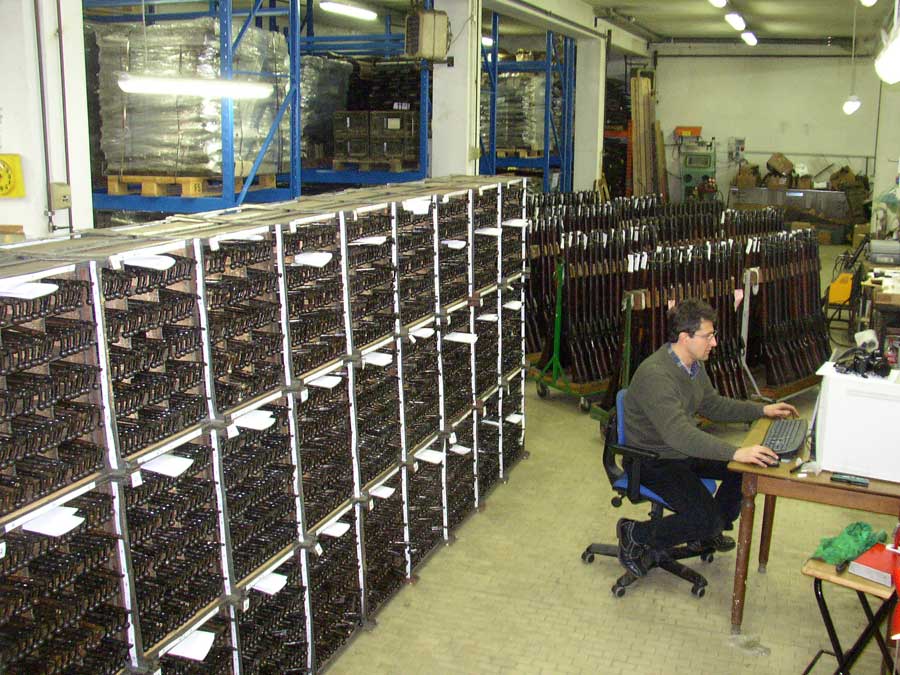
Are the Rangers wearing out extremely robust and multiple war/battle tested rifles that quickly that the commercial sporting grade Tikka's are going to last longer? What the hell are they doing with their rifles that makes them go through the container loads of new in the wrap rifles they bought in the 1990's?
Are $2700 sporting rifles a smart replacement for the LE if they are going to treated very roughly or as disposable asserts? Maybe a sub $1000 bulk purchase deal of off the shelf rifle like a Ruger Gunsite scout would be more cost effective for the cash strapped Canadian military that can barely field a effective Navy or Airforce.
I guess we will see in the near future when those 6800 rifles get worn out/broken/scrapped and they ask for another $33 million for more new ones. I'm sure Colt will be happy either way unless they go bankrupt again in the meantime.
http://www.law360.com/articles/743212/colt-forced-to-rework-ch-11-plan-after-sciens-default
http://www.law360.com/articles/778392/remington-wins-review-of-army-rifle-contract-to-colt


 I've been north of 60. I've seen it. I know you have too. Rifles are just tools up there. Like a hammer. And they wear out fast.