












































You are using an out of date browser. It may not display this or other websites correctly.
You should upgrade or use an alternative browser.
You should upgrade or use an alternative browser.
kinetic bullet pulling hammer
- Thread starter tikka
- Start date


fingers284
CGN Ultra frequent flyer
- Location
- Alberta Cowboy Ranges
Interesting concept. Not arguing, would like to discuss.
It strikes me that primers are designed to be relatively safe under normal conditions. One design consideration is that the primer must inevitably be forced into the primer pocket. In other words, a fair bit of force will be applied to the base of the cup, normally until it is flush with or even just a bit recessed into the case. Were the primer so loosely assembled, would there not be a lot more going off accidentally during reloading/commercial assembly?
Secondly, if the primer is not so loosely made, even if the whole thing does shift when hammer hits floor or bench, it's only going to seat itself in the pocket.
Lastly, it often takes a fair bit of force, repeated hits for the bullet to move out of the case (I am also a member of the 2nd Hammer Club). Yet the bullet is heavy. It strikes me that the primer cup is less likely to move as its mass is much less. Moreover, we've almost all of us seen the (dud) results of a light strike by hammer or firing pin. Yet that light strike is going to have considerbly more force than that of a moving cup.
Thoughts?
I guess all we have is our own experience to really rely on with primers. Before I got my first progressive press I seated 10's of thousands of SP primers with a hammer and bolt over a steel plate on the coffee table while watching TV (most were Federal ) with out a single detonation. Since 01' I have been using a progressive (first a Loadmaster now a 650) and have had 4 detonations, 2 in each press (all 4 were federal).
The detonations in the loadmaster were both at the primer seating stage. One showed considerable damage to the primer sidewall like it didn't 'center" in the pocket, the other had no outside change in appearance at all, not even a "flattening out" of the cup base.
The last two have been in the Dillon 650 and both detonated somewhere in the feed track between the feed tube and seating plug. Nothing struck either primer at any time, the only thing I can come up with for a cause is that the Anvil was prouder than spec and when it was squeezed into the track (or caught on the lip of the track, tight tolerances here on the 650's) they scraped the fulminate causing it to ignite (sort of like striking a match, Civil war cannon fuses worked like this with almost the same component only shaped different).
I guess what I'm saying is that primers are like kids..."Sometimes they will do the damndest things".
Virtually all the shells I load have a very tight crimp on them and a soft beating anchor just wont do the job...cement floor works bestand even then sometimes 2 or 3 whack are required.


You wouldn't expect a primer or primer components to have enough mass to explode from compression while using a kinetic puller.
One would think so.
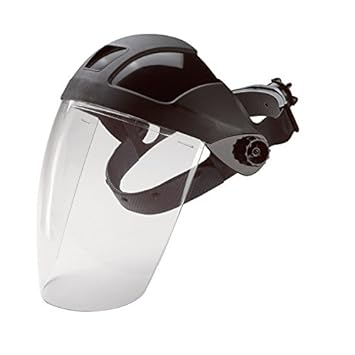
I might have to invest in one of these when using my kinetic hammer next time. And I say that half-jokingly.

I use a Frankford Arsenal kinetic puller. I was new to reloading and my first batch of 150 had just a wee bit to much powder in them. The do not exceed was 4.0 I believe and I was putting in 4.6-4.7 gr. So instead of shooting a hot load that a lot of old timers said would have worked fine I pulled them all apart. Which was good as I found TWO future squibs. No charge at all. (No powder in the puller when uncapping it) One of those two when I removed it from the collet I found had gone off. Don't ask me how I did not notice it happen but when I removed the case it was discoloured from the primer going off.
Anything could happen, after all we are using Kinetic energy with the use of Kinetic hammers. I use a RCBS kinetic hammer along with a 4"x4" block standing on its end. I have seen a gunsmith at a LGS whack the anvil part of his iron vice with his already broken RCBS hammer handle with factory ammo and never had a problem in his long career (40+ years).
Primers consist of "Lead Styphnate and is classified as an extremely sensitive initiating explosive. According the MSDS it is not flammable or combustible. It will explode at high temperatures (626 Deg. F) and becomes unstable with mechanical shock, impact or electrical (static) discharge."
Primers consist of "Lead Styphnate and is classified as an extremely sensitive initiating explosive. According the MSDS it is not flammable or combustible. It will explode at high temperatures (626 Deg. F) and becomes unstable with mechanical shock, impact or electrical (static) discharge."
Last edited:

Slooshark1
CGN frequent flyer
I used a kinetic bullet puller for 26 years with no issues until last year. I had a primer in a .358 Norma Mag blow up in my face. Luckily, the powder was in the forward part of the case and didn't ignite. The primer just blew across the garage with minor particles flying in my face. I was okay but sure scared the hell out of me.
I asked shawn what primer he had.
This is what he said:
Berdan primer. 7.62x39 , ,,steel case. Steel core bullet
Was Shawn wearing eye protection? Shouldn't be hammering on anything without eye protection, unless you don't mind losing your sight. Chit can happen to anyone, but it happens more often to people who don't give a crap until after the accident.

That is even more odd since military primers are very hard. Can't see military primers being shock sensitive considering what mil-spec have to put up with.
True, however they would have that red sealant around the bullets, which can be hard to defeat. I seat the bullets a hair deeper first to "break" the seal, then use the hammer to remove them. If he didn't break the seal, the level of necessary whacking would be on the very high side. Still shouldn't set off the primer though.
Sakoman .308
CGN Ultra frequent flyer
- Location
- Nova Scotia
Losing your sight even temporarily would be terrible. Please wear eye protection.






















