My 2 cents
If you full length resize, the case body has clearance in the chamber, meaning it doesn't touch the chamber walls.
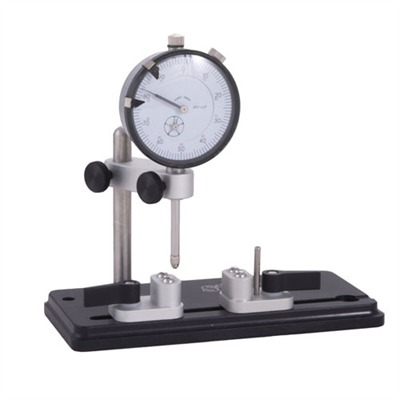
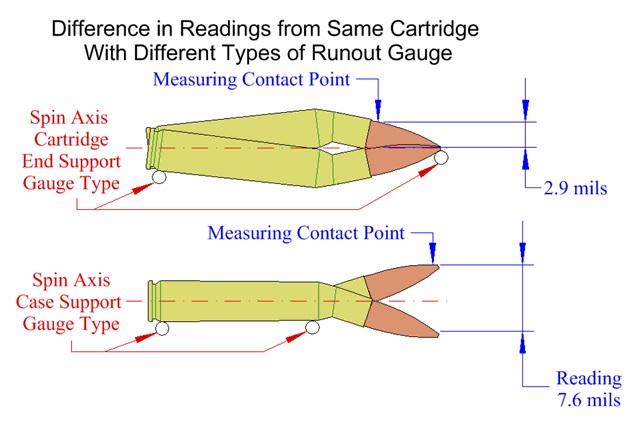
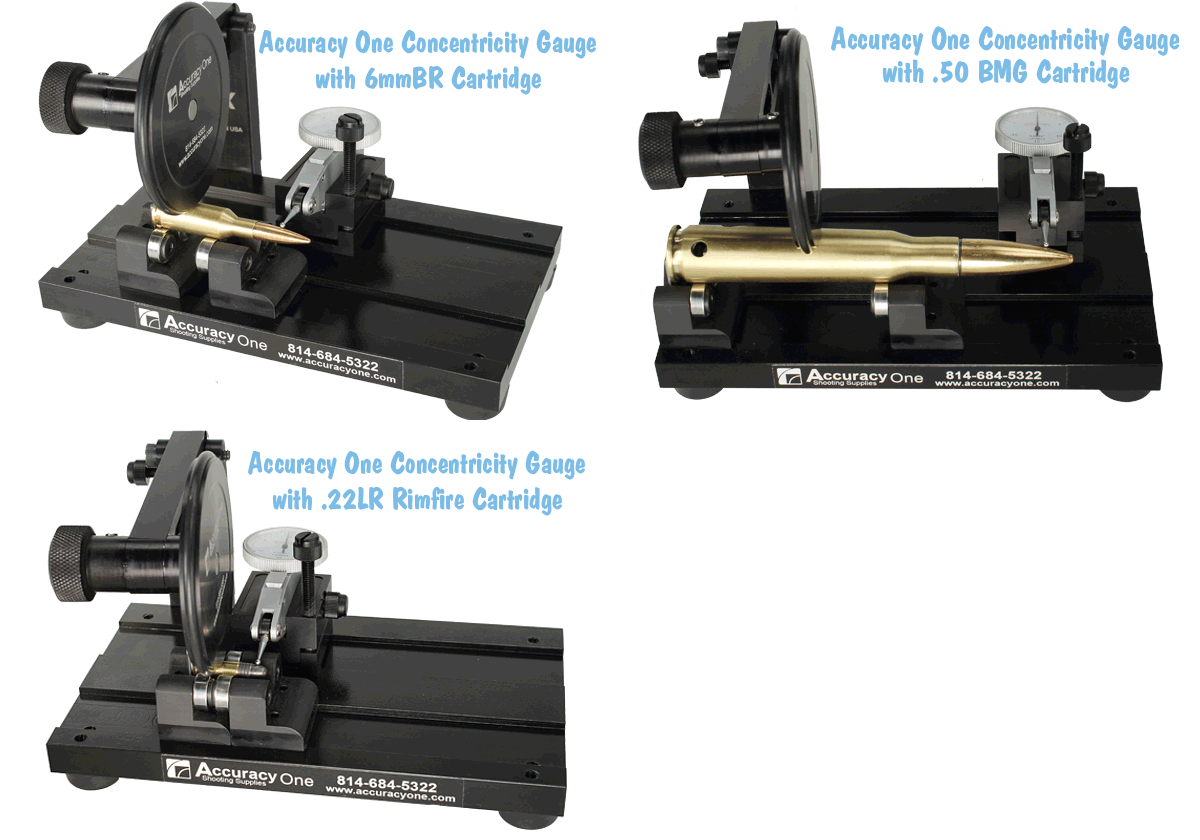
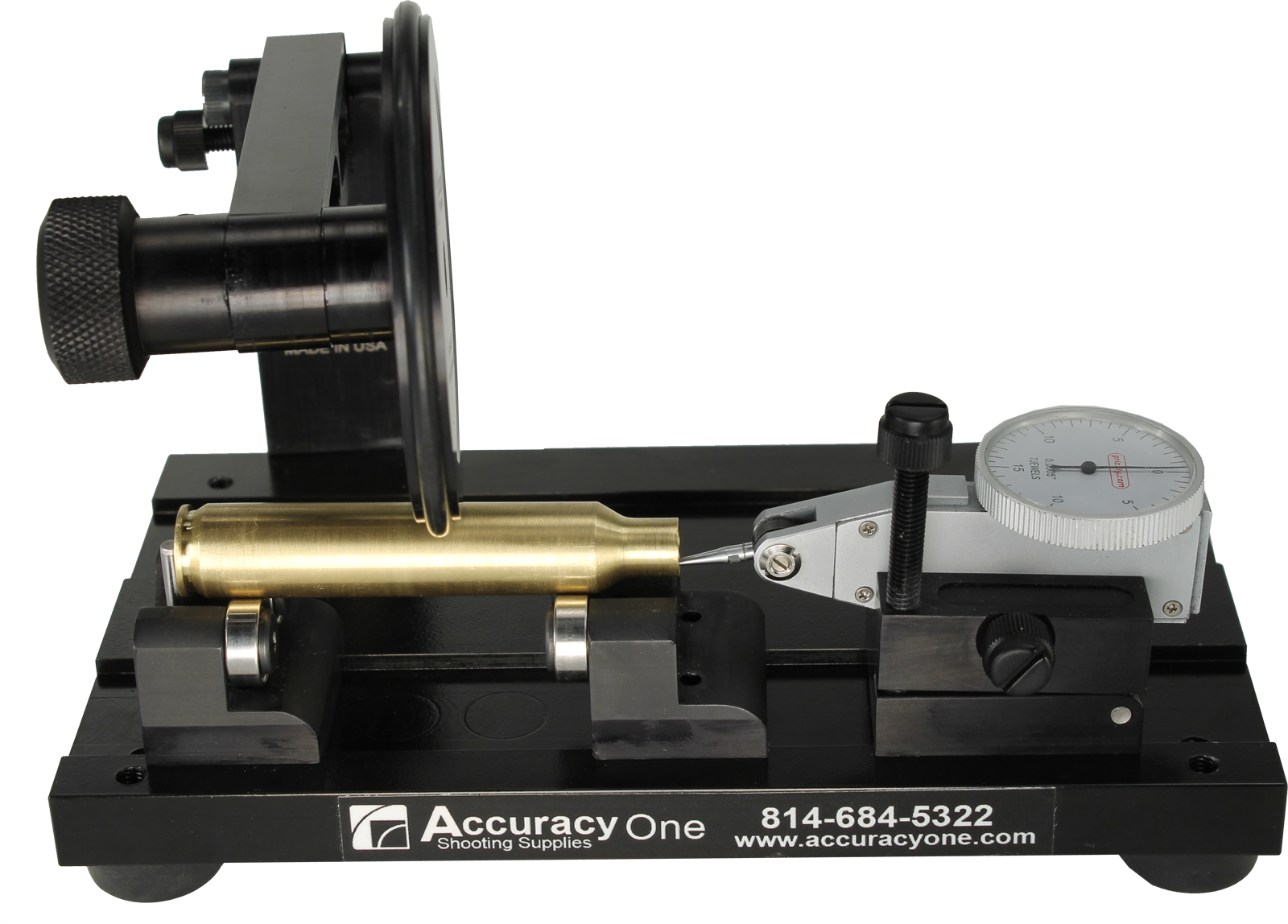
The majority of concentricity gauges let the case rotate on the case body and the case body has no guiding effect in the chamber.
A neck sized case will have the case body touch the chamber walls and the body of the case can effect bullet alignment with the bore.
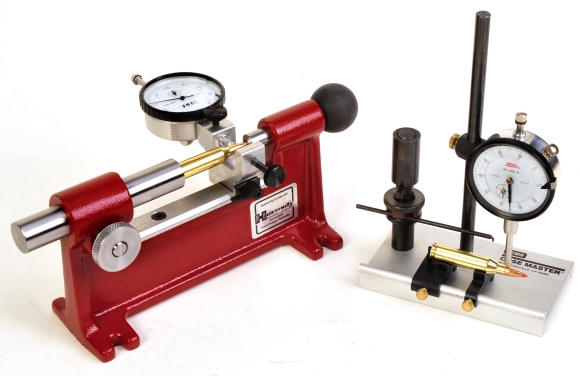
I have both gauges below and the RCBS gauge rotates on the case body and the Hornady gauge rotates the case on its base and bullet tip.
If you full length resize your cases the case is supported in the rear by the bolt face and by the bullet in the throat. Meaning the only part of the case touching the chamber is the case shoulder pushed forward by the ejector. (as long as the case isn't warped and banana shaped)
The U.S. Military considers match grade ammunition to be a cartridge with .003 or less bullet runout.
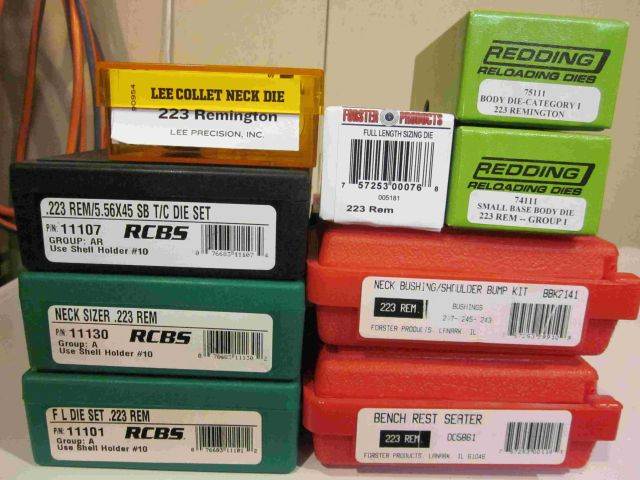
Bottom line if you full length resize with a Forster benchrest resizing die you will have less than .003 bullet runout.
NOTE, at the Whidden custom die website they tell you that a non-bushing full length resizing die produces the most concentric ammunition.
It is the cases with uneven case wall thickness that warp and become banana shaped that cause the majority of problems.
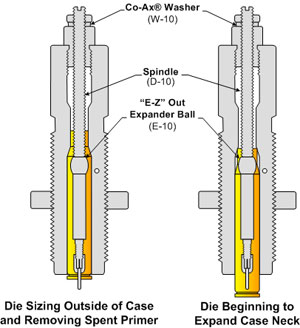
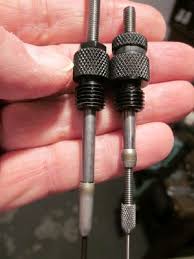
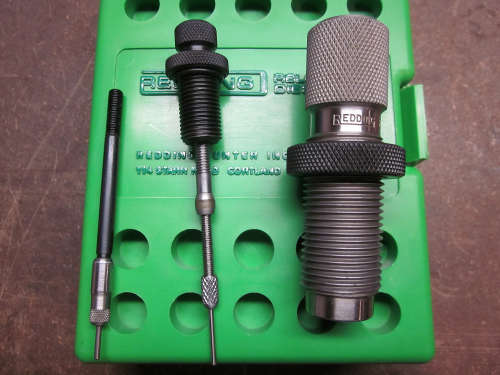
And the biggest cause of neck runout happens when the expander is locked down off center from the neck of the die.
On a bushing die if the case neck is reduced .004 or more it will induce neck runout. And why it is recommended to reduce the diameter in two steps if if reducing over .004.
Bottom line the average reloader with a off the shelf factory rifle will be well served with a $100.00 Sinclair concentricity gauge.
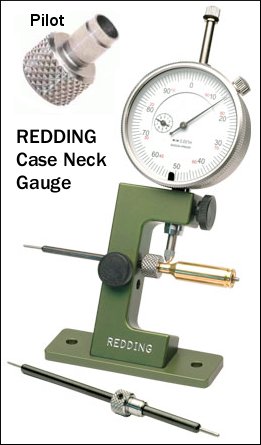
And a simple neck thickness gauge like below will tell you very quickly how uniform your case necks are. And a good gauge to have with a runout gauge to find problem cases.