High pressure?

SustainingGopher

CGN Regular
Rating - 100%
12   0   0
Location
An airport
Hi, im new to reloading and decided i wanted to work up a load for my type 97. My lyman manual suggested a starting load of 23 grains of H335 under a 69 gr open tip bullet. So i went with that along with CCI No. 400 primers and IVI cases. I got decent accuracy out of them. About 2" at 50 or 60 yards but when I gathered the brass i noticed cratering around the primer indent and one was even bulged out a little bit. I collected the cases from factory rounds i had shot just before and they were showing the same thing although it seemed to be more apparent on my loads. The factory rounds were 55 gr Norinco whitebox and 55gr Portuguese (?) military surplus. There is no stress signs on the cases themselves, just the ring around the primer and the one bulged one. Am I worrying over nothing? Or should I be concerned?
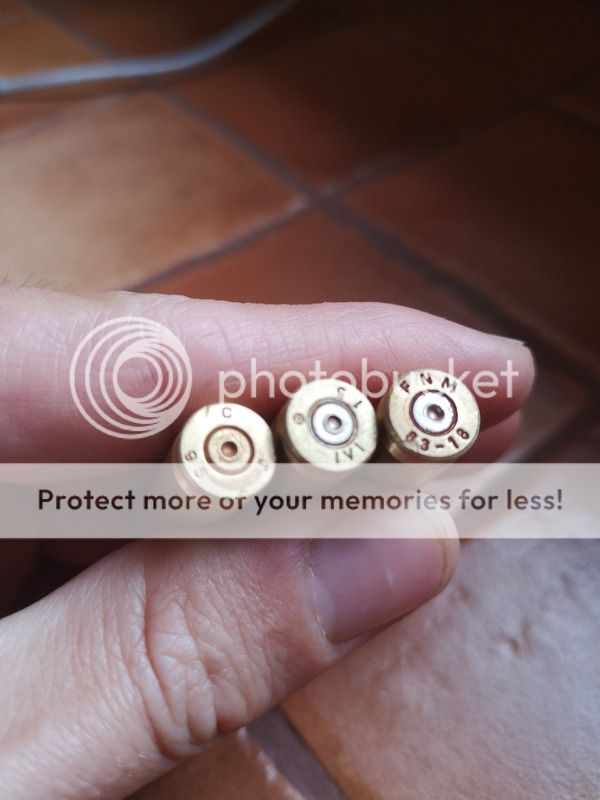
IMG_20180629_111547.jpg
 
Last edited:

Cratered primers can also be caused by a loose fit between the firing pin and bolt face. As to the difference between factory and reloads your primers may be a softer metal, Federal?
 
those primers are still round on the edges, no pressure to be concerned about. However the hole in the boltface that the firing pin protrudes through is definitely larger then the firing pin, causing the primer to flow back into the bolt, fairly common on reminton rifles
 
The 3rd do look more flatened. Even my cadex do primer flowback bigtime.

You should look for flatened edge of the primer and ejector mark showing on the head
 
It is possible I left some lube on the cases.
Never thought about the primer being pushed into the firing pin hole before. That would explain why it happened to the factory rounds as well.
 
Place a straight edge on top of the base of the fired case and flat area of the primer, is the primer flush with the base of the case?

Military ammunition has crimped primers to keep the primers from backing out when fired. And our reloads do not and can look different at lower pressures.

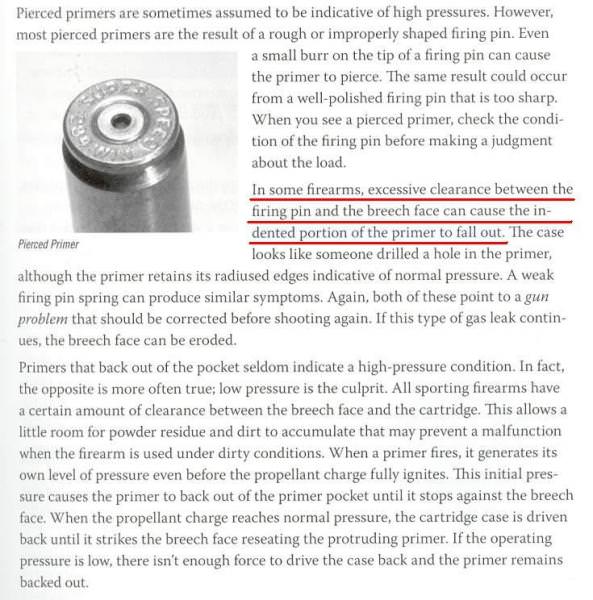
Read bottom paragraph below, low pressure and excessive head clearance/shoulder bump will allow the primer to flow over the firing pin.

BLHD0lB.jpg


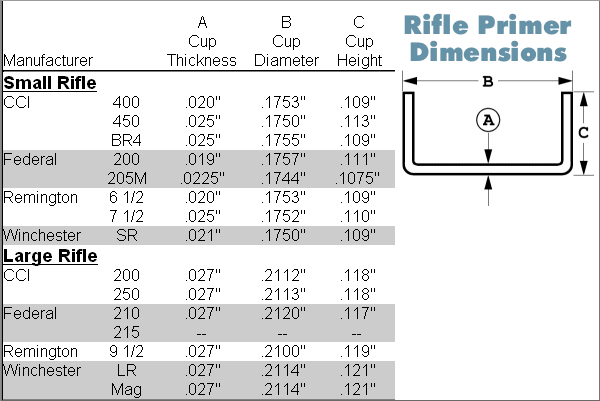
CCI 400 primers only have a cup thickness of .020 and are thinner and softer than other primers. Meaning they will show more flow around the firing pin and the firing pin hole in the bolt face.

The .020 cup thickness is the same for the CCI pistol primers and the Remington 6 1/2 primers and they are made for lower pressure cartridges.

QJM65zp.png


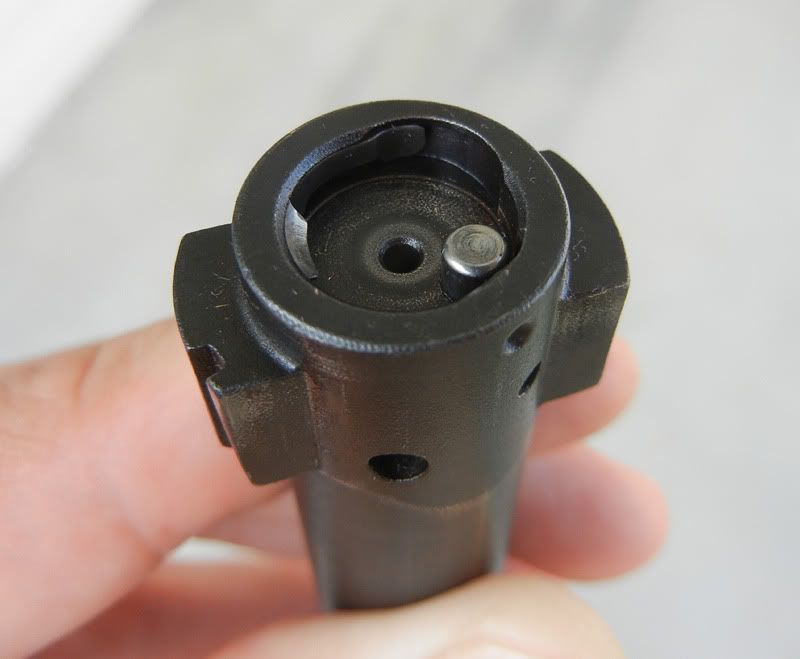
Below I have a Remington 700 with a beveled firing pin hole in the bolt face, and all my primers look like yours.

DSCN0407.jpg


Bottom line, I would switch to thicker primers with a .025 cup thickness and not use the thinner cup primers.
 
Some people think primer signs say something, aside from blowing/piercing them I don't pay them much heed.

All the 700s I have developed a load for showed cratering from the lowest charge to the highest (loose firing pin hole as mentioned above).

Also, some primers are just soft (Fed Blue Box was my softest) and some are harder (CCI Mag/BR or Tula/Wolf).

Sticky bolts, brass signs, unusual velocity or velocity changes are much better indicators IMO.

I had a guy back out of sale due to flattened primers for "safety" and the loads could have even gone hotter and been safe.

Primer looks are low on my list for pressure signs.
 
those primers are still round on the edges, no pressure to be concerned about. However the hole in the boltface that the firing pin protrudes through is definitely larger then the firing pin, causing the primer to flow back into the bolt, fairly common on reminton rifles

This is the right answer.
 
Back
Top Bottom