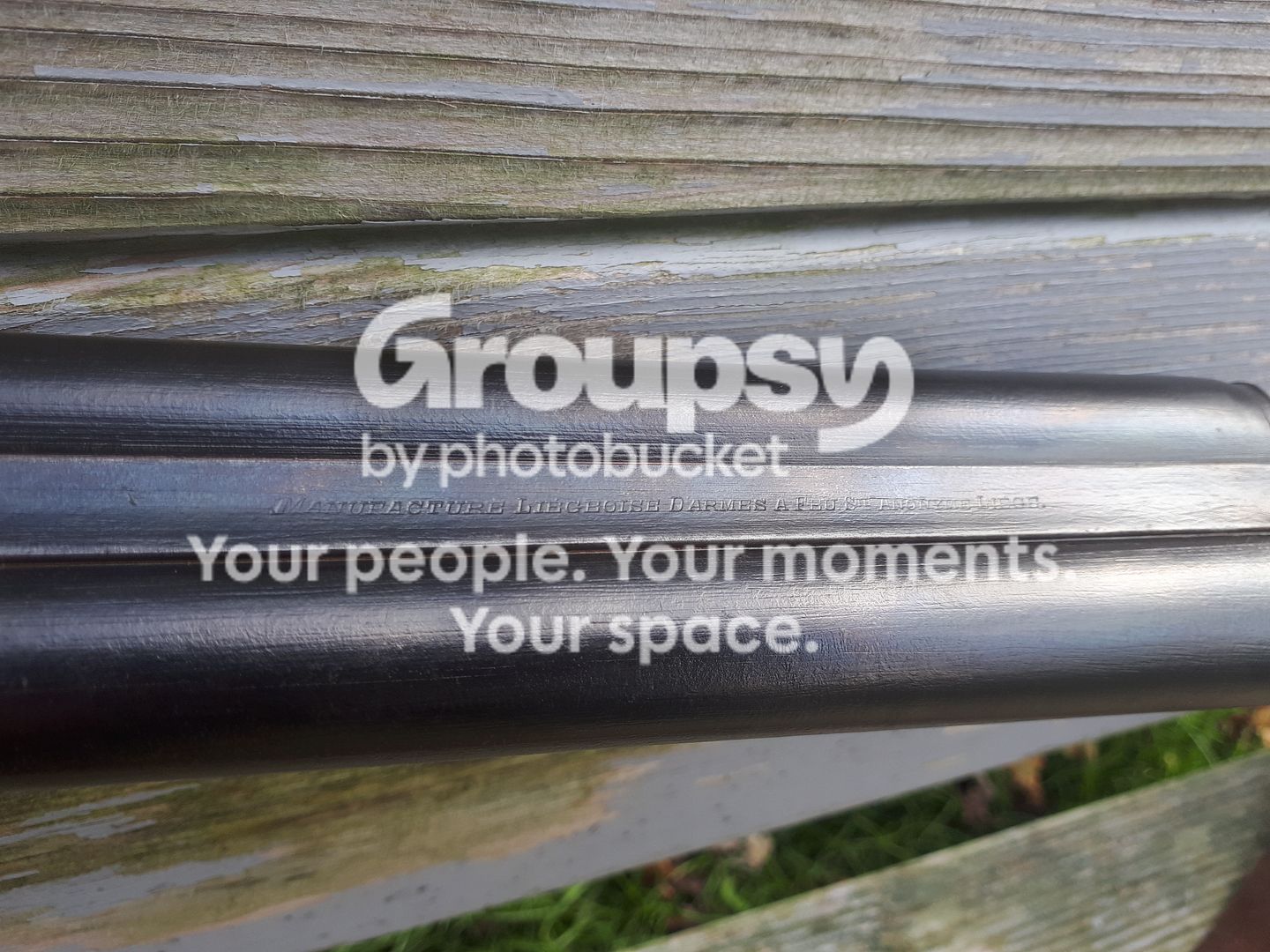
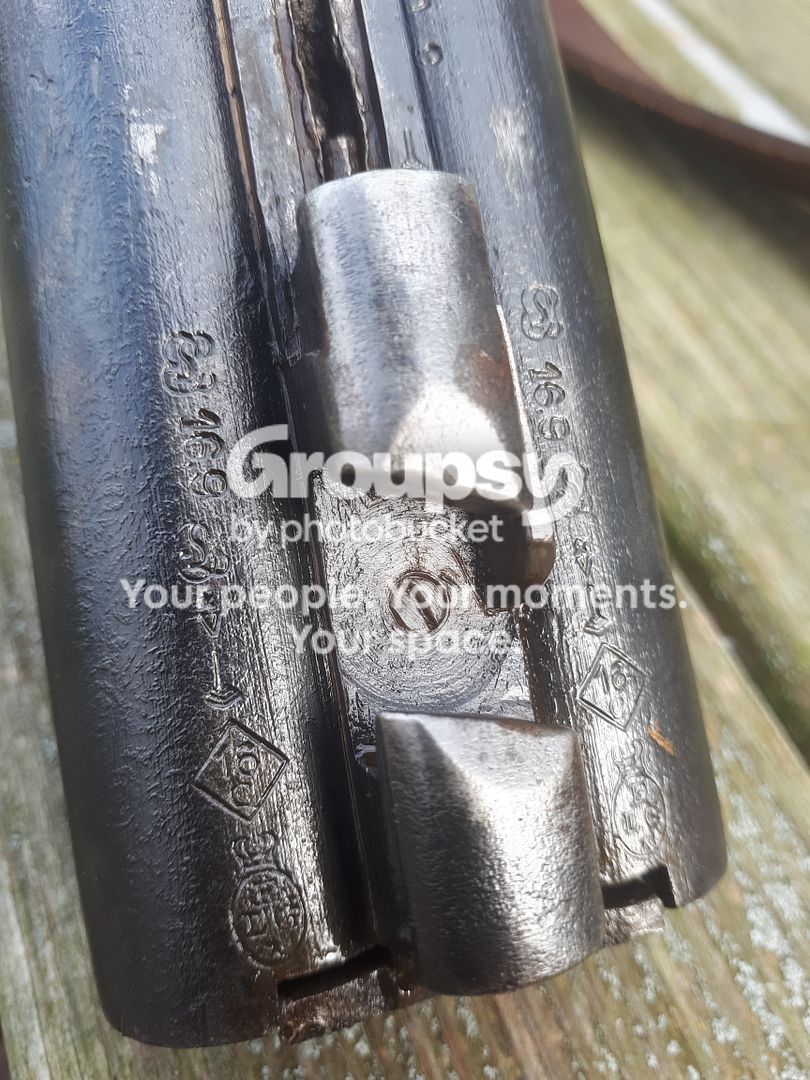
manufacture liegeoise d armes a feu ste anonyme liege 16 gauge underlever

Rebelson

CGN Regular
Rating - 100%
42   0   0
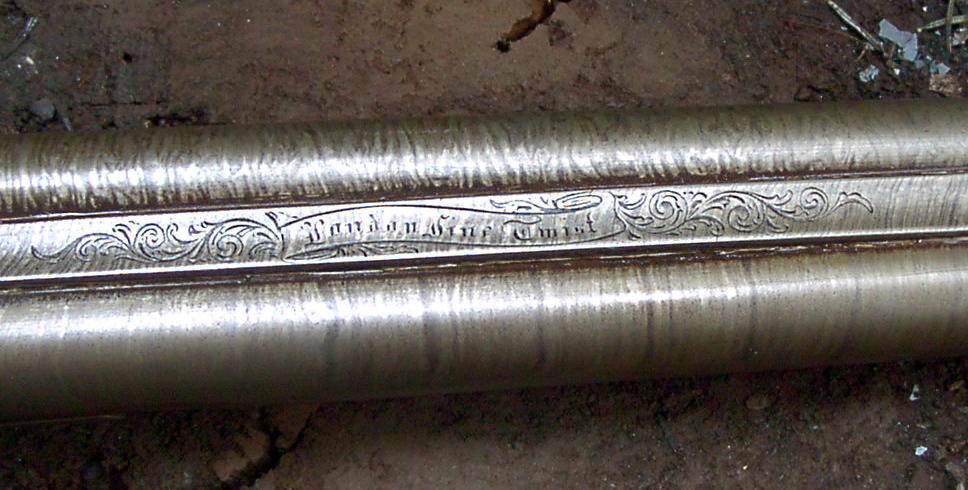
I picked up this one from tradeex awhile ago to use as a rust bluing project and I ended up loving it. Ive probably fired over 300 rounds of magtech brass BP loads (shot and RB's)through it so I am confident in its ability to be shot. But i am looking for some more info on the rough year of manufacture. Closest I can locate is 1890's to early 1910's and im hoping some of you experts may be able to narrow it down further. I did find out the barrels are roll stamped faux damascus steel barrels aswell. Cheers in advance

Rebel



I am fairly sure they are faux Damascus, take a close look at the 2nd pic, almost looks like roller marks going horizontally down the length of the barrel. I may well be incorrect but there is no damascus pattern stamp. Cheers Rebel

 
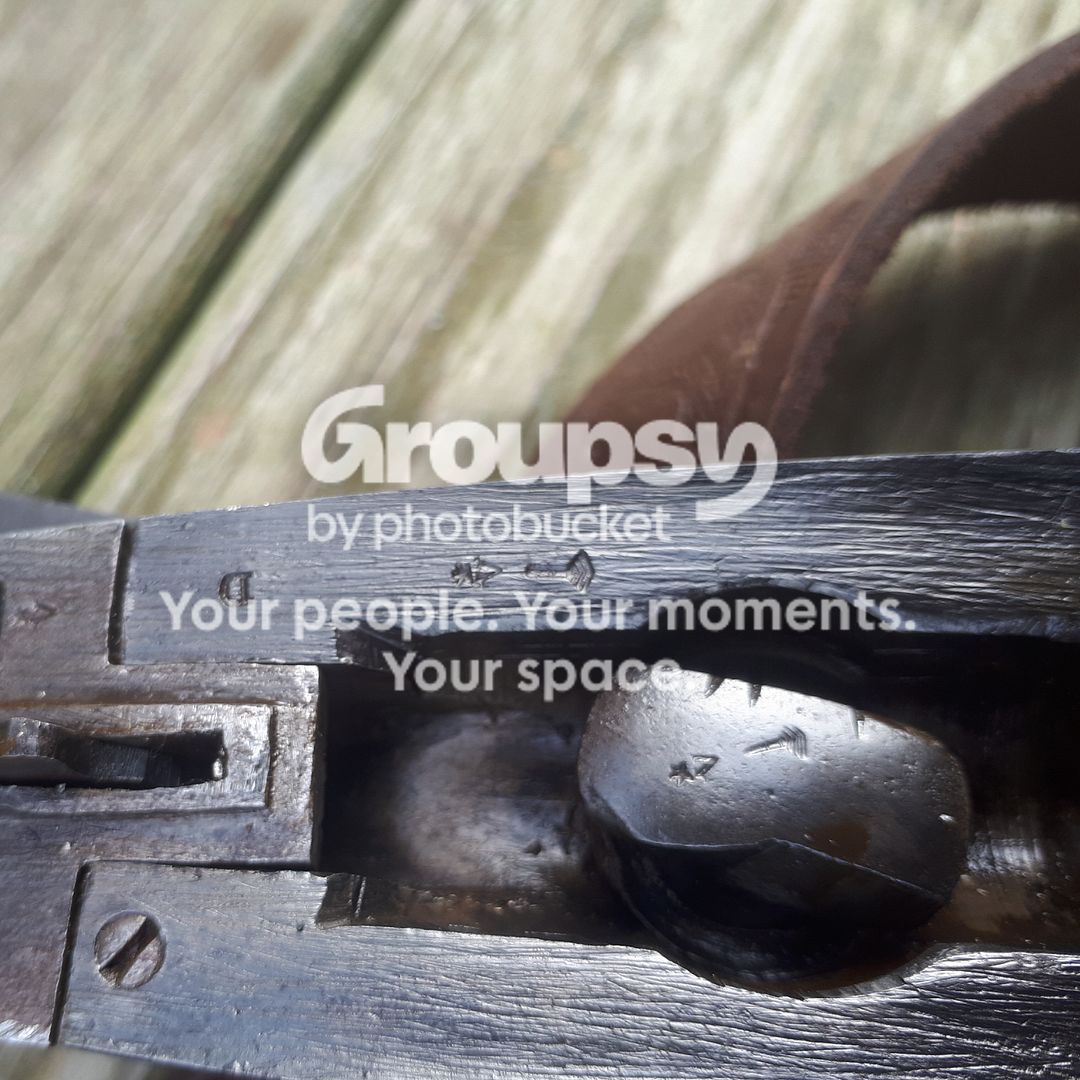
Any stamping on lock work?
Looks like one of these typical imports from the turn of the century by one of the many New York importers for further distribution to various gunsmiths throughout the country.
Looks, stocks, and barrels were imported in numbers to be sold as kits to the gunsmiths who would assemble final product with various degree of finish and price. Off course they would stamp the lock with their own stamp or engrave it or something else. At least your barrel was fireproofed which was requirement. I have seen many of these lockworks stamped with different names, but it is always a same lockwork with same Belgium origin despite "something-something & sons" engraving on it.
 
I am fairly sure they are faux Damascus, take a close look at the 2nd pic, almost looks like roller marks going horizontally down the length of the barrel. I may well be incorrect but there is no damascus pattern stamp. Cheers Rebel

There appears to be a real damascus pattern underneath the bluing. Damascus barrels were used and possibly made into the 1920s at least in part because people liked the appearance. The crown over the ELG indicates that the gun was proofed after 1893. I have often read of etched damascus patterns as well as barrels with a thin layer of damascus metal over a fluid steel core but have almost never seen them. I did have one gun that I re rusted / blued that I was convinced was etched because the pattern was so simple and ugly (to me) but after draw filing and sanding and rusting the pattern came right back up again. Pattern was a sort of short dashes that you occasionally see on inexpensive guns

cheers mooncoon
 
The gauge in the diamond mark was discontinued in 1924 so that narrows it down to 93 to 24.
Probably the closest you could get.
 
There appears to be a real damascus pattern underneath the bluing. Damascus barrels were used and possibly made into the 1920s at least in part because people liked the appearance. The crown over the ELG indicates that the gun was proofed after 1893. I have often read of etched damascus patterns as well as barrels with a thin layer of damascus metal over a fluid steel core but have almost never seen them. I did have one gun that I re rusted / blued that I was convinced was etched because the pattern was so simple and ugly (to me) but after draw filing and sanding and rusting the pattern came right back up again. Pattern was a sort of short dashes that you occasionally see on inexpensive guns

cheers mooncoon


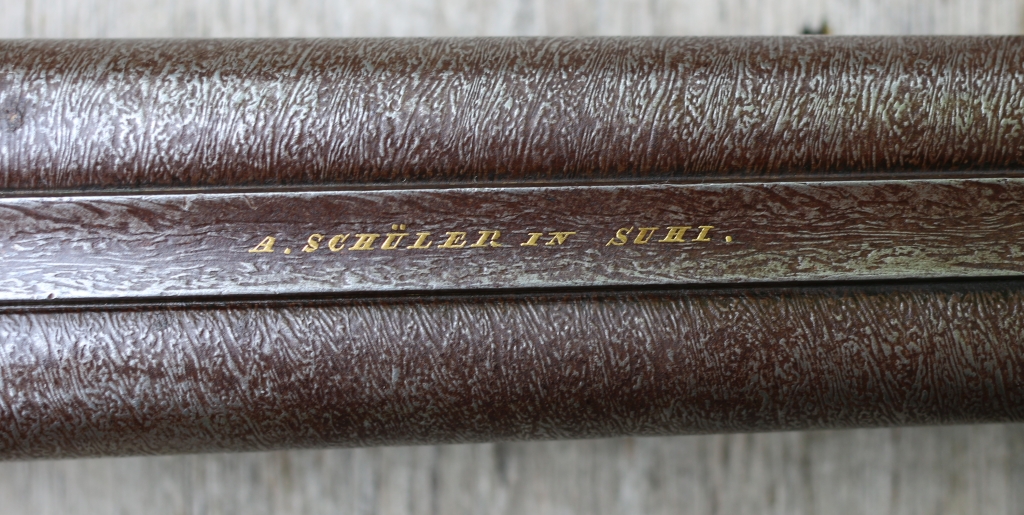
To help with the discussion, here is a picture of etched true damascus barrels, where the damascus barrels are treated with acid to give a textured surface feel. This effect was popular on the Continent, though I haven't encountered it often. On British guns, I believe Rigby often etched their damascus barrels.
StsIicT.jpg
 
To help with the discussion, here is a picture of etched true damascus barrels, where the damascus barrels are treated with acid to give a textured surface feel. This effect was popular on the Continent, though I haven't encountered it often. On British guns, I believe Rigby often etched their damascus barrels.
StsIicT.jpg

How can you be sure that the pattern is etched into fluid steel ? Etching to create a raised pattern was , I think , popular in Europe and W Greener ( the father) in his book describes etching true damascus with a strong solution of copper sulphate to create a raised pattern. On the upper barrel in particular, I think I can see the weld lines where the successive turns of the skelp are welded together

cheers mooncoon
 
How can you be sure that the pattern is etched into fluid steel ? Etching to create a raised pattern was , I think , popular in Europe and W Greener ( the father) in his book describes etching true damascus with a strong solution of copper sulphate to create a raised pattern. On the upper barrel in particular, I think I can see the weld lines where the successive turns of the skelp are welded together

cheers mooncoon

Hi Mooncoon, apologies for mot being clearer in my text. The barrels on the Schuler marked gun are indeed true damascus, and not fluid steel, which appeared later. While the etching effect is striking, I can’t say it would be my preference.

As the the OP’s gun, it does look like blueing over damascus to me, as much as can be determined in a picture.
 
I have never had the nerve or enough copper sulphate to try etching a set of damascus barrels but I think a light etching would make it easier to bring out the pattern, particularly on the fine figure 8 style barrels, when refinishing them

cheers mooncoon
 
I have never had the nerve or enough copper sulphate to try etching a set of damascus barrels but I think a light etching would make it easier to bring out the pattern, particularly on the fine figure 8 style barrels, when refinishing them. I tossed in a photo of a set of Isaac Hollis barrels where the right barrel had a different pattern from the left barrel.

cheers mooncoon

 
I have never had the nerve or enough copper sulphate to try etching a set of damascus barrels but I think a light etching would make it easier to bring out the pattern, particularly on the fine figure 8 style barrels, when refinishing them. I tossed in a photo of a set of Isaac Hollis barrels where the right barrel had a different pattern from the left barrel.

cheers mooncoon

That, I’ve never seen before. Thanks for sharing!
 
Back
Top Bottom