OkayShooter
CGN Ultra frequent flyer
- Location
- Nova Scotia
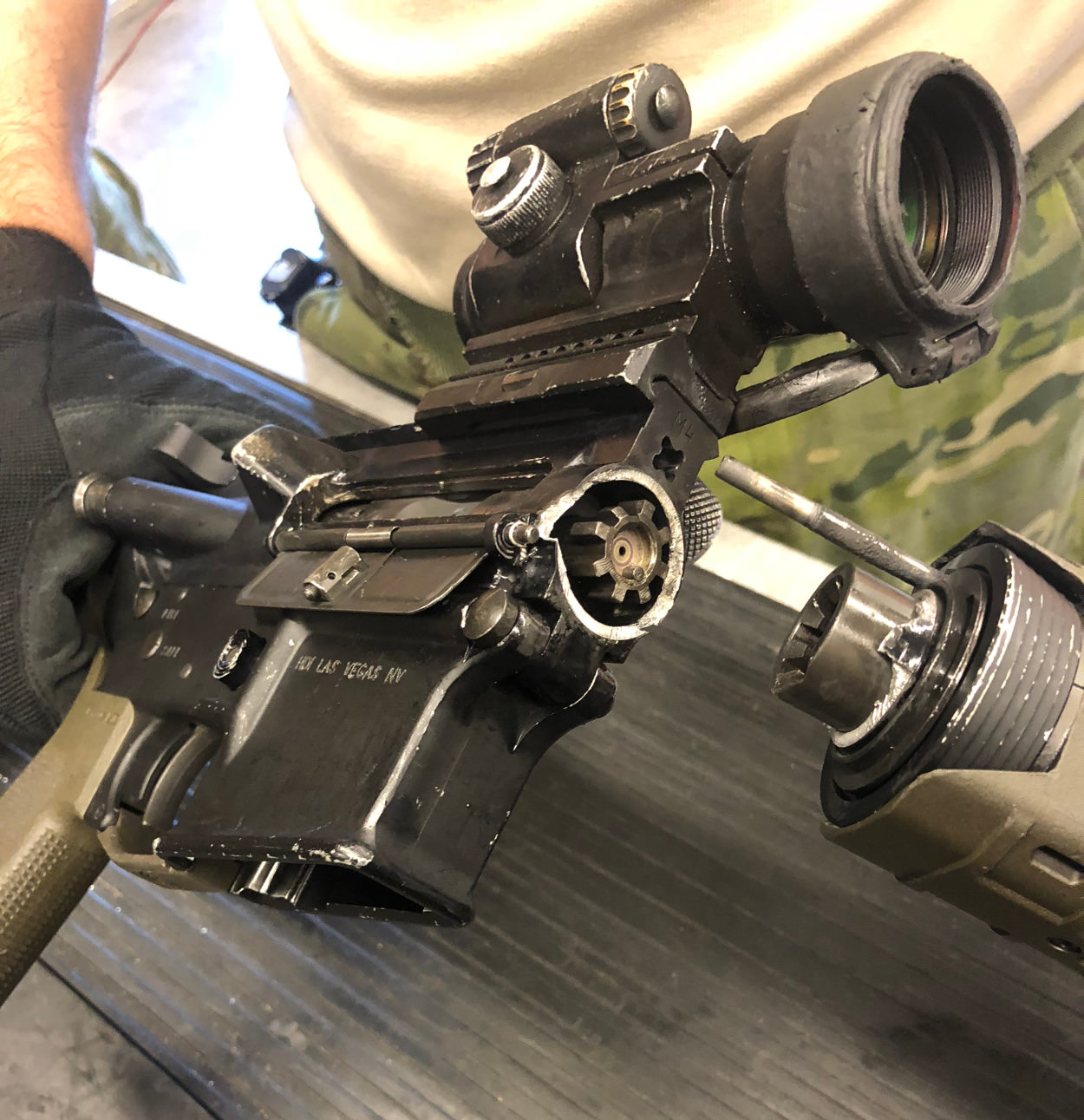
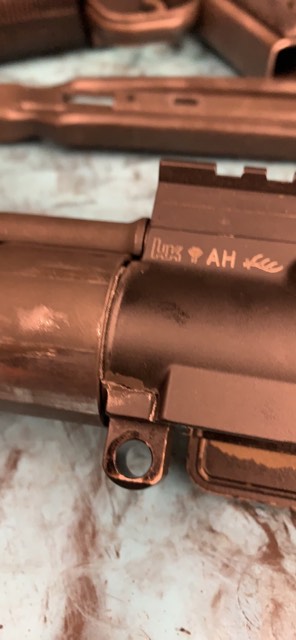
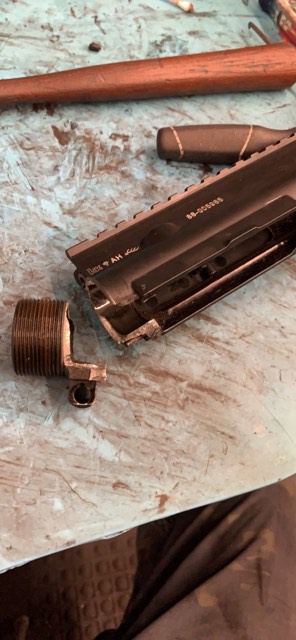
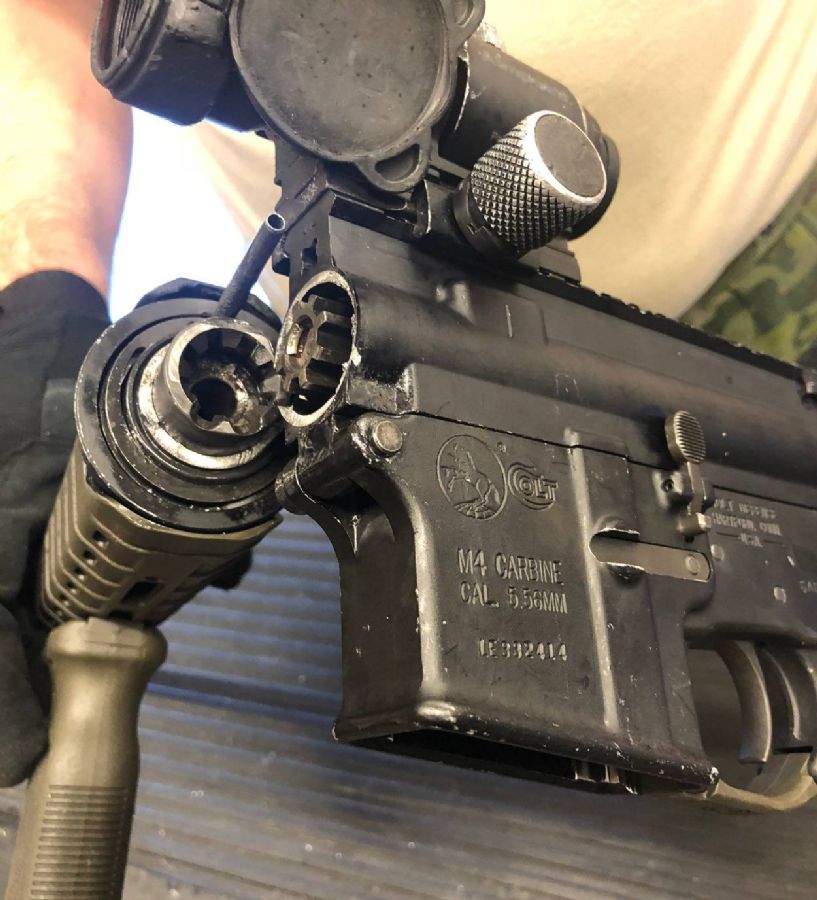
Its a myth.. The anodizing protects against this.
https://www.youtube.com/watch?v=_5QQmkbeWo8&t=358s&ab_channel=Brownells%2CInc.
https://www.youtube.com/watch?v=kXzpc6CIqG0&ab_channel=Brownells%2CInc.
https://www.youtube.com/watch?v=_5QQmkbeWo8&t=358s&ab_channel=Brownells%2CInc.
SmythBusters: Galvanic Reaction & Your AR-15 - Part 1
Our intrepid Brownells Gun Tech™ duo Steve Ostrem and Caleb Savant tackle another Internet firearm forum myth: galvanic corrosion on AR-15s. A galvanic reaction is an electrochemical process that occurs between two dissimilar metals in direct contact with each other - such as the aluminum of an AR-15's receiver and the steel of its barrel - that results in corrosion. The guys did intensive research, they talked to top AR-15 manufacturers including Sons of Liberty Gun Works and Geissele Automatics (watch Bill Geissele's response linked below), and the answer is... There's NO such problem.
Here's the deal: ALL AR-15 receivers are anodized, and barrels are usually Parkerized, blued, or Nitrided. These finishes are non-conductive. They prevent the two metals from being in direct physical contact with each other, so the reaction can't happen. Some folks think AR-15 barrel threads have to be lubricated to serve as insulation to prevent galvanic corrosion. Nope, says Caleb, you lubricate the threads to make it easier to torque the barrel into the receiver. The bottom line: you'd have to do something really funky to your AR-15 to cause a galvanic reaction. If you HAVE personally seen galvanic corrosion on an AR-15, tell us in the comments below. Even better, send us a photo!
https://www.youtube.com/watch?v=kXzpc6CIqG0&ab_channel=Brownells%2CInc.
As a supplement to our other SmythBusters video with Steve and Caleb (linked below), Bill Geissele of Geissele Automatics shares his thoughts on the myth of corrosion caused by galvanic reaction between the barrel, barrel nut, and upper receiver of an AR-15. Full disclosure: Bill is not a chemical engineer, nor does he play one on TV, but he has a lifetime of experience working on motorcycles, industrial machinery, and firearms. (And he explains things in terms that even those of us who barely eked out a Gentleman's C in high school chemistry can understand!) Bill supports what Steve and Caleb said: you pretty much never have bare, un-anodized aluminum in contact with bare steel on a gun, so the chances of galvanic corrosion occurring are nil. After nearly a decade of real-world experience with the Geissele Automatics Super Modular Rail handguard and aluminum AR-15 barrel nut, he has seen NO evidence of galvanic reaction. Bill also has some observations on the use of lubricant and anti-seize compound in threaded joints.