same load different groups???

As for the powder, I found that if you allowed your old powder to dry out in any way, the fresh powder will be slower. Something about fresh powder having a higher moisture content. Something Ganderite taught me in a different thread of mine.

Plenty of his variables have changed. This is another possible one.

The difference could to related to a number of issues. Check your scope mounts to assure that they are tight.

he confirmed the accuracy of his first batch after shooting the new one. Unless his optic setup fixed itself that doesn't make sense.
 
Last edited:
Without a cronograph they're roughly 2 1/2"-3" higher that's all I can tell you

Sounds like the combination of your new brass and a new lot of powder, which may or may not be slightly faster is causing your issues.

What's happening with your groups isn't uncommon with two component changes.
 
What scale do you have. I had the same issue once. When I came back to the loading bench I noticed that my 5-0-5 scale had flipped to the next grain on accident. So instead of loading 21 grains, I was loading 22 grains. Went from .5” group to 1” group in my triple deuce.
 
We’re talking about velocity.
At any rate, as the SD/ES increase, the mean varies as well. You can’t change pressure without affecting velocity in some manner.
 
We’re talking about velocity.
At any rate, as the SD/ES increase, the mean varies as well. You can’t change pressure without affecting velocity in some manner.

You don't change average pressure with neck tension therefore you don't change average velocity. Im glad you agree.
 
We’re talking about velocity.
At any rate, as the SD/ES increase, the mean varies as well. You can’t change pressure without affecting velocity in some manner.

You get it, he doesn't. Not worth it if you have to reply over and over. Somehow H110 is only a pistol powder to him and he doesn't see the relevance of an example. He clearly has zero experience with long range shooting or striving for absolute rock bottom spreads. Neck tension is a big deal for precision shooters because it directly affects ballistics.
 
Last edited:

Guess I forgot to mention I do crimp everything. Crimp hasn't changed at all. But I'll drop down to 53.5 grains tomorrow and work up. More info is appreciated though. 3" higher than the last batch should have raised a red flag as far as increased velocity goes
 
Guess I forgot to mention I do crimp everything. Crimp hasn't changed at all. But I'll drop down to 53.5 grains tomorrow and work up. More info is appreciated though. 3" higher than the last batch should have raised a red flag as far as increased velocity goes

Neck tension and crimp are similar but separate. Both affect the time it takes for the bullet to release and begin it's ballistic path. In turn both affect the pressure curve of a given charge of powder, sometimes a lot sometimes a little. A little is a lot to a long range shooter which is why you'll see guys seating bullets at a match to ensure neck tension isn't affected by cold welding and such.
 
You get it, he doesn't. Not worth it if you have to reply over and over. Somehow H110 is only a pistol powder to him and he doesn't see the relevance of an example. He clearly has zero experience with long range shooting or striving for absolute rock bottom spreads. Neck tension is a big deal for precision shooters because it directly affects ballistics.

OK, try it with a Labradar and any modern rifle cartridge. Or since you have decades of historical chrony data, post some of it that was fired at the same bench sitting with the exact same load other than neck tension. I will do the same. Again. I predict the mean velocity will not differ.


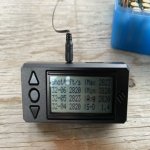
This is one test I did this summer for fun

2 - 308 Winchesters. 5 bullets each from no crimp all the way to excessive crimps @ 5


The pressure it takes to release the bullet from the case is extremely small compared to the peak pressure therefore has next to no effect on mean pressure or velocity
 
The difference could to related to a number of issues. Check your scope mounts to assure that they are tight.
Peep sights my man. Only use scopes for load development. Which I did for the first batch.

Plenty of his variables have changed. This is another possible one.


he confirmed the accuracy of his first batch after shooting the new one. Unless his optic setup fixed itself that doesn't make sense.
Just a bag of new brass and different lot of powder

Sounds like the combination of your new brass and a new lot of powder, which may or may not be slightly faster is causing your issues.

What's happening with your groups isn't uncommon with two component changes.
Shooting way higher and open groups indicative of higher velocity than the last batch is my conclusion at this point.

What scale do you have. I had the same issue once. When I came back to the loading bench I noticed that my 5-0-5 scale had flipped to the next grain on accident. So instead of loading 21 grains, I was loading 22 grains. Went from .5” group to 1” group in my triple deuce.
It's a rcbs chargemaster lite

Different batch of brass could also have different volume. I'm currently using two different batches of Nosler 7mm RM brass that have 2 grains of H2O internal volume difference. Annoying to say the least.

As for the powder, I found that if you allowed your old powder to dry out in any way, the fresh powder will be slower. Something about fresh powder having a higher moisture content. Something Ganderite taught me in a different thread of mine.
So you're using two different lot numbers of the same brass with two different charge weights and getting the same accuracy and velocity? Am I interpreting that correctly?
 
OK, try it with a Labradar and any modern rifle cartridge. Or since you have decades of historical chrony data, post some of it that was fired at the same bench sitting with the exact same load other than neck tension. I will do the same. Again. I predict the mean velocity will not differ.


This is one test I did this summer for fun

2 - 308 Winchesters. 5 bullets each from no crimp all the way to excessive crimps @ 5


The pressure it takes to release the bullet from the case is extremely small compared to the peak pressure therefore has next to no effect on mean pressure or velocity
You have an ES of 20 over 5 shots.
I think we’re done here.
 
OK, try it with a Labradar and any modern rifle cartridge. Or since you have decades of historical chrony data, post some of it that was fired at the same bench sitting with the exact same load other than neck tension. I will do the same. Again. I predict the mean velocity will not differ.


This is one test I did this summer for fun

2 - 308 Winchesters. 5 bullets each from no crimp all the way to excessive crimps @ 5


The pressure it takes to release the bullet from the case is extremely small compared to the peak pressure therefore has next to no effect on mean pressure or velocity

Once again been there done that.

this is supposed to be a picture of my Chronys but the links aren't working FFS

I shoot over an Oehler with my Labradar beside me. Results are cross referenced and saved.

Your single example hardly trumps my 13000+ chronographing sessions.
 
Last edited:

Back
Top Bottom