Damaged brass

OldTimer92

New member
Rating - 100%
5   0   0
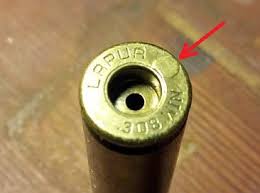
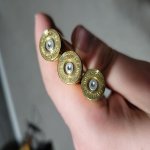
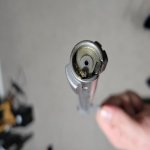
Hello all. I picked up some used brass for my Weatherby Vanguard II chambered in .300 Wby last fall. I took it out to the range a couple weeks ago and when I went to reload them I noticed a lot of what looked like extractor sweep on the cases, and a lot of brass on the face of my bolt. I'm not using a hot load at all. I'm shooting 150 grain nosler ballistic green tips @ 76 grains of IMR 4350. According to the Nosler reloading guide 8, that is the lowest and most accurate load for that bullet weight and powder charge. I always measure my brass before I load them and after. Before I loaded these for my rifle they had varying lengths between 2.810" and 2.820". Published length is maximum 2.825. Once they're loaded I have them at the spec of 3.560" give or take a thou. Am I somehow over pressuring my rifle or is that normal for cases during fire forming to a different gun?
Brass.jpg
Bolt.jpg
 

Attachments

  • Bolt.jpg
    Bolt.jpg
    24.9 KB · Views: 670
  • Brass.jpg
    Brass.jpg
    39.7 KB · Views: 677
Ejector moves without major resistance. I tried to actuate it and it was a little bit harder the first time but started to move freely after that.
 
Might want to take that bolt apart and clean it.

I agree with mbogo3, take the bolt apart and clean the entire bolt. And check the ejector hole in the bolt face and see why it's scraping brass.

Once the bolt face starts picking up brass more and more brass will stick to the bolt face. Clean the bolt face with a very strong copper cleaner and remove the brass.

Your using once fired brass that was fired in another chamber. How hard is the bolt to close, meaning is the brass a tight fit in the chamber.
 
Agree with all the above. If pressure was the issue, it would most likely be accompanied by a very flat primer, sharp edges around the firing pin strike, and in extreme cases a notable flattening of the lettering on the case and possibly even difficult extraction.
 
I agree with mbogo3, take the bolt apart and clean the entire bolt. And check the ejector hole in the bolt face and see why it's scraping brass.

Once the bolt face starts picking up brass more and more brass will stick to the bolt face. Clean the bolt face with a very strong copper cleaner and remove the brass.

Your using once fired brass that was fired in another chamber. How hard is the bolt to close, meaning is the brass a tight fit in the chamber.


The bolt is a comfortable close. It's not too hard and it doesn't feel sloppy loose when I close it. I can get my firing pin assembly out but the extractor pin looks like it needs a special tool to hold the spring in so that when I take out the roll pin it doesn't go flying across the room. Anyway to clean it without taking that roll pin out?
 
The bolt is a comfortable close. It's not too hard and it doesn't feel sloppy loose when I close it. I can get my firing pin assembly out but the extractor pin looks like it needs a special tool to hold the spring in so that when I take out the roll pin it doesn't go flying across the room. Anyway to clean it without taking that roll pin out?

If there is a sharp edge or bur on the ejector hole it can dig into and scrape the brass. And the more the ejector hole scrapes the case the brass will build up and scrape more.

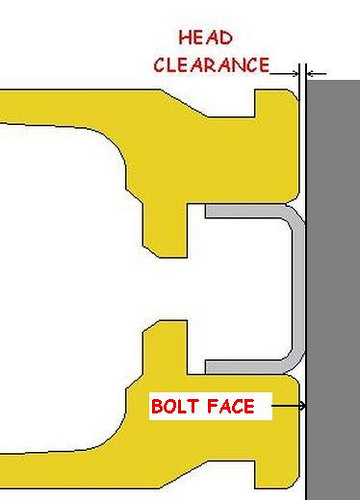
The brass was fired in another chamber and my guess is the shoulder is springing back after sizing. Meaning if your die was setup to bump the shoulder back .002 those cases would have .002 clearance between the bolt face and the rear of the case. This would give clearance and prevent the case from rubbing against the ejector hole in the bolt face.

In the image below your shoulder bump is equal to the head clearance. After firing the rear of the case should spring forward and not rub on the bolt face. Your once fired cases show ejector marks and swipes, so these cases were fired with hot loads.

Bottom line, adjust the die to give you more shoulder bump so your cases have head clearance. This will allow the case to spring back and not rub so hard on the bolt face and scrape the brass.

HK76WCp.jpg


When you load hot the chamber pressure exceeds the elastic limits of the brass and it will flow into the ejector hole in the bolt face. When this happens the brass can not spring back smaller than the chamber and will rub and drag in the chamber and the bolt face.

KtO65uH.jpg
 
Off on a limb, but is the firearm push feed or controlled feed? Learned recently that for controlled feed you are supposed to load the magazine, then close the action - never just put a round in the chamber and slam the bolt home. I guess push feed you can either load the magazine or place a round in the chamber.

Something about how the extractor grabs the brass, and with controlled feed you are forcing the extractor to jump over the case.
 
If there is a sharp edge or bur on the ejector hole it can dig into and scrape the brass. And the more the ejector hole scrapes the case the brass will build up and scrape more.

The brass was fired in another chamber and my guess is the shoulder is springing back after sizing. Meaning if your die was setup to bump the shoulder back .002 those cases would have .002 clearance between the bolt face and the rear of the case. This would give clearance and prevent the case from rubbing against the ejector hole in the bolt face.

In the image below your shoulder bump is equal to the head clearance. After firing the rear of the case should spring forward and not rub on the bolt face. Your once fired cases show ejector marks and swipes, so these cases were fired with hot loads.

Bottom line, adjust the die to give you more shoulder bump so your cases have head clearance. This will allow the case to spring back and not rub so hard on the bolt face and scrape the brass.

HK76WCp.jpg


When you load hot the chamber pressure exceeds the elastic limits of the brass and it will flow into the ejector hole in the bolt face. When this happens the brass can not spring back smaller than the chamber and will rub and drag in the chamber and the bolt face.

KtO65uH.jpg

I'm not sure what the die is set to at the moment for shoulder bump. It's just whatever it comes with out of the box, threaded close to the press anvil as the instructions say. I'm not sure if they were previously fired with hot loads but they did not have swipe marks before and I am definitely not using a hot load right now. I have about 20 rounds left of that loading. Is it reasonable to shoot off the rest, do some cleaning, adjustments, and reuse the brass? Or should I take them all apart and toss the brass?
 
Belted Magnums headspace on the belt not the shoulder. It helps to have a snug shoulder fit, but still the headspace is at the base... I bet for sharp extractor hole edges.
 
Soft brass would be my bet, had some Nosler 257 Weatherby that would show that on starting loads, compared to Hornady brass which I also use in the 257Wby at near max and no issues.
 
I can feel some kind of click at the top of the bolt lift. Not sure what it is but I will try cleaning my bolt up and give the gun a good swabbing and then shoot the remaining twenty out of it. Based on the comments above I don't think I have any huge worries about the gun exploding in my hands.
 
Off on a limb, but is the firearm push feed or controlled feed? Learned recently that for controlled feed you are supposed to load the magazine, then close the action - never just put a round in the chamber and slam the bolt home. I guess push feed you can either load the magazine or place a round in the chamber.

Something about how the extractor grabs the brass, and with controlled feed you are forcing the extractor to jump over the case.

Its obviously a push feed and 99% of controlled feed action can be loaded from the chamber without issues, the extractor will slip over the rim.
 
I cleaned the rifle out, got all the brass out of the bolt, took it out to the range and it still seems to be sweeping a bit. Now one thing I just remembered is recently I started putting my brass in the oven at about 180F for half an hour or so to dry the water out of the cases after tumbling. Is it possible I'm softening the brass enough that it's showing up as sweep marks?
 
Back
Top Bottom