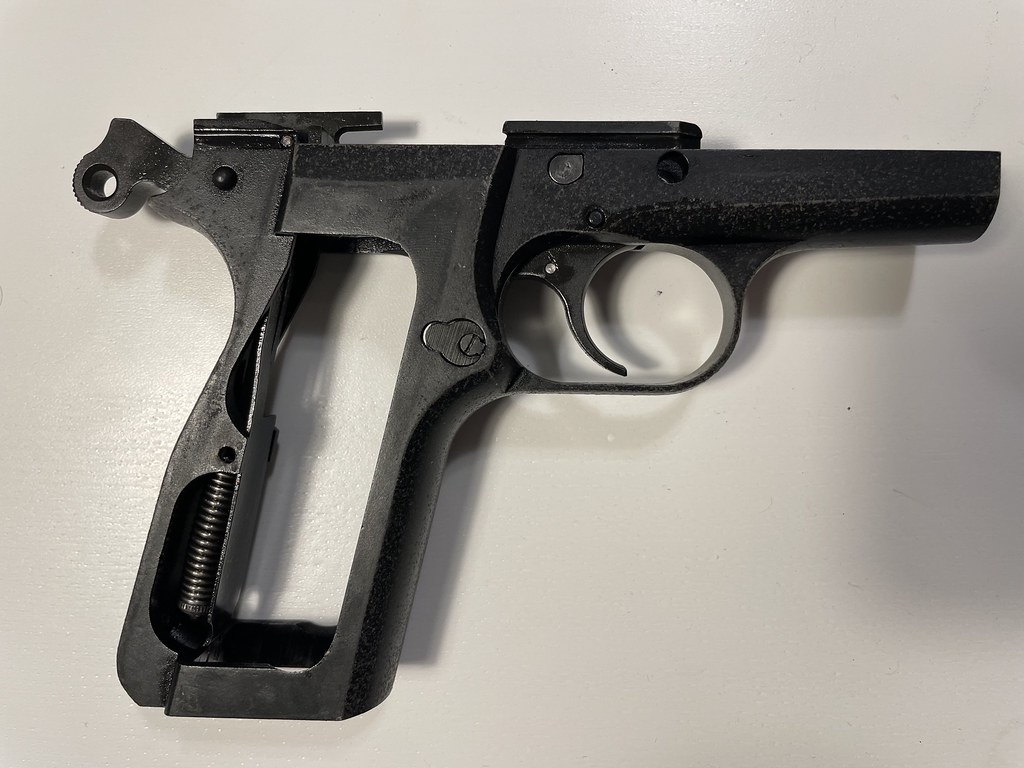
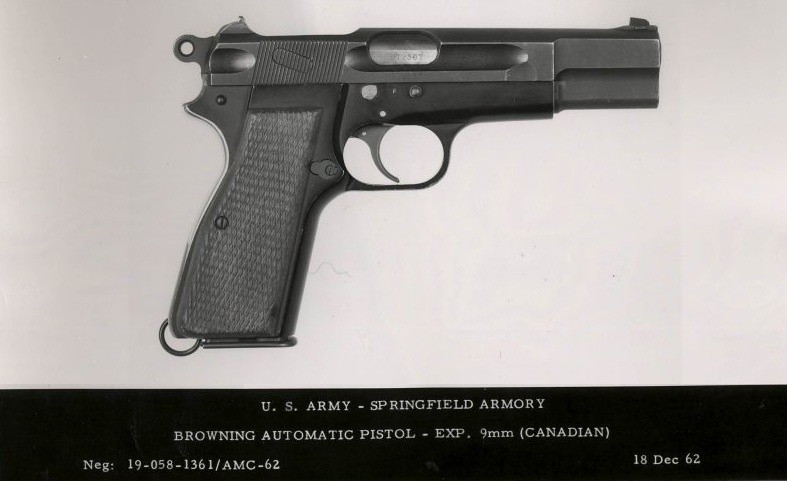
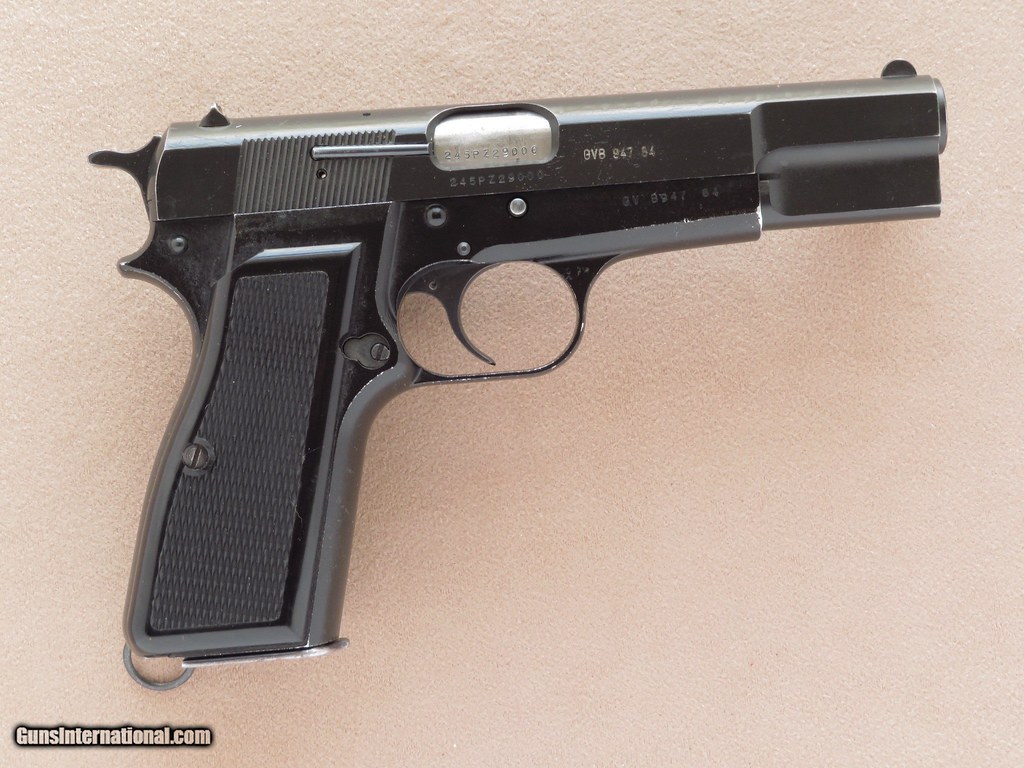
Mystery Inglis HP with aluminum frame

Nagato2ca

New member
Rating - 100%
36   0   0
Hi All,

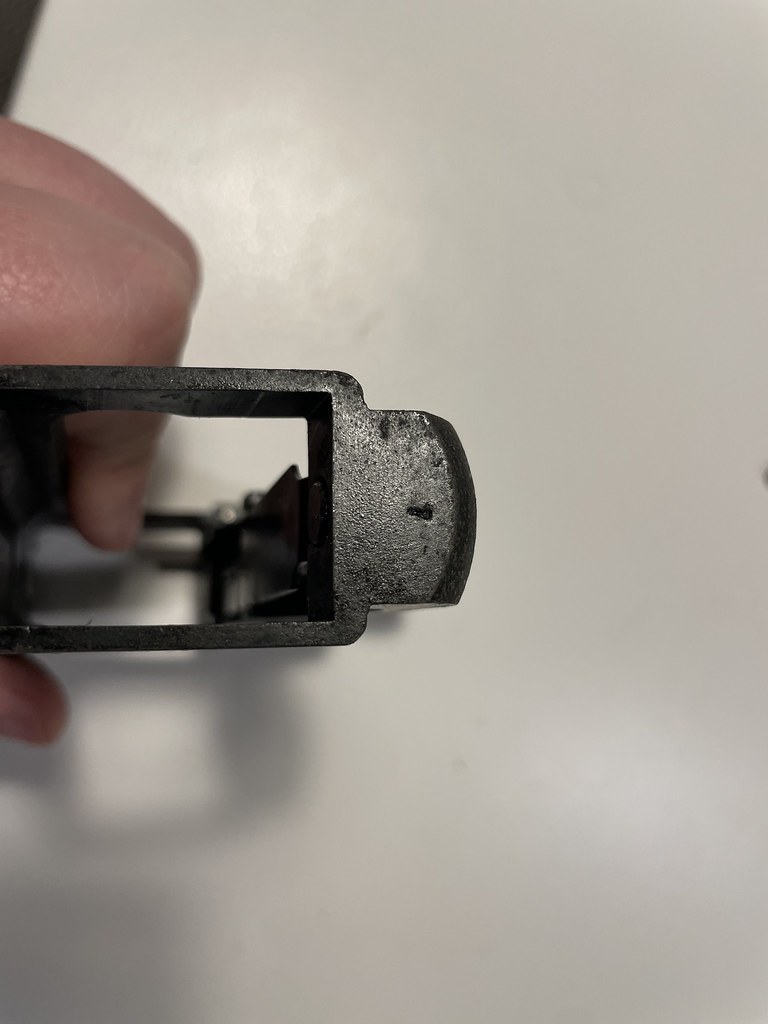
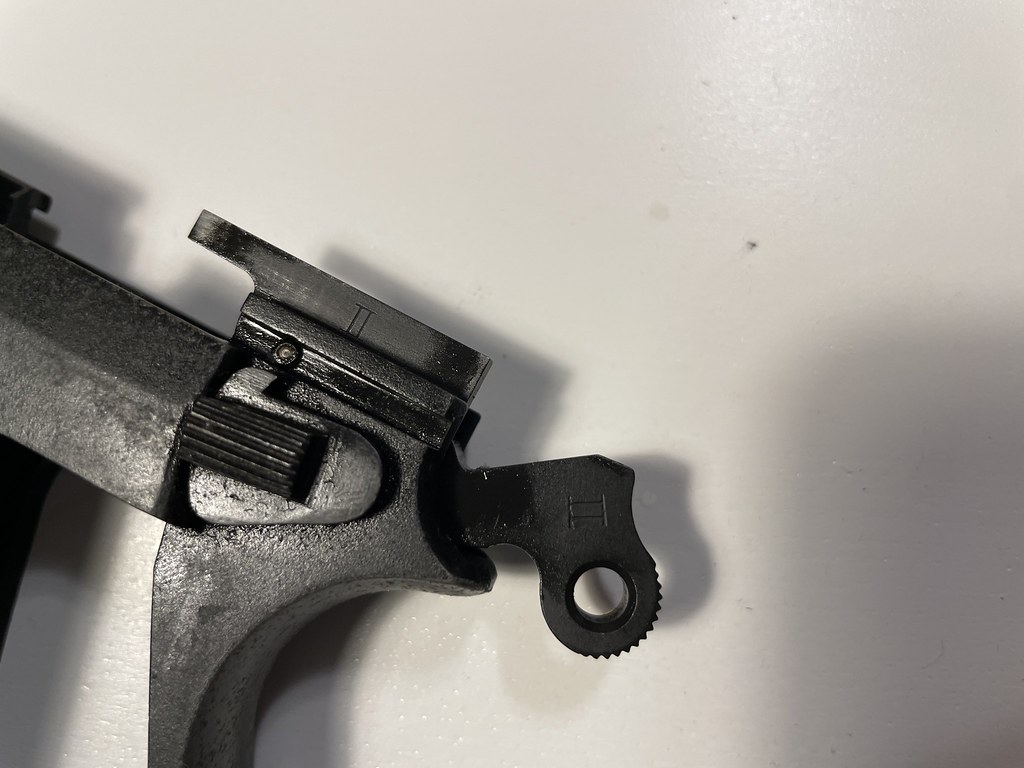
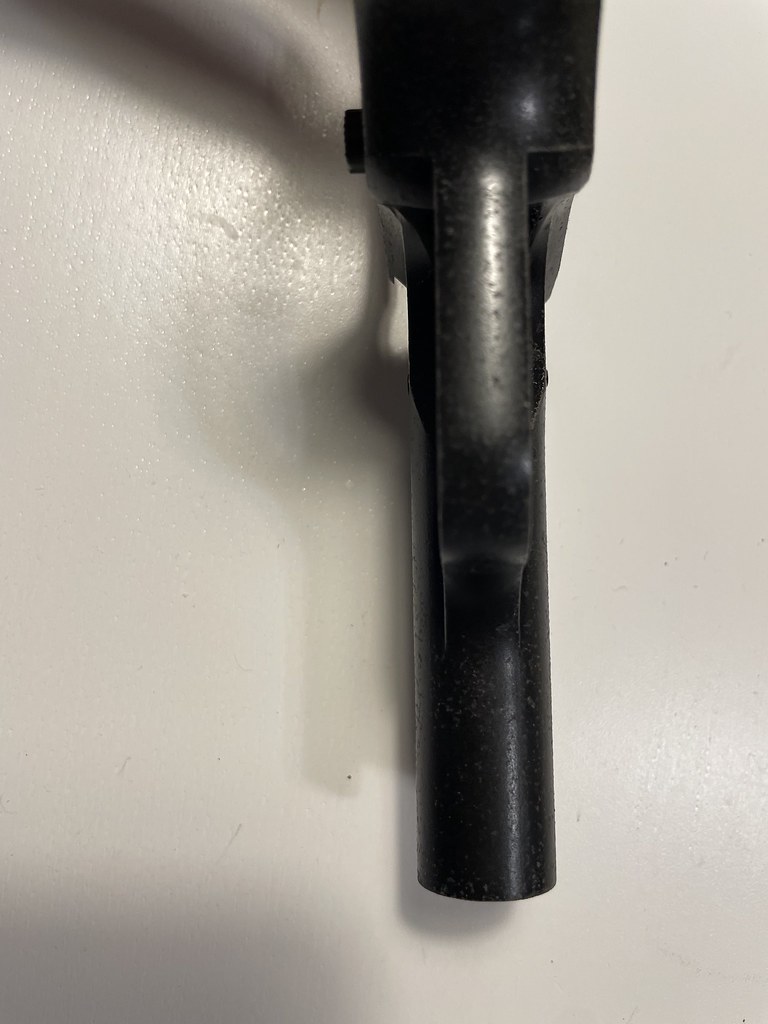
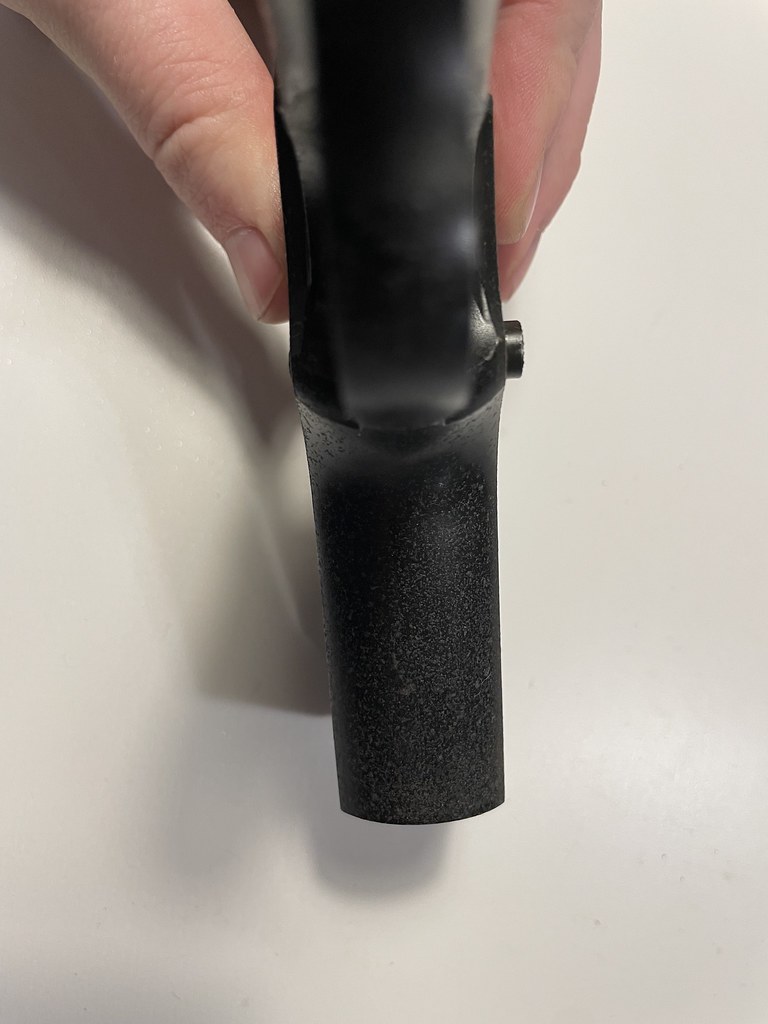
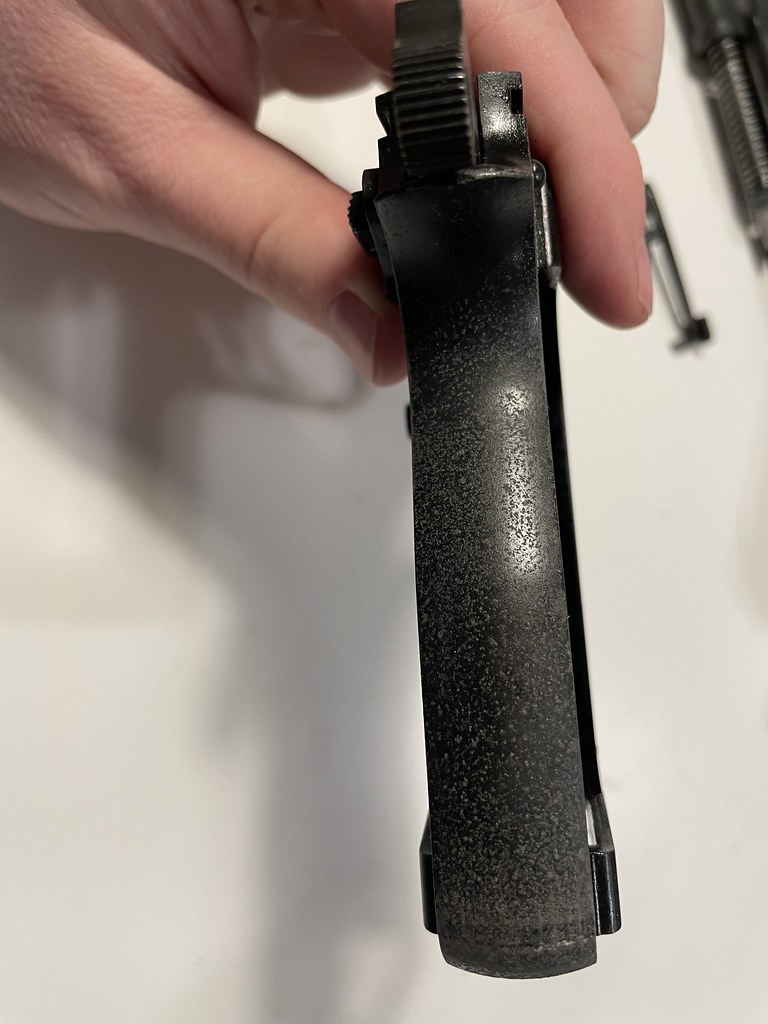
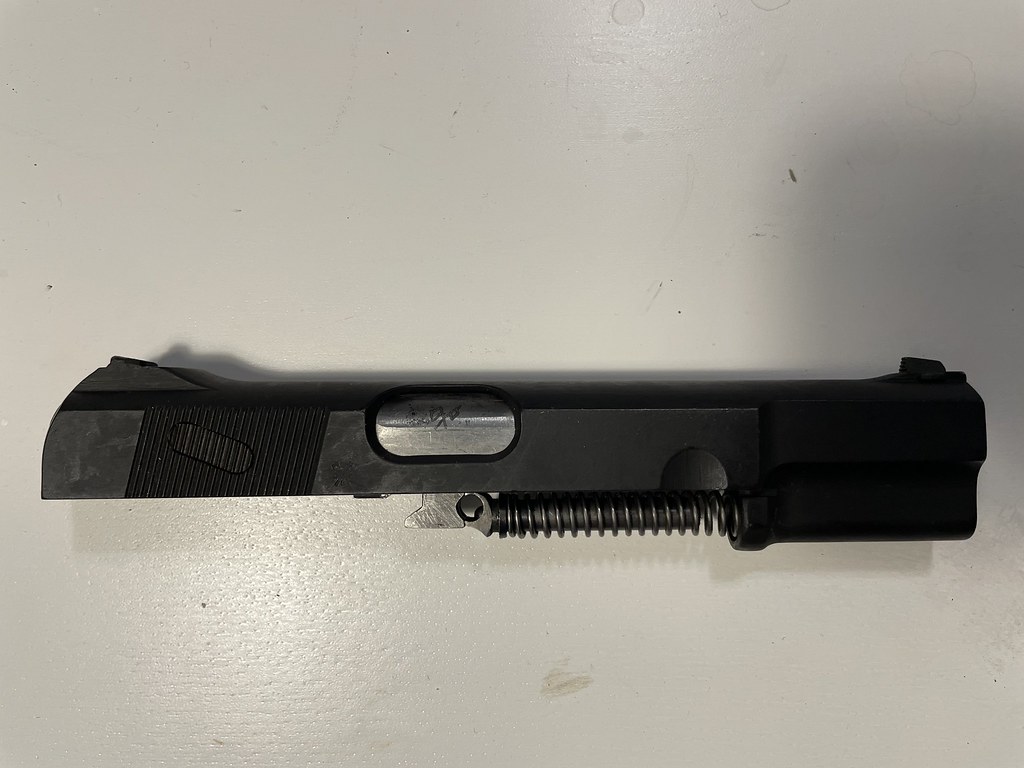
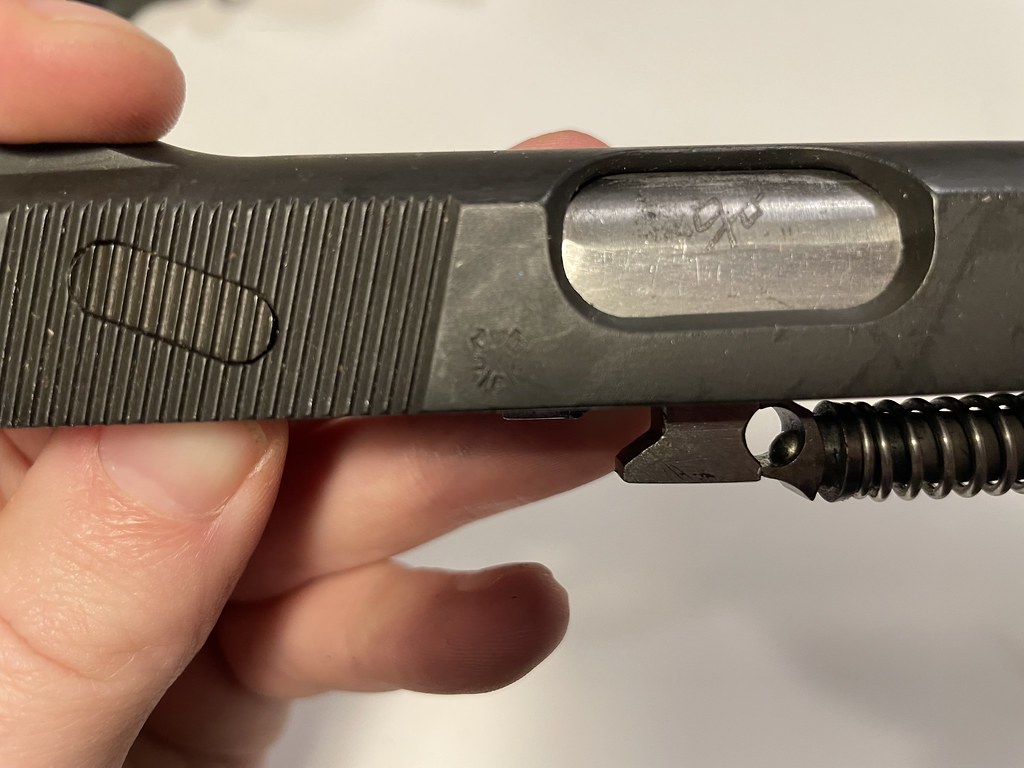
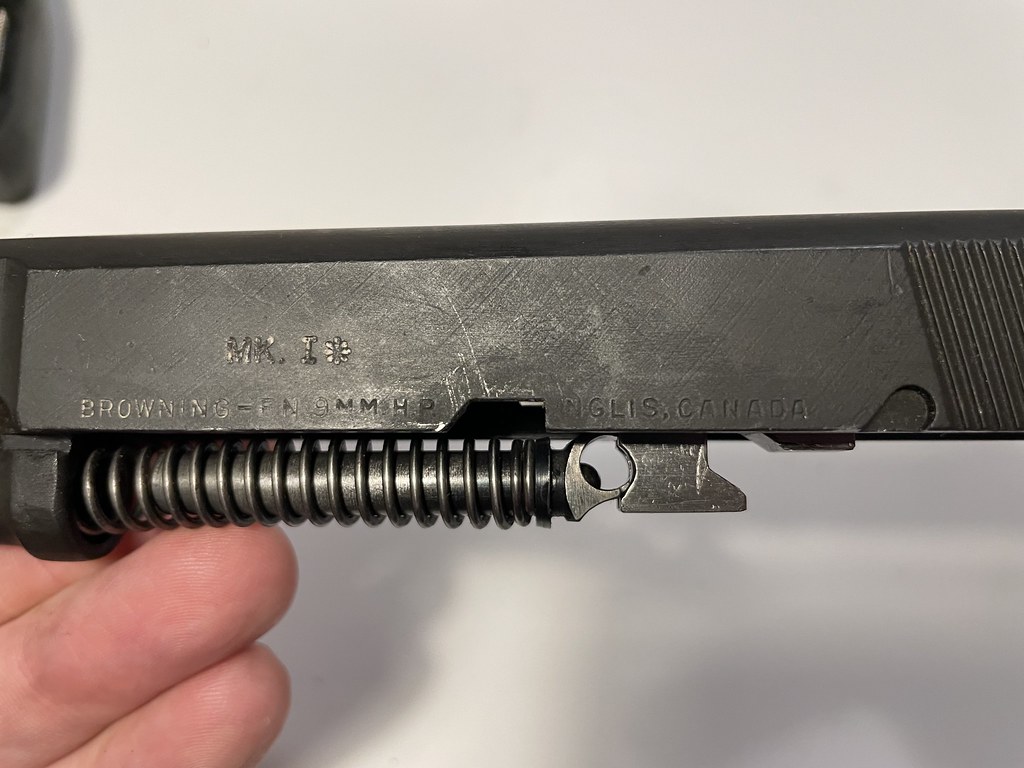
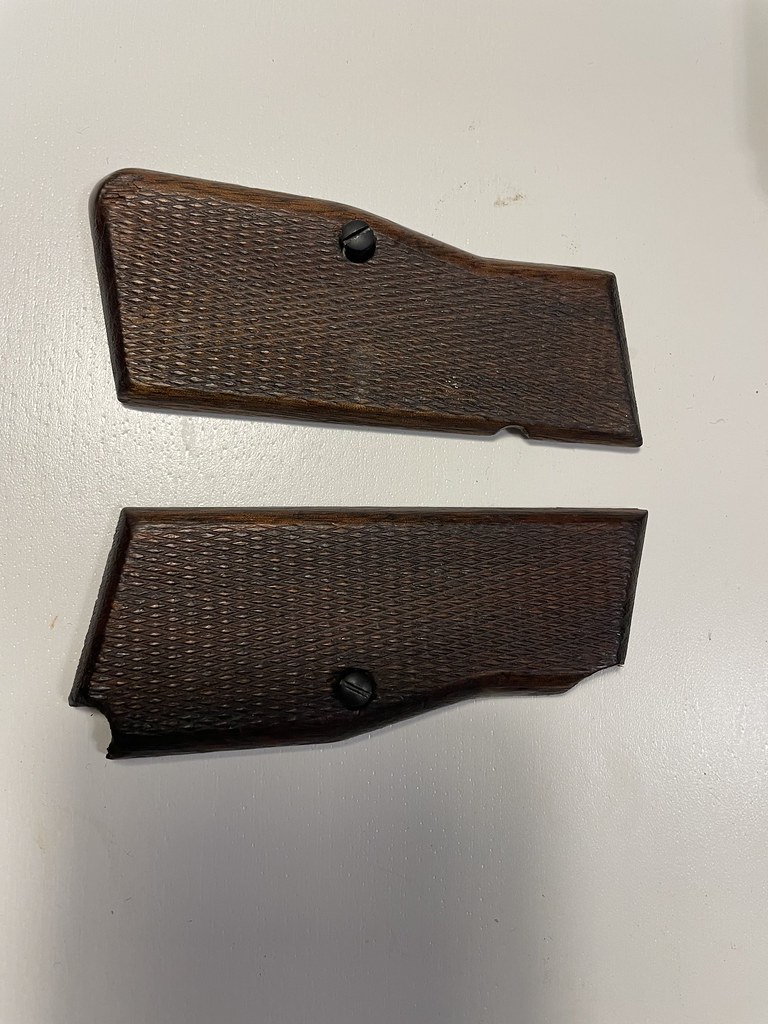
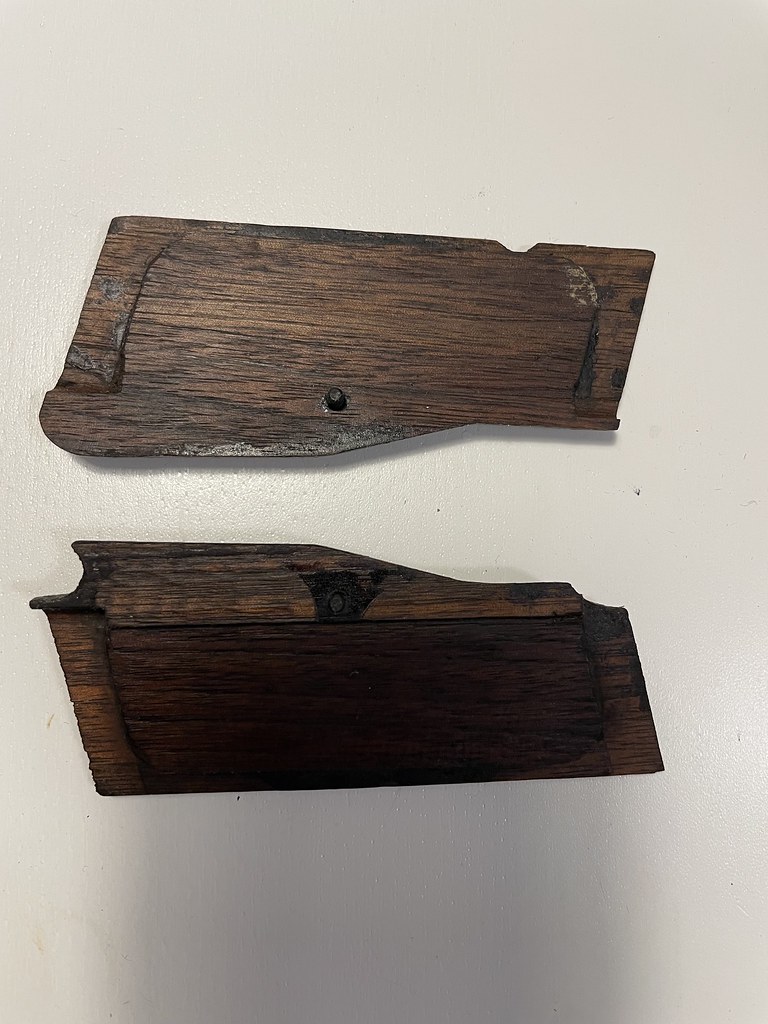
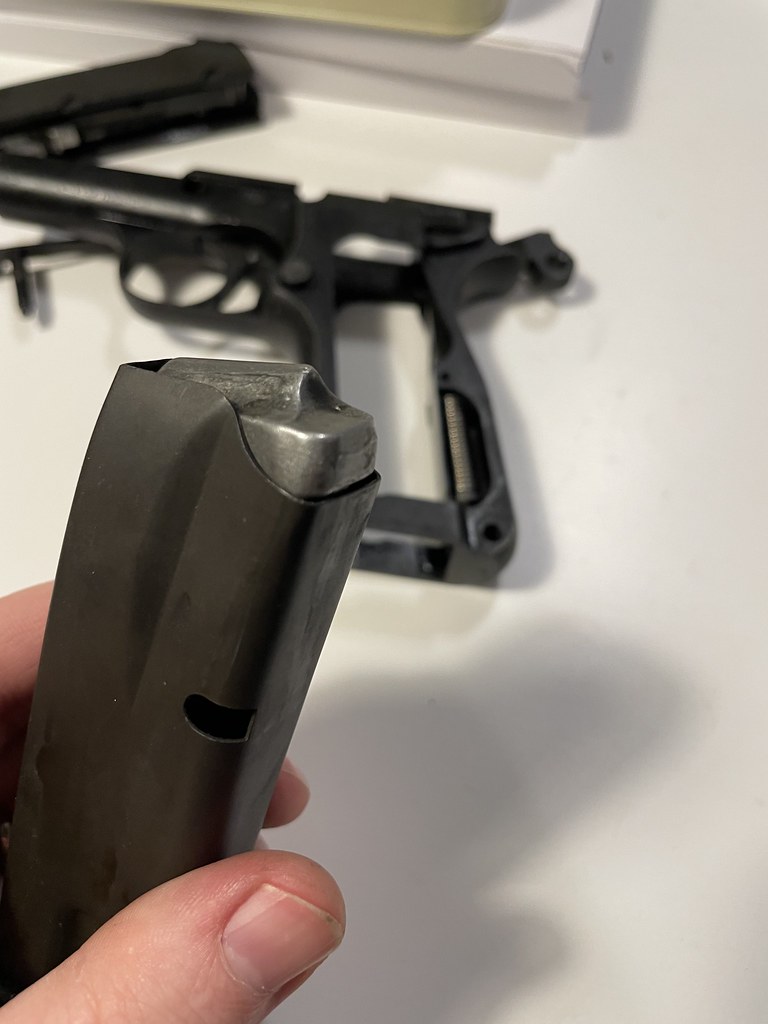
I finally received an Inglis HP I purchased last August. At the time I thought it might be my last chance to get one, so I purchased a rather cheap example out of an auction. When I opened it up today I was a little annoyed as my first impression was that it was a lunchbox gun. It had no visible serial numbers and the finish on the frame and slide were different. Upon closer examination I was very surprised to find almost no markings and further shocked when I disassembled it. The frame weights almost nothing, its featherlight. It has to be aluminum or some other very light alloy. The magazine also has an aluminum follower. The only numerical markings are a 7 behind the magazine well and the roman numeral II in two locations on parts of the frame. The is a faint marking on the breech of the barrel and below and left of the ejection port on the slide.

Given the extreme rarity of the experimental Inglis lightweight frames I can only assume this is a later component that someone happened to put an Inglis barrel and slide onto. However, the very few markings and the location of the 7 stamp behind the mag leave me questioning what the origin of the frame might have been. I'd appreciate any help figuring out what exactly I have here.
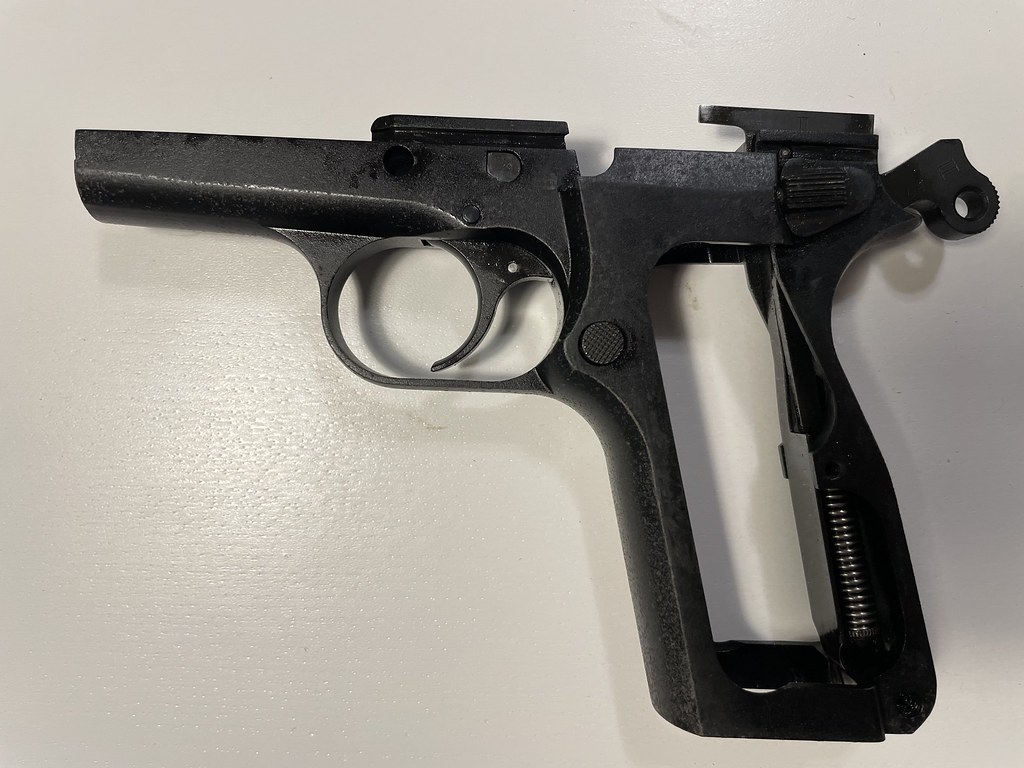

IMG_1570

IMG_1571

IMG_1576

IMG_1572

IMG_1573

IMG_1574

IMG_1575

IMG_1581

IMG_1582

IMG_1583

IMG_1584

IMG_1579

IMG_1580

IMG_1577

IMG_1578
 
Last edited:

Unfortunate that Clive Law is no longer with us, he was very receptive in answering emails about oddball Inglis pistols - he helped me out with a couple different guns years ago.
 
Send good quality pictures and information to the RCMP Firearms Reference Collection, 1200 Vanier Parkway, Ottawa, ON K1A 0R2. The feds already know you have this handgun, and know who you are. Your question is a legitimate Canadian firearms heritage question, and they may have others in the collection or have other source materials.
 
Thanks for the ideas so far guys.

Gaff, to your point about the locking shoulder, here is a photo of a inglis experimental frame (top) and a later FN alloy frame (bottom). The squared top and bottom of the shoulder in my frame do seem more similar to the experimental one rather than the round pin style in the FN. The example of the experimental one has been heavily peened, mine is basically a loose fit at the moment (no, not planning to fire it!).

tumblr_oha1rqhrt51s57vgxo1_r1_1280


Fabrique-Nationale-FN-Browning-Hi-Power-Alloy-Frame-Police-Contract-Cal-9mm_101143353_70986_97719B60860DB5EF
 
Thanks lads.

I am going to try and get a copy of Clive Law’s book. Any further ideas are appreciated.

Clive passed away 4-5 years ago, and his estate sold the book business to a surplus wheeler dealer in Toronto. Your best bet is to find the Inglis book being sold by someone who doesn't know the scarcity of it.
 
Clive passed away 4-5 years ago, and his estate sold the book business to a surplus wheeler dealer in Toronto. Your best bet is to find the Inglis book being sold by someone who doesn't know the scarcity of it.

There's some soft covers by Blake Stevens on ABE Books for US$20 plus US$37 shipping right now if that is of interest.


The hardcover by Clive Law is US$226 plus shipping
 
Last edited:

Thanks folks. I'm also reaching out to some other authors who have written articles on the experimental frames. Still no real idea what we have here.
 
I bought this booklet at the War Museum years ago. The old one downtown, not the newer one. I don't know if they still have copies for sale. It's only 4 pages, but seems to confirm what frame you have.


Recce, thanks so much for sharing that. The description of the serial number location behind the mag well matches for sure. I have reached out to a few collectors and firearms historians to get a confirmation, but the evidence does seem to be stacking up.

Now to figure out what to do with it. I’d hate risking it having to be turned in to get crushed.
 
If it came to that, the Cdn war museum might be interested. If not I'm sure there would be collectors outside of the country interested that it could be exported to.
 
FWIW, inglis frames aren't interchangeable with other hi power variants - Inglis did not have the FN drawings and reverse-engineered the pistols with enough differences that most parts do not interchange.

just the fact it fits and functions with an Inglis slide assembly makes it VERY likely you have one of the original lightweight frames - possibly with a replacement upper though, as your slide is clearly not the lightweight pattern shown in the books.
 
If it came to that, the Cdn war museum might be interested. If not I'm sure there would be collectors outside of the country interested that it could be exported to.

You mention a museum. My advice is to resist the urge to give anything to any museum ever. Having worked in and around historic collections in the past, I will tell you with absolute certainty, no one at the museum cares more than you do. The map and archives curator at the Canadian War Museum told me that they have over fifty of the 1917 Vimy Ridge trench system maps. Every donor thinks they have the Holy Grail in an old foot locker, when in reality, it is just another artifact. The War Museum would accept your donation, but unless it is absolutely THE best example they've ever seen, it will disappear into the vaults pending someone's deaccession decision. Their mandate is not to show everything in the collection, but to use the artifacts to tell stories. Like it or not, the current flavour is to present military history stories, expressed with a sprinkling of trinkets or badges, of just about every part of society to the deliberate exclusion of showing perfect examples of technology. They don't care.

You are better off using this handgun, which is not complete or original, as a political beating stick to tell politicians how important Canada's handgun history really is and what truly interesting artifacts continually emerge. Explain your dilemma to your MP - do your destroy an experimental design or surrender it to the cops for destruction? Your pride as a Canadian refuses to do either. Shout at them so they understand!
 
You mention a museum. My advice is to resist the urge to give anything to any museum ever. Having worked in and around historic collections in the past, I will tell you with absolute certainty, no one at the museum cares more than you do. The map and archives curator at the Canadian War Museum told me that they have over fifty of the 1917 Vimy Ridge trench system maps. Every donor thinks they have the Holy Grail in an old foot locker, when in reality, it is just another artifact. The War Museum would accept your donation, but unless it is absolutely THE best example they've ever seen, it will disappear into the vaults pending someone's deaccession decision. Their mandate is not to show everything in the collection, but to use the artifacts to tell stories. Like it or not, the current flavour is to present military history stories, expressed with a sprinkling of trinkets or badges, of just about every part of society to the deliberate exclusion of showing perfect examples of technology. They don't care.

You are better off using this handgun, which is not complete or original, as a political beating stick to tell politicians how important Canada's handgun history really is and what truly interesting artifacts continually emerge. Explain your dilemma to your MP - do your destroy an experimental design or surrender it to the cops for destruction? Your pride as a Canadian refuses to do either. Shout at them so they understand!

Great explanation of the museum, thanks.
 
Back
Top Bottom