I’ve watched this video a few times now. The one where he is doing the .22 rifle. He says he is using Danish Oil with a slight red analine tint. So is he using natural Danish oil and ADDING the tint ? Or using Danish oil already tinted? Or Red mahogany Danish oil ? What I’m trying to do is duplicate this color. Thanks.














































You are using an out of date browser. It may not display this or other websites correctly.
You should upgrade or use an alternative browser.
You should upgrade or use an alternative browser.
Stock Refinishing with Mark Novak
- Thread starter cowbelly
- Start date


Aniline dyes are soluble in water, oil or alcohol - I've used then extensively liking water the best. So, yea, that is probably what he was using (tinting the oil with dye) Though I would prefer to sye the stock then apply oil after - better colour control.
I have used alkanet root, several times, well tests - but never liked the results...
This is using water soluble dyes from lee valley:
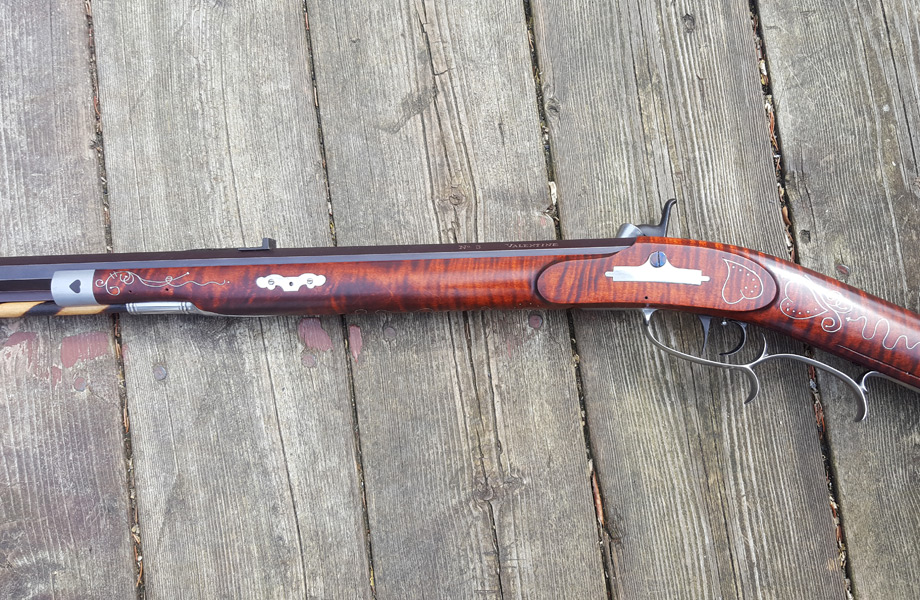
I have used alkanet root, several times, well tests - but never liked the results...
This is using water soluble dyes from lee valley:

Do you have the specific dye name and colour, it looks really good!Aniline dyes are soluble in water, oil or alcohol - I've used then extensively liking water the best. So, yea, that is probably what he was using (tinting the oil with dye) Though I would prefer to sye the stock then apply oil after - better colour control.
I have used alkanet root, several times, well tests - but never liked the results...
This is using water soluble dyes from lee valley:
sorry - no I don't remember, but the nice thing about the powdered water soluble dyes is you can mix them - this was probably a mahogany with a lot of red... possibly a bit of light walnut.... just mix and test...Do you have the specific dye name and colour, it looks really good!
That’s beautiful.Aniline dyes are soluble in water, oil or alcohol - I've used then extensively liking water the best. So, yea, that is probably what he was using (tinting the oil with dye) Though I would prefer to sye the stock then apply oil after - better colour control.
I have used alkanet root, several times, well tests - but never liked the results...
This is using water soluble dyes from lee valley:

OP, if you are looking for easy to apply dyes, there are a many different ways and methods of doing it.
You can purchase off the shelf finishes, and even rattle can finishes, that when applied properly are hard to beat.
You can also experiment a bit with homemade brews, which can also be very successful.
One of the easiest applications, is melted Kiwi shoe polish paste. It's pretty easy to do, just melt the contents right in the tin can, by floating it in a pan of boiling water, just deep enough that it can't sink beneath the surface.
I can take an almost white piece of Birch, apply a coat of "Black" Kiwi, and wipe it off after allowing it to soak for an hour and dry. The color matches dark Walnut.
If you want to add dye to oil or some other carrier, just purchase some good Foster's "LEATHER" dye and add it until it gives you the color you're looking for. Always helps to have a piece of scrap wood to work with.
You can purchase off the shelf finishes, and even rattle can finishes, that when applied properly are hard to beat.
You can also experiment a bit with homemade brews, which can also be very successful.
One of the easiest applications, is melted Kiwi shoe polish paste. It's pretty easy to do, just melt the contents right in the tin can, by floating it in a pan of boiling water, just deep enough that it can't sink beneath the surface.
I can take an almost white piece of Birch, apply a coat of "Black" Kiwi, and wipe it off after allowing it to soak for an hour and dry. The color matches dark Walnut.
If you want to add dye to oil or some other carrier, just purchase some good Foster's "LEATHER" dye and add it until it gives you the color you're looking for. Always helps to have a piece of scrap wood to work with.
If you want to add dye to oil or some other carrier, just purchase some good Foster's "LEATHER" dye and add it until it gives you the color you're looking for. Always helps to have a piece of scrap wood to work with.
ohhh - I love leather dye, easiest of all! Does have a couple caveats though...
1. not a lot of them are UV safe ... read the label.
2. The ones I have used react badly with steel .. particularly steel wool particles stuck in your stock, no steel wool, anywhere, ever ... in fact if you have bought steel wool before, burn down your shop, rebuild it, then apply the dye.
 .
.That's why I use "FIEBING'S."ohhh - I love leather dye, easiest of all! Does have a couple caveats though...
1. not a lot of them are UV safe ... read the label.
2. The ones I have used react badly with steel .. particularly steel wool particles stuck in your stock, no steel wool, anywhere, ever ... in fact if you have bought steel wool before, burn down your shop, rebuild it, then apply the dye.
It doesn't have any of the issues you list, and if you're worried, just use a clear paste wax to finish and seal it after it dries.
I have it in Dark Brown, Black, Light Brown, and Red. You would be surprised at how useful the RED dye can be when it's mixed with the others to create a finish identical to those factory milsurps. One thing I noticed about a lot of supposedly dark walnut, OEM, replacement stock parts for the No1, 4, 5 rifles is they're very often made of light Beech or Birch and stained dark brown. I can duplicate the color on refinished pieces or unstained pieces, with Fiebling's Dark Brown applied to the wood with a cloth, allow to dry, then with a mix of Dem-Bart clear Waxylene/Dark Brown dye/Red dye, apply it over the stained stock and it will seal everything and dry perfectly after a couple of days sitting. NO RUST ISSUES OR FADING, other than from handling.
Clear "Johnson's Paste Wax" is the same thing, but it's no longer available in Canada, and nothing else but Dem-Bart Waxylene duplicates it.

Funny I found the vid you're talking about under Pat RMG YT channel not Mark's channel.
Interesting way he does things, not sure I'd be comfortable 'scraping a stock with a piece of metal like that, or for that matter sanding with 220 sandpaper...
With the few stocks I've done, where I was looking for a different colour. I tried to get the colour I was after in one coat.
With that said, found going darker the first time, would produce the desired finished as two coats of something with a lighter shade.
OP friendly reminder about the search option, many a thread to help you out.
Here's an oldie with good info.
One of my fav on stock repair.
Interesting way he does things, not sure I'd be comfortable 'scraping a stock with a piece of metal like that, or for that matter sanding with 220 sandpaper...
With the few stocks I've done, where I was looking for a different colour. I tried to get the colour I was after in one coat.
With that said, found going darker the first time, would produce the desired finished as two coats of something with a lighter shade.
OP friendly reminder about the search option, many a thread to help you out.
Here's an oldie with good info.
Wood dyes
Marks been around for awhile, he's done it all.One of my fav on stock repair.






















