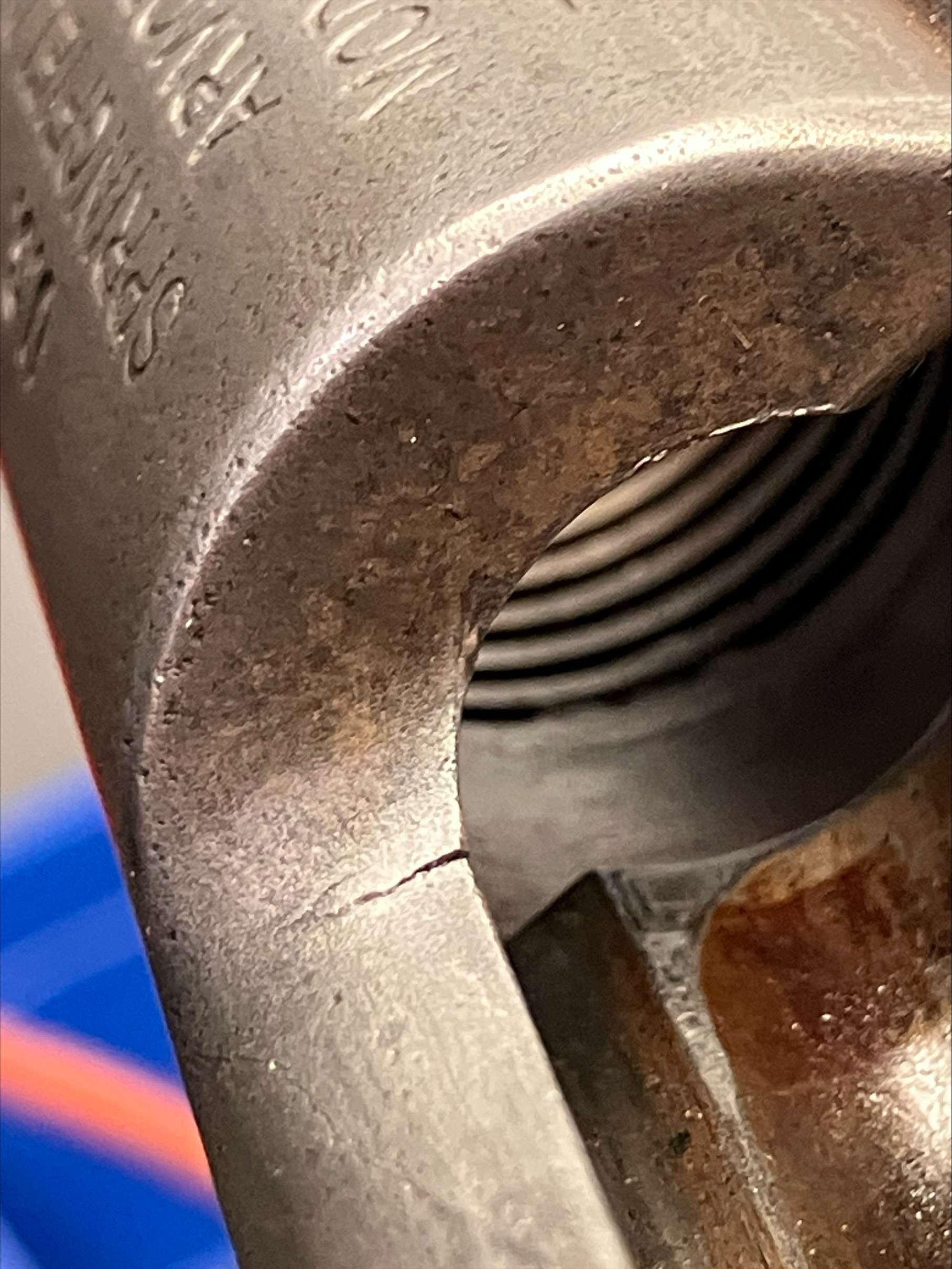












































I need help

5five6

Member
Rating - 0%
0   0   0
I think I’ve become addicted to canadian guns

I wanted a Ross Mk iii. The interrupted thread blot lugs fascinate me and I’m searching everywhere even gunbroker. What I should have done was click “watch” but what I did was make a ridiculously low bid on these.
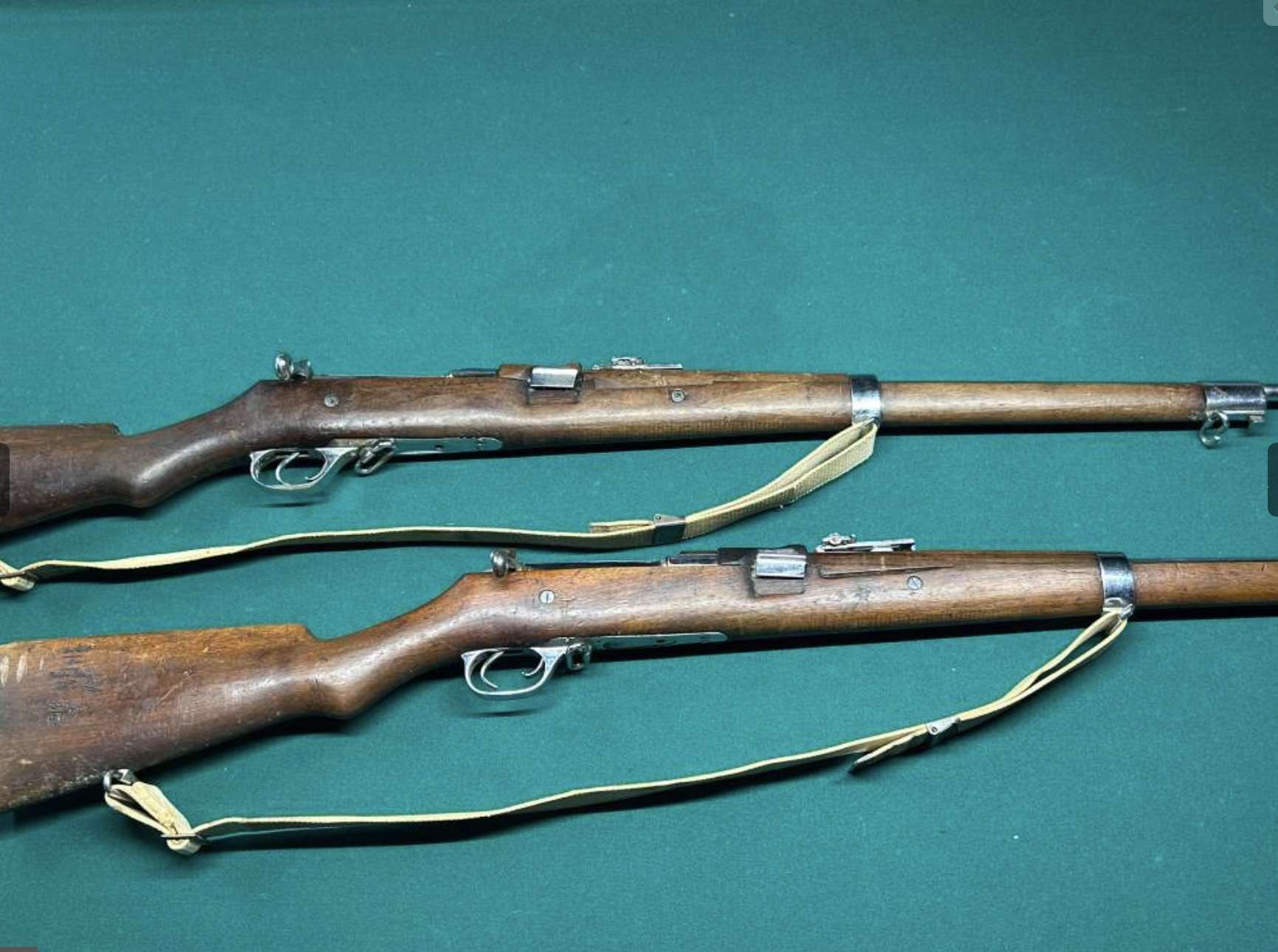
31faqx.jpg


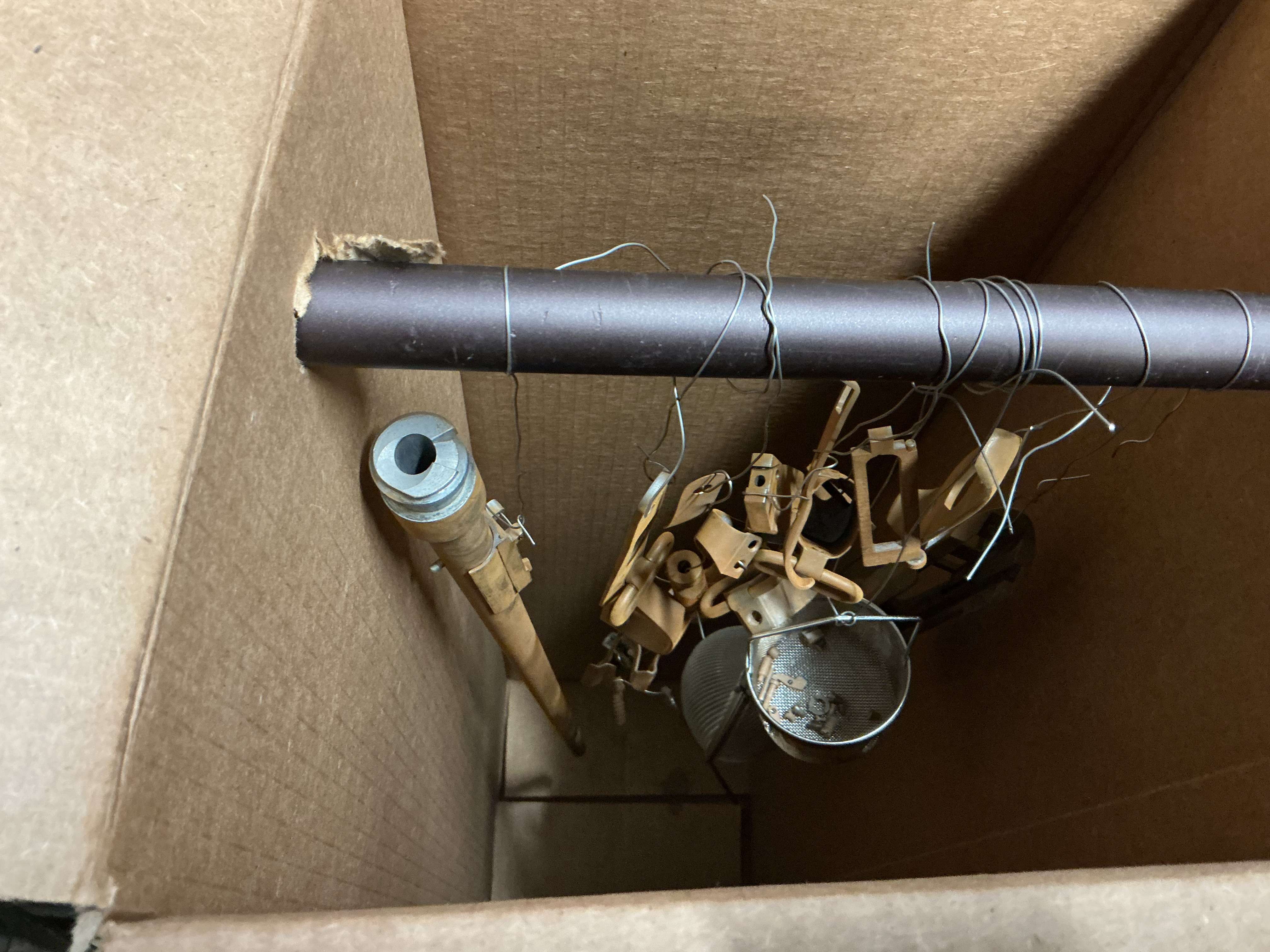
Nowhere in the description did it say anything about being chromed. To me, the photo just looked like bad lighting and a lot of oil. What I should have done was send them back but what I did do was ship them off to a well respected firearms finishing company like this:
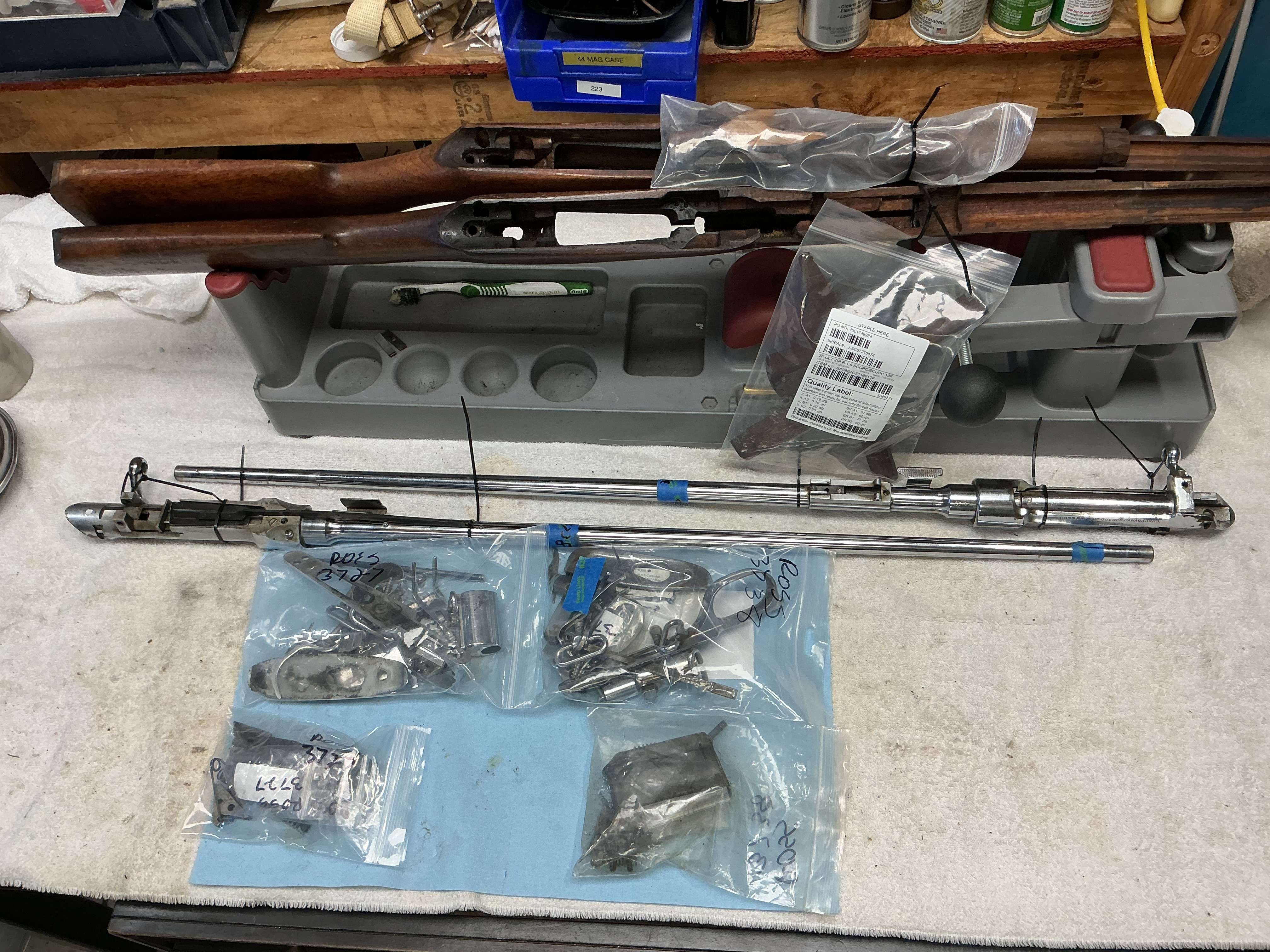
U3P6NQ.jpg


About a month later they came back like this
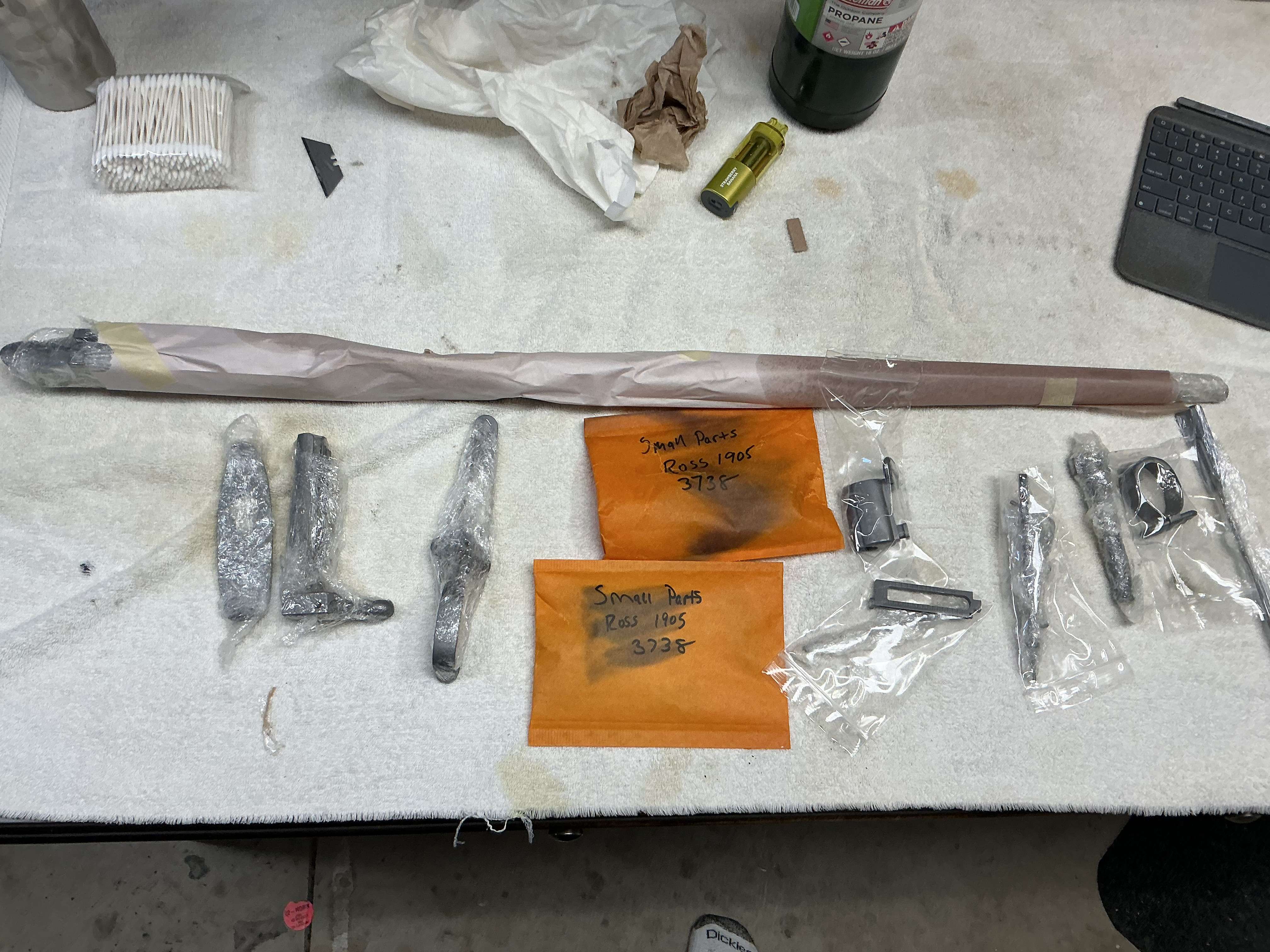
NKcE2r.jpg


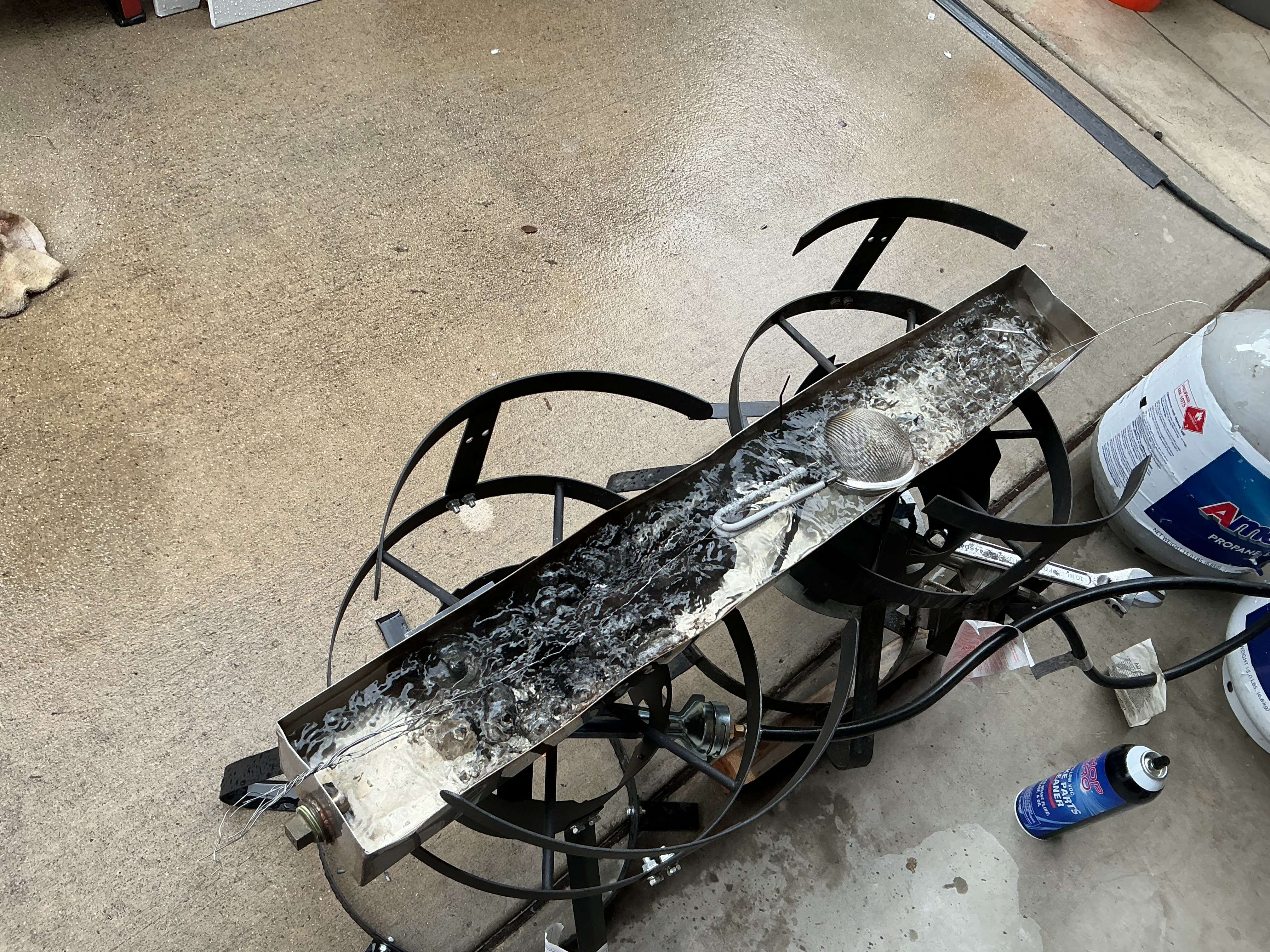
so I did some of this

3cjWXb.jpg


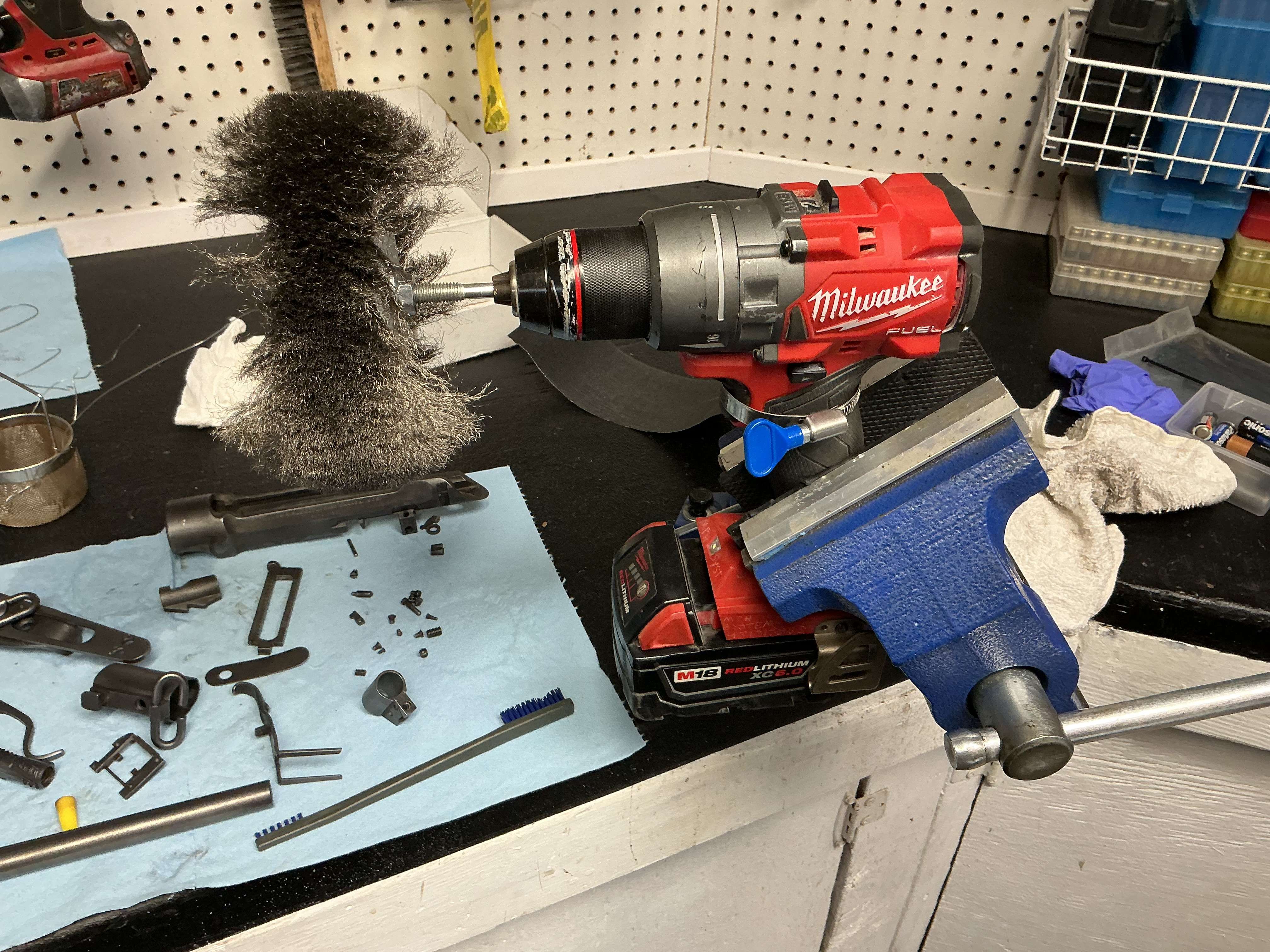
Some of this

wxqIPb.jpg


And some of this

HnMHjY.jpg


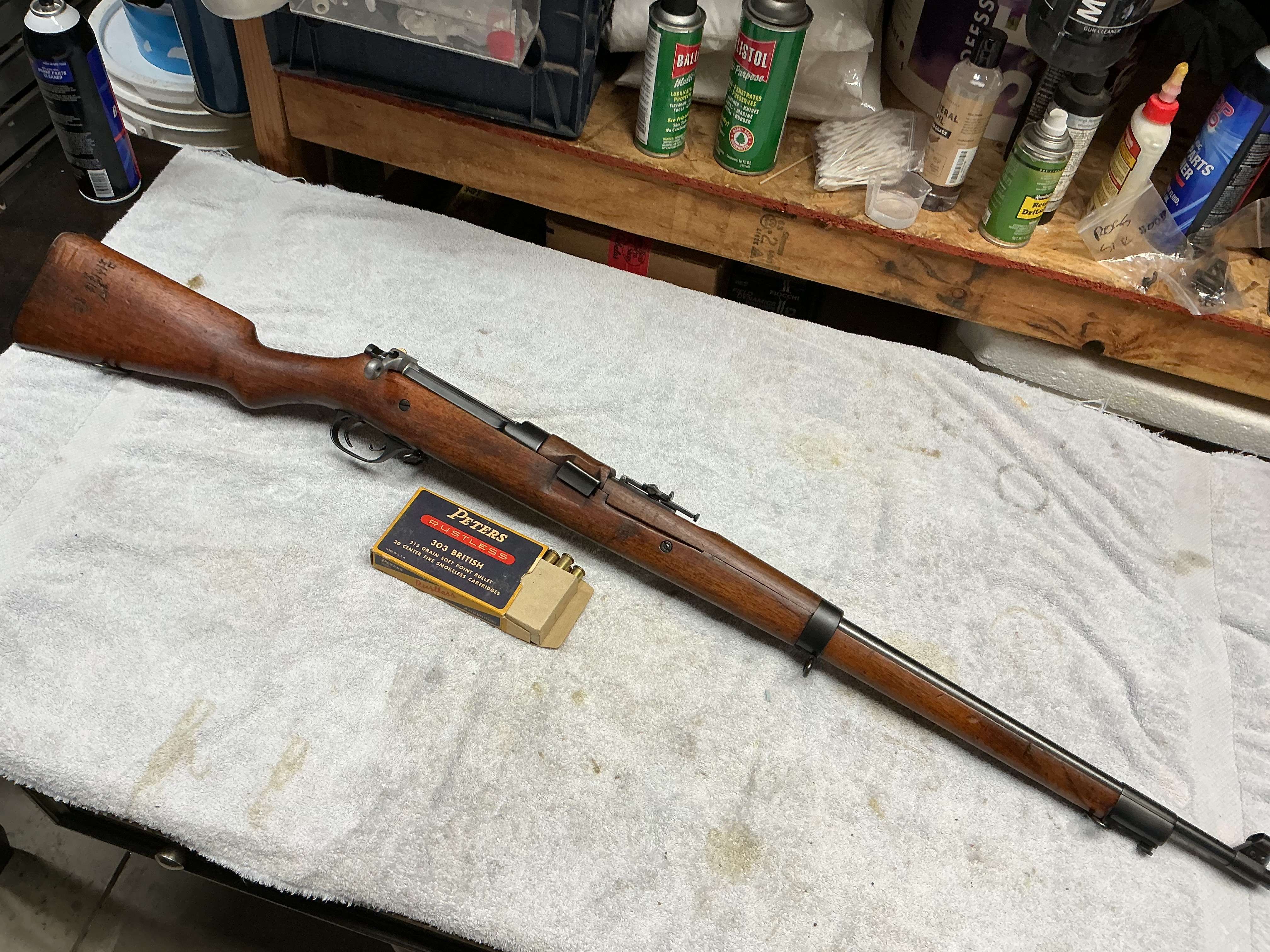
And the first one ended up like this:
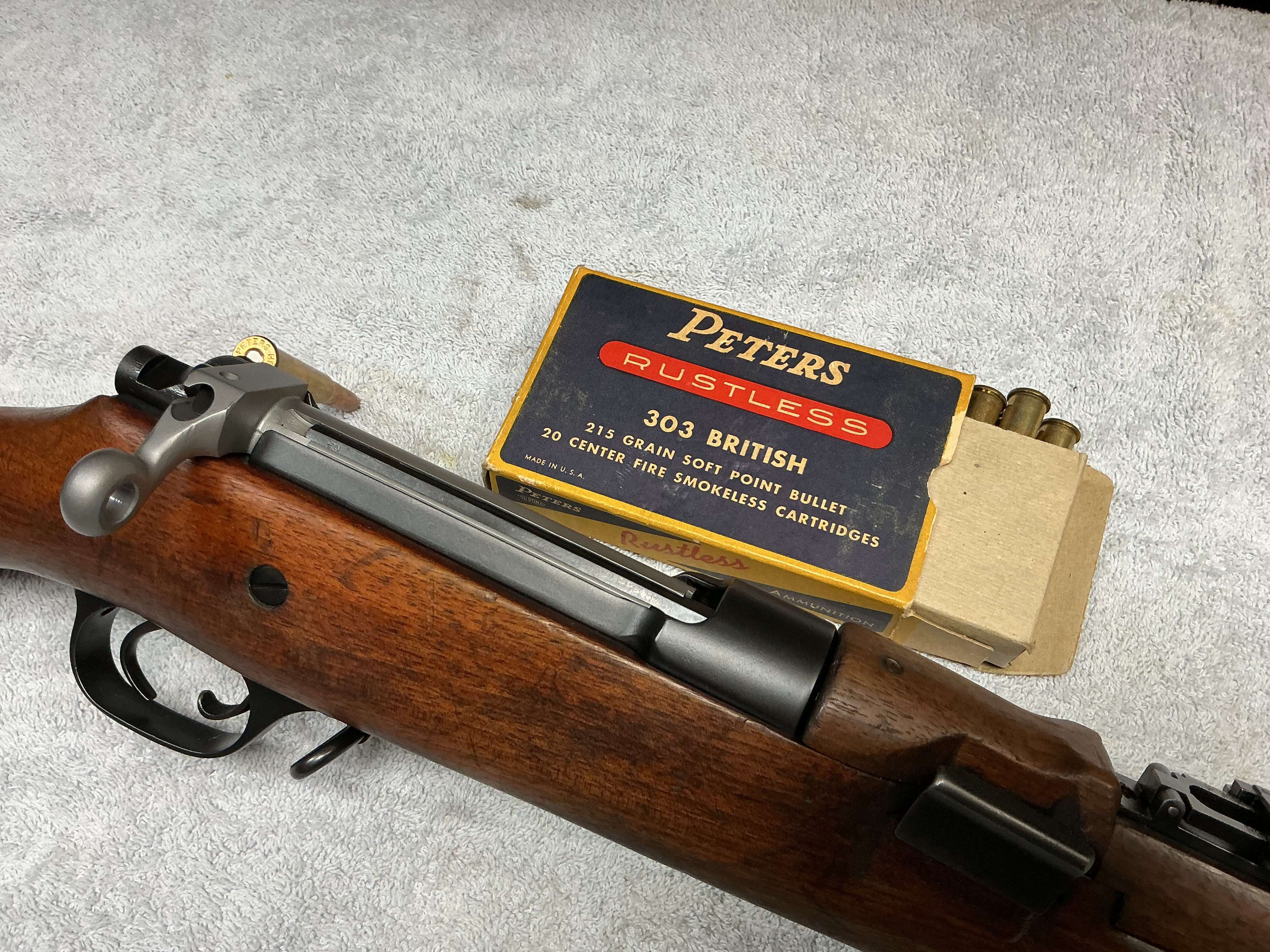
RgYjMT.jpg


hb379I.jpg


I still really want a Ross 1910 though, is there any hope for me? Do you guys have some sort of a 12 step program?
 
Last edited:
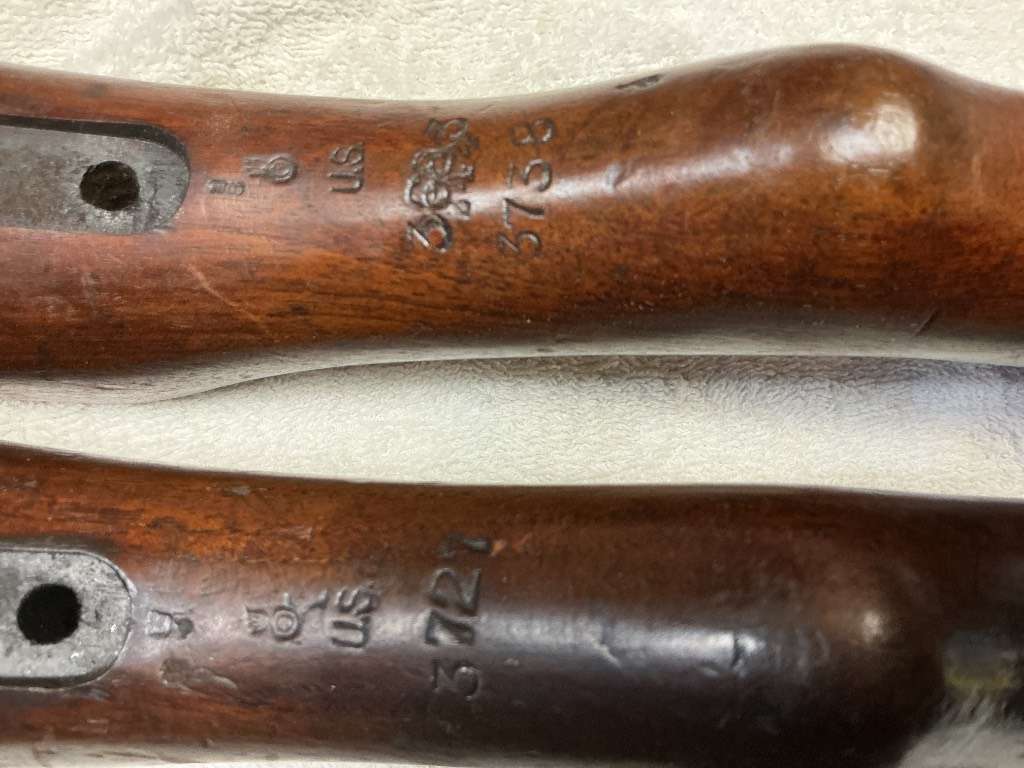
I bet they were plated and used as parade rifles by an American Legion or similar organization.
Actually, probably VFW or American legion and I did do a quick search to see which post. If I could find that providence, I might have just left them as was because that was part of their journey. Unfortunately, that information is lost to history and with the chrome beginning to fail, they were unsafe to fire. Chrome fragments are incredibly sharp and hard and pose risk of respiratory and eye damage.

On the flip side, chrome (direct to metal in this case) is a fantastic preservative. It’s like cosmoline on steroids. Also, trying to remove it, it’s like removing cosmoline on steroids. LOL. Removal was not inexpensive, and I had it done by one of the best in the world (not Turnbull tho, who has that kind of money?!?!?!).


I can’t fault them for chroming them though. It would be like someone chroming a milsurp M16 today… if they could buy it for $100 and it was widely considered the worst battle rifle ever produced

These thins sold for around $5 USD on surplus and even though they are one of the finest sporting rifles ever produced, they really sucked at working in trenches or dealing with crappy British wartime ammo specifications.
 
I do not know what the availability of Mk. III rifles is like in the US. II*** rifles are the most common. Thousands were supplied to the US as training rifles after 1917, and many were sold through the NRA in the '20s. Intact Mk. III rifles here have become increasingly more expensive. I gave up trying to collect Rosses for that reason. Most that turn up have been sported. Generally speaking, original Ross sporting rifles seem to be more common than intact service rifles.
Watch for IIIB rifles. There was a surplus batch of about 200 that reached the US. Made in Canada, supplied to Britain, went to the Whites during the Russian Civil War, captured by the Reds, supplied to the Canadian Mac-Paps of the International Brigades by the Soviet Union during the Spanish Civil War, captured by Franco's Fascists, subsequently sold off surplus by the Spanish Government. Quite the pieces of history.
 
Last edited:

I do not know what the availability of Mk. III rifles is like in the US. II*** rifles are the most common. Thousands were supplied to the US as training rifles after 1917, and many were sold through the NRA in the '20s. Intact Mk. III rifles here have become increasingly more expensive. I gave up trying to collect Rosses for that reason. Most that turn up have been sported. Generally speaking, original Ross sporting rifles seem to be more common than intact service rifles.
Watch for IIIB rifles. There was a surplus batch of about 200 that reached the US. Made in Canada, supplied to Britain, went to the Whites during the Russian Civil War, captured by the Reds, supplied to the Canadian Mac-Paps of the International Brigades by the Soviet Union during the Spanish Civil War, captured by Franco's Fascists, subsequently sold off surplus by the Spanish Government. Quite the pieces of history.
Yea, that tracks. They were horrible battle rifles but made for spectacular target rifles. The action is so smooth that it feels like it’s not even locking up right. But I played with the bolt face while the barrel was off and it’s solid AF.

I’m not familiar with IIIB

We had bought 20,000 of the Mk ii for training and they are the most plentiful in the US but finding an unmollested 1905 is pretty scarce. I’ve had mixed luck on GB. These were actually somewhat fortunate find for me. I mean, they will never have the value of a fully original example but also, I have far less money into both than I would have to spend for a single example of one with original finish.

I was a bit worried about the fresh metal finish in the 120 year old stock, the Tiffany lamp in a french whorehouse effect but actually, I just cleaned the stock with isopropyl alcohol and 1 quick hand rubbed application of BLO and the combination presents quite nicely.
 
IIIB has different sights than the Canadian III. Ears on the front sight instead of a hood, and the rear sight has a triangular profile from the side, flips up and has sliding elevation not unlike a P'14.
By 1916 the problems with the Mk. III rifle had been solved, but that was too late. It is odd that the M. III rifle, converted into an automatic rifle by Huot, worked as well as the Lewis gun.
 
Last edited:

Nice work tfs your project

Is the Ross action really desirable, such as in a custom build 7 mag with a high quality walnut stock?
LGS has one its a real beauty but I'm not a Ross fan.... so far....
 
Nice work tfs your project

Is the Ross action really desirable, such as in a custom build 7 mag with a high quality walnut stock?
LGS has one its a real beauty but I'm not a Ross fan.... so far....
I haven’t fired it yet but running the action has a similar effect on me as Sildenafil. It’s significantly smoother and solid feeling than any other rifle I own including rem 700’s Schmidt Rubin K11, K31, Krag 1896’s or any of the Mauser variants including my Swede. I don’t have a Norwegian Krag yet but I expect the Ross trumps that too.
 
IIIB has different sights than the Canadian III. Ears on the front sight instead of a hood, and the rear sight has a triangular profile from the side, flips up and has sliding elevation not unlike a P'14.
By 1916 the problems with the Mk. III rifle had been solved, but that was too late. It is odd that the M. III rifle, converted into an automatic rifle by Huot, worked as well as the Lewis gun.
That’s really the tragic part of the whole story. Well, all the kids who I died because their rifles jammed is the really tragic part but like Stalin says 1 death is a tragedy 1000 deaths is a statistic.

The tragedy of the Ross rifle development story is that, from all accounts, all the kinks had been ironed out by the time the contracts were canceled.

Ross fell victim to a few things

1) no idea they would be facing muddy trenches, the experiance drawn upon was in the bore war.
2) no real critical trials. Sam Hues was the gatekeeper and was smitten with Ross’s commitment to building the best rifle
3) British ammo was sloppy AF. Simply restricting earlier revisions to quality ammo would have significantly reduced failures
4) the lee was sloppy and dealt with debris better mostly because they were made to looser tolerances to save manufacturing costs

It really was a comedy of errors.
I have never seen any actual numbers relating to casualties resulting from Ross rifle failures in the spring and summer of 1915. Jamming was certainly an issue: Mud, poor quality ammunition, the design of the bolt stop, bolt head metallurgy all contributed to the problem. The mud problem was exacerbated because troops were forbidden to disassemble their bolts for cleaning. This was because of, and contributed to, reports of bolts blowing open. The SMLE could certainly be cleared of mud more easily than a Ross or Mauser. The chamber mouth is right there, not up inside the receiver ring. The situation parallels that of the M-16 when it was first issued in large numbers. The solution for Canada was to substitute the SMLE; the US fixed the rifle and ammunition, and improved training. To the point that M-16 based rifles are still standard issue all over the world 60 years later. Quite an accomplishment.
I have a fine II** target rifle. Micrometer rear sight, etc. When you take it apart, you can still see the soot from when the barreled action was carefully bedded. It has the minimum spec. chamber. Fired cases look quite different from ones fired in a Lee Enfield or service Ross with the enlarged chamber. Cases fired in a Lee Enfield and full length sized will not chamber. I had to make a die to reduce case diameter above the rim in order to reload them.
I have several Ross 1910 bolts that the lugs on the left side are broken out all the way to the last segment.

The small bolt stop and heat treating problems from the factory was a major problem, and the ham handed military problem solving of emergency re-heat treating in the UK by in experienced personnel judging temperatures by eye made the problem worse.

The Canadian Military enquiry republished by Clive Laws Service Publications as "A Question of Confidence" shows a number of other issues- one of which was the insistance on minimum spec chambers to squeeze that last FPS of velocity possible out of the service ammunition.

I personally believe that the ammo problem was largely a known problem, the air aces were known and documented to choose specific batches of ammo and go so far as to dummy feed each round thru their guns before loading for flight.

The SMLE experienced similar problems early in the war in Palestine /Iraq sand- the British solution was to switch manufacturing tollerances- they made the minimum bolt dimensions the max, and the max raceway the min.

That is the reason that during WW2 the Australian No1Mk3 HT sniper conversion program sought out 1915 and earlier actions.
Skennerton stated in The Lee Enfield Story that the reason was a better flexing action, but that was an incorrect understanding - they were looking for better tollerance dimensions.
 
Last edited:

The small bolt stop and heat treating problems from the factory was a major problem, and the ham handed military problem solving of emergency re-heat treating in the UK by in experienced personnel judging temperatures by eye made the problem worse.
Similar problem with the US 1903 I suspect it was the same old guys who were heat treating Krag receivers and possibly even trapdoor’s by eye for years and it was fine for the pressures developed by 45-70 and even 30 army (.30-40) but had failures with the 30-06. Even still there’s only 1 documented case of a solder losing their life and 11 accounts of injuries due to raise heat treating 1903’s. I actually own a cracked low ser 1903 receiver. I think I’ll make a .22 trainer out of it.

hyzZdN.jpg
 
I have a low number '03 receiver with a broken right hand side wall.
Incidentally, wrt making up a .22 on a full sized centerfire action, there was a Swedish .22 conversion of the CG63 M6 Muser actioned target rifle. Very clean, functional job. The .22 breech is brought back in the receiver; the bolt face is bored out and wraps around the reduced diameter extended .22 barrel. There are photos in "Crown Jewels" the Collector Grade book on Swedish Mausers.
 
Last edited:
Back
Top Bottom