











































You are using an out of date browser. It may not display this or other websites correctly.
You should upgrade or use an alternative browser.
You should upgrade or use an alternative browser.
Primer sealer.
- Thread starter Riven
- Start date


- Location
- Delta B.C.
Does it work? Yes. Do you need it? Only you can answer that.
It's useful for ammo that could be subjected to extreme conditions. Just my two cents. Cheers
It's useful for ammo that could be subjected to extreme conditions. Just my two cents. Cheers

I think a primer sits in the pocket pretty tight by itself, it would need to sit in water for quite some time I believe for the water to ruin it. I would guess hours to days for the water to get in, my guess at least. So I think sealant isn't required in most circumstances, IMHO
- Location
- Western Manitoba
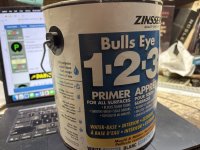
OP asked about "primer sealer" - I have used gallons of it - but as a Primer and Sealer on plywood and OSB board. Works great for that. I have never tried to use the stuff on primers in cartridge cases - I have never sealed those primers, since 1976
- Location
- Delta B.C.
It's extreme wet condition AND a change in temperature that will create a chance for fluid to enter the case. Again just my two cents. CheersI think a primer sits in the pocket pretty tight by itself, it would need to sit in water for quite some time I believe for the water to ruin it. I would guess hours to days for the water to get in, my guess at least. So I think sealant isn't required in most circumstances, IMHO
Sorry forgot change in elevation..
Last edited:
- Location
- Western Manitoba
It says on the can's label, on the side, that it is a "Stain Sealer":
canadianshooter
CGN Regular
- Location
- Northern BC
Federal applies sealant at the factory. Military ammo has sealant on the primer (while they may not have the highest specs I don’t think the military usually asks for totally unnecessary steps). I do it just on my hunting ammo that faces pretty variable weather and wet conditions.
Why not devise a test to compare them?
A) nail polish B) nail polish thinned with acetone C) commercial primer sealant D) no sealant as a control.
Test them by soaking in water for a prescribed amount of time... 24hrs maybe?
This is assuming that water isn't getting past the bullet on the other end.
You could also do a leak down test with a few psi of compressed air on the mouth of the case with the primer in the pocket.
I watched a U-tube video a couple of years ago that involved subjecting both rimfire and reloaded centerfire ammo to submersion in water for 24 hours to several days to weeks and up to a month. If memory serves me right things were going bang pretty reliably for up to 2 weeks in spite of being underwater all that time. After 4 weeks about a 75% failure rate.
Ive been shooting and reloading for many years and all my ammo goes into high quality Ziplock freezer bags. No issues whatsoever. I will double bag if ammo is going to be bounced around in a knapsack for a period of time.
Ive been shooting and reloading for many years and all my ammo goes into high quality Ziplock freezer bags. No issues whatsoever. I will double bag if ammo is going to be bounced around in a knapsack for a period of time.


Brassman66
CGN frequent flyer
At first I thought there is absolutely not needed but then......................................Wondering is anyone uses primer sealer? Came across some at my LGS today.
Is it worth the time or money for storing ammo??
Will clear nail polish work the same?
Been reloading for more years then I care to remember and wont throw a Casing in the Garbage until the process of Case separation has started. On the old beat up .338 Win Mag. my goto Rifle when in the Rockys, some of the Casings Primer Pockets are not as tight as they used to be. Getting wet in location where I Roam is a normal occurrence so is seeing Grizzly Bears. Perhaps Sealing the Primer is not such bad Idea.

Bubba Yugga
CGN frequent flyer
- Location
- Midwestern Ontario
Dollarama nail polish is as good as anything.
If you're gonna bother at all, might as well do around the bullets too.
Personally, I wouldn't bother unless I'm geocaching.
If you're gonna bother at all, might as well do around the bullets too.
Personally, I wouldn't bother unless I'm geocaching.
Bubba Yugga
CGN frequent flyer
- Location
- Midwestern Ontario
Different coloured nail polish will work, but I just use a Sharpie.I am planning to try some; not as a seatlant, but to identify certain loads.
At first I thought there is absolutely not needed but then......................................
Been reloading for more years then I care to remember and wont throw a Casing in the Garbage until the process of Case separation has started. On the old beat up .338 Win Mag. my goto Rifle when in the Rockys, some of the Casings Primer Pockets are not as tight as they used to be. Getting wet in location where I Roam is a normal occurrence so is seeing Grizzly Bears. Perhaps Sealing the Primer is not such bad Idea.
If you are relying on a firearm and ammunition to protect you from grizzlies, I would think using cases that don't have loose primer pockets and are not verging on case head separation might be a good idea.
Different coloured nail polish will work, but I just use a Sharpie.
When I'm doing load development I colour the case heads with different coloured Sharpie markers prior to priming them. Easy to distinguish and comes off easily during the wet tumbling later