SVT-40 Refurbishment Project

Kevin M.

CGN Ultra frequent flyer
Rating - 100%
143   0   0
As of late, I have found myself with some extra time on hand, so I decided to start up a new project.

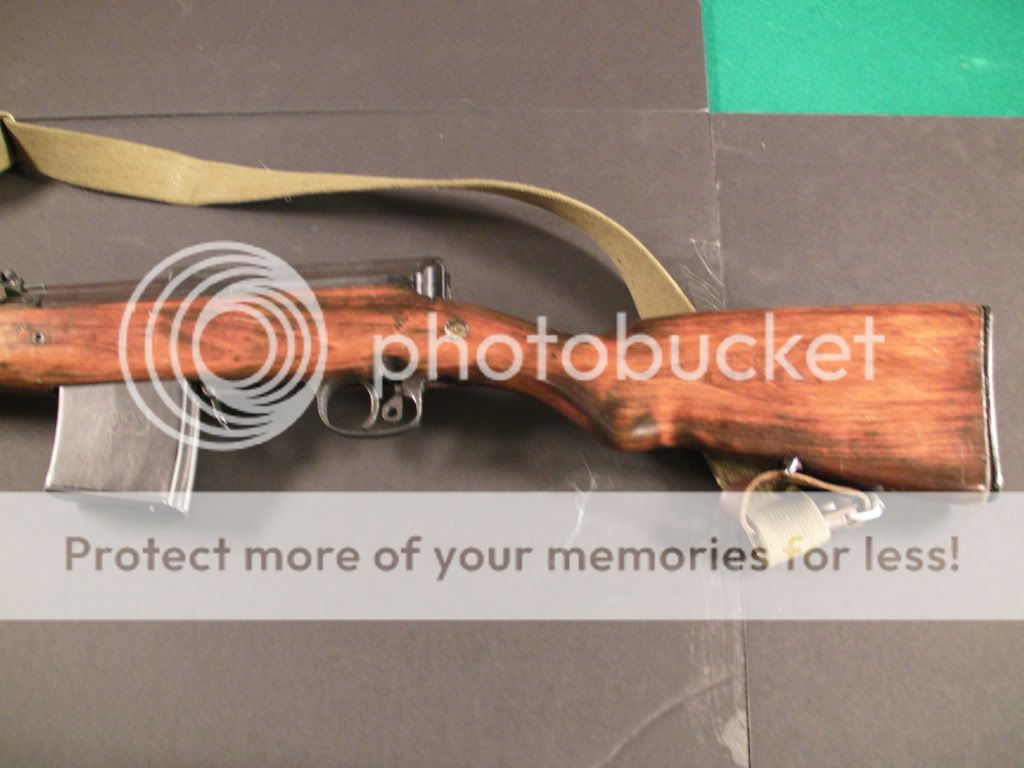
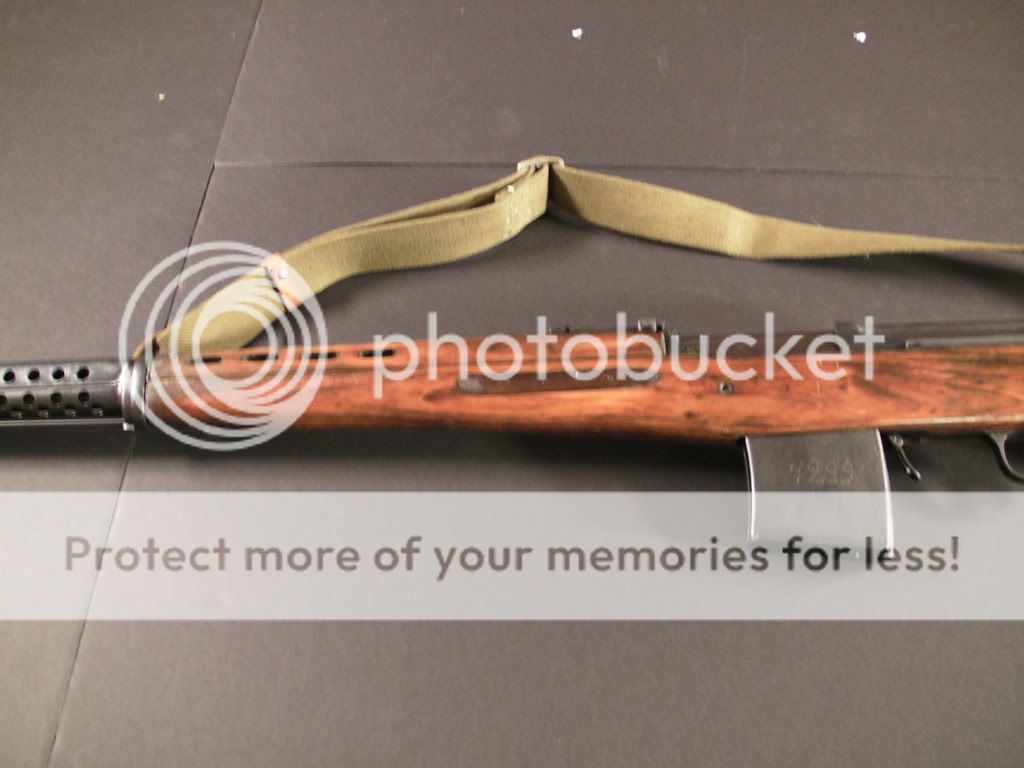
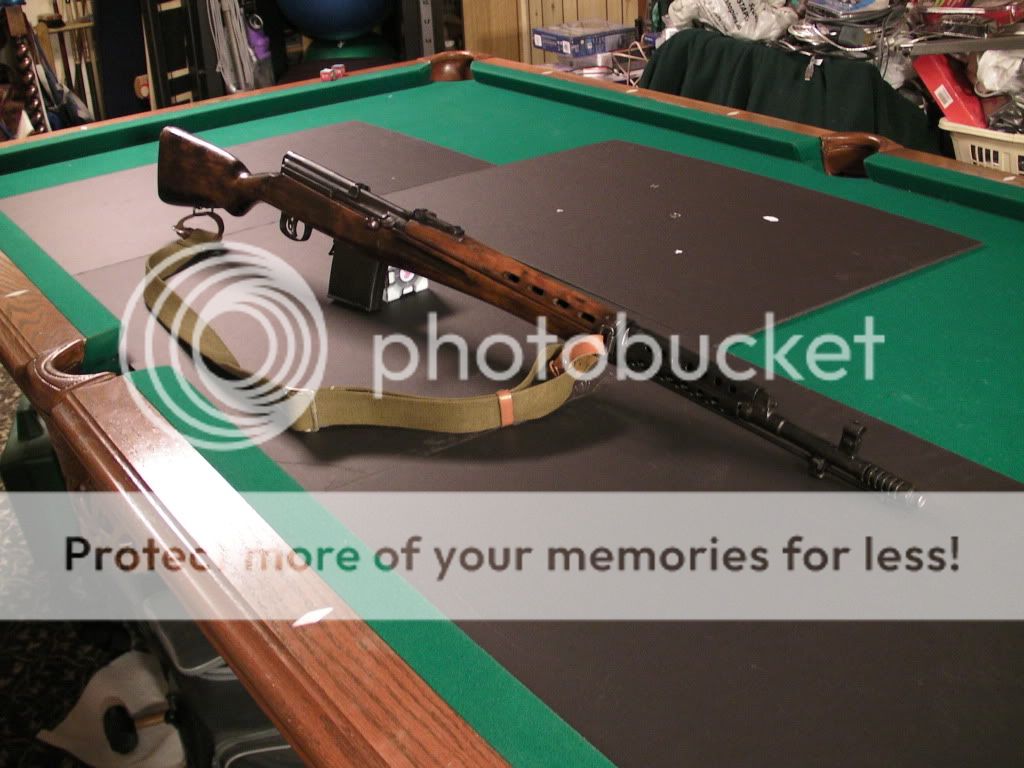
I am using an SVT-40 I picked up from Epps a few monthes ago for the reasonable price of $300.

SANY0546.jpg


SANY0555.jpg


SANY0556.jpg


SANY0558.jpg


SANY0564.jpg


SANY0562.jpg


SANY0563.jpg


With fine woodworking as one of my biggest hobbies, I could not bear to see that nice wooden stock covered under layers of cheap finish and 50 years worth of buildup of packing grease and dirt. I decided to have a go at restoring that stock to its former glory. In order to try to keep this as a restoration project, and not a bubba project, I will be using hand tools and sandpaper exclusively. No power tools will touch this stock.


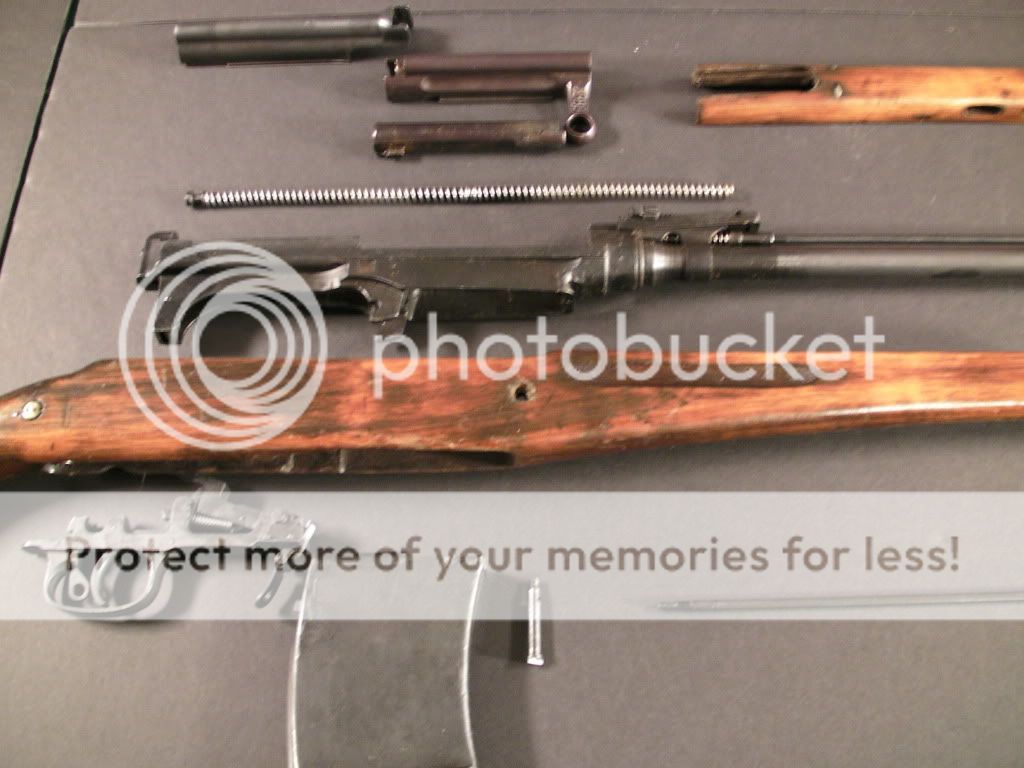
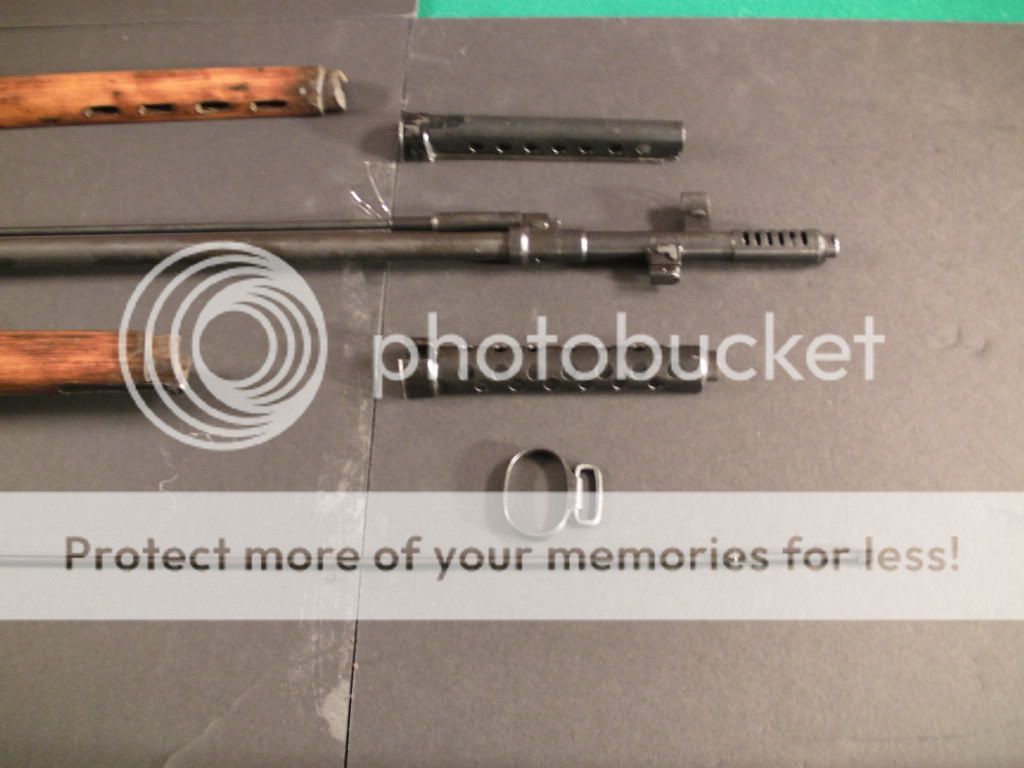
My first step was to strip the gun down completely.

SANY0572.jpg


SANY0577.jpg


SANY0578.jpg


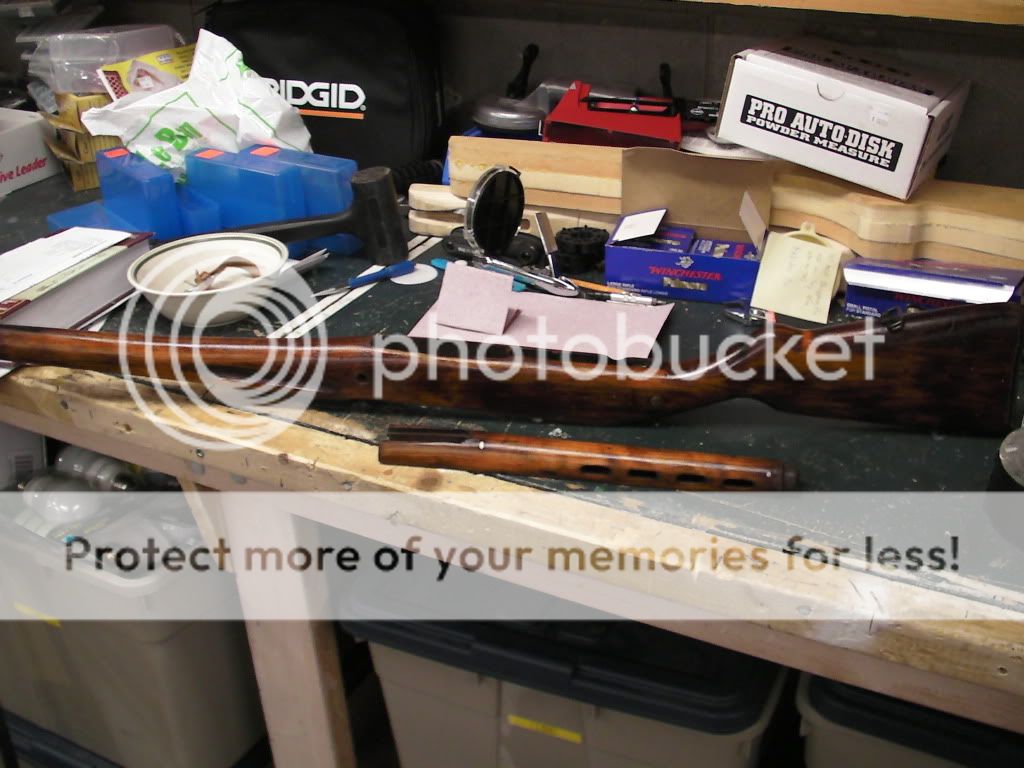
After this, I set up the stock in my workshop and got out the 80 grit sandpaper to start working.
SANY0589.jpg


After 30 minutes work, you can see that the layer of varnish has been removed. This finish really gums the sandpaper up as well, slowing the whole process down.

SANY0590.jpg


Finishing the night after 2 hours work, you can start to see the true colour and grain of what this wood used to look like.

SANY0593.jpg


SANY0594.jpg


SANY0595.jpg


Stay tuned over the next few days to see how this comes out. I am anxous to see what it will look like when properly refinished.

Cheers for now.
 
I hate to say it, but some would call the use of sandpaper a Bubba. But these are the hard core collectors who will not look at an FTR or Refurb for their "perfect" collection. The "Ideal" method would be to use furniture stripper to remove the varnish and use steel wool instead of sandpaper. The belief is that sandpaper would remove any faint markings and weaken the wood. I believe the part about the markings, but I find it hard to believe that sanding would remove enough wood to reduce strength.

I apologize for the criticism, Its an inherited flaw of mine. But I am looking forward to seeing the complete project.
 
If you're going to shellaq it after, I'd strongly suggest adding the dulling agent. I went with strait shellaq, and it's a bit shiney for my taste. I understand it dulls with use though too.
 
Paint stripper and a heat gun works wonders...

Steel wool for the oil to work it in


Watco at Home Deps hans a all in one solution of oil and stain..
 
looking foreward to seing how this turns out good job..... personally i would have kept it the way you got it....i find it looks good
 
You know, if it was shellac on it to start with, methyl hydrate would have stripped it much quicker with no harm done to the wood whatsoever.

That said, was it shellac?

When I strip a non-shellac'ed stock, I use furniture stripper. Again, no need to use anything that will remove any wood (a big no-no for a fine restoration). And, you save money by not having to buy too much sandpaper :)

Keep us posted, and give us a range report when it's ready for action,

Lou
 
I hate to say it, but some would call the use of sandpaper a Bubba. But these are the hard core collectors who will not look at an FTR or Refurb for their "perfect" collection. The "Ideal" method would be to use furniture stripper to remove the varnish and use steel wool instead of sandpaper. The belief is that sandpaper would remove any faint markings and weaken the wood. I believe the part about the markings, but I find it hard to believe that sanding would remove enough wood to reduce strength.

I apologize for the criticism, Its an inherited flaw of mine. But I am looking forward to seeing the complete project.

Pretty much says it all. Another problem with sandpaper is that, even if carefully used, it'll round edges, it will alter the shape of the stock. It will be visible later when compared to intact wood. So it's hardly a "restoration" if it doesn't look like the original.

Like LE41's comment, this is a constructive comment, not meant to be a "smart bottom" kind of comment.

Lou
 
Thanks guys, I appreciate the tips. As for the gun, I personally do not believe that it has a great collectors value (hence the low price) as is is a mashup of lots of differently numbered parts.

That said, I did not want to use any strippers for a few reasons. One was due to working with an unfamiliar type of wood, some kind of Russian softwood. (The species of wood escapes me right now, but it is a far cry from the North American Oak and Maple I am used to working with.) I did not want to run the risk of the softwood staining or being altered by the thinner in any way. Another reason is that there was so much wax and grease on the coating, that I am not even sure how much varnish (if that is the finish that was used) still remains on the stock. If I am right, then I believe the the removal of the finish would be spotty at best, because I do not think thinner works that well on packing grease.

Bottom line is that I have never used wood stripper on anything like this before, so I decided to play it safe and stick to methods I know well for now.

Before I began sanding, the stamps were so filled with packing grease and grime that it made them virtually disappear into the stock. I intend to deepen the stamps in the stock after I am finished sanding.

Finally, I am being very catious to not alter the shape of the stock, and am only going far enough into the wood to remove the finish. Good point on not rounding the corners, I will keep that in mind and be doubly cautious about that.


Anyways, I really appreciate the tips and feedback, and I look forward to working on this. Woodworking is one of the best stress relievers next to shooting in my opinion, so I enjoy doing this. With time and patience, it will end up being a very nice, properley refurbished gun, and pretty to boot.

Keep the feedback coming.


Cheers for now.

 
I will keep that in mind and be doubly cautious about that.

Really Kevin, go with the right products for the right job, then things turn out great.

I use paint thinner to remove grease if really covered. Otherwise I clean with soapy water if just somewhat oily or greasy (I don't let the wood swim in it for hours, I just quickly wash it, rinse it and dry it). Then Circa1850 to remove non-shellac finish, and methyl hydrate when it's shellac. Wood never suffers from this - the stuff is made for wood, and developed to leave the wood in great shape.

Lou
 
acetone and 000 steel wool also works really fast to remove shellac. just remember to wear rubber gloves and have some ventilation.
 
Last edited:
You tried to do us a service with a "show and tell", and got whacked around quite a bit - sorry bout that. Most of the posts had a positive tone and genuinely were motivated by wanting to assist. I must say that I hadn't seen the words "fine woodworking" and "80 grit" together before. :p

Anyways, we'll all learn from this and I look forward to the final product.
 
Use 1858 furniture stripper to remove paint, varnish, shellac poly urethane, etc.
Varsol to clean heavy gunk Acetone will do the same. 0000 steel wool, even the
courser grades to buff the unfinished wood.

Never use sandpaper to take off the old finish, No….
 
Kevin- Many on here abhor the use of sandpaper on a milsurp stock. The term "removing value with every stroke" has been used on here with reference to sandpaper. Your rifle was originally finished with shellac, and by just cleaning it and touching up the shellac you would have done no wrong. The new shellac blends with the old and it would be completely correct.

I'm hoping that you try and get it back to the original look and use shellac in the right colour to do so.

It is your rifle, yes. You can burn it in a furnace if you wish...:)
 
It is your rifle, yes. You can burn it in a furnace if you wish...:)

I may just have to do that after some of these internet ranters comments. :p

Back to the issue, if you want to rag about it's collectors value, but I do not feel that it's value has in any way been increased by the many long years of abuse and bad storage it has endured.
It did have more character before, but I have made the decision to restore it to it's original look, internet bloggers who cry "Bubba" be damned! :rolleyes:

Thats just my opinion, and in any case, I am focusing on how to continue the project and have a good finished product.


I have had four years of cabinet and furnature making schooling, a further year of carpentry schooling, various paid jobs of renovating homes, and refinishing Oak staircases. I have also built two rifle stocks by hand with Gunslingr.

I am not the most experienced on this forum by a long shot, so if you want to add somthing, state your skills and qualifications to be giving advice... in other words dont just be an internet ranter. I will respectfully listen to your tips and opinion. *Rant over*

Cheers for now. :)

 
Hey Kevin, I try to never rant. Sorry if anything I said came across as a rant. I'm essentially trying to give back a bit of what was given to me a few years ago - sound advices on restoring milsurp rifles. Some of these advices came from a select few who know a lot, a whole lot on the subject (thanks guys!); some from many folks who know from a little bit to a bit more. Even some from folks who don't know much. Fact is, a good advice has value on its own; doesn't depend on who provides it in my opinion. But you are right, anyone can do whatever they want with these advices - even me :)

My appreciation for milsurp rifles come from the fact that they can be considered as artifacts, historically meaningful specimens. Thus, there are things they will require that are specific to their milsurp status. Same could be said for precision shooting firearms, or collector's grade semi-auto handguns, or whatever; each will have their unique set of do's and don't's, and these will be slightly different from one category to the next.

Oh and last thing I'd say, I certainly never want to pretend I know something. Quite the contrary, I consider I know next to nothing. That's the reason I've developed a taste for old firearms - there's so much for me to learn, I'll never get tired of it or run out of stuff to read!

Oh and one more last thing! Stick around, I sure have frequent questions about wood and woodworking!!!

Lou
 
Last edited:
Back
Top Bottom