Rare Project Gun

Road King

CGN Regular
Rating - 100%
148   0   0
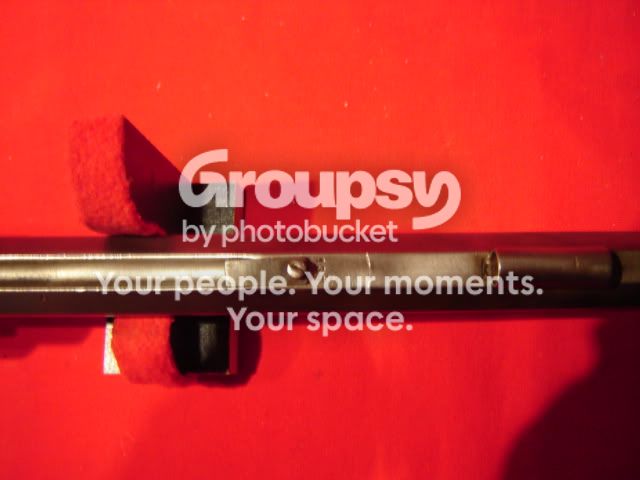
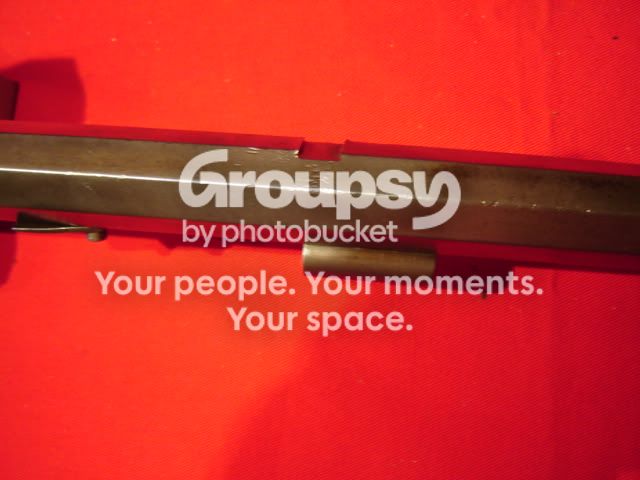
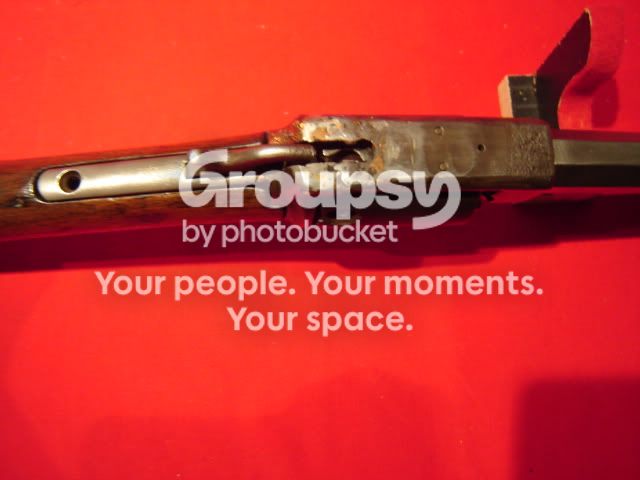
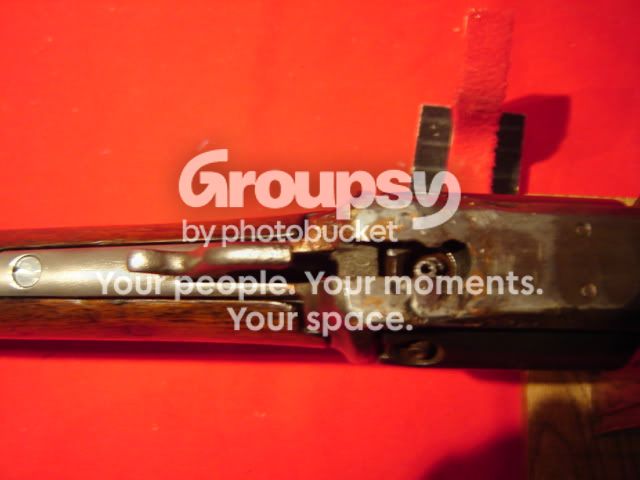
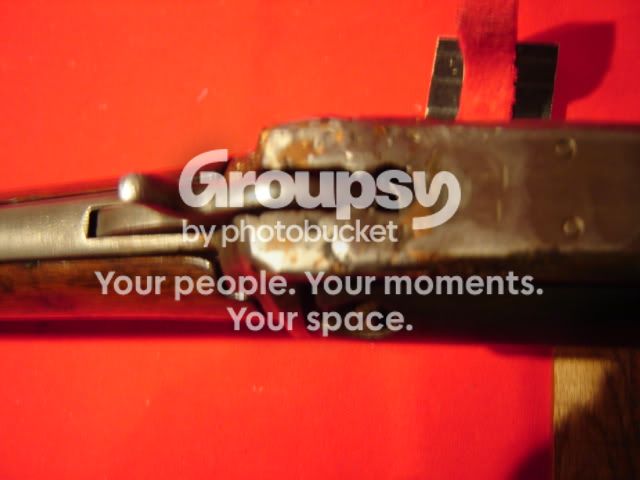
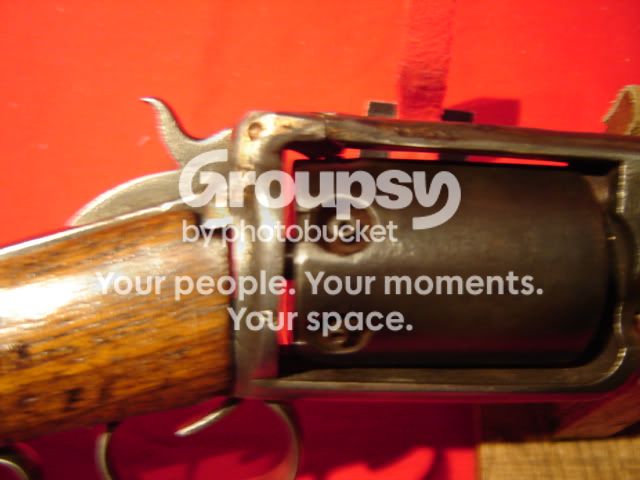
I have had this gun for a number of years and was always going to fix it up but never got around to it. It is likely the rarest gun I have owned but the condition leaves a lot to be desirable. It is a Warner Solid Frame Revolving Rifle. made by James Warner, Springfield, Massachusetts in 1850. There was approximately 300 to 500 made and this is serial number 135. There are enough parts to make it worth while to restore with good pictures for reference on the internet and in Fladermans Guide to Antique Firearms.
I would like to hear some comments about this gun , like has anyone ever seen one or comments on restoration. The top of the frame is broken and someone in the past tried welding it up but the main parts are all there. Butt stock is in good condition, butt plate can be made from a Winchester or similar rifle style BP. Barrel is good and the cylinder is in good condition.


DSC03073.jpg

DSC03076.jpg

DSC03078.jpg

DSC03075.jpg

DSC03079.jpg

DSC03080.jpg

DSC03077.jpg
 
Has it been deactivated? The top strap looks somewhat butchered with a welder/grinder... :confused:
Edit: never mind.. I re-read your post. It might be a good idea to start restoration with making the top strap look right again. In any case, it does take away from the value big time though... but less if you restore it to a decent finish. :(


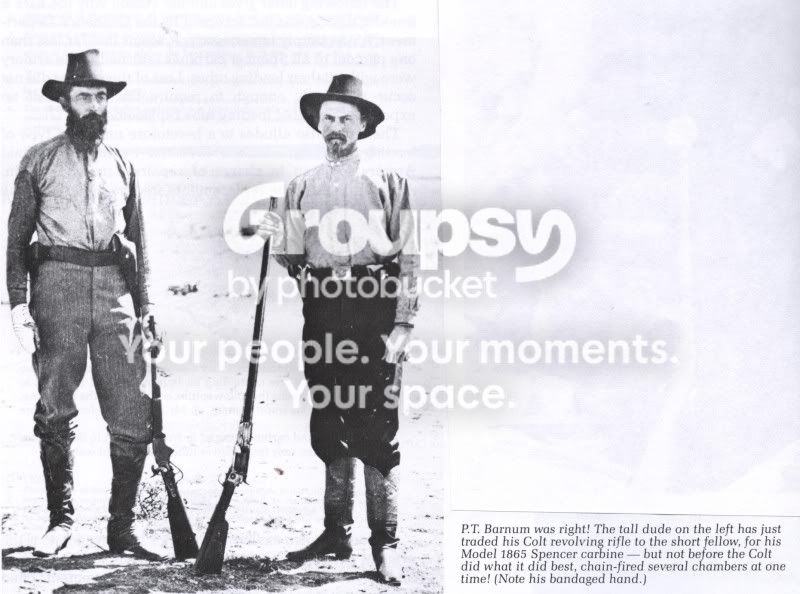
I can't offer you much insight about this gun, other than they were discontinued (by Colt & other companies) because they were deemed very unsafe to fire. When you fired this type of bad boy, there was a strong possibility of the other (loaded) chambers going off at the same time, thus blowing your hand off. The entire BP design of these was flawed, most likely due to the revolver system not being suited for large BP quantities in the individual chambers.

There's a series with R Lee Ermey called "Lock'n'Load" and this type of BP rifle is briefly discussed in one of the episodes. Ermey seems to confirm that this gun design was a ticking bomb and that he would not shoot one. It makes sense and probably explains why this is so rare, as complaints were too frequent from handless customers... having said that, it's a great piece of firearms history nevertheless!

:)
 
That gun definitly deserves a restoration. Buttplates can be sourced as cast from Track Of The Wolf as well as the neccesary screws, sights and ramrod blanks. I'm confident it could be properly welded, although I would want a real pro to tackle something like this. Bully Hayes told me he had a friend in Toronto who did micro tig welding and that attention to detail might be an asset for your gun although if you're close to Peterborough and want to give it a try I have a Tig at work.... (I'd do it if it was my own). The welded action should be more than capable of handling BP pressures and knowing what we do today about chainfires I'd be more than willing to let a few rounds go out of it (with a good bit of lube to prevent those nasty explosions). Of course I have to admire your self restraint as I know I couldn't go more than a few hours before tackling that project.... Keep us posted!

 
As far as chain fires go, there are a lot of percussion revolvers in use. How often are chainfires reported?
Standard practice when shooting a revolving longarm is to keep the support hand under the receiver, not in front of the cylinder.
Even with a cartridge revolver, you keep away from the cylinder/barrel gap.
Revolving rifles were usually loaded from the muzzle, with patched balls; not necessarily from the front of the cylinder. The Billinghurst revolving rifles were definitely muzzleloaded. Note that this rifle carried a ramrod.
For welding restoration, I would contact Jason Spencer at Gunco in Nepean. He doesn't do the TIG welding, but the chap who does the welding for him is extremely skilled. I have seen Mauser actions which he has cut and welded, to make long and short actions. Receivers, bolts, firing pins, magazines, floorplates welded. You cannot tell that the work was done.
There is a possibility of getting a buttplate that could be adapted. Or, one could be made. It would be better to fit a buttplate to the stock, rather than alter the stock to fit a modern buttplate.
 
There is a possibility of getting a buttplate that could be adapted. Or, one could be made. It would be better to fit a buttplate to the stock, rahter than alter the stock to fit a modern buttplate.

Track's catalog shows a number of different buttplates, many of which can be bent and ground/fitted as need be. Their paper catalog shows the plates in full scale pictures which would be helpful if trying to match one up.
 
Yours is the lower version that did load from the front of the cylinder, not from the muzzle, so the rammer assembly would have to be fabricated as well. Good photos.
The frame is the most serious part of the restoration. But this sort of thing can be done, and with very careful finishing, the repair will not be noticeable. The other missing parts will just require the time and effort to make them.

Definitely a project worth doing, and worth doing well.
 
I think the safety problem is more about gases bleeding at the cylinder barrel gap near your face then chain fires or explosions. The hammer relief cut would also insure any gases from the in battery nipple would come straigh back to your eye. I would'nt fire it with out some well fitting googles and a leather face mask. Sure the tragedy may be unlikely to occur but the result would be no more shooting.

Maybe someone knew what they were doing when they dewatted it? There is a reason revolving rifles and detachable revolver carbine stocks are not very common.

It is an interesting piece. Thanks for sharing.
 
This is a great looking project, heck its a great looking rifle!

The top strap can be easily welded by nearly any welder and then you carefully grind then draw file it down to size.

I really like the nipple placement off to the side, sure makes it convienient when your shooting -have all your cylinders loaded and uncapped and just pop a single cap on between shots.


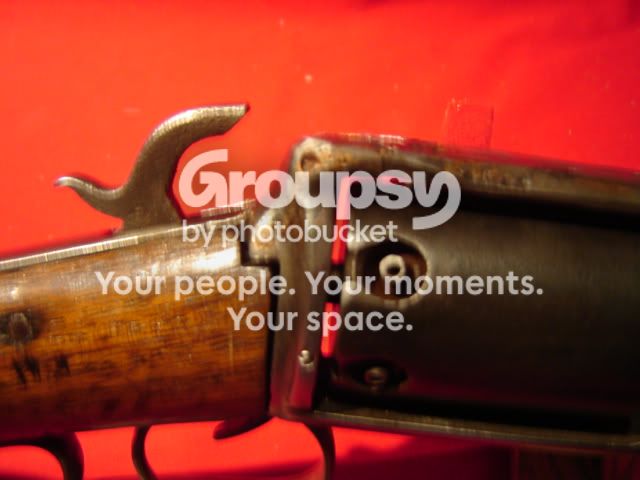
Does the hammer contact the nipples as is , maybe I don't understand the mechanics of the mechanism but it looks short??
 
This is a great looking project, heck its a great looking rifle!

The top strap can be easily welded by nearly any welder and then you carefully grind then draw file it down to size.

I really like the nipple placement off to the side, sure makes it convienient when your shooting -have all your cylinders loaded and uncapped and just pop a single cap on between shots.


Does the hammer contact the nipples as is , maybe I don't understand the mechanics of the mechanism but it looks short??


These pictures show the hammer, which has long curve to make contact through the top of the frame to the nipple.
The lever ahead of the trigger is used to advance the cylinder (manual advance) I guess this was just before the single action.

DSC03091.jpg

DSC03092.jpg

DSC03093.jpg

DSC03094.jpg
 
When I looked at the pictures above (especially the side picture), the 'failure' point on the top strap reminded me of some of the kaboomed revolver pictures I've seen.

I think it's a strong possibility that the rifle actually kaboomed at some point and later had its' cylinder replaced/top strap welded... besides, what else on earth could've damaged the top strap that much without leaving other damage around? The only thing I can think of is the cylinder exploding on one side.

Although I would not fire this thing even after a full restoration, I think that it's a very interesting item. I wish they built cartridge revolver rifles nowadays that we could purchase non-restricted... a sealed cartridge would solve the traditional BP flaws of this design.

Read more here: http://www.nps.gov/archive/peri/cav3.htm
 
When I looked at the pictures above (especially the side picture), the 'failure' point on the top strap reminded me of some of the kaboomed revolver pictures I've seen.

I think it's a strong possibility that the rifle actually kaboomed at some point and later had its' cylinder replaced/top strap welded... besides, what else on earth could've damaged the top strap that much without leaving other damage around? The only thing I can think of is the cylinder exploding on one side.

Although I would not fire this thing even after a full restoration, I think that it's a very interesting item. I wish they built cartridge revolver rifles nowadays that we could purchase non-restricted... a sealed cartridge would solve the traditional BP flaws of this design.

Read more here: http://www.nps.gov/archive/peri/cav3.htm

I agree about not firing it if I get it completed. I thought I found the photo of what happened to this gun but as you can see this was not just a problem with Warners.:eek:

ChaninFire.jpg
 
Back
Top Bottom