If you were to compare the pattern of a 12 vs. 20 both shooting the same choke and 1 oz. loads what would you think the results would be like. I have come across a sweet Bernadelli 12 sxs that is easily as light as a 20 guage. Thought I had to have a 20 SxS but this Bernadelli is really tempting but I would have to sell my 20g Citori to finance the buy. So, with both shooting 1 oz loads wouldn't the 12 actually pattern better?













































You are using an out of date browser. It may not display this or other websites correctly.
You should upgrade or use an alternative browser.
You should upgrade or use an alternative browser.
12g. pattern vs. 20g. pattern?
- Thread starter linderhof
- Start date
1 oz 12 ga vs. 1 oz 20 ga
While there should be the same number of pellets in each load, theory says the 12 ga should have a "better" pattern because there should be less pellet deformation from the larger bore.
While that is the theory, there are many situations where I much prefer to use the 20.A light well balanced 20 is one sweet handling shotgun.For shots within say 35 yards ,it is hard to beat.
While there should be the same number of pellets in each load, theory says the 12 ga should have a "better" pattern because there should be less pellet deformation from the larger bore.
While that is the theory, there are many situations where I much prefer to use the 20.A light well balanced 20 is one sweet handling shotgun.For shots within say 35 yards ,it is hard to beat.

All things being equal including shot hardness, velocity, etc. the 12 should in theory pattern better because the shot column in the larger gauge is shorter. That's the theory but in practice I don't think you'd ever notice the difference. My preference for upland hunting is a light 12 gauge sxs with 1 ounce loads but I have also used the 20 gauge and not noticed a difference.

Here is one test done by others
Pattern results that compare two similar 1-ounce #7 ½ lead factory loads shot through 20-gauge and 12-gauge guns. They aren't exactly the same load (not sure how you could do that anyway), but close enough to show the patterning differences of the two gauges (these two guns anyway). The patterns are the average of five shots, 30" post-shot scribed circle, yardage taped muzzle to target, and the in-shell pellet count is the average of five shells.
20-gauge Browning Invector-plus w/ 28" barrel and Briley flush chokes
REM SURESHOT 1 oz #7 ½ lead (349 pellets) @ 1,165 fps
30 YARDS
CYL / 179 (51%)
SK / 221 (63%)
IC / 249 (71%)
12-gauge Browning Invector-plus w/ 28" barrel and Briley flush chokes
WIN AA XTR-LITE 1 oz #7 ½ lead (344 pellets) @ 1,180 fps
30 YARDS
CYL / 194 (56%)
SK / 248 (72%)
IC / 288 (84%)
In this pattern test, the larger 12 bore showed it was more “efficient” (about 5-10%) than the 20 bore. As you can see from the pattern numbers, it took an IC choke in the 20-gauge to match the performance level of the SK choke in the 12-gauge.
Many factors influence patterning, but I believe this patterning shows the general principle of larger bores being more “efficient” than smaller bores. However, the pellets may or may not be of the same quality (antimony content) which could affect patterning and allow the 12-gauge to shoot this particular load better than the 20-gauge.
In practical terms, the effectiveness exhibited with the same payload and shot size between 20- and 12-gauge bores would be insignificant as long as they were both choked properly to attain similar pattern numbers at the distance they were used. That said, it looks as though the larger bore can usually do that with less choke constriction.
Pattern results that compare two similar 1-ounce #7 ½ lead factory loads shot through 20-gauge and 12-gauge guns. They aren't exactly the same load (not sure how you could do that anyway), but close enough to show the patterning differences of the two gauges (these two guns anyway). The patterns are the average of five shots, 30" post-shot scribed circle, yardage taped muzzle to target, and the in-shell pellet count is the average of five shells.
20-gauge Browning Invector-plus w/ 28" barrel and Briley flush chokes
REM SURESHOT 1 oz #7 ½ lead (349 pellets) @ 1,165 fps
30 YARDS
CYL / 179 (51%)
SK / 221 (63%)
IC / 249 (71%)
12-gauge Browning Invector-plus w/ 28" barrel and Briley flush chokes
WIN AA XTR-LITE 1 oz #7 ½ lead (344 pellets) @ 1,180 fps
30 YARDS
CYL / 194 (56%)
SK / 248 (72%)
IC / 288 (84%)
In this pattern test, the larger 12 bore showed it was more “efficient” (about 5-10%) than the 20 bore. As you can see from the pattern numbers, it took an IC choke in the 20-gauge to match the performance level of the SK choke in the 12-gauge.
Many factors influence patterning, but I believe this patterning shows the general principle of larger bores being more “efficient” than smaller bores. However, the pellets may or may not be of the same quality (antimony content) which could affect patterning and allow the 12-gauge to shoot this particular load better than the 20-gauge.
In practical terms, the effectiveness exhibited with the same payload and shot size between 20- and 12-gauge bores would be insignificant as long as they were both choked properly to attain similar pattern numbers at the distance they were used. That said, it looks as though the larger bore can usually do that with less choke constriction.

Interesting results but it's harder to reach a definitive conclusion when using shells from two different companies. A better test would have been to use comparable Winchester or Remington ammunition for both to ensure comparable shot hardness. Softer shot tends to open patterns and while I can't say about the Remington Sureshot hunting load I know that Winchester AA loads typically have harder shot.Pattern results that compare two similar 1-ounce #7 ½ lead factory loads shot through 20-gauge and 12-gauge guns. They aren't exactly the same load (not sure how you could do that anyway), but close enough to show the patterning differences of the two gauges (these two guns anyway).
Interesting results but it's harder to reach a definitive conclusion when using shells from two different companies. A better test would have been to use comparable Winchester or Remington ammunition for both to ensure comparable shot hardness. Softer shot tends to open patterns and while I can't say about the Remington Sureshot hunting load I know that Winchester AA loads typically have harder shot.
Agree Claybuster just something I read and shared.
There are way too many variables with different guns, choke constrictions and shotshells to make a definitive decision of 12 ga. being better than 20 ga. with equivalent 1 oz loads.
I know the theory but also have the experience comparing Browning Citori 12, Bernardelli 12 and AyA 20 ga. upland guns at the pattern board and in the field in recent years.
The one clear benefit of 12 ga. is the potential of using heavier loads than 1 oz. at times.
I would choose the gun that you felt most comfortable with and shoot better with.
I also note that there is a certain social pressure amongst Upland hunters to shoot the smaller gauges; an elitism.
I doubt the differences at the pattern board are important enough to rule out either gauge.
I know the theory but also have the experience comparing Browning Citori 12, Bernardelli 12 and AyA 20 ga. upland guns at the pattern board and in the field in recent years.
The one clear benefit of 12 ga. is the potential of using heavier loads than 1 oz. at times.
I would choose the gun that you felt most comfortable with and shoot better with.
I also note that there is a certain social pressure amongst Upland hunters to shoot the smaller gauges; an elitism.
I doubt the differences at the pattern board are important enough to rule out either gauge.
You see I already own both 12 and 20 ( both Citori) and what I like about the 20 is how light it is to carry but I have come across a 26" SxS Bernadelli 12 that is as light as my 20 Citori. Fits like a glove and feels fabulous. The only issue is that it has a single non selective trigger and fixed C x IC chokes. This gun would be a close cover grouse/woodcock gun for hunting over my Brittany. I can also buy a CZ Bobwhite in 20 guage for half the price of the Bernadelli and would get trigger selection and chokes. My guess is the CZ is a heavier gun though, buy hey $1000.00 difference would fund other toys....
You see I already own both 12 and 20 ( both Citori) and what I like about the 20 is how light it is to carry but I have come across a 26" SxS Bernadelli 12 that is as light as my 20 Citori. Fits like a glove and feels fabulous. The only issue is that it has a single non selective trigger and fixed C x IC chokes. This gun would be a close cover grouse/woodcock gun for hunting over my Brittany. I can also buy a CZ Bobwhite in 20 guage for half the price of the Bernadelli and would get trigger selection and chokes. My guess is the CZ is a heavier gun though, buy hey $1000.00 difference would fund other toys....
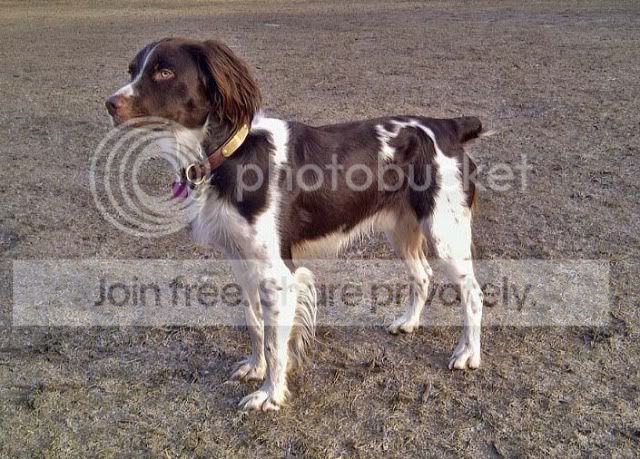
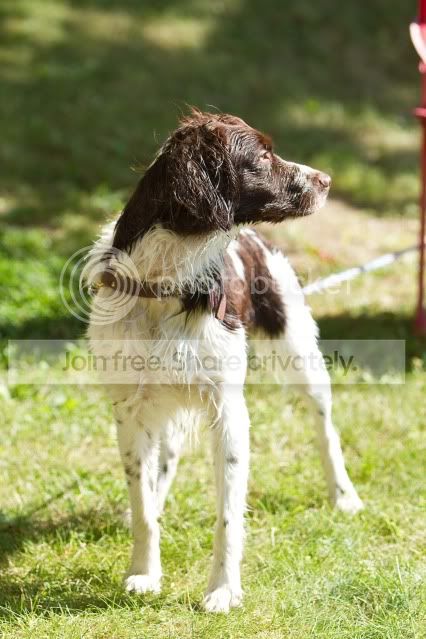
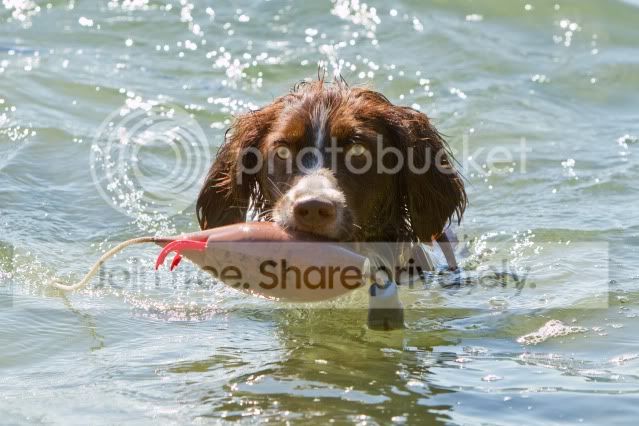
Any pics of the britts. I have two french

Here is one test done by others
Pattern results that compare two similar 1-ounce #7 ½ lead factory loads shot through 20-gauge and 12-gauge guns. They aren't exactly the same load (not sure how you could do that anyway), but close enough to show the patterning differences of the two gauges (these two guns anyway). The patterns are the average of five shots, 30" post-shot scribed circle, yardage taped muzzle to target, and the in-shell pellet count is the average of five shells.
20-gauge Browning Invector-plus w/ 28" barrel and Briley flush chokes
REM SURESHOT 1 oz #7 ½ lead (349 pellets) @ 1,165 fps
30 YARDS
CYL / 179 (51%)
SK / 221 (63%)
IC / 249 (71%)
12-gauge Browning Invector-plus w/ 28" barrel and Briley flush chokes
WIN AA XTR-LITE 1 oz #7 ½ lead (344 pellets) @ 1,180 fps
30 YARDS
CYL / 194 (56%)
SK / 248 (72%)
IC / 288 (84%)
In this pattern test, the larger 12 bore showed it was more “efficient” (about 5-10%) than the 20 bore. As you can see from the pattern numbers, it took an IC choke in the 20-gauge to match the performance level of the SK choke in the 12-gauge.
Many factors influence patterning, but I believe this patterning shows the general principle of larger bores being more “efficient” than smaller bores. However, the pellets may or may not be of the same quality (antimony content) which could affect patterning and allow the 12-gauge to shoot this particular load better than the 20-gauge.
In practical terms, the effectiveness exhibited with the same payload and shot size between 20- and 12-gauge bores would be insignificant as long as they were both choked properly to attain similar pattern numbers at the distance they were used. That said, it looks as though the larger bore can usually do that with less choke constriction.
This is interesting as you would think that with the pellets being stacked in the smaller barrel that the pattern would be tighter.
I purchased a 28ga and found the exact results as above when comparing to my 20s. I choke my 20s IMP x MOD for upland. After patterning the 28 I got the same pattern as my 20s using a MOD x FULL combination.
My little brain originally told me SK x IMP would be similar in the 28 but the patterns were too open. When I got it figured out I just assumed the measuring systems were different because they are different brands of gun.
I was using the same brand of ammo. Shot size and load weight were the same as well.
Any pics of the britts. I have two french
I only have the one, 18 mth old male.
http://www.perfectpedigrees.com/3genview.php?id=3772

patterns
Is your Bernardelli equipped with the selector as part of the trigger assembly? My Bernardelli Hemmingway 12 has a selector that is kind of like a paddle and a simple nudge is all that is needed to change from the right to left -- practised on three rounds of skeet with it and got the movement down pat. other than a dt this is the slickest I have seen.
I have numerious 12's, 16's, 20's and 28Ga in both SxS and O/U configurations of the side by's, my Bernardelli is my go to for upland --- in a O/U, I go to my Citori Feather in 16, 20 -- the Bernardelli and the Feathers weigh in the same.
You see I already own both 12 and 20 ( both Citori) and what I like about the 20 is how light it is to carry but I have come across a 26" SxS Bernadelli 12 that is as light as my 20 Citori. Fits like a glove and feels fabulous. The only issue is that it has a single non selective trigger and fixed C x IC chokes. This gun would be a close cover grouse/woodcock gun for hunting over my Brittany. I can also buy a CZ Bobwhite in 20 guage for half the price of the Bernadelli and would get trigger selection and chokes. My guess is the CZ is a heavier gun though, buy hey $1000.00 difference would fund other toys....
Is your Bernardelli equipped with the selector as part of the trigger assembly? My Bernardelli Hemmingway 12 has a selector that is kind of like a paddle and a simple nudge is all that is needed to change from the right to left -- practised on three rounds of skeet with it and got the movement down pat. other than a dt this is the slickest I have seen.
I have numerious 12's, 16's, 20's and 28Ga in both SxS and O/U configurations of the side by's, my Bernardelli is my go to for upland --- in a O/U, I go to my Citori Feather in 16, 20 -- the Bernardelli and the Feathers weigh in the same.
Is your Bernardelli equipped with the selector as part of the trigger assembly? My Bernardelli Hemmingway 12 has a selector that is kind of like a paddle and a simple nudge is all that is needed to change from the right to left -- practised on three rounds of skeet with it and got the movement down pat. other than a dt this is the slickest I have seen.
I have numerious 12's, 16's, 20's and 28Ga in both SxS and O/U configurations of the side by's, my Bernardelli is my go to for upland --- in a O/U, I go to my Citori Feather in 16, 20 -- the Bernardelli and the Feathers weigh in the same.
I didn't see any levers or switch type devices nor could you push the trigger forward like a set trigger. Other than that it's a sweet gun. Do you have a picture of your trigger selector mechanism?
I only have the one, 18 mth old male.
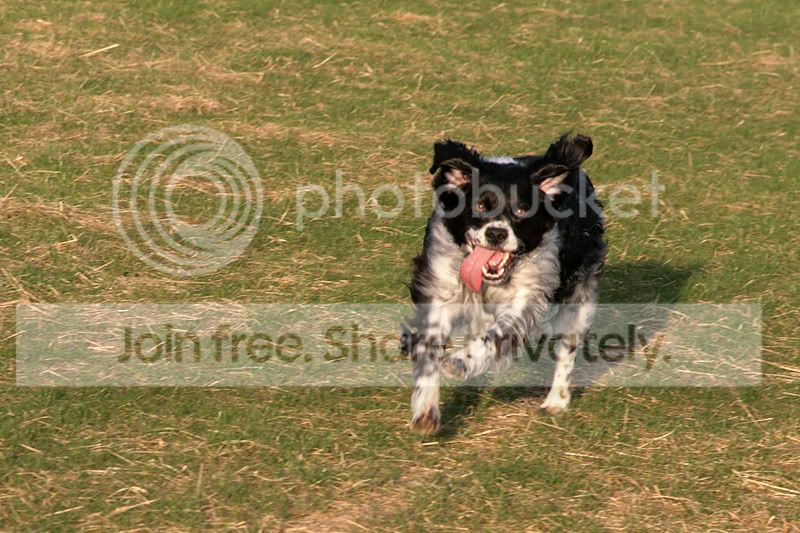
Very nice dog you have. My orange is 10 now wicked hunter hand, voice and whistle trained the black is 2 and just dam right a bad ass but getting there.

This is her 1st day out hunting this year could not get her to slow down unreal the energy

- Location
- Ft. Mac. Alberta
You see I already own both 12 and 20 ( both Citori) and what I like about the 20 is how light it is to carry but I have come across a 26" SxS Bernadelli 12 that is as light as my 20 Citori. Fits like a glove and feels fabulous. The only issue is that it has a single non selective trigger and fixed C x IC chokes. This gun would be a close cover grouse/woodcock gun for hunting over my Brittany. I can also buy a CZ Bobwhite in 20 guage for half the price of the Bernadelli and would get trigger selection and chokes. My guess is the CZ is a heavier gun though, buy hey $1000.00 difference would fund other toys....
I sold my Fausti in 28 gauge to a buddy who loves it .
it has screw in chokes with non selective barrels.
I sold it because Ii like straight stocks and this one was a POW grip, and my Ugartechea came in and had a straight stock.
Now, I had the chokes set for skeet, meaning I have the modified on the right barrel and the IC choke on the left, for the incoming bird .
I thought I had told Jim this, but I guess I hadn't - IIRC he shot about a 100 pheasants with the chokes set that way and didn't even notice!
I never gave it a second thought either, sometimes putting i a full and modified choke and reversing them , just to see how much difference it made.
NOTHING!! The only reason I missed birds was if i was behind them, NOT because I shot at them with the wrong choke!
I think we get too wrapped up in stuff like choke constrictions at times and forget about actually shooting properly.
However, if a person WANTS a gun with a selector, or lighter, or a different coloured wood....:>)
Cat
Last edited:

+1 what Cat said, above.
Allow me to suggest in all seriousness focus on selling furniture, sports equipment, lawn mower, etc. and not your other shotguns. It is imperitive you add the Bernadelli sxs to your O/U battery because it fits you and life is comparatively short.
At least that's how I see it, anyways.
Cheers,
F
Allow me to suggest in all seriousness focus on selling furniture, sports equipment, lawn mower, etc. and not your other shotguns. It is imperitive you add the Bernadelli sxs to your O/U battery because it fits you and life is comparatively short.
At least that's how I see it, anyways.
Cheers,
F
+1 what Cat said, above.
Allow me to suggest in all seriousness focus on selling furniture, sports equipment, lawn mower, etc. and not your other shotguns. It is imperitive you add the Bernadelli sxs to your O/U battery because it fits you and life is comparatively short.
At least that's how I see it, anyways.
Cheers,
F
I like the way you think but unfortunately I need to sell the 20 Citori to fund the SxS. I can replace a Citori easier than tracking down a lightweight 26" barrelled SxS with English stock.
- Location
- Ft. Mac. Alberta
We have some SERIOUS thread drift happenin' here, and I am not going to be left unexcused from helping out !!Pointing Griffon
[/IMG]

Tramp the Griffon and a Louie the GSP, accompanied by a couple of schmucks.
Cat






















