I have been a big fan of Mausers for a long time and when I go to the range with my K98k, I always get positive comments and interest on my rifle's when I fire them. (It beats any Lee Enfield in almost every category, except mag capacity) Then I also get the typical comments on how hard it is to find 8x57mm at a decent price in this country.
So, motivated by the need to shoot this famous combat rifle and due my wife’s meager ammo budget, I decided the best way for was to manufacture my own ammo. (And I enjoy doing so as well) So after fellow shooters at the range kept asking me where I got am ammo from, I decided to write up a little” how to” for 8x57mm fans. You don’t need to be a machinist. But you do need to have some tools outside of the typical reloading set up to manufacture your own 8x57mm Brass. A small interest in metal work would also be helpful.
Hunting season is my favourite time of year. The only thing I hunt for is 30/06 Brass at the range after the hunters have sighted their 30/06 rifle at our local 200 Yard range. This is what I use for the base cartridge. (Yes it’s free, and that’s most of the reason as well)
The steps are relatively easy.
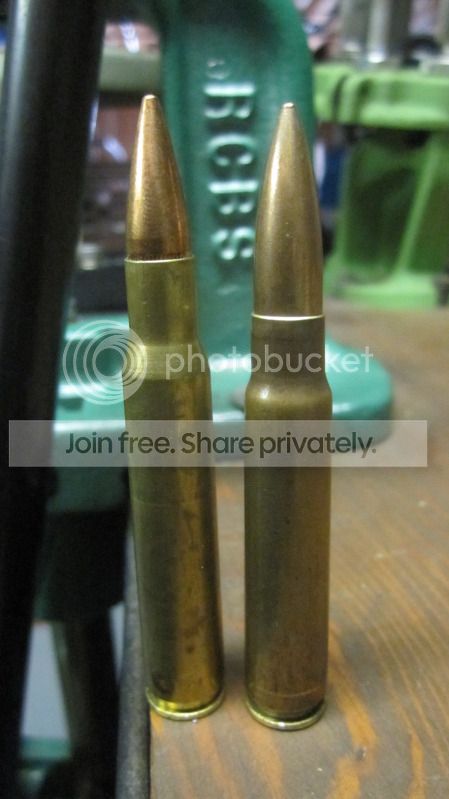
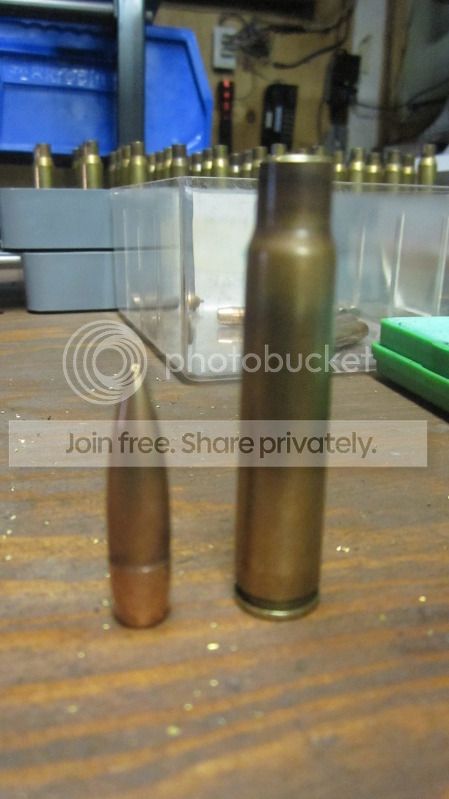
Here we have a picture comparison of the 30/06 and a 8x57mm remanufactured cartridge.
Step 1
Find some good 30/06 Brass, and clean them up. Set up your FL resizing die with out the decapping/expander assembly installed. Lubricate the cases on a case lube pad. Ensure you do not put excessive lube on the shoulder or the neck of the case. This reduces the chance that you might end up with a lube dent on the shoulder. Run the case through the die to set back the shoulder. You will end up with a funny looking elongated 30/06 case.
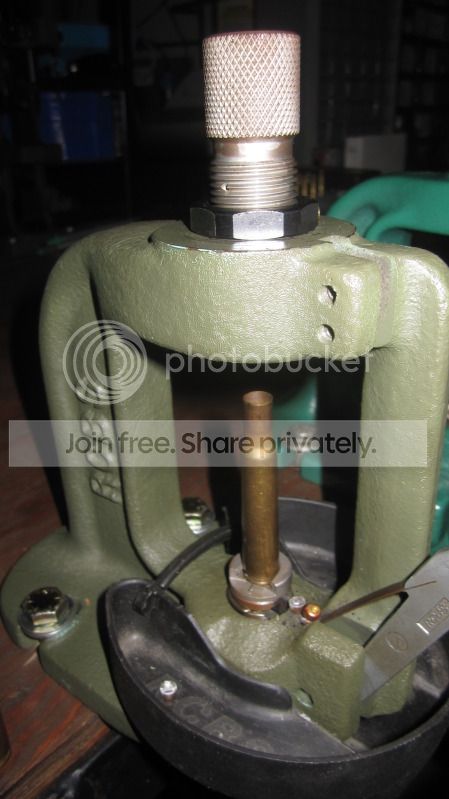
This is what the 30.06 case looks like after it has gone through the 8mm FL resize dies with the expander and decapping pin assembly removed.
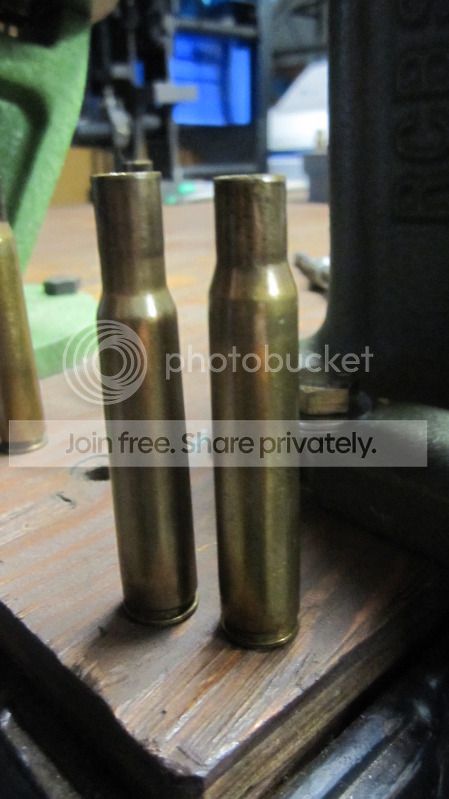
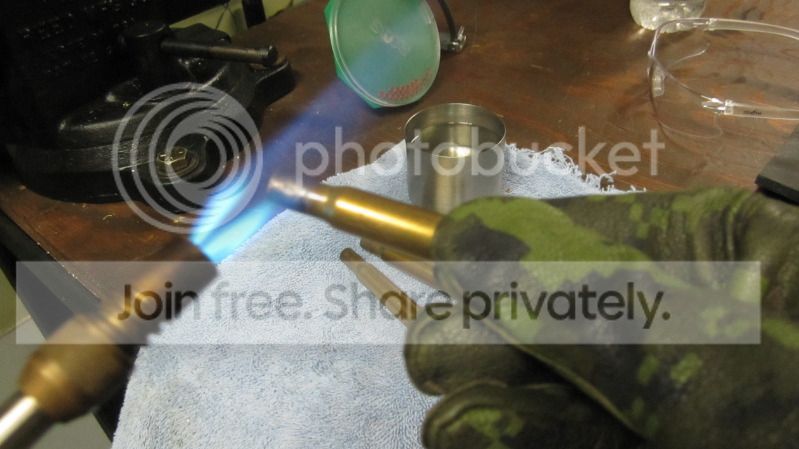
This is the point where I will anneal the case mouth and quench in water to make it softer to relieve the stress and prevent future splits. I heat the brass mouth up with a propane torch to the point where I can’t hold the case head with my fingers any longer without burning myself. (The tip will begin to turn red) Be careful not to over heat the brass. You want the case head to retain it’s harness and only the mouth and neck to be softer. This will greatly improve case life and add many neck sizeing reloading sessions.
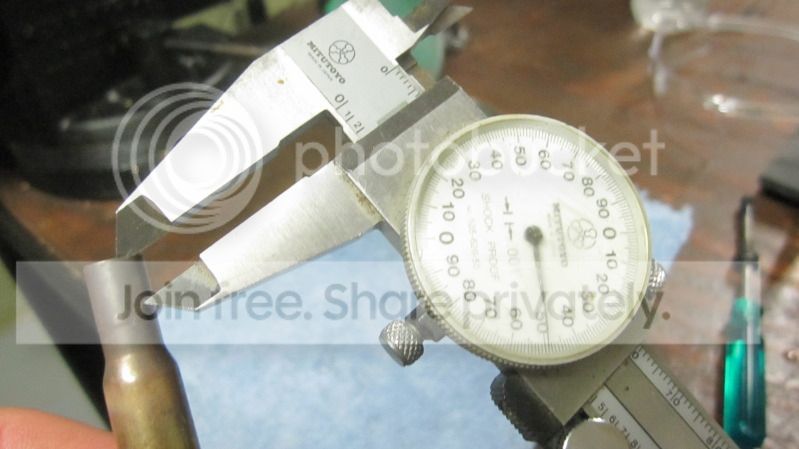
At this point, I will mark the cases with my vernier caliper .250 from the case mouth so I can cut off the extra brass.
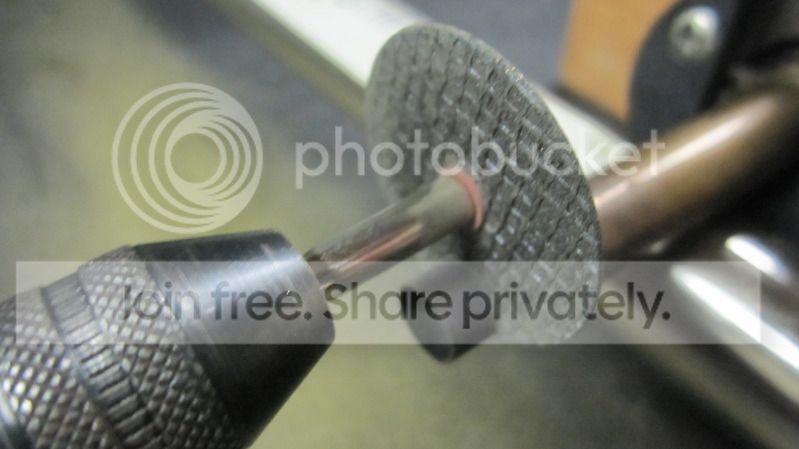
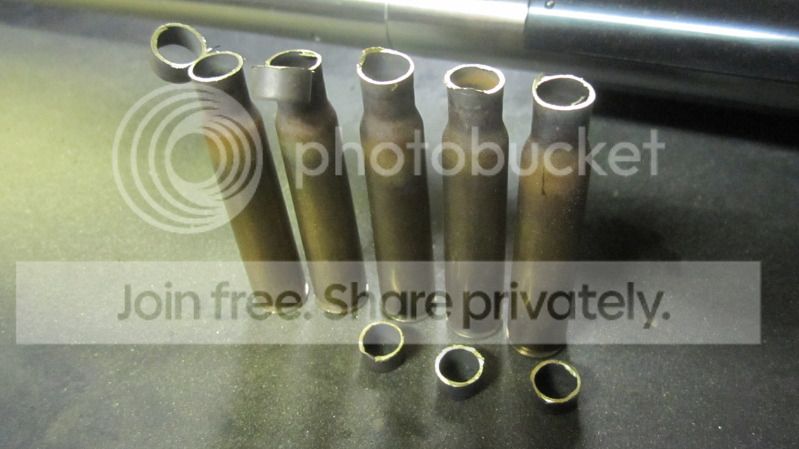
Using a small made up Jig, and my trusty Dremel tool, cut off the excessive neck brass. Don’t forget to wear safety glasses.
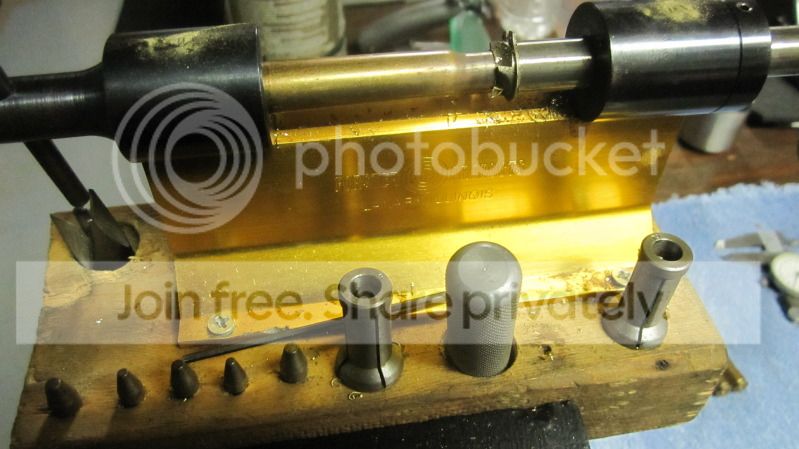
Install the cut off brass case into your trimmer, and trim and square off the mouth to 2.234. Leave it .004 longer than the maximum trim length, so when you expand the mouth to .323, the case comes out a perfect max trim length of 2.230 (Most of the time)
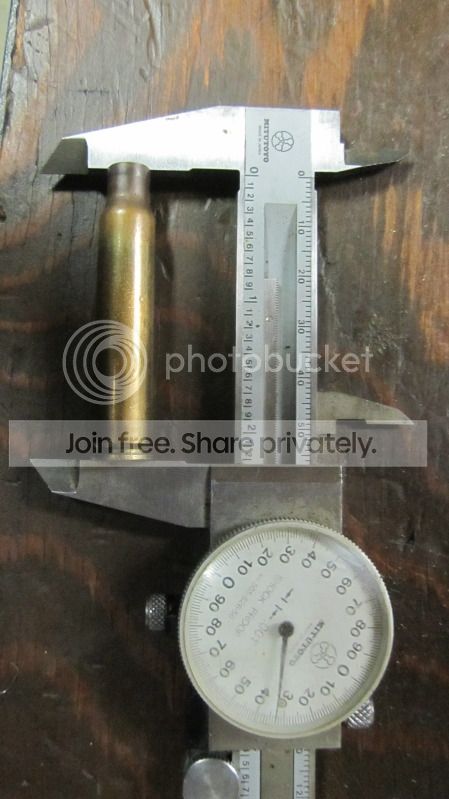
Deburr the outer and inner case mouth. (Don’t remove to much. A square inside diameter is desireable.
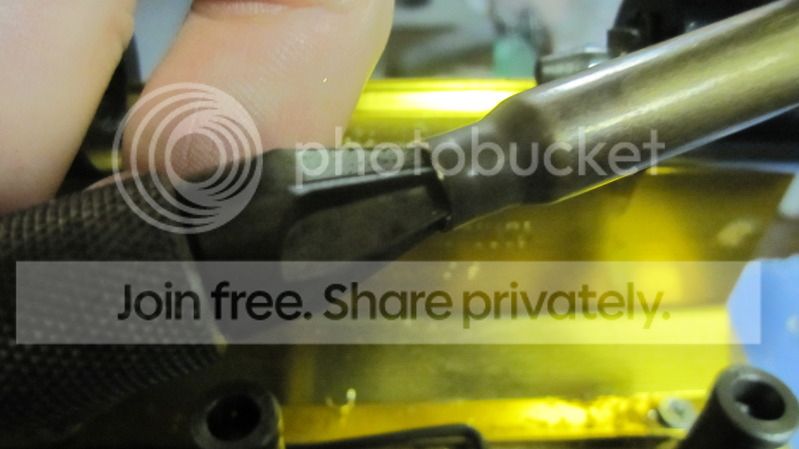
Clean the case mouth and remove and bits of brass that fell into the case from the machining process. Lubricate the case neck and mouth.
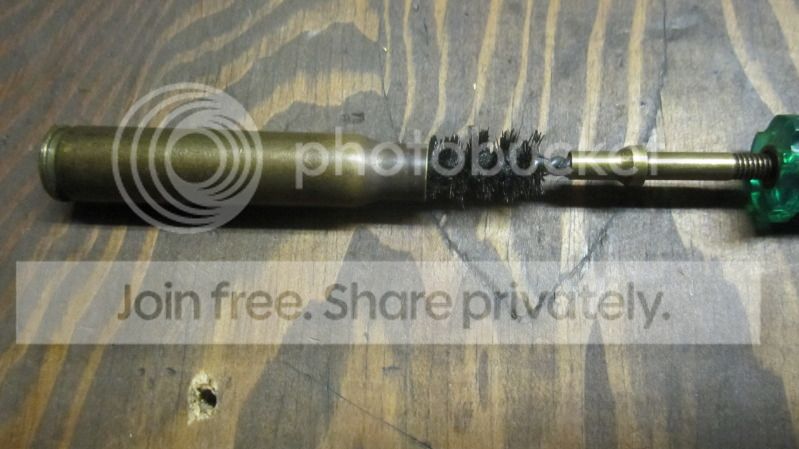
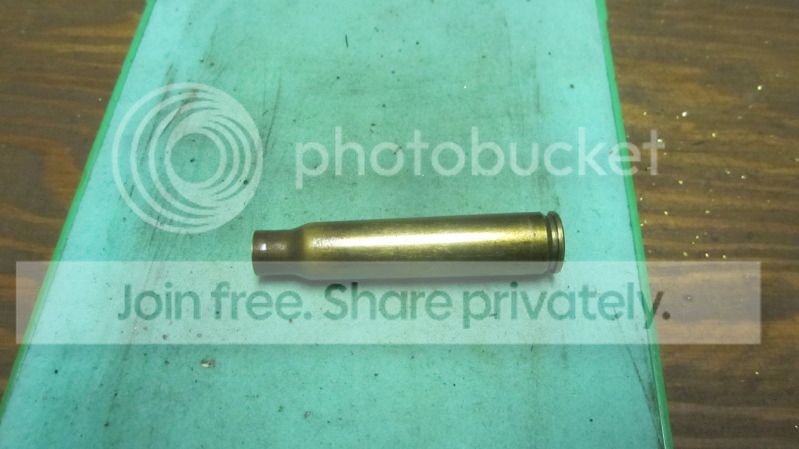
Install the expander and decapping pin assembly onto the FL sizing die, to a point where the decapping pin will remove the spent primer.
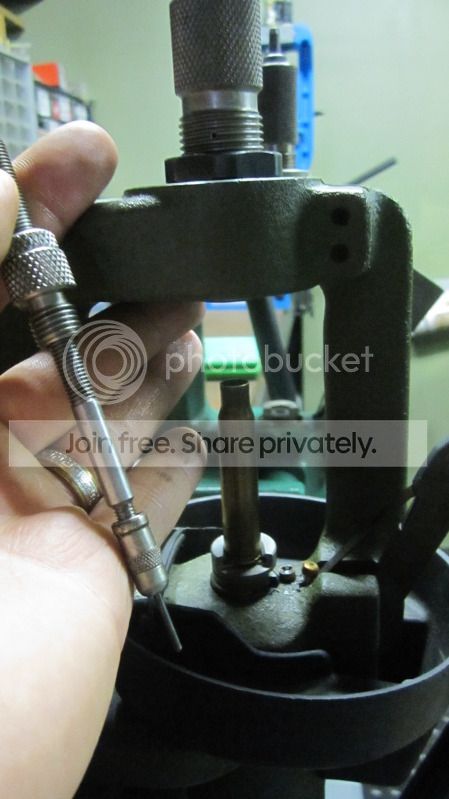
Run the case into the die, being “caseful” as this is where the expander ring is opening the case mouth from .308 to .323. You will feel a bit of resistance, but push on through! (This is where the lube comes in handy that you applied earlier) This is also where you should adjust your die to ensure proper chambering in the particular rifle you’re shooting this ammo in. Watch the spent primer fall out when the press bottoms out.
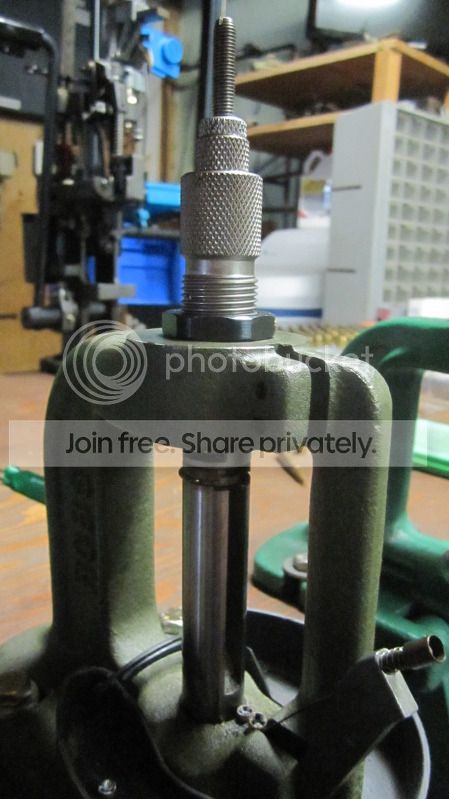
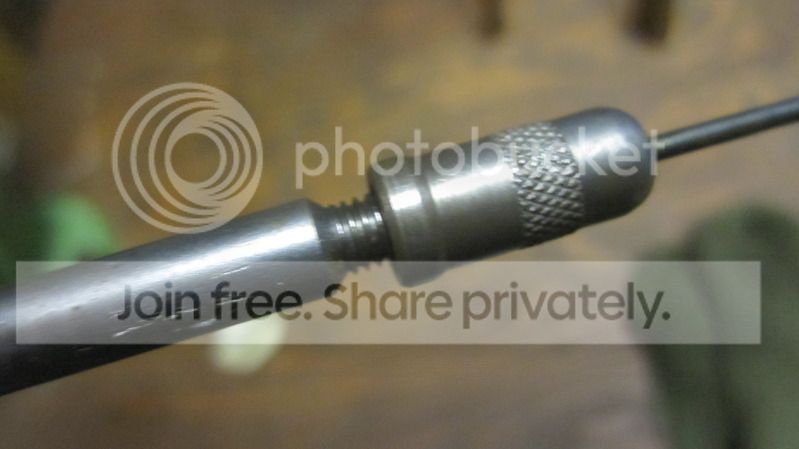
Expander and decapping pin.
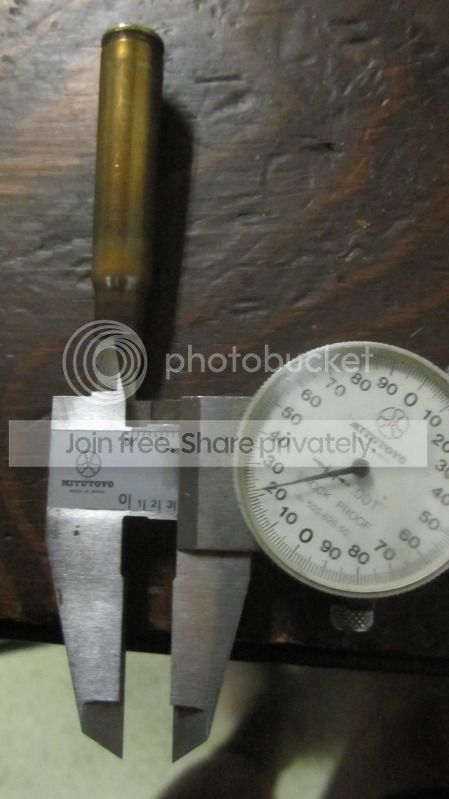
Check the mouth dimensions to ensure a .323 diameter.
This point is used if you’re using military brass like I am. You have to swage out the crimped in primer pocket, so a new primer will seat firmly. I use the Super swage by Dillon.
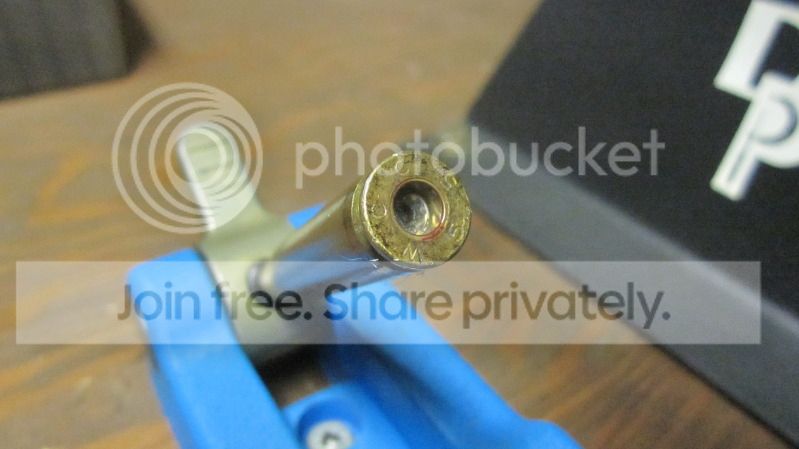
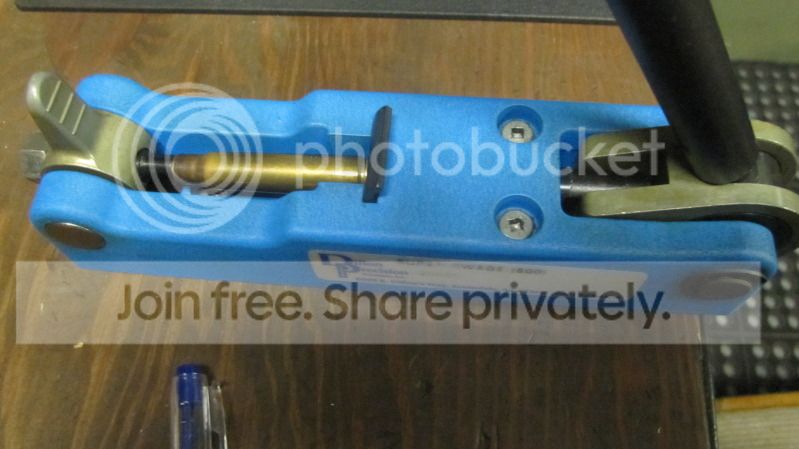
CLEANING CLEANING CLEANING. Clean out the primer residue from your newly swaged primer pocket using a small screw driver or equivalent
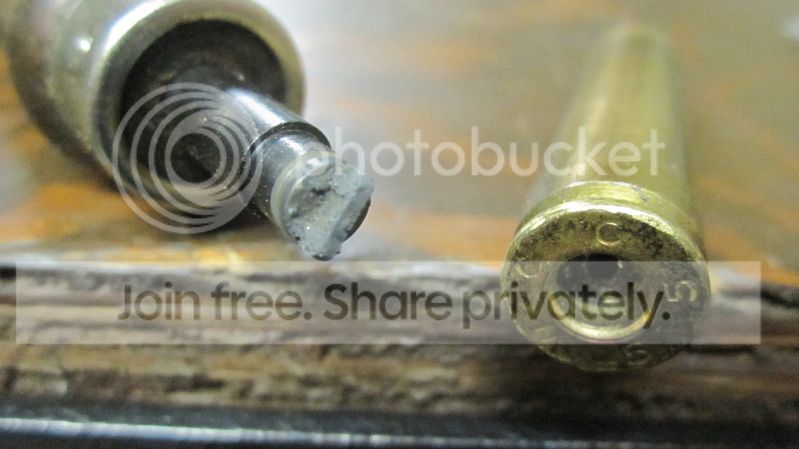
I also remove any burs from the inside case of the primer flash hole with the RCBS flash hole deburring tool. A quick twist, and the flash hole is precision uniform.
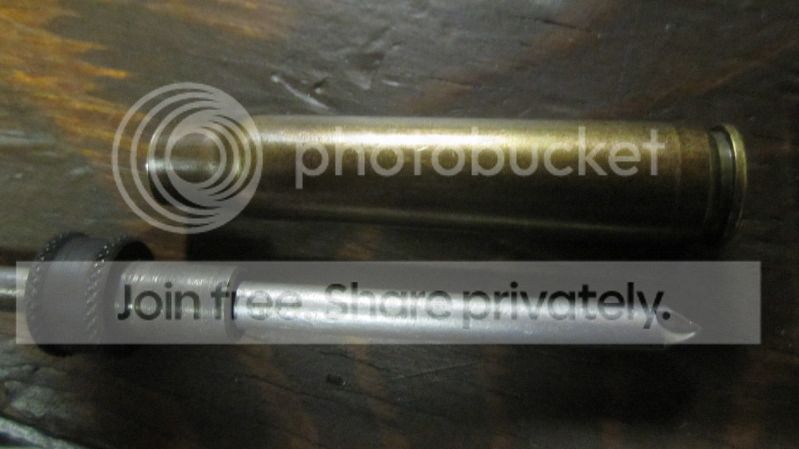
Another check of the OAL of 2.230
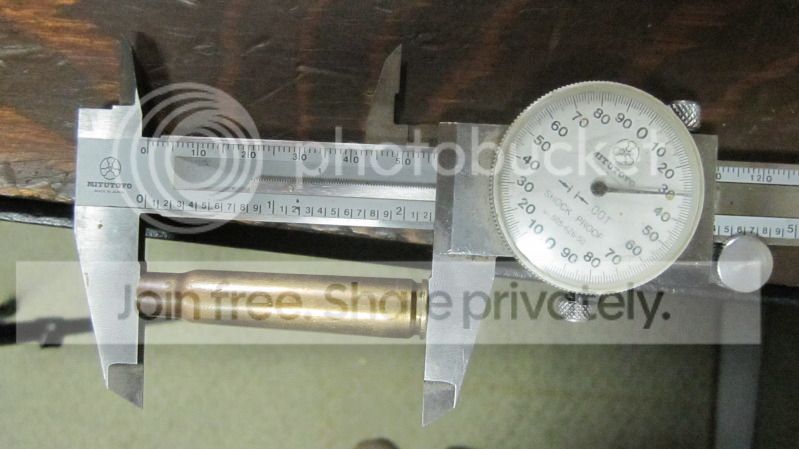
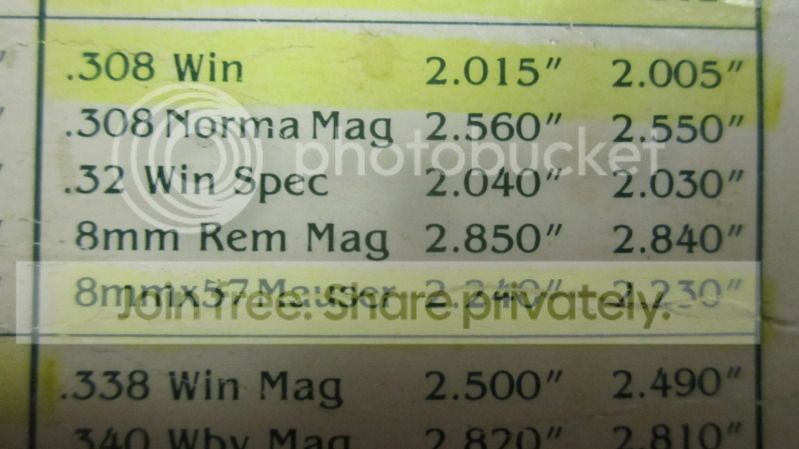
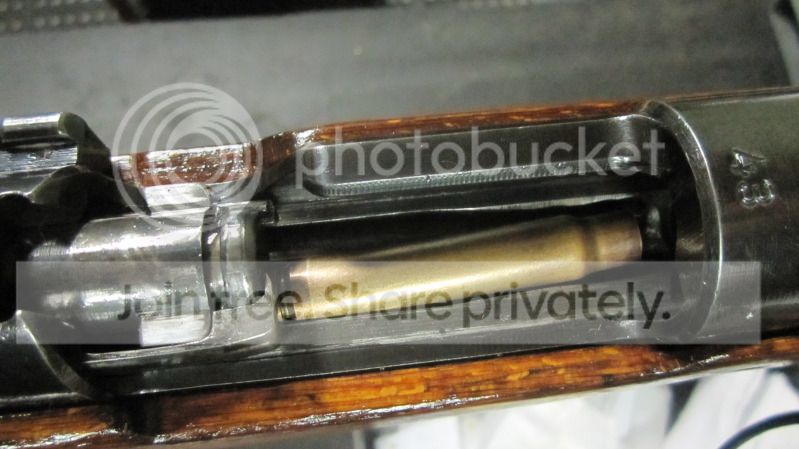
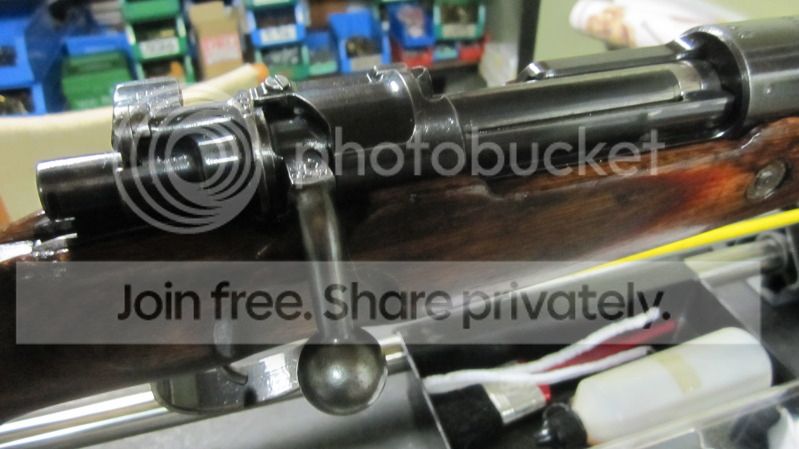
Run a few of the resized cases through the action you’re going to shoot them from, to ensure proper feeding and cycling. These cases needed a slightly firm pressure to lock the bolt down into battery. Be careful not to damage the case mouth, and guide the case into the chamber.
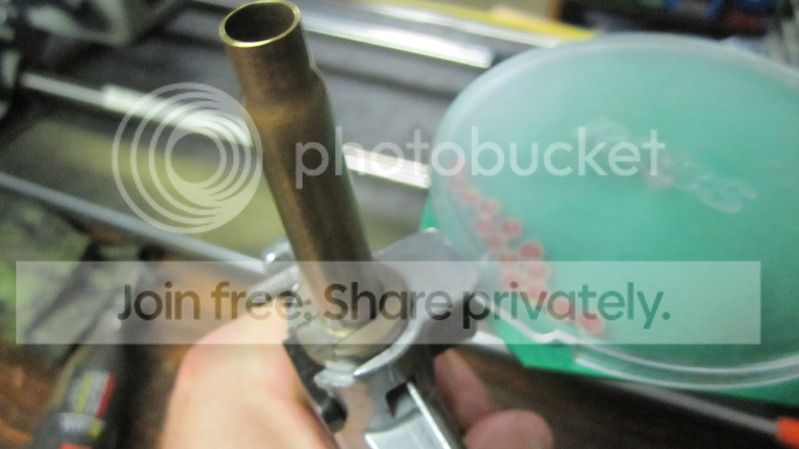
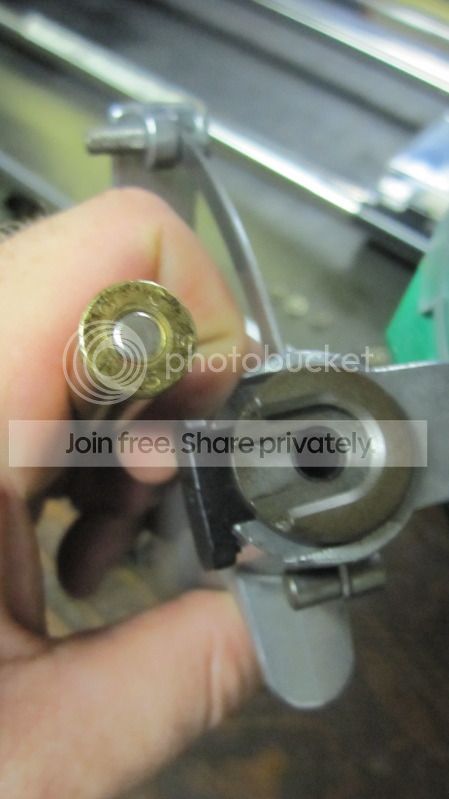
Time to prime the cases using the RCBS hand held priming tool. The swage was just right. The primers are held in firmly.
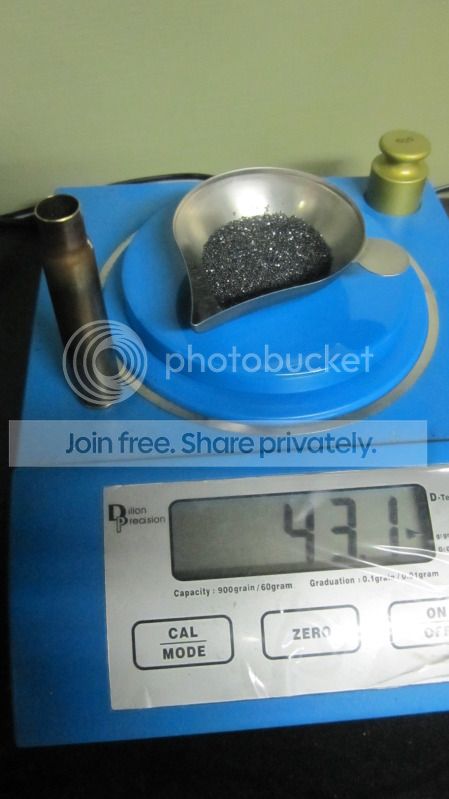
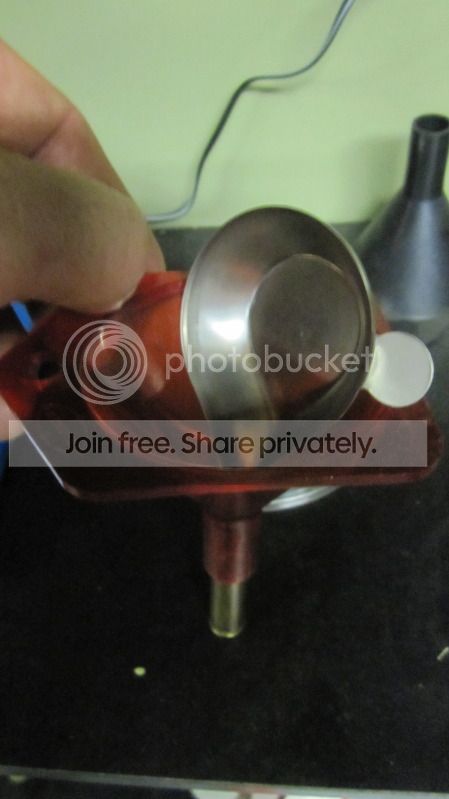
Getting just the right amount of powder to reach 2525 FPS for a 198 Grain FMJ bullet to duplicate the standard Military World War 2 Ball round.
Seating the bullet on the cannalure, and slightly crimping it in place. This is why the Overall length is so important during the trimming process.
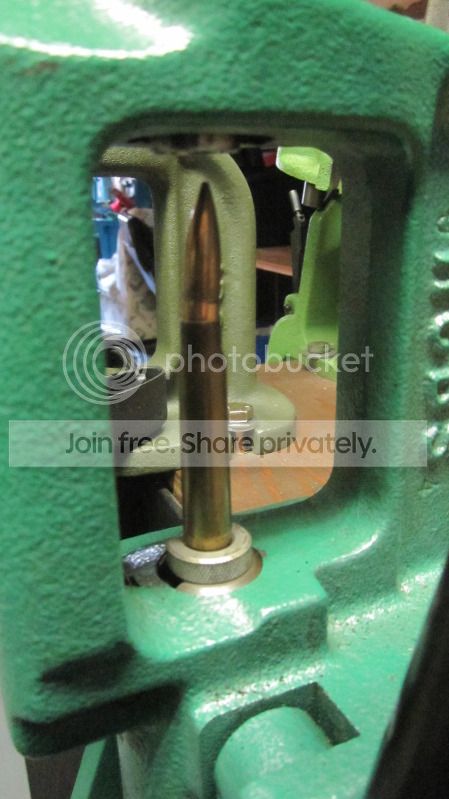
The completed cartridge.
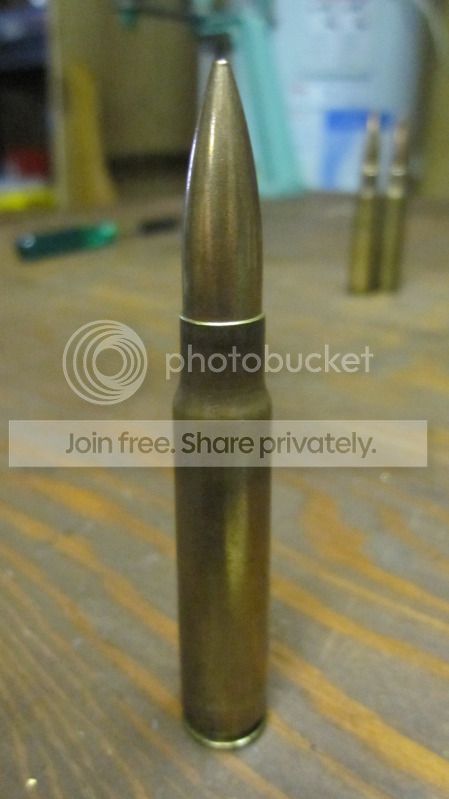
The original 30/06 on the left, and the remanufactured 30/06/8mmx57mm Mauser on the right.
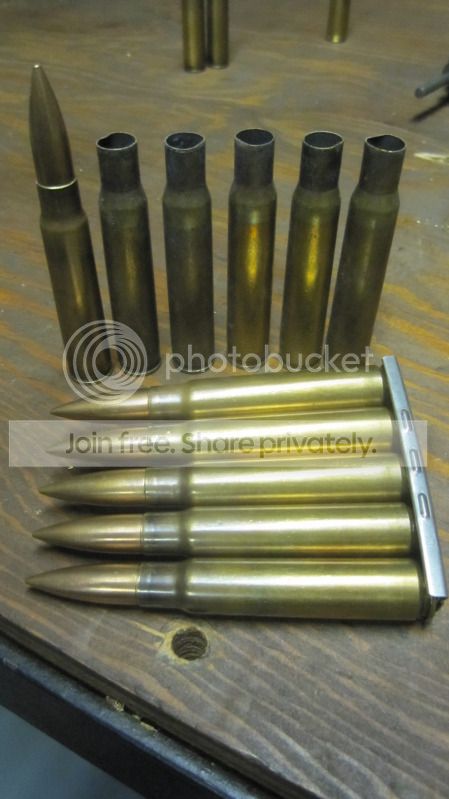
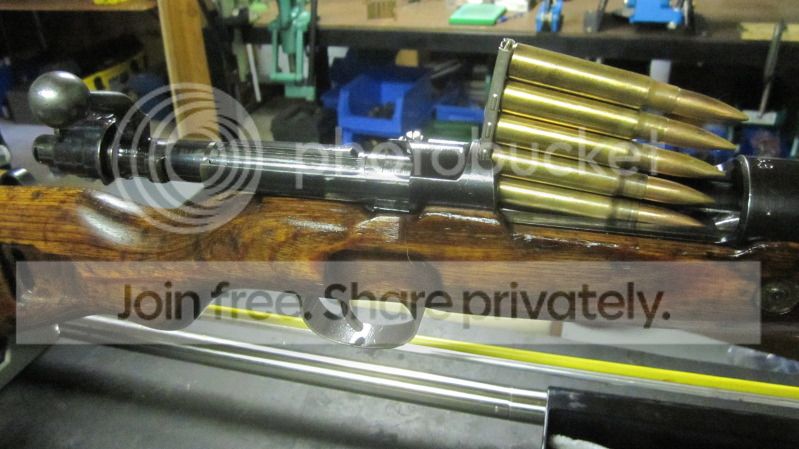
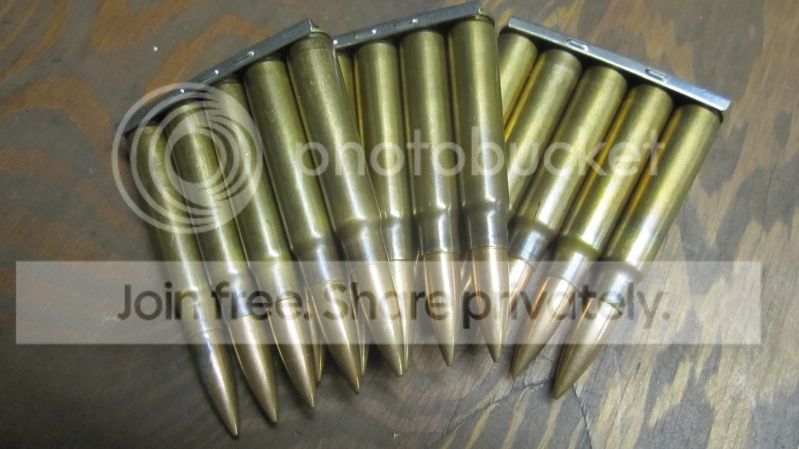
Some K98 Eye candy with locally manufactured ammo. Just as good as factory. Maybe even better....
Some guys might do some of the steps in a different order. This is just works for me. If you have any questions, feel free to ask.
Range test is next. Pics to follow when I have some time to get out to the range
Dutchie
So, motivated by the need to shoot this famous combat rifle and due my wife’s meager ammo budget, I decided the best way for was to manufacture my own ammo. (And I enjoy doing so as well) So after fellow shooters at the range kept asking me where I got am ammo from, I decided to write up a little” how to” for 8x57mm fans. You don’t need to be a machinist. But you do need to have some tools outside of the typical reloading set up to manufacture your own 8x57mm Brass. A small interest in metal work would also be helpful.
Hunting season is my favourite time of year. The only thing I hunt for is 30/06 Brass at the range after the hunters have sighted their 30/06 rifle at our local 200 Yard range. This is what I use for the base cartridge. (Yes it’s free, and that’s most of the reason as well)
The steps are relatively easy.
Here we have a picture comparison of the 30/06 and a 8x57mm remanufactured cartridge.
Step 1
Find some good 30/06 Brass, and clean them up. Set up your FL resizing die with out the decapping/expander assembly installed. Lubricate the cases on a case lube pad. Ensure you do not put excessive lube on the shoulder or the neck of the case. This reduces the chance that you might end up with a lube dent on the shoulder. Run the case through the die to set back the shoulder. You will end up with a funny looking elongated 30/06 case.
This is what the 30.06 case looks like after it has gone through the 8mm FL resize dies with the expander and decapping pin assembly removed.
This is the point where I will anneal the case mouth and quench in water to make it softer to relieve the stress and prevent future splits. I heat the brass mouth up with a propane torch to the point where I can’t hold the case head with my fingers any longer without burning myself. (The tip will begin to turn red) Be careful not to over heat the brass. You want the case head to retain it’s harness and only the mouth and neck to be softer. This will greatly improve case life and add many neck sizeing reloading sessions.
At this point, I will mark the cases with my vernier caliper .250 from the case mouth so I can cut off the extra brass.
Using a small made up Jig, and my trusty Dremel tool, cut off the excessive neck brass. Don’t forget to wear safety glasses.
Install the cut off brass case into your trimmer, and trim and square off the mouth to 2.234. Leave it .004 longer than the maximum trim length, so when you expand the mouth to .323, the case comes out a perfect max trim length of 2.230 (Most of the time)
Deburr the outer and inner case mouth. (Don’t remove to much. A square inside diameter is desireable.
Clean the case mouth and remove and bits of brass that fell into the case from the machining process. Lubricate the case neck and mouth.
Install the expander and decapping pin assembly onto the FL sizing die, to a point where the decapping pin will remove the spent primer.
Run the case into the die, being “caseful” as this is where the expander ring is opening the case mouth from .308 to .323. You will feel a bit of resistance, but push on through! (This is where the lube comes in handy that you applied earlier) This is also where you should adjust your die to ensure proper chambering in the particular rifle you’re shooting this ammo in. Watch the spent primer fall out when the press bottoms out.
Expander and decapping pin.
Check the mouth dimensions to ensure a .323 diameter.
This point is used if you’re using military brass like I am. You have to swage out the crimped in primer pocket, so a new primer will seat firmly. I use the Super swage by Dillon.
CLEANING CLEANING CLEANING. Clean out the primer residue from your newly swaged primer pocket using a small screw driver or equivalent
I also remove any burs from the inside case of the primer flash hole with the RCBS flash hole deburring tool. A quick twist, and the flash hole is precision uniform.
Another check of the OAL of 2.230
Run a few of the resized cases through the action you’re going to shoot them from, to ensure proper feeding and cycling. These cases needed a slightly firm pressure to lock the bolt down into battery. Be careful not to damage the case mouth, and guide the case into the chamber.
Time to prime the cases using the RCBS hand held priming tool. The swage was just right. The primers are held in firmly.
Getting just the right amount of powder to reach 2525 FPS for a 198 Grain FMJ bullet to duplicate the standard Military World War 2 Ball round.
Seating the bullet on the cannalure, and slightly crimping it in place. This is why the Overall length is so important during the trimming process.
The completed cartridge.
The original 30/06 on the left, and the remanufactured 30/06/8mmx57mm Mauser on the right.
Some K98 Eye candy with locally manufactured ammo. Just as good as factory. Maybe even better....
Some guys might do some of the steps in a different order. This is just works for me. If you have any questions, feel free to ask.
Range test is next. Pics to follow when I have some time to get out to the range
Dutchie
Last edited: