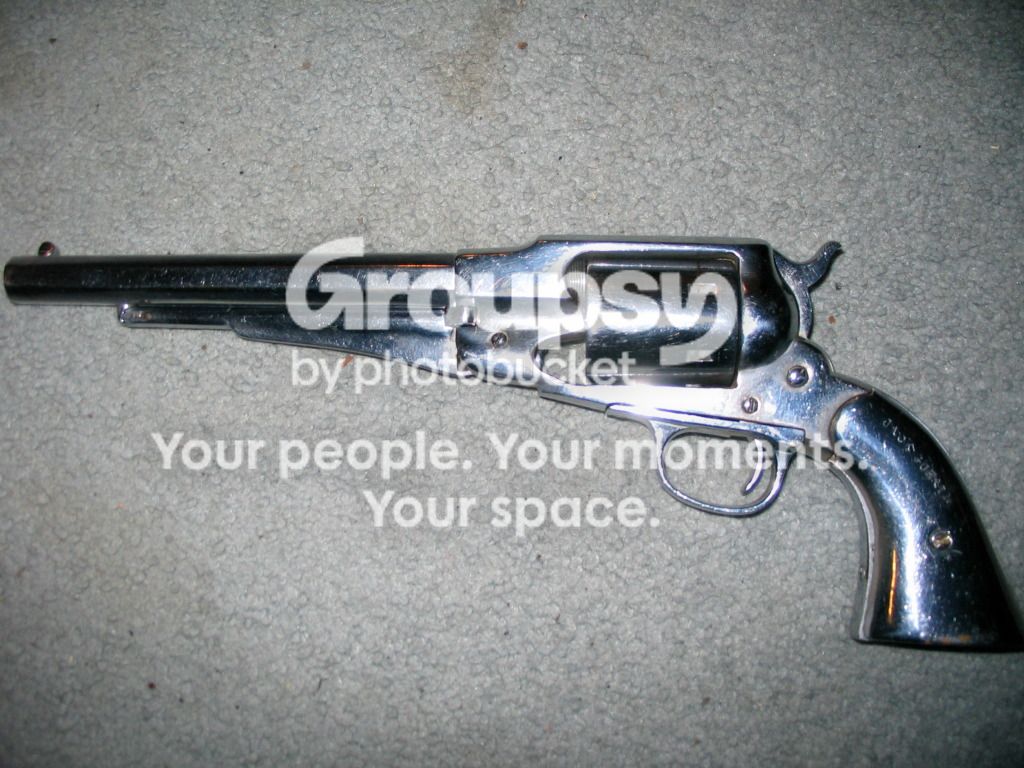
Butchered Remington 1858

tactical870

CGN Ultra frequent flyer
Rating - 100%
136   0   0
I need a little advice on what to do with a remington 1858 I picked up last night. This gun has been converted to a cartridge gun, had cast bronze grips installed, then been chromed. Although the frame and bore are very good, the internal springs have been replaced over the years and the trigger and hammer have been worn from years of dry firing. The entire gun has been chromed, and the cylinder is showing slight cracking between cylinders. I'd like to hear any opinions on what I should to save this old gun....
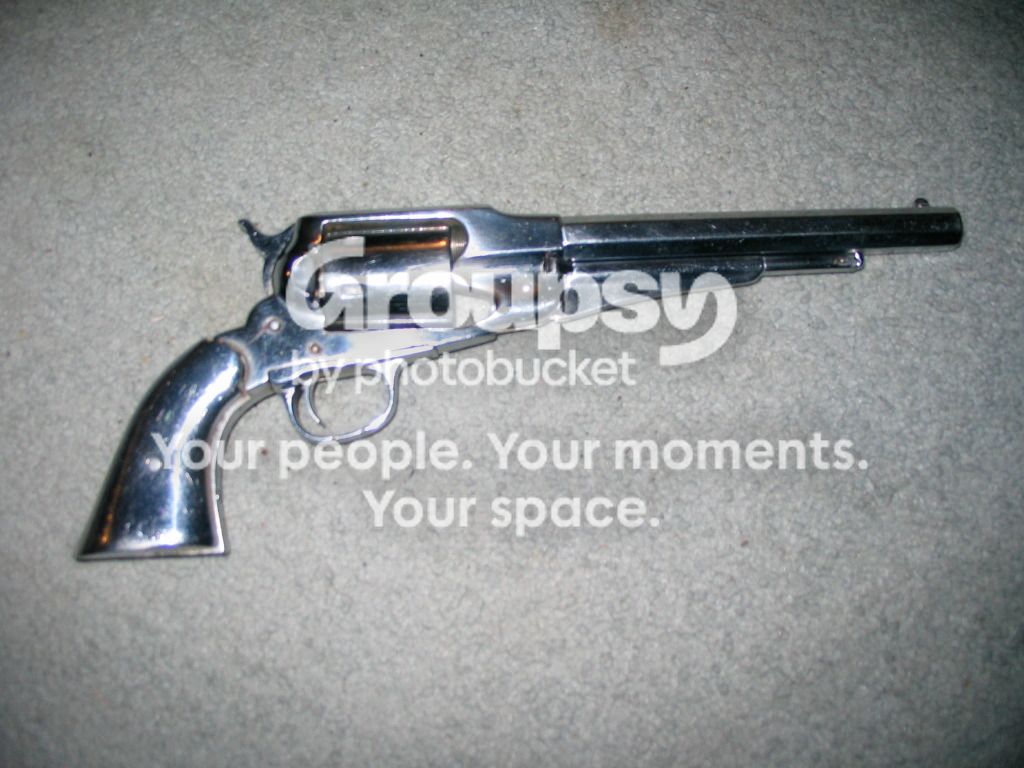
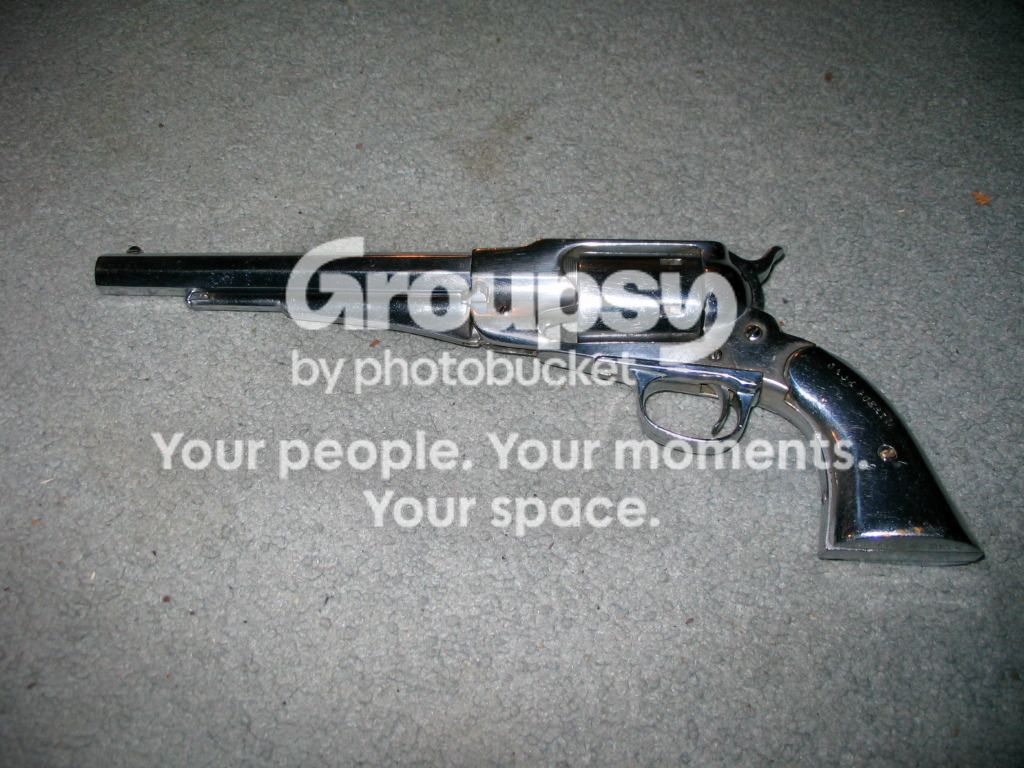
IMG_2114.jpg


IMG_2113.jpg


IMG_2112.jpg
 
I understand that chrome can be deplated, along with the copper substrate.
Probably come up as clean grey steel. Perhaps a "patina" could be created.
 
I have no issues with bluing it. I'd actually love to hot blue it and bring its original looks back. I'm more concerned about where I'd find parts for it and what to do about the hairline cracks in the cylinder. I considered sleeving it to 38 spl as I have a spare sleeve here though.....
 
I have no issues with bluing it. I'd actually love to hot blue it and bring its original looks back. I'm more concerned about where I'd find parts for it and what to do about the hairline cracks in the cylinder. I considered sleeving it to 38 spl as I have a spare sleeve here though.....

id get a new cylinder or line it to something with alot of meat left in the liner
 
I would check the cylinder from an existing Pietta copy first before laying out any money. I know that an italian navy colt cylinder will not fit an original Colt. The cylinder pins are different diameters. I would be inclined to check with Dlask and have him duplicate your damaged cylinder. I would also be inclined to leave the gun as a cartridge conversion in part because it sounds far more interesting than a percussion gun

cheers mooncoon
 
Are the cracks in the cylinder in the cylinder itself or perhaps just the chrome plating?
 
I would check the cylinder from an existing Pietta copy first before laying out any money. I know that an italian navy colt cylinder will not fit an original Colt. The cylinder pins are different diameters. I would be inclined to check with Dlask and have him duplicate your damaged cylinder. I would also be inclined to leave the gun as a cartridge conversion in part because it sounds far more interesting than a percussion gun

cheers mooncoon

I have a lead on a couple of repros in pieces to try and fit individual parts. The frame was altered when the cartridge conversion was done so I would not want to attempt to put it back to percussion. I'll look into replacing or

Are the cracks in the cylinder in the cylinder itself or perhaps just the chrome plating?

The cracks are visible and can be felt on the unchromed chamber walls. I find it very odd, but it's definitely there. Amazingly uniform cracking on all chambers too.
 
I have repaired a number of these old reliables over the past 4 years and found Dixie Gun Works a good reliable source of most parts for original guns. Their catalogue shows cyl with nipples at reasonable price .They also ship to Canada with no problems. Have had some parts held at customs while they head scratched over what they were for but they did make it through. Cheers
 
The cracks are visible and can be felt on the unchromed chamber walls. I find it very odd, but it's definitely there. Amazingly uniform cracking on all chambers too.

That is probably why it got chrome plated. Like as not, it was given to some real lucky kid as a plaything. I have seen a Colt SAA that got the same treatment, for that exact reason. Too worn out to be worth bothering with, at the time, and not a risk to be seen with, as common sense said that kids running wild, playing cowboys and indians, was not cause to send out the SWAT team.

If the cylinder is cracked, it's a write-off for about anything other than maybe a rimfire conversion (22 Mag, 17 HMR, etc.) IMO. The Kirst converter, if it is long enough, may be an option too.
Some measuring of parts is gonna have to be done to get a true idea of how the renovations should go.

Cool project!

Cheers
Trev
 
That is probably why it got chrome plated. Like as not, it was given to some real lucky kid as a plaything. I have seen a Colt SAA that got the same treatment, for that exact reason. Too worn out to be worth bothering with, at the time, and not a risk to be seen with, as common sense said that kids running wild, playing cowboys and indians, was not cause to send out the SWAT team.

If the cylinder is cracked, it's a write-off for about anything other than maybe a rimfire conversion (22 Mag, 17 HMR, etc.) IMO. The Kirst converter, if it is long enough, may be an option too.
Some measuring of parts is gonna have to be done to get a true idea of how the renovations should go.

Cool project!

Cheers
Trev

if its already converted to center fire id convert it to .25 acp
 
Looking at the cylinder, it's either a replacement cartridge cylinder, or it's been welded up and machine to take cartridges. What does the hammer look like. From the pictures, it looks like you could put a percussion cylinder right back in it, and as long as the hammer strikes the nipples it should work. Most of the modern conversions use a shortened cylinder and a firing pin plate attached to the frame (Kirst style), not there on yours. Might be easier to put back to original spec that first thought.

Brin
 
I have a lead on a couple of repros in pieces to try and fit individual parts. The frame was altered when the cartridge conversion was done so I would not want to attempt to put it back to percussion. I'll look into replacing or


The cracks are visible and can be felt on the unchromed chamber walls. I find it very odd, but it's definitely there. Amazingly uniform cracking on all chambers too.

The crack runs around the cylinder? through or near the locking bolt recesses?

If so that is where the cylinder was converted from percussion into cartridge.

They milled off the nipples and silver? soldered on a cylinder extention.

The reason you can see it is probably that the plating process started it's seperation. If it starts rusting between the joint it could be significantly weakened.

If you are shooting light BP loads it may be fine.

It is probably chambered in .46 rimfire.

It was converted under license of the "rolin white" patent, probably either at the Smith and Wesson or Remington factories.

You can probably drop a replacement percussion cylinder in without any other issues. During the early 1870's remington did offer convertable revolvers with both a percussion and cartridge cylinder.
 
Back
Top Bottom