












































You are using an out of date browser. It may not display this or other websites correctly.
You should upgrade or use an alternative browser.
You should upgrade or use an alternative browser.
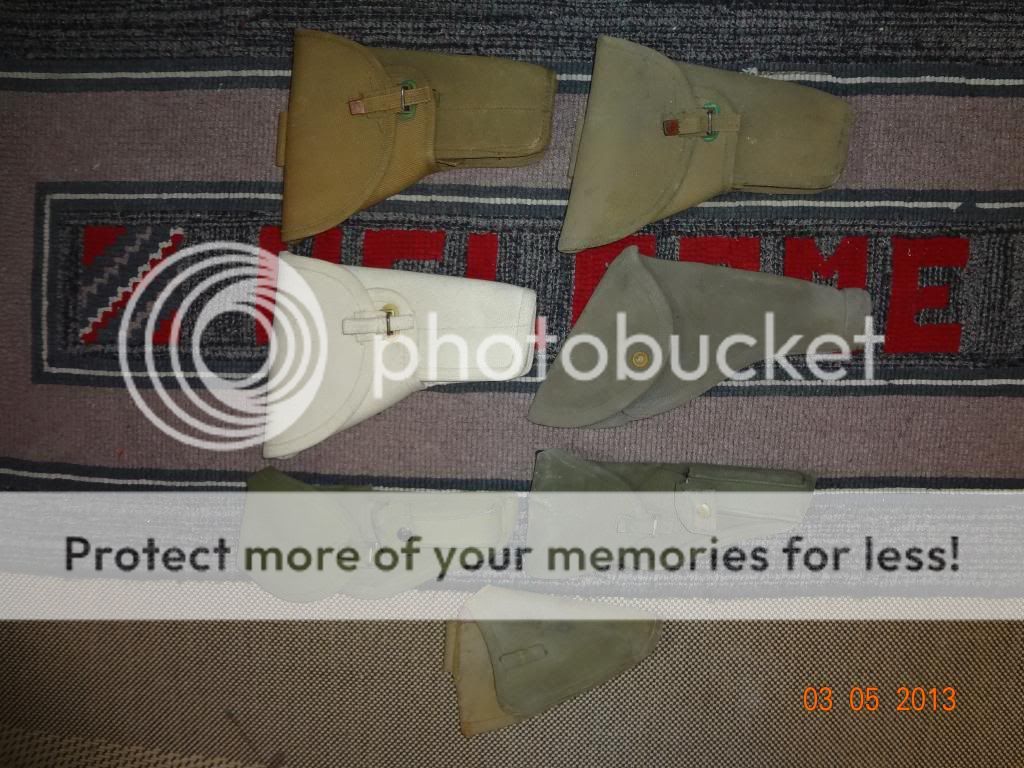
found my grandfathers WWII canadian militrary pistol holsters in a box. any value?
- Thread starter jaygt
- Start date

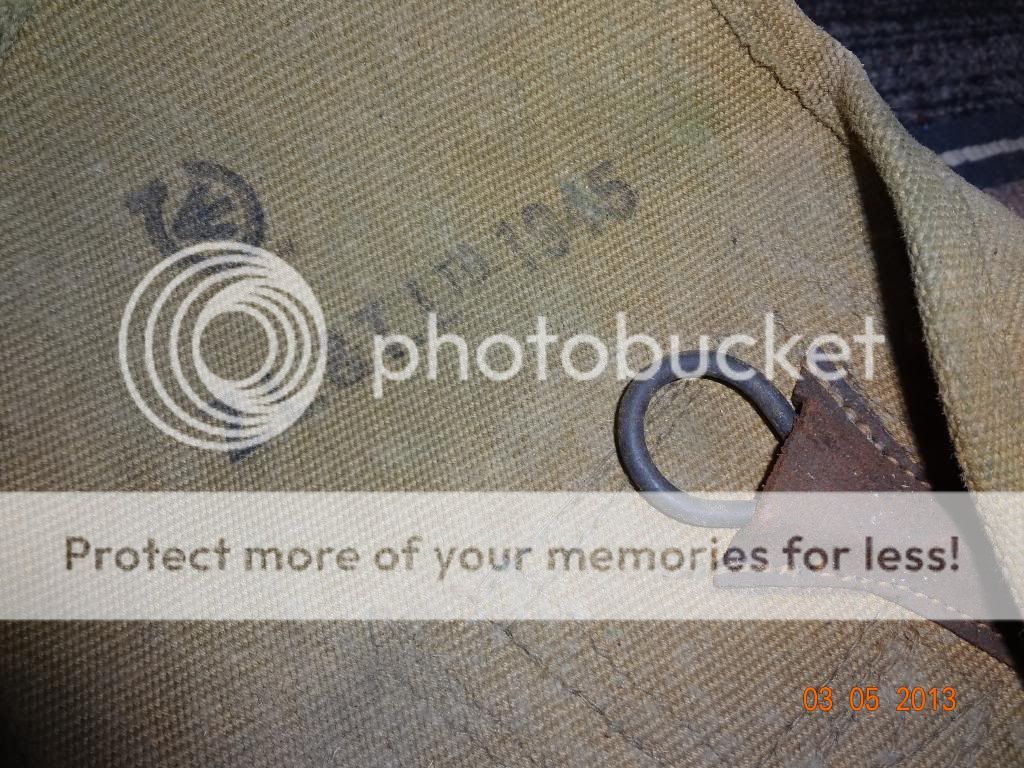
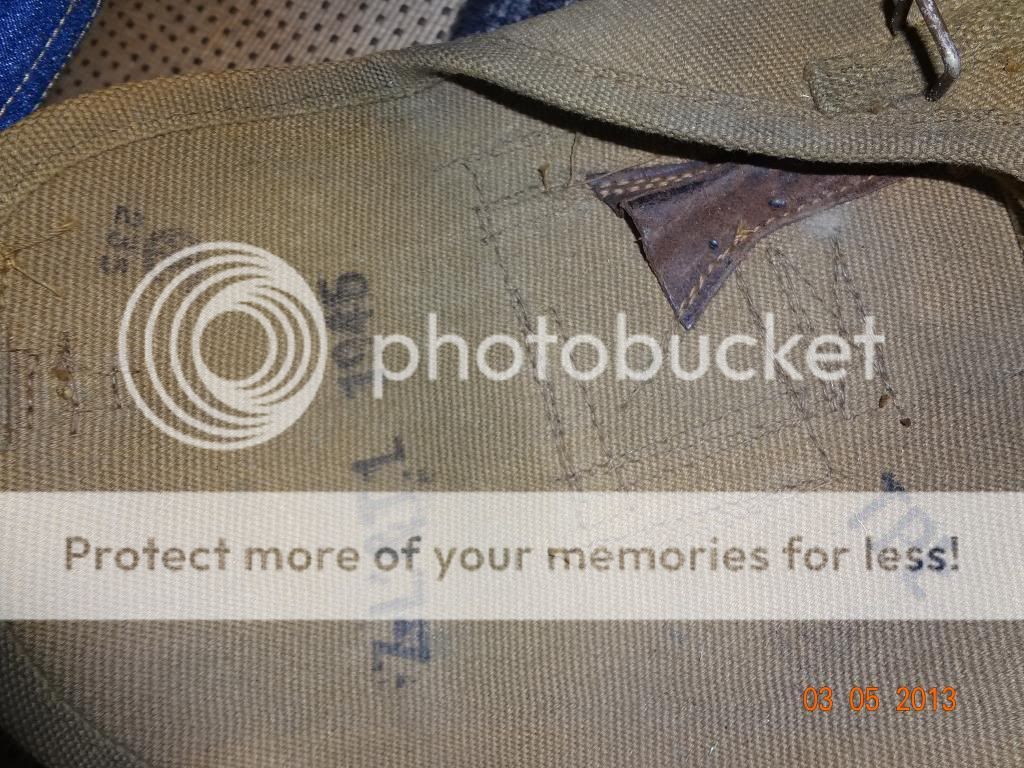




Value is relative to what somebody will pay, and how bad they want it. 1945 dated seems to be less desirable than 1944 or 1943, seems like guys want items that MAY have been to Juno Beach on D-day, and 1945 was well after the action, and these may not have even been issued during the war.
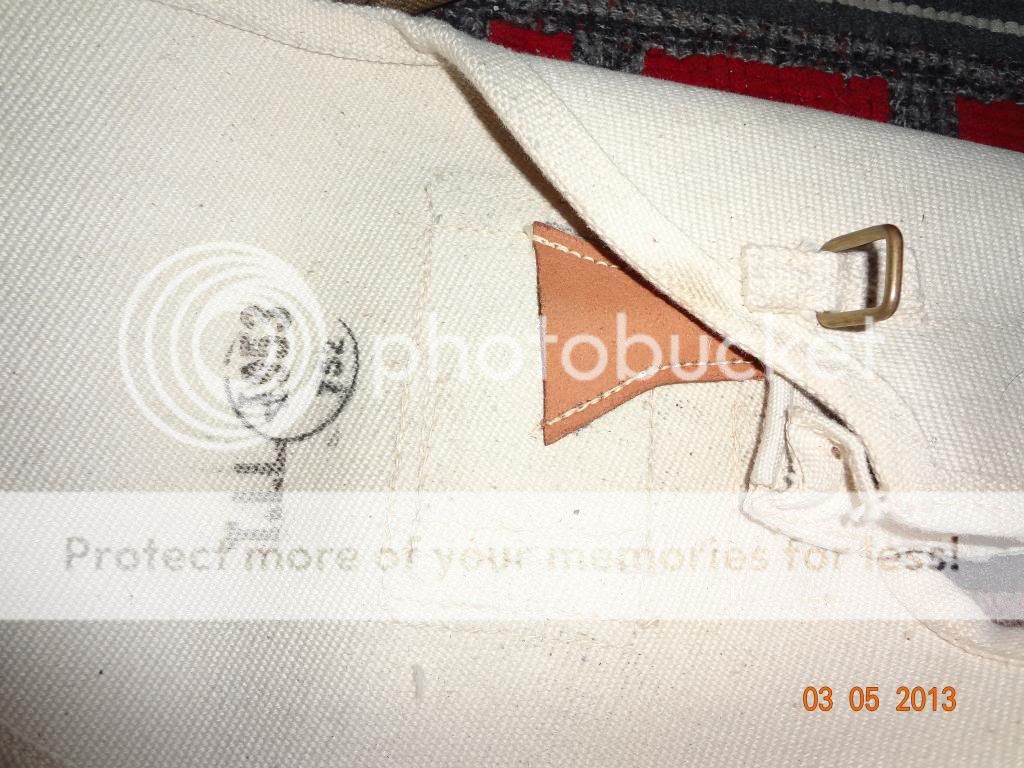
Z L & T was Zephyr Loom and Textiles Ltd, Canadian maker of web gear during WW2 (Toronto I think). The grayish one looks like MS&U (Montreal Suspenders and Umbrella Ltd) They would probably be worth $15-25 each in my opinion.
Z L & T was Zephyr Loom and Textiles Ltd, Canadian maker of web gear during WW2 (Toronto I think). The grayish one looks like MS&U (Montreal Suspenders and Umbrella Ltd) They would probably be worth $15-25 each in my opinion.

THe first one on the top left is a pattern 37 hoslter for the Browning Hi Power. Judging by the condition and given the markings are intact I would say its worth 25$-30$. The next one down judging by your pictures is a post war pattern 37 Browning Hi Power holster. I would value it at 30$-40$. Next one down looks like a pattern 51 holster. Judging by its condition in the photo and assuming the markings are intact I would say it worth 20$-25$. The on the top right is a pattern 37 Browning Hi Power holster. Judging by your photo it appears to be in poorer condition than the one opposite it. Given that its marking are intact I estimate its worth at 15$-20$. Below that you have a pattern 37 large frame revolver holster, and judging by its colour its RCAF issue. Judging the condition by your photo and assuming the markings are intact I would say its worth 10$-15$. Below that you have another pattern 51 holster. Its condition appears to be poorer than the other one you have. I would estimate its worth at 15$. I'm unsure what the very bottom one is but I would say its value is near 0$. If you have the correct cleaning rod for any of these holsters you could probably safely add 10 more dollars. These estimated values are based on what I have seen in the Militaria market in the last few years, keep in mind that what it might be worth and what someone will pay for it are to very different things.

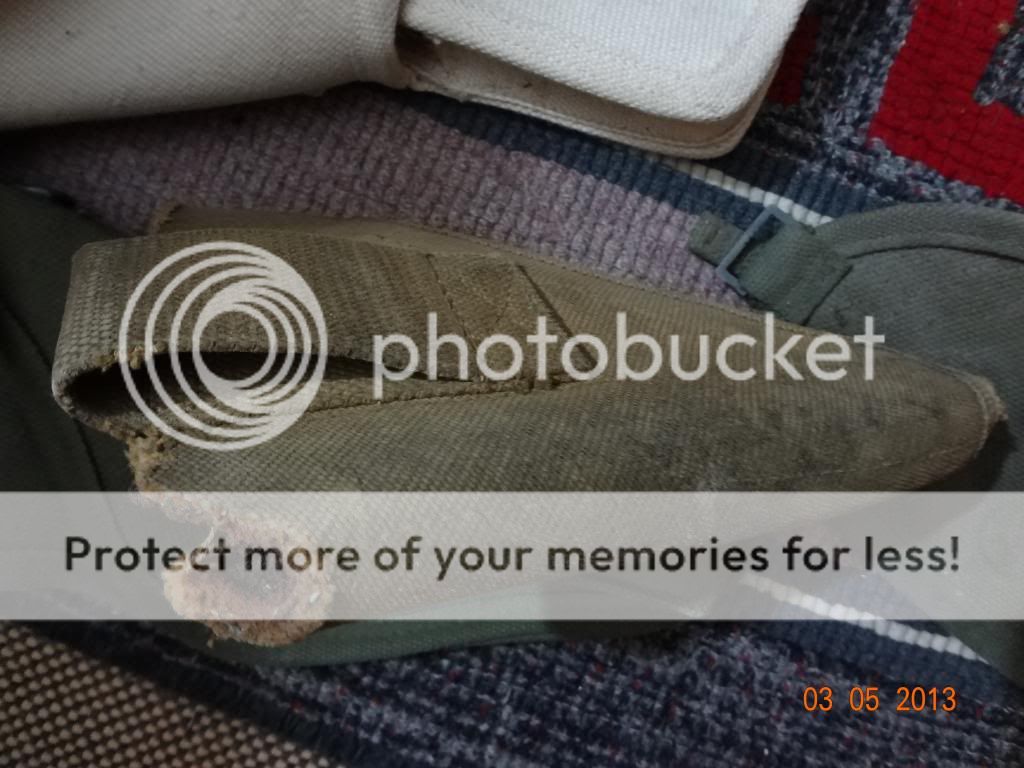
That last holster seems to be the sad remnants of a 1st pattern Inglis holster. In good condition I believe it would have been approx $100.
It's an interesting modification. I'm trying to think if I've ever seen any like this during WWII but I think the pistol would fall out pretty easily.
-Steve

It's an interesting modification. I'm trying to think if I've ever seen any like this during WWII but I think the pistol would fall out pretty easily.
So much of the flap and body has been removed from that holster, I suspect someone was trying to make a cheap "tactical shooting" holster, so to speak ....
This is what the holster should look like, by the way -


This first pattern inglis holster was apparently manufactured to specs supplied by China, and was relatively unpopular with our people because it was really too small for the flap to easily close over a holstered pistol. (My own personal theory is that the Chinese specifications were off because the Canadian-manufactured webbing fabric was likely thicker and tighter-woven than they were used to ....) With some working and use, they will loosen up a bit so that the flap can be closed and fastened with little effort ....
Anyway, there are a number of WWII photographs which show Canadian military personnel using these holsters with the flap tucked back under the belt, or at least left unfastened, to avoid having to struggle with it .....


Nice shots of the fully intact holster in use, with flap folded.
There are, of course, other photos showing this type of holster in use, with the flap closed and fastened.
Everything I have read about the timing of the official adoption of the No. 2 pistol for the Canadian Army (and the logistics of getting the pistols and holsters into the supply system) is to the effect that weren't actually in use in Europe until early 1945, or very late in 1944. With only one exception, any photograph showing such use which can be accurately dated (as most of them can, since they are almost invariably attributable to official war photographers) were taken in 1945. The single exception I have located is this one - documented on the Library and Archives Canada website as having been taken 30 November 1944 - showing the field presentation of a medal to a Canadian serviceman -

Of course, these noticeably "clean and well-pressed" officers (carefully standing on straw pulled down from the stack, to keep their boots from getting muddy) are probably "headquarters brass" rather than field officers, which would explain their having Inglis pistols that early!






















