1918 B.S.A CO SHT LE iii

Nitroxrunsthrume

Regular
EE Expired
Rating - 100%
9   0   0
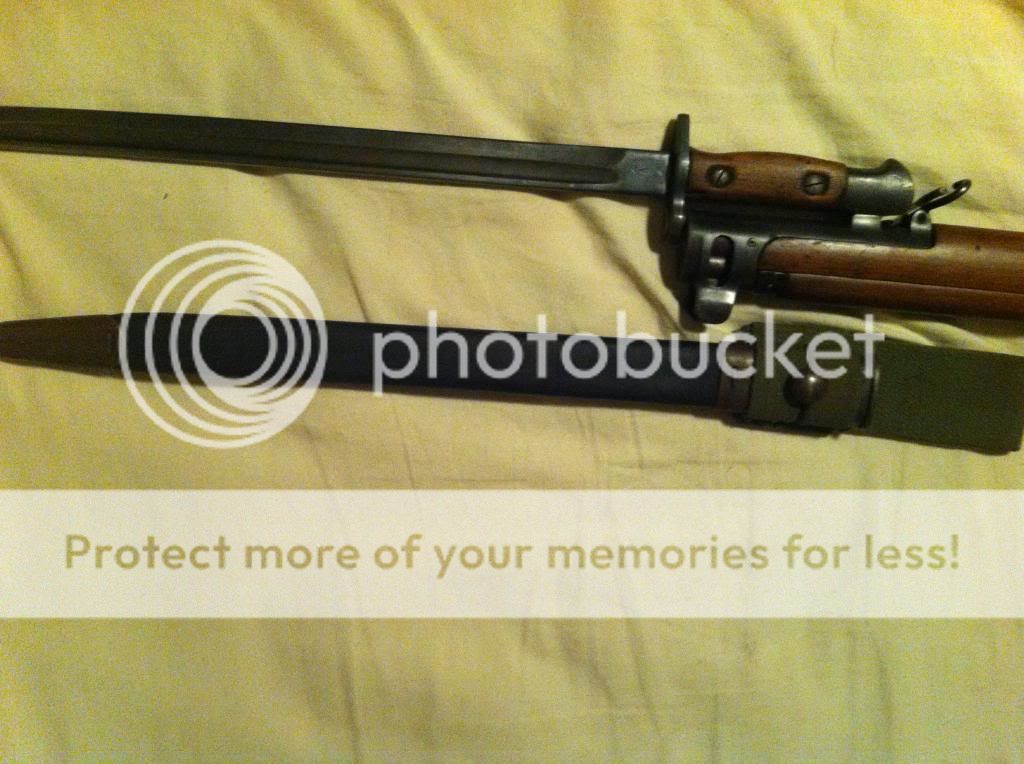
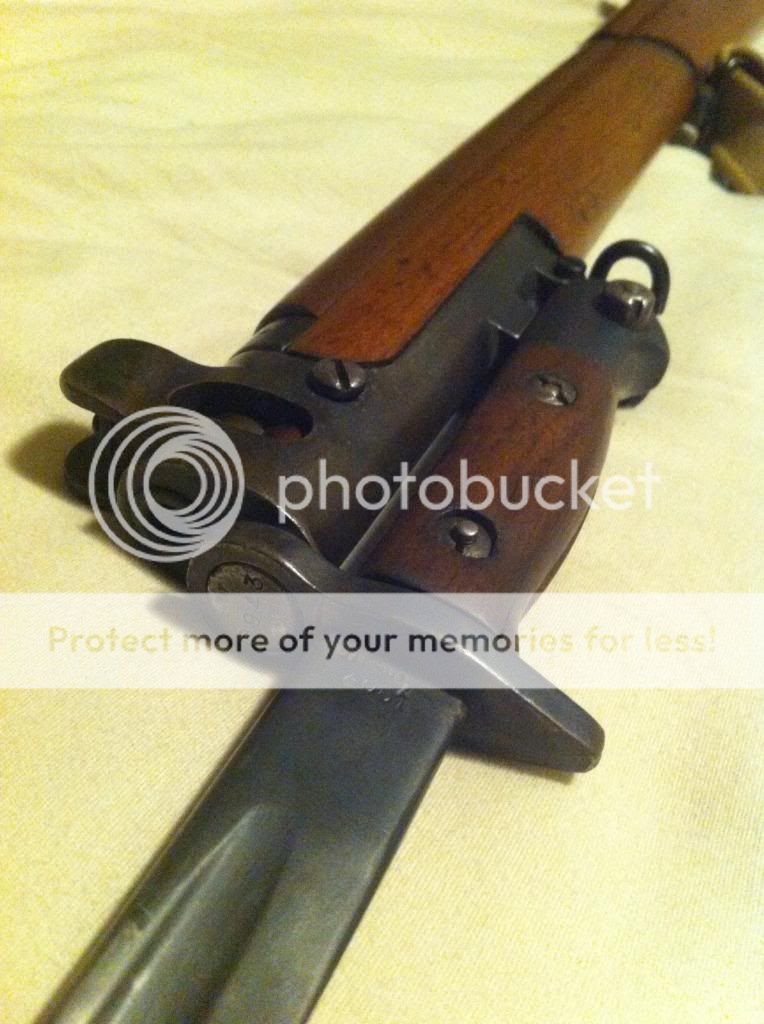
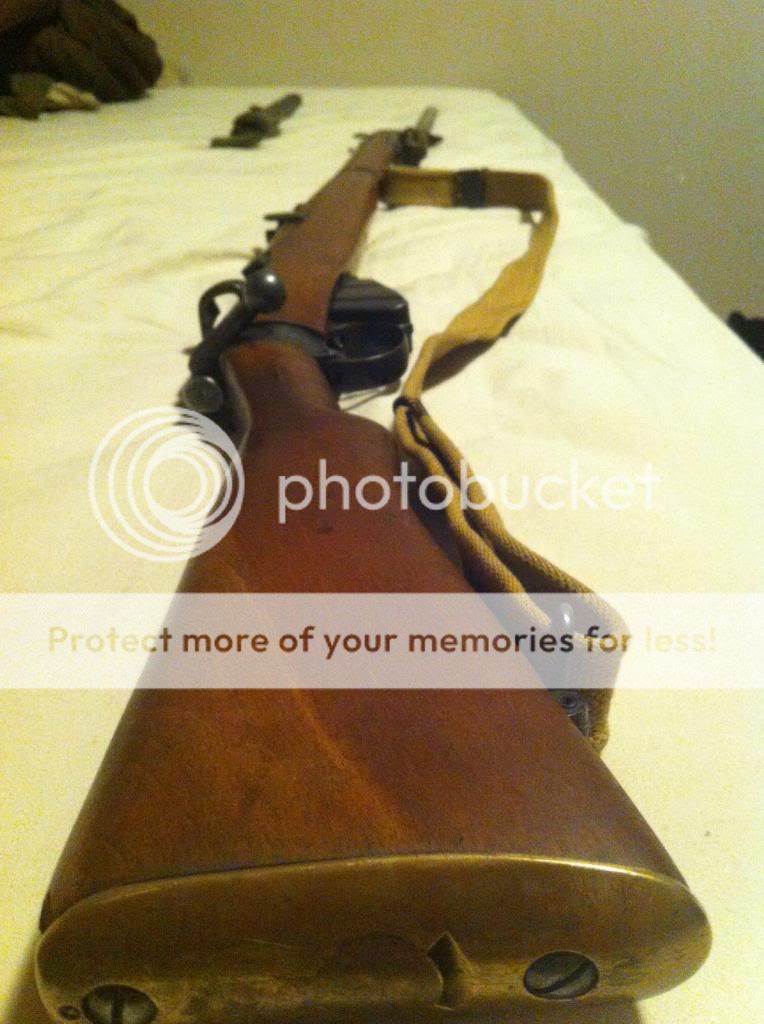
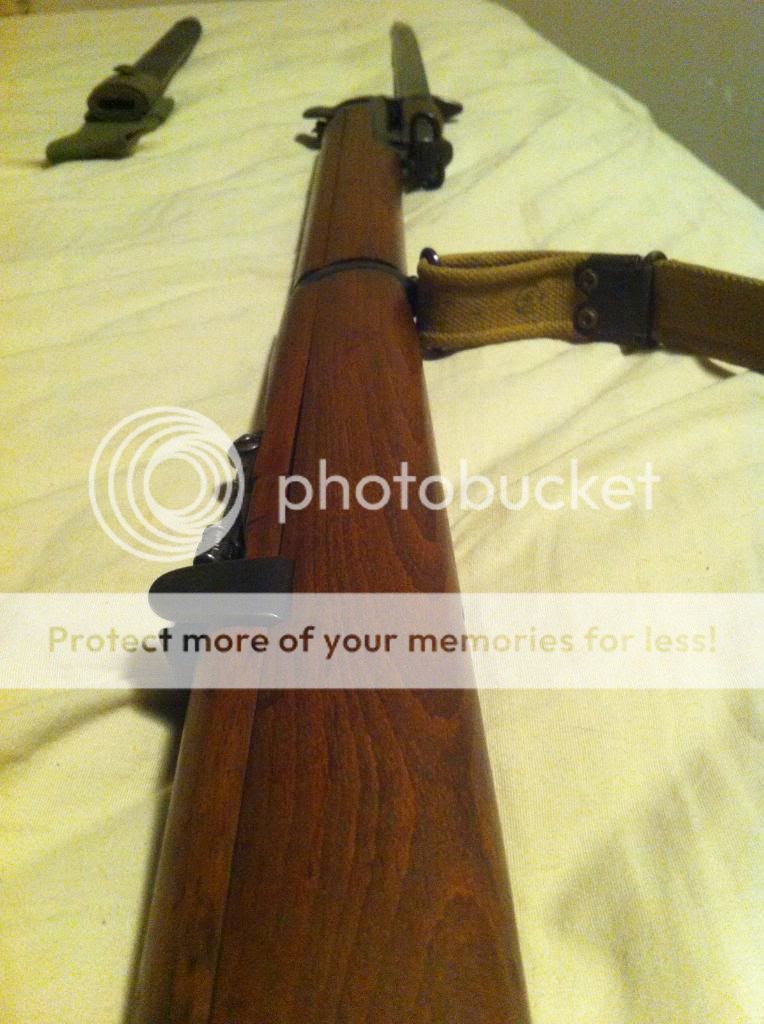
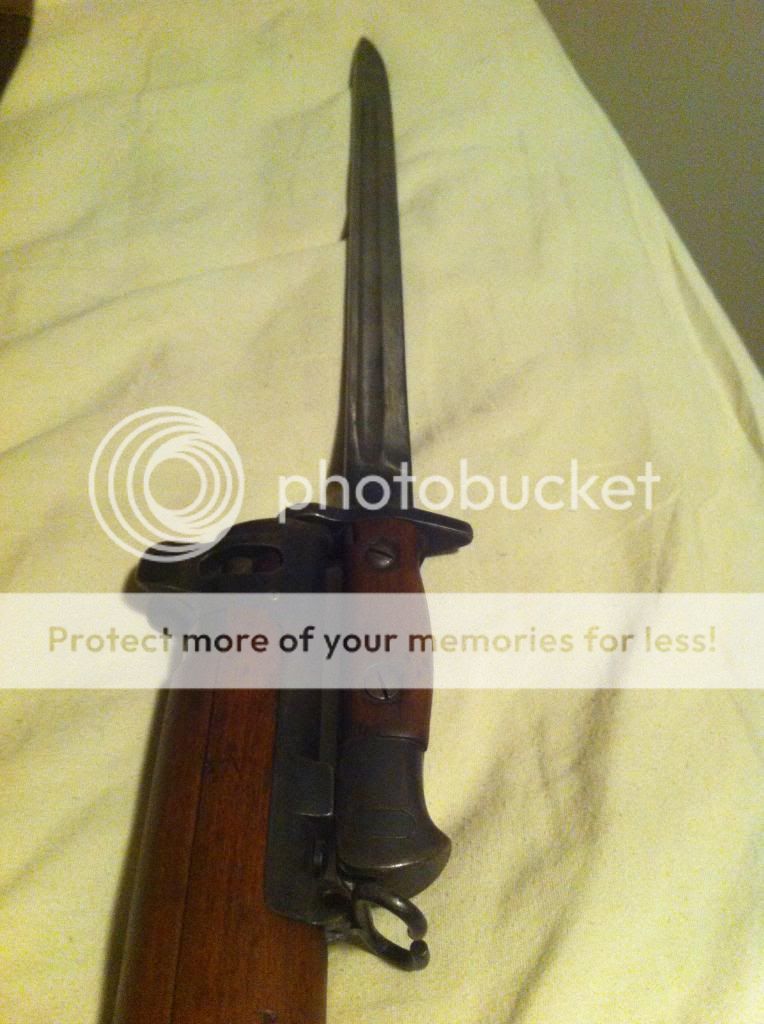
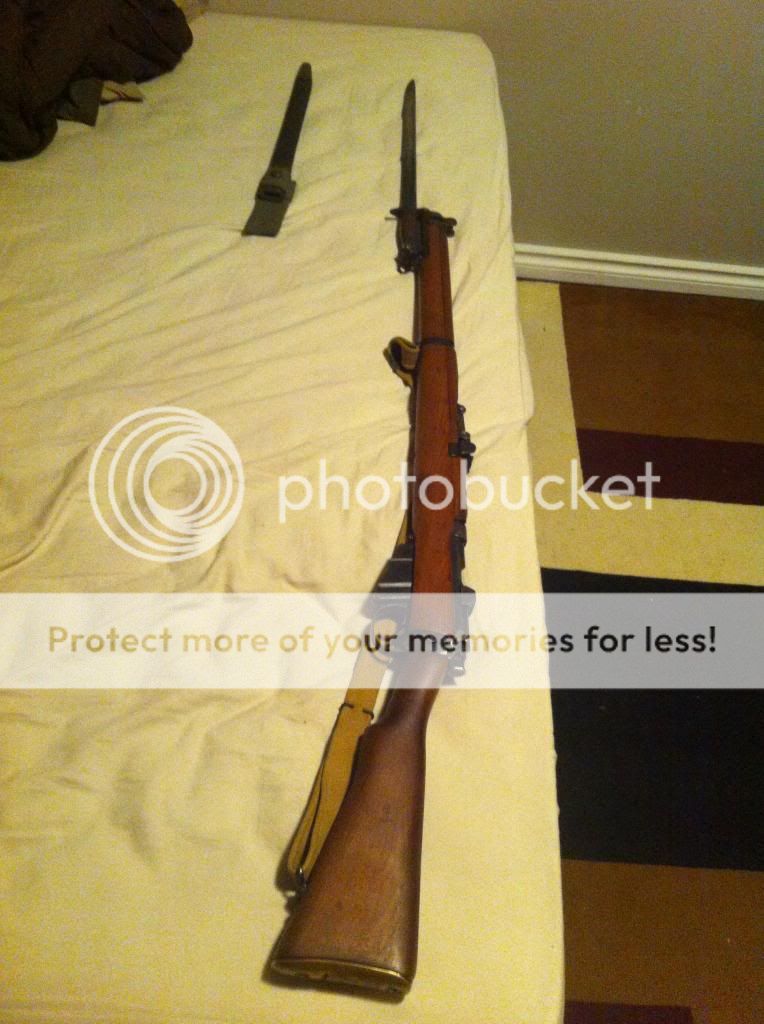
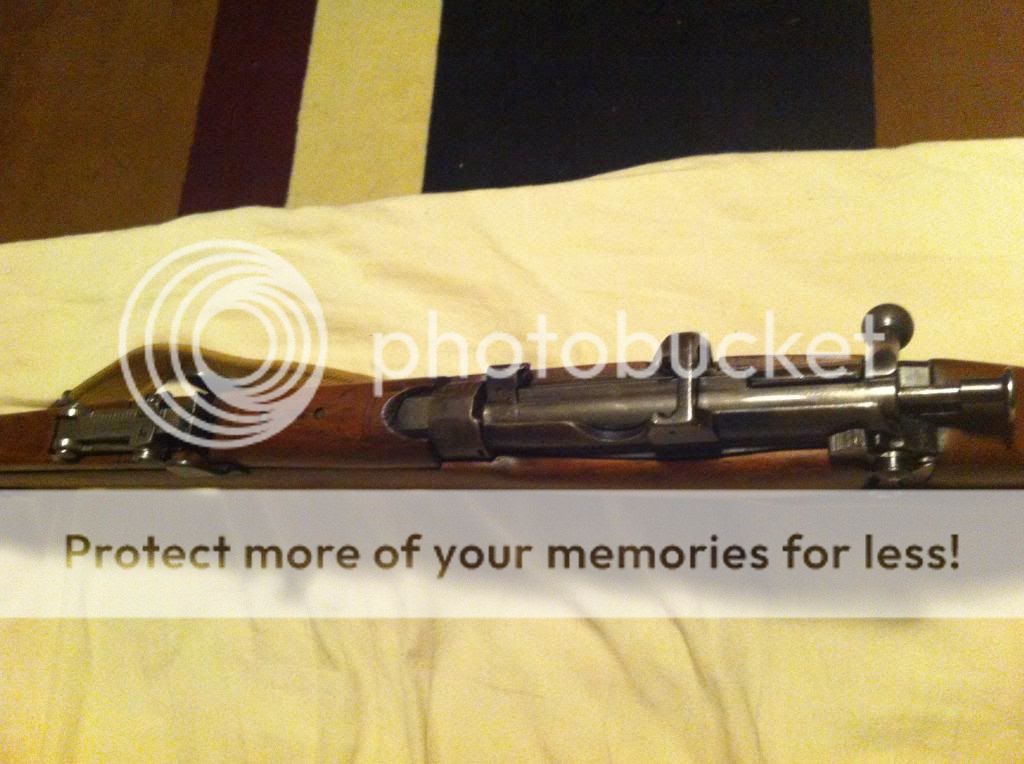
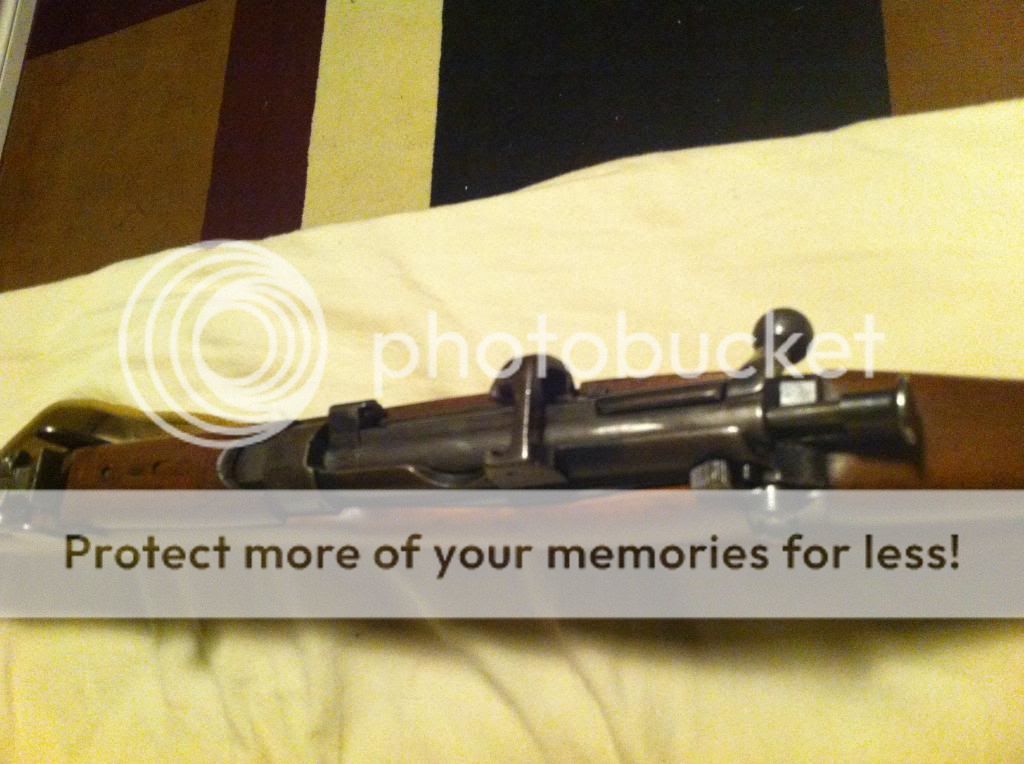
well i just picked up a cool jungle carbine for 300 bucks and bud said "hey man ive got this old 1918 enfield for 500 bucks", the markings show 1918 B.S.A CO SHT LE iii, i dont know much about this rifle and he let me bring it home to do some research its in great shape, is 500 to much....of corse ill load some pics
 
Last edited:
Great clean bore. its a III*

really crappy pics......the thing is in great shape for its age

034_zps6362858a.jpg


033_zps776e8988.jpg


032_zps280d3649.jpg


030_zpsc887e51f.jpg


029_zps58a3b25a.jpg


027_zps73af3863.jpg


024_zps850e3a9b.jpg


022_zps60f3cbff.jpg


021_zps57619e36.jpg


018_zpsd18da594.jpg
 
Im gonna take a stab at it. I think shes a resto or FTR.

Hard to tell from the pics but the wood does look a bit proud of the metal. Also, there is no safety notch on the buttstock and it is missing the stock disk/filled in hole where stock disk was put in. Also note repairs on handguard. Im no expert, but I think the armorors would have foresight into making the required notch in the stock for the safety, so I am leaning towards a restoration piece.

Edit: That is definitely a No4 Buttstock. I dont think any armorer in their right mind would fit one on there without making a notch for the safety to function properly. Therefore I am confident this is a restoration.

Do the numbers on the nose cap, bolt handle and reciever/barrel match?

That said, with bayo, that is a fair price given what is in the EE right now.
 
Last edited:
all numbers match... I need some clear pics, also the safty fuctions perfect......what could that mean? what does the III* imply
 
The fact that it has the piling swivel might also indicate that it is a restoration. They quit putting them on in the later years of the war. Some post war manufactured rifles had them, but they were eventually discontinued altogether.

Still though, a darn nice looking rifle!! Definitely worth the $500. Heck the bayo alone is probably worth $100.

Have you checked the headspacing?

The * was put after the III from 1915 and he stopped putting on the volley sights, windage adjustable rear sight, piling swivel, and magazine cut-off.
 
It's a stamp with the letters "FTR" for "Factory Thorough Refit." It's normally found on the butt socket, right under the bolt handle or on the opposite side as well. No. 4 rifles are stamped on the receiver.

thanks for all the info guys!!! its great having a place to turn for this stuff i really appreciate the sharing of knowledge........there appears to be no FTR markings and all numbers match, so how does that make sence with the cap and piling swivel.......


Back to the rifle in question. Another clue that some non armourer type person restored this rifle is that the rear sight protector is on backwards. But that is easily recitfied.

he had at some point dissambled it for a sporter stock he had for it i beleave he may be the reason for that.......unless hes had it from day one like that and thought thats how it was done
 
thanks for all the info guys!!! its great having a place to turn for this stuff i really appreciate the sharing of knowledge........there appears to be no FTR markings and all numbers match, so how does that make sence with the cap and piling swivel.......

Not all refits were marked. Many were repaired and refitted in the field in these sorts of conditions:

 
Well, the fact that the nosecap number matches indicates that he had some or all of the original parts. But if as you say he had it in a sporter stock, it was probably the case that the old original wood was pretty damaged. So, having all the original hardware at hand, he got hold of some nice new wood and put her back together. There is no way that wood is from the original 1918 issue. It is just too purdy!!

All in all though, a great find! Count your blessings!

My 1915 BSA (no star) was FTR'd in 1944 (or at least, the barrel is a 1944) and the bubba varnished buttstock was stamped 1941. My nosecap is NOS (New Old Stock) unnumbered, because the original nosecap is God knows where. The windage adjustable rear sight is from a 1913, and the numbers don't match (obviously). The piling swivel is from an Eddystone. The rear volley sight I bought in the EE, and the forward volley sight is a repro (still waiting for it). The bolt has a different number, does not headspace correctly (still looking for a solution to that), and the round cocking piece sports a Lithgow star. The rear sight protector is also from a parts bin. The forestock is Enfield, 1913, inlet for the volley sight, and NOS (YAY!!). The front handguard is black walnut, while the rest of the wood is English walnut. In short, my rifle is all mixed up! And I have had the time of my life restoring her!

 
Last edited:
all numbers match... I need some clear pics, also the safty fuctions perfect......what could that mean? what does the III* imply

The safety will not lock in the rearward position without the No1mk3 buttstock with notch in the back. It may still function in the unlocked position when brought rearward, but it is not 100% safe unless in the locked position.
In any case it is the wrong buttstock for that rifle.

You may want to consider getting a proper butt stock, and reversing the sight protector as the guy who did it did not have a keen eye for it.
 
Well, the fact that the nosecap number matches indicates that he had some or all of the original parts. But if as you say he had it in a sporter stock, it was probably the case that the old original wood was pretty damaged. So, having all the original hardware at hand, he got hold of some nice new wood and put her back together. There is no way that wood is from the original 1918 issue. It is just too purdy!!

All in all though, a great find! Count your blessings!

My 1915 BSA (no star) was FTR'd in 1944 (or at least, the barrel is a 1944) and the bubba varnished buttstock was stamped 1941. My nosecap is NOS (New Old Stock) unnumbered, because the original nosecap is God knows where. The windage adjustable rear sight is from a 1913, and the numbers don't match (obviously). The piling swivel is from an Eddystone. The rear volley sight I bought in the EE, and the forward volley sight is a repro (still waiting for it). The bolt has a different number, does not headspace correctly (still looking for a solution to that), and the round cocking piece sports a Lithgow star. The rear sight protector is also from a parts bin. The forestock is Enfield, 1913, inlet for the volley sight, and NOS (YAY!!). The front handguard is black walnut, while the rest of the wood is English walnut. In short, my rifle is all mixed up! And I have had the time of my life restoring her!


He has the box that the sporter stock came in....he bought the rifle as it is in the pics 25 years ago and orderd the sporter to use hunting he orderd it 25 years ago as a low quailty grade but was sent high grade in error and keept it. he put it into the sporter to use for hunting some time latter "and he did" and its been sitting in storage for a while but he took great care of all his rifles


Not all refits were marked. Many were repaired and refitted in the field in these sorts of conditions:


That is really cool!!!

 
Nice old rifle. It is great that we can post pics of an old rifle on here and get good and fair comments on it. You wave that one under my nose for $500 and it would be gone!

I just bought a gorgeous old MkIII* that was FTR'd in 1953, and is clearly marked thus on the left side of the receiver. It was put into a private collection in the 60's and never saw daylight until the other day. I can guarantee that I never dared haggle over that one!

Unless a person is a picky "has to be perfect in every way" collector, a good representative piece is just fine. There is nothing wrong with holding out for the crown jewel, but the days of the $13.95 SMLEs is over.
 
Say, can someone enlighten me as to why there is a swivel mount just forward of the magazine? My 1915 BSA has it as well.

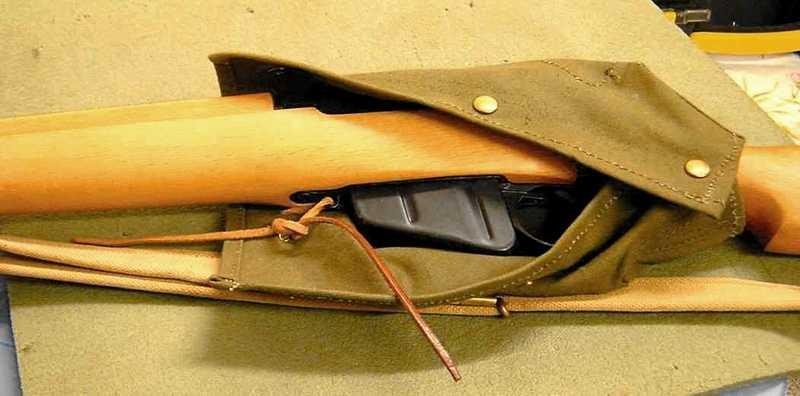
As already indicated, it is not a swivel mount - although it may well have originated with the mount to which the magazine of a "Long Lee" (i.e. Magazine Lee-Metford or Magazine Lee-Enfield) was attached by a single long metal link, it was retained on the Short Magazine Lee-Enfield (and later LE versions) as a tie-off point for the canvas action cover, which could simply be unsnapped and dropped, to dangle there below the fore-arm rather than getting lost .....

acion1.jpg


Admittedly it is a No. 4 rifle in the above photo .....
 
Back
Top Bottom