












































You are using an out of date browser. It may not display this or other websites correctly.
You should upgrade or use an alternative browser.
You should upgrade or use an alternative browser.
The restoration of Kettenkrad 116714
- Thread starter XRCD011
- Start date


- Location
- West Quebec
Looks like you do amazing work as well.. love to see the final product..

Ah Magrath, gotcha. Good mule deer hunting around there. And a metric #### tonne of wind.
Its not really much to see....although a pile of rusted German half track motorcycle parts is pretty cool. Im lookin to build one from scratch.....Im in the Magrath area.
I have a good supply of tools, sheetmetal gear, CNC plasma cutting table, lathe, milling machine 100ton press.....25 years as a welder fabricator....blah blahblah.....

THE TEARDOWN (PART ONE)
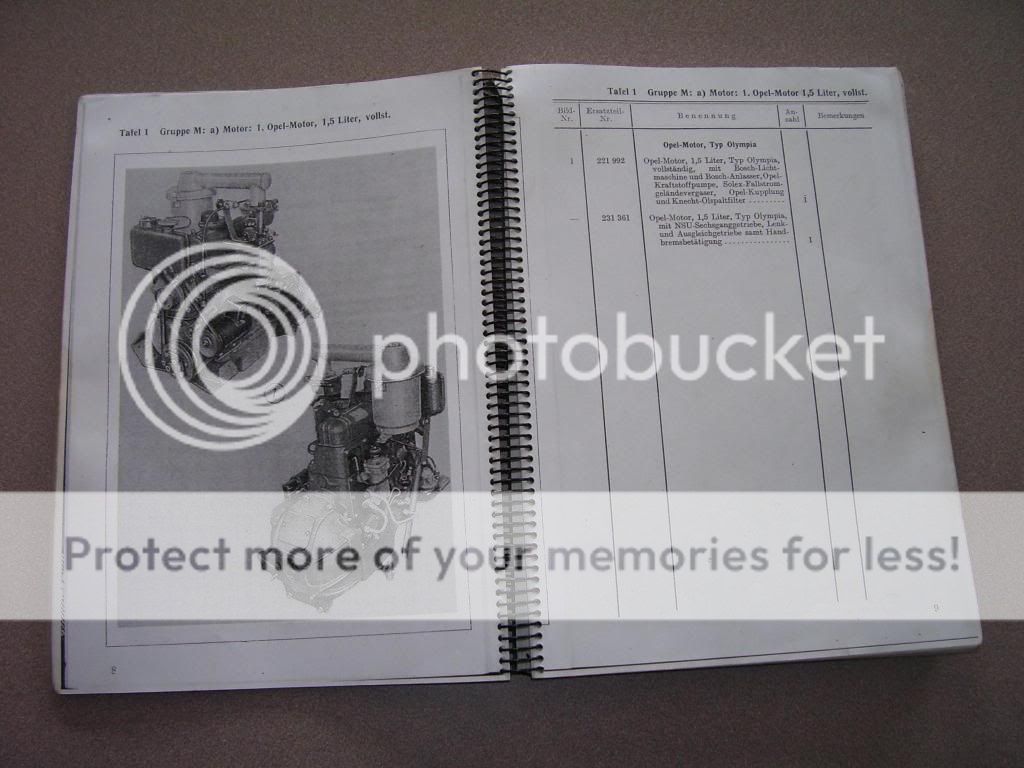
After I had removed the tracks and the kett was moveable by hand and brute force I had to start thinking about taking "ol rusty" apart, the kettenkrad is driven with the time proven Opel 1.5 L, liquid cooled, four cylinder engine of 36Hp. This motor first was used in the Opel Olympia car of the pre war years and was the equal to the Willys "Go Devil" motor used in the wartime jeeps of N.America. By equal I refer to its use in other applications besides use in a vehicle such as in generators, compressors, welding units, etc. The Opel Olympia 1.5 stayed in production post war right up till 1956 in four "phases" (P1,2,3,4) with my kett obviously having a P1 engine. Amazingly, according to those who restore kettenkrads, my kett came to me with the original motor that it left the NSU factory in Neckarsulm on its way to the front lines in Belgium in Dec 1944. Why this is so amazing is the wartime engines are by all accounts pretty shoddy, thin walled and poorly made, all things that one would expect to see in a engine built under wartime duress with forced and slave labour. The Opel Company (A division of General Motors USA) built the motor in Russelsheim then it was shipped by train or canal to Neckarulm and NSU. There the motor would be mated to a NSU made transmission/drive train and the whole placed within the kettenkrad at time of assembly. My original motor was two serial numbers, one for Opel (44-TR-###X for Opel and then a six digit stamped just under the drivers seat for NSU) and has a casting date of 1 DEC 44. With the various phases of motors being similair many ketts today are being run with post war car engines. By 1944 the Germans where harvesting and rebuilding engines and my research shows the CWM kett was built and issued from NSU using a Olympia 1.5L engine from 1939 (not that they care). So without further ado the motor comes out.
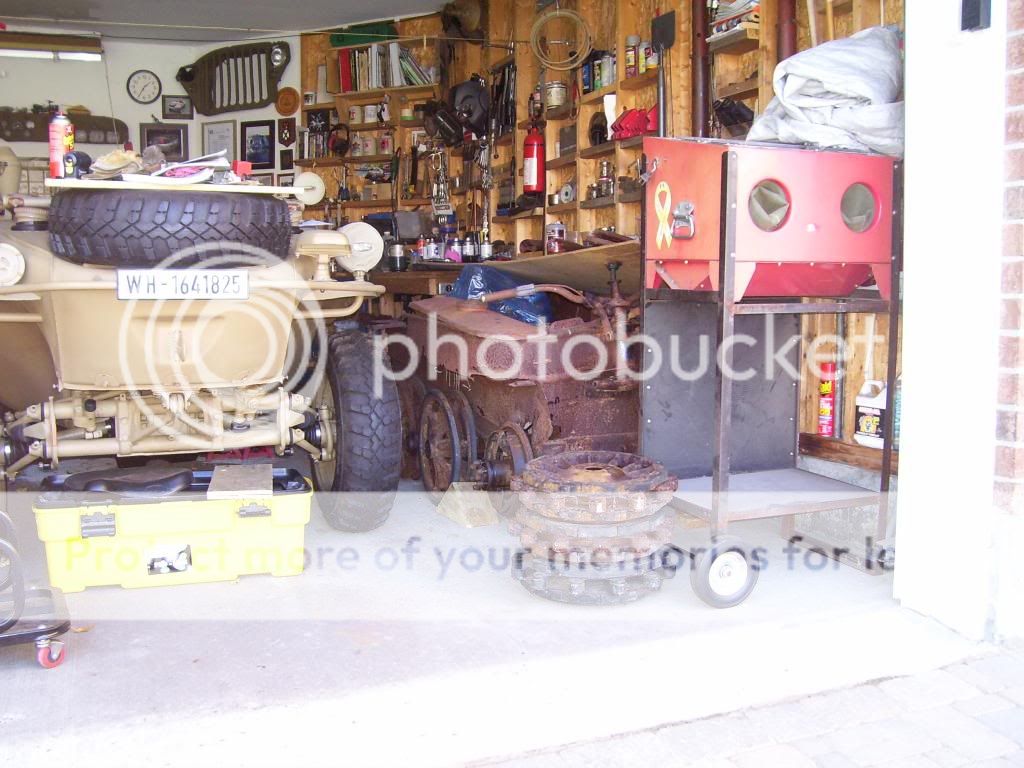
The kettenkrad drive train is from rear to front Engine-Transmission-Differential-then Final Drives, left and right. As everything was going to be stripped out I pulled the Drive sprockets, that incorporate a large brake drum off first. The kettenkrad has two braking systems, one for steering and one for stopping, with the vehicle being fairly heavy the stopping brakes, of which there are only two of unlike a car/truck with four wheels are big.
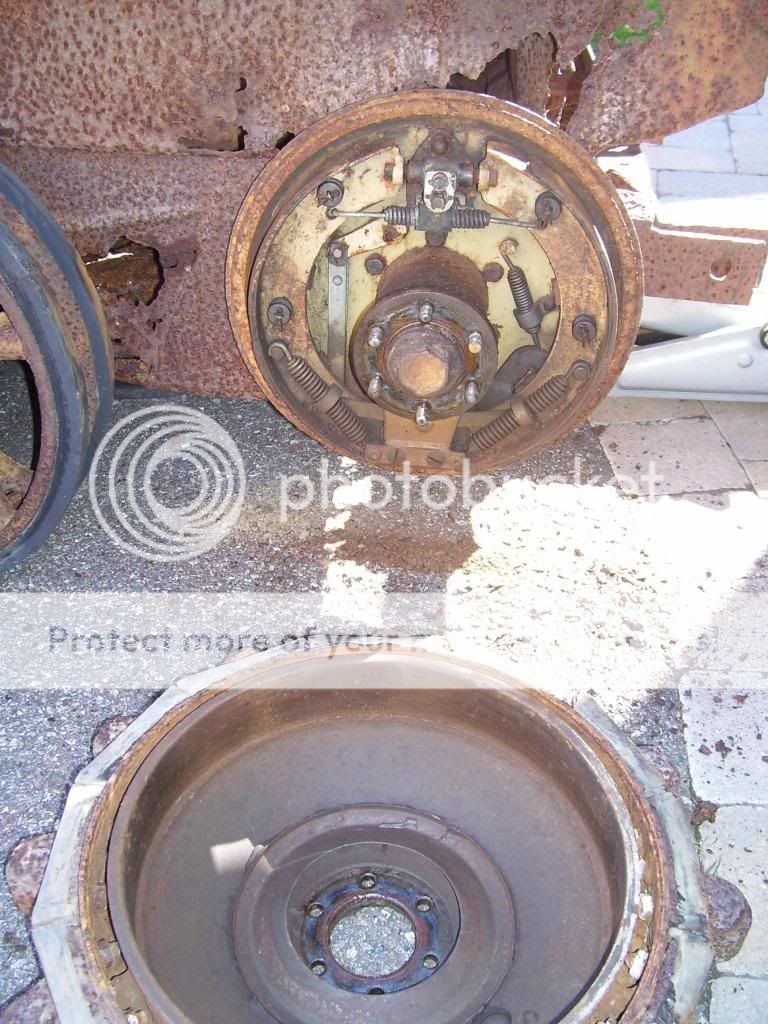
Nice to open up the drive sprocket and see some factory paint, not that I get to excited about old faded paint, but there it is Dunkel Gelb.
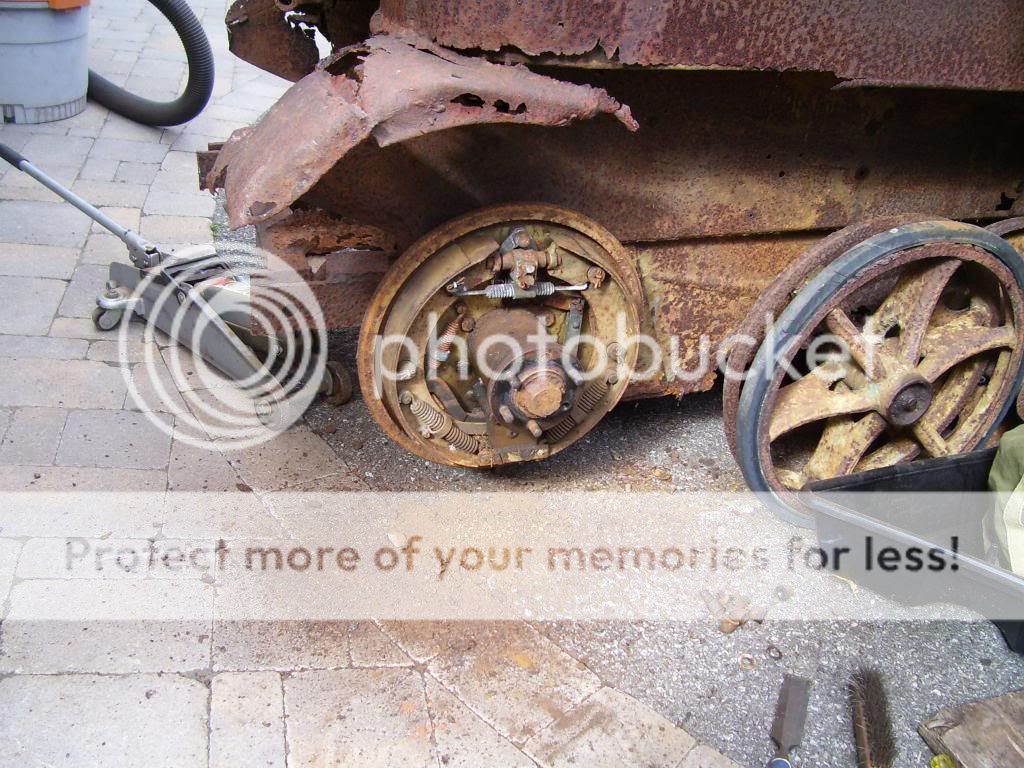
Order of removal, drive sprocket-backing plate-final drive, accessing the umpteen, rusted headed bolts to do so was a total #####.
After just about breaking my back doubled over cutting and grinding a frozen bolt head off I was finally able to hoist the drive train out. That one bolt head took four hours to address, then about five minutes to pop the works out.
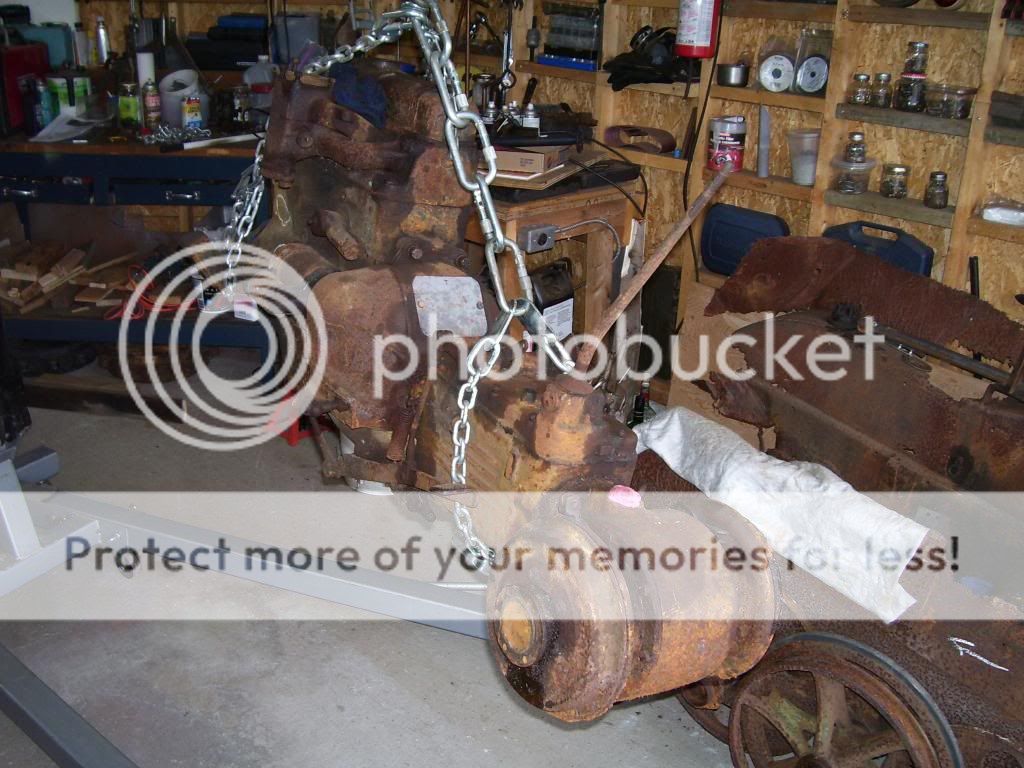
Out of kettenkrad 116714 the original motor for its first time in 66 years. On my garage floor now.
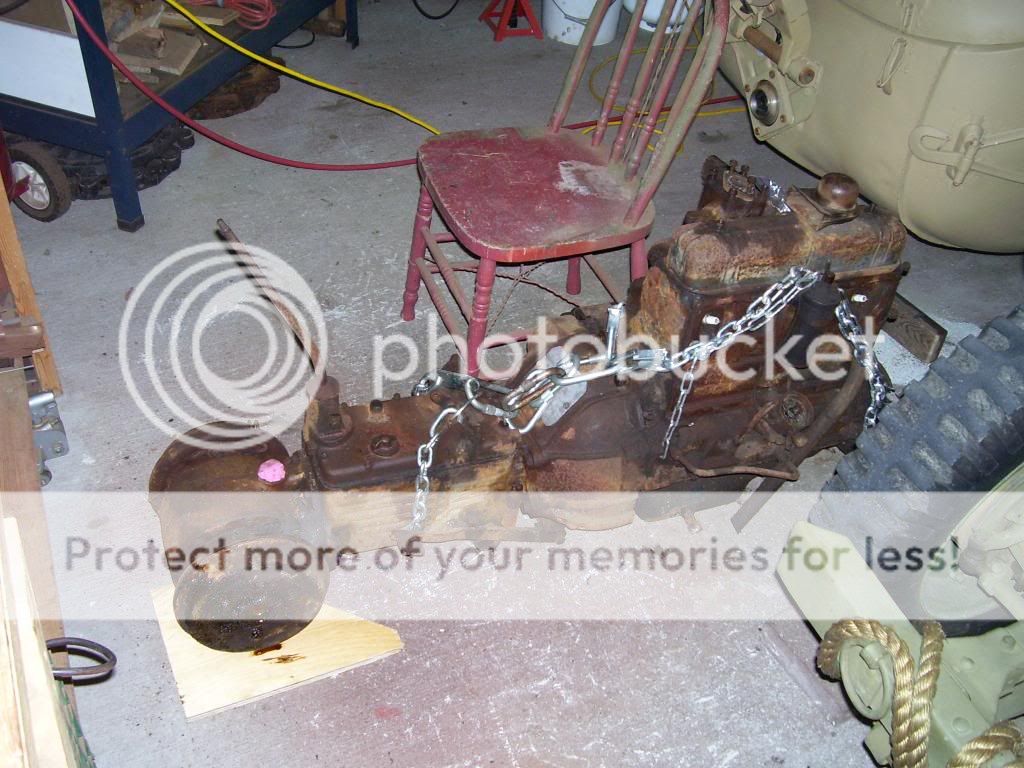
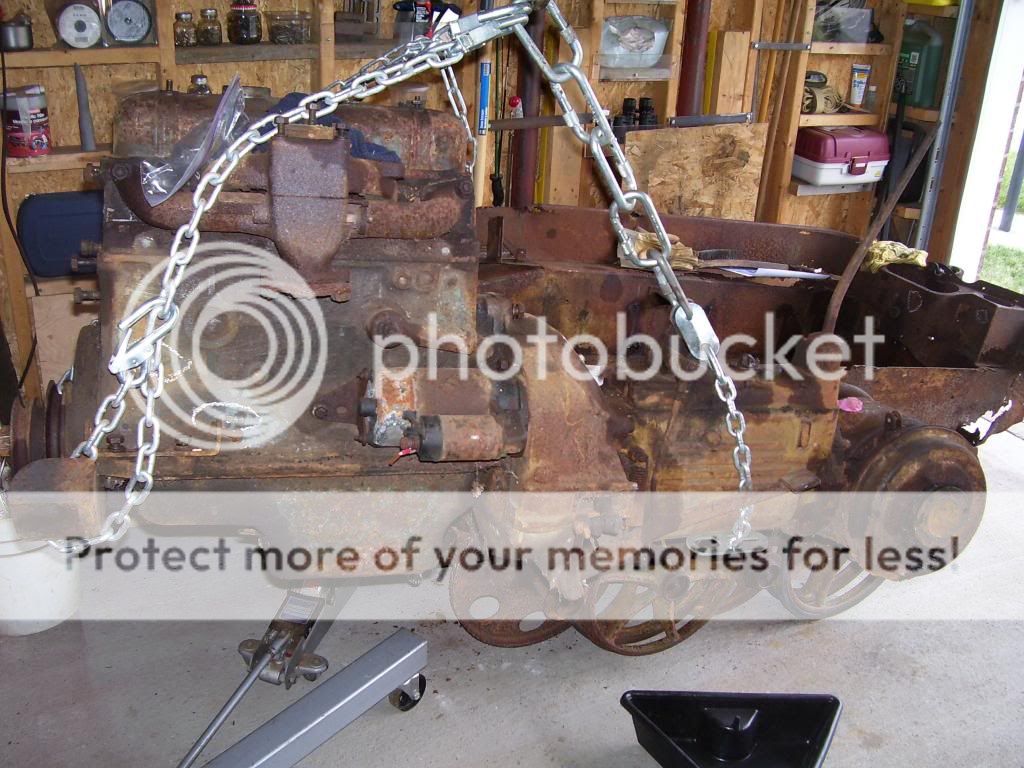
The steering brakes are the drums leaking oils from the differential, a common failure of the seals there (check out the CWM kett its doing the same) Easy enough to replace those seals AFTER one pulls the drivetrain complete out to access.
After I had removed the tracks and the kett was moveable by hand and brute force I had to start thinking about taking "ol rusty" apart, the kettenkrad is driven with the time proven Opel 1.5 L, liquid cooled, four cylinder engine of 36Hp. This motor first was used in the Opel Olympia car of the pre war years and was the equal to the Willys "Go Devil" motor used in the wartime jeeps of N.America. By equal I refer to its use in other applications besides use in a vehicle such as in generators, compressors, welding units, etc. The Opel Olympia 1.5 stayed in production post war right up till 1956 in four "phases" (P1,2,3,4) with my kett obviously having a P1 engine. Amazingly, according to those who restore kettenkrads, my kett came to me with the original motor that it left the NSU factory in Neckarsulm on its way to the front lines in Belgium in Dec 1944. Why this is so amazing is the wartime engines are by all accounts pretty shoddy, thin walled and poorly made, all things that one would expect to see in a engine built under wartime duress with forced and slave labour. The Opel Company (A division of General Motors USA) built the motor in Russelsheim then it was shipped by train or canal to Neckarulm and NSU. There the motor would be mated to a NSU made transmission/drive train and the whole placed within the kettenkrad at time of assembly. My original motor was two serial numbers, one for Opel (44-TR-###X for Opel and then a six digit stamped just under the drivers seat for NSU) and has a casting date of 1 DEC 44. With the various phases of motors being similair many ketts today are being run with post war car engines. By 1944 the Germans where harvesting and rebuilding engines and my research shows the CWM kett was built and issued from NSU using a Olympia 1.5L engine from 1939 (not that they care). So without further ado the motor comes out.

The kettenkrad drive train is from rear to front Engine-Transmission-Differential-then Final Drives, left and right. As everything was going to be stripped out I pulled the Drive sprockets, that incorporate a large brake drum off first. The kettenkrad has two braking systems, one for steering and one for stopping, with the vehicle being fairly heavy the stopping brakes, of which there are only two of unlike a car/truck with four wheels are big.

Nice to open up the drive sprocket and see some factory paint, not that I get to excited about old faded paint, but there it is Dunkel Gelb.

Order of removal, drive sprocket-backing plate-final drive, accessing the umpteen, rusted headed bolts to do so was a total #####.

After just about breaking my back doubled over cutting and grinding a frozen bolt head off I was finally able to hoist the drive train out. That one bolt head took four hours to address, then about five minutes to pop the works out.

Out of kettenkrad 116714 the original motor for its first time in 66 years. On my garage floor now.


The steering brakes are the drums leaking oils from the differential, a common failure of the seals there (check out the CWM kett its doing the same) Easy enough to replace those seals AFTER one pulls the drivetrain complete out to access.
Last edited:
Apart from the general post - for which many thanks, I'm fascinated - some of you might like to have a look at this movie on Youtube taken at a Bovington Tankfest a few years back - apologies if it's not in the right place, but it DOES have Kettenkrads in it - static and moving -
https://www.youtube.com/watch?v=q_CVNT0yVPw
tac
https://www.youtube.com/watch?v=q_CVNT0yVPw
tac
Here is the outfit that restored the Bovington Kettenkrad, the Restore of the Tank Museum Kett was also written up in Military Machines International. In June after Normandy I will be in the UK and see that early kett that was captured in North Africa. http://www.axistrackservices.com/Apart from the general post - for which many thanks, I'm fascinated - some of you might like to have a look at this movie on Youtube taken at a Bovington Tankfest a few years back - apologies if it's not in the right place, but it DOES have Kettenkrads in it - static and moving -
https://www.youtube.com/watch?v=q_CVNT0yVPw
tac


- Location
- Tumbler Ridge, BC
XRCD011, some of your pics aren't showing up.
What an awesome project. I bet its the most satisfactory feeling in the world to finish something like this and have everything back into working order.
What an awesome project. I bet its the most satisfactory feeling in the world to finish something like this and have everything back into working order.
THE TEARDOWN (PART TWO)
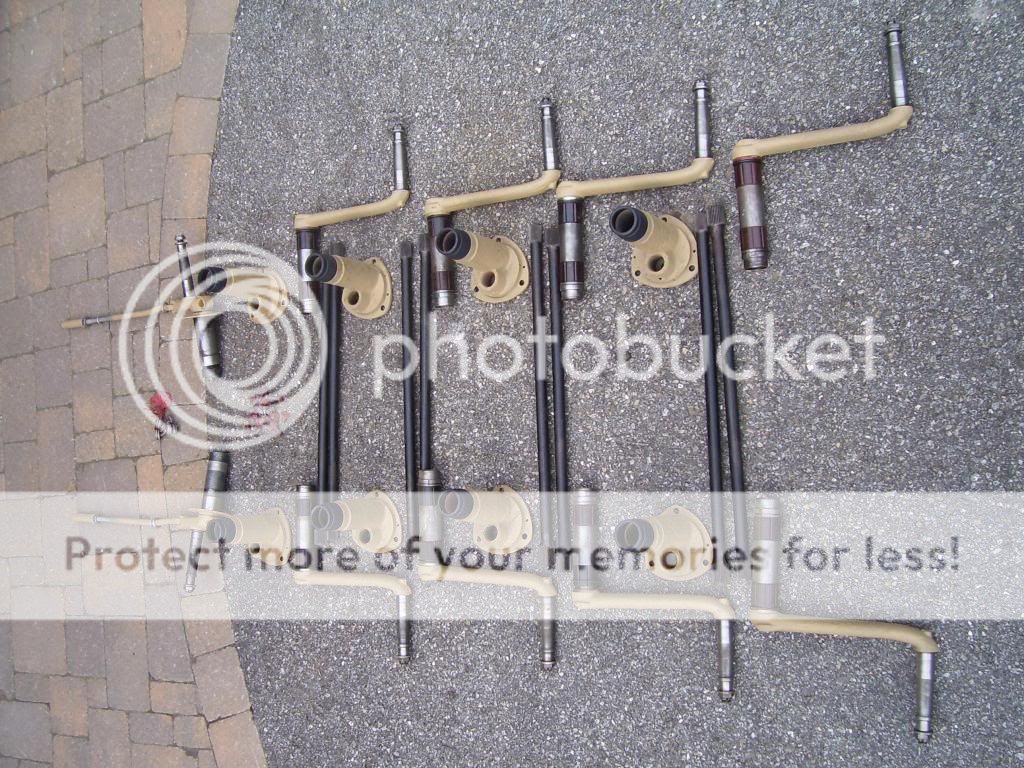
After pulling the drive train out of the body I had to start thinking about how to remove the suspension from the kett. What I though would not be all "that hard" to do turned out to be anything but as it was a combination of bolts and screws either being firmly rusted in place and/or screw slots and bolt heads deformed by rusting into new shapes other then what left the factory. A kettenkrad uses a torsion bar suspension of eight torsion bars of two bars per road wheel set, new made bars are available at 80 to 100 euros a pop.
This picture shows the kettenkrads torsion bars, swing arms and track adusters after I had refurbed everything, but I am getting ahead of myself here.
Removing the road wheels was pretty straight forward and took no time to do as the hubs held grease in great condition. The worst part was taking the torsion bars carriers off as the aforementioned rusted hardware caused no end of work, I used a O2 and propane to heat bolts and screws. Nothing gives greater satisfaction then hearing that "ekkkk" sound of a bolt finally coming free.
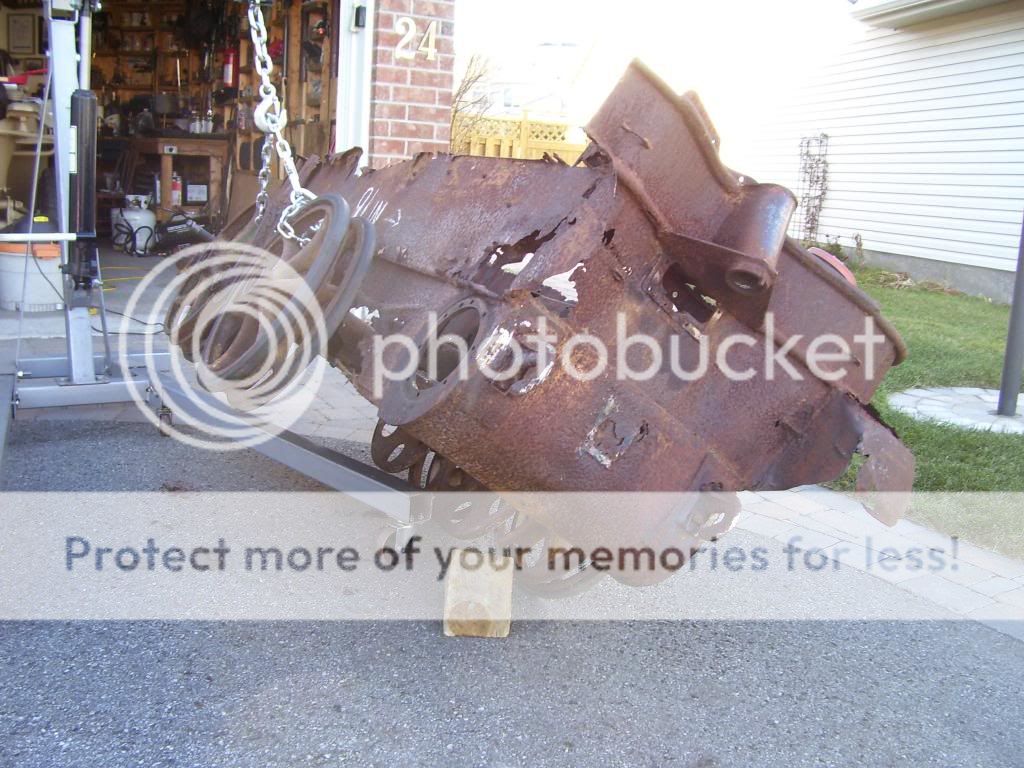
One thing to note is the very late war cast tow hooks mounted low on the vehicle, the early welded flat steel versions, mounted higher on the body tended to rip off. The cast version solved that problem, Euro Bubba had welded angle iron for his little dozer blade, this was one of the first thigs to get cut off.

Here is a closer look at the "trianglish" shaped torsion bar carrier held on with two large screws and a bolt, the bolt is threaded into the torsion bar for the opposite side with the bars set at a 12 and 6 oclock configeration to each other.
One thing that seized the carriers on was the phenolic bushings on the swing arms (see first pic above for bushings) swelling up over the years and seizing the inside of the carrier.
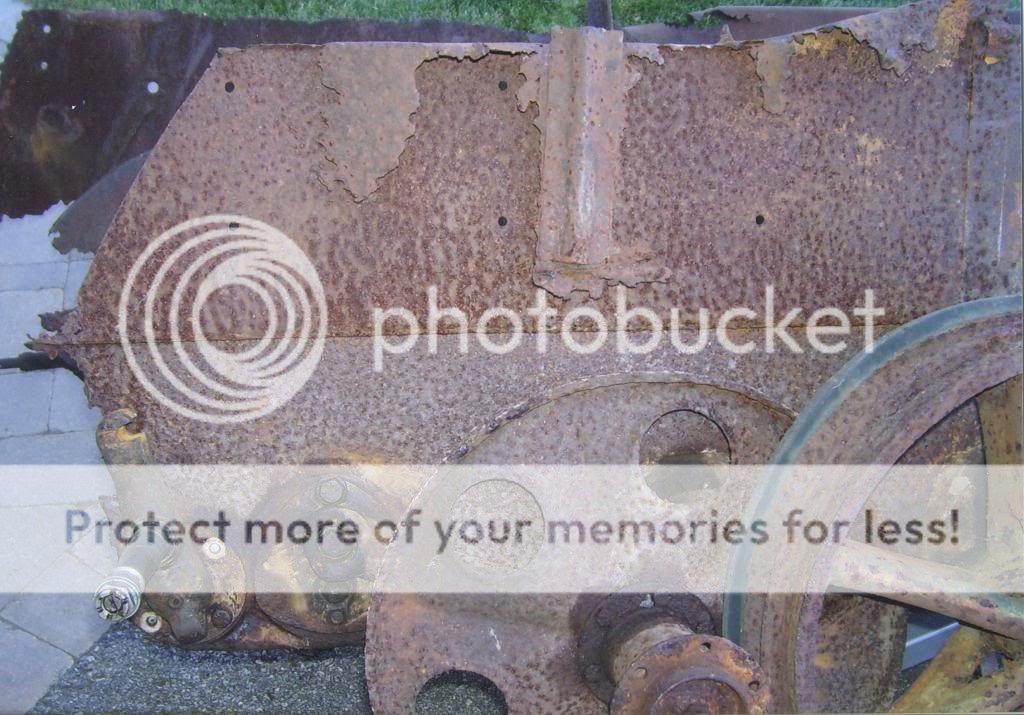
Here I am hammering out the rear track adjusters seems liberal use of BFHs was called on more more often then not. The trick was to get the first one off, the second, while still firmly seized in place, just took a thick walled pipe and Mr Hammer to drive it out.
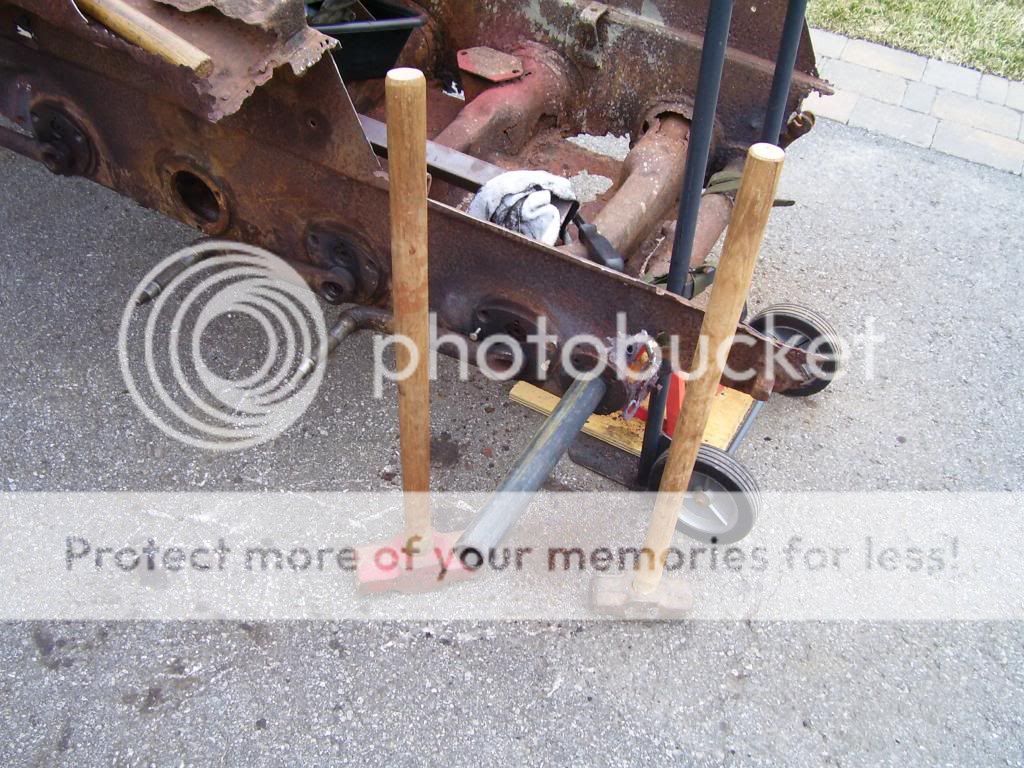
Track adjuster coming out. Just needed a bigger hammer, hmmmmm I am starting to see a theme developing here. Every strike of a hammer brought a small rainstorm of rust flakes falling off the body.
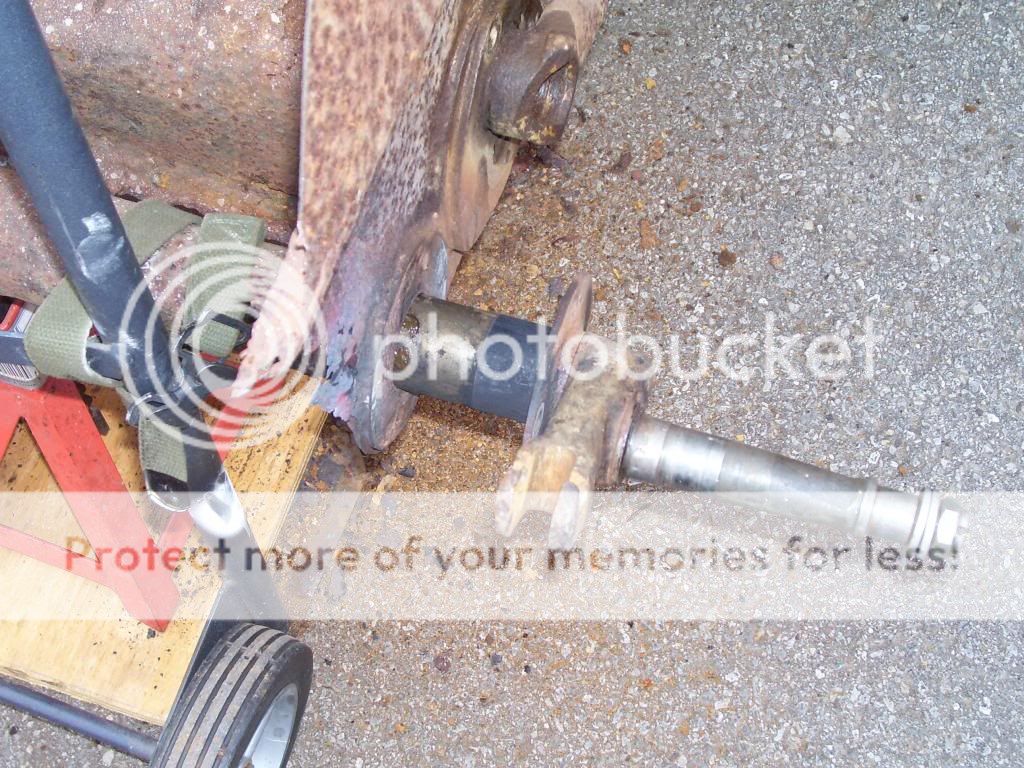
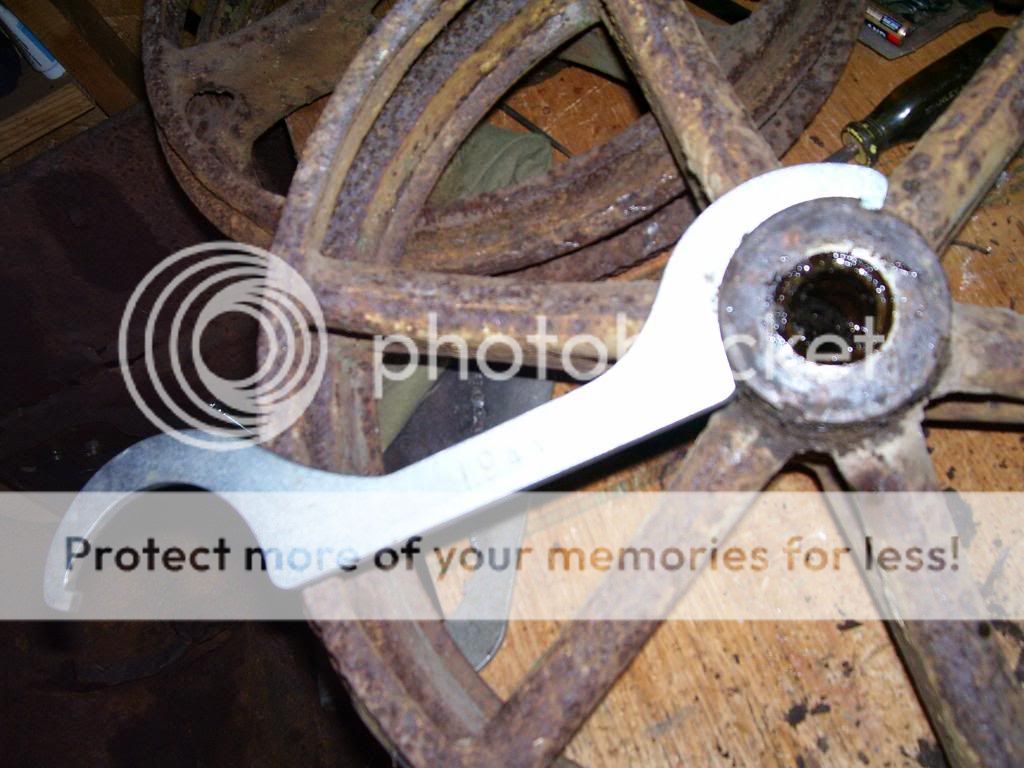
Using a modified motorcycle fork wrench to take apart the road wheels. Lets just say that the wartime specs left alot to be desired, nothing went on, or came off without a struggle. The good thing was the two bearings inside each set of road wheels where all good and hence I saved a small fortune not having to buy new.
Next Update, cutting the body down.
After pulling the drive train out of the body I had to start thinking about how to remove the suspension from the kett. What I though would not be all "that hard" to do turned out to be anything but as it was a combination of bolts and screws either being firmly rusted in place and/or screw slots and bolt heads deformed by rusting into new shapes other then what left the factory. A kettenkrad uses a torsion bar suspension of eight torsion bars of two bars per road wheel set, new made bars are available at 80 to 100 euros a pop.
This picture shows the kettenkrads torsion bars, swing arms and track adusters after I had refurbed everything, but I am getting ahead of myself here.

Removing the road wheels was pretty straight forward and took no time to do as the hubs held grease in great condition. The worst part was taking the torsion bars carriers off as the aforementioned rusted hardware caused no end of work, I used a O2 and propane to heat bolts and screws. Nothing gives greater satisfaction then hearing that "ekkkk" sound of a bolt finally coming free.

One thing to note is the very late war cast tow hooks mounted low on the vehicle, the early welded flat steel versions, mounted higher on the body tended to rip off. The cast version solved that problem, Euro Bubba had welded angle iron for his little dozer blade, this was one of the first thigs to get cut off.

Here is a closer look at the "trianglish" shaped torsion bar carrier held on with two large screws and a bolt, the bolt is threaded into the torsion bar for the opposite side with the bars set at a 12 and 6 oclock configeration to each other.
One thing that seized the carriers on was the phenolic bushings on the swing arms (see first pic above for bushings) swelling up over the years and seizing the inside of the carrier.

Here I am hammering out the rear track adjusters seems liberal use of BFHs was called on more more often then not. The trick was to get the first one off, the second, while still firmly seized in place, just took a thick walled pipe and Mr Hammer to drive it out.

Track adjuster coming out. Just needed a bigger hammer, hmmmmm I am starting to see a theme developing here. Every strike of a hammer brought a small rainstorm of rust flakes falling off the body.

Using a modified motorcycle fork wrench to take apart the road wheels. Lets just say that the wartime specs left alot to be desired, nothing went on, or came off without a struggle. The good thing was the two bearings inside each set of road wheels where all good and hence I saved a small fortune not having to buy new.

Next Update, cutting the body down.
Last edited:

Kayser Sose
CGN Ultra frequent flyer
- Location
- Southern Van Isle
Fascinating thread. Thank you; am on standby for updates.

This is great!
Drivetrain is similar in theory to the m113a1 it sort of looks like. As in, everything backwards
I guess the work is all done so you don't need any advice, but for anyone interested, a great way to pull torsion bars / support arms is with a great big slide hammer. We remove support arms from wheeled APCs (at about 250lbs a piece) with a slide hammer that weighs about 40lbs itself and bolts to the face of the arm.
10,000 tiny pieces to make a tracked motorcycle work is pretty crazy. You can buy an atv with a track kit nowadays under 10grand. You certainly had your work cut out for you. And those track blocks!
Drivetrain is similar in theory to the m113a1 it sort of looks like. As in, everything backwards
I guess the work is all done so you don't need any advice, but for anyone interested, a great way to pull torsion bars / support arms is with a great big slide hammer. We remove support arms from wheeled APCs (at about 250lbs a piece) with a slide hammer that weighs about 40lbs itself and bolts to the face of the arm.
10,000 tiny pieces to make a tracked motorcycle work is pretty crazy. You can buy an atv with a track kit nowadays under 10grand. You certainly had your work cut out for you. And those track blocks!

Saw one running at Seattle, very cool little vehicle, I like the roller bearings on the drive wheel. I am surprised that no one has ever made a reproduction of these, using those East German motorcycles. It would be expensive but would appeal to the rich motorcycle crowd and the military vehicle types.
THE TEARDOWN (PART THREE)
With the motor out and the suspension all removed it was time to tackle the body and salvage whatever was salvagable. I had bought the "vehicle" without seeing it myself but had a fellow in France assure me that it was a great vehicle for restoration and on his word and description took the leap of faith and bought it. In retrospect I see this as a double edged knife if I had seen it I probally would have walked away from it and 116714 would have been parted out and lost forever. So looking back, although its been no great fun at times, I did save this kettenkrad. Looking at the thousand or so pictures I had a "goodish" idea what panels or areas of panels that where savable and what was going to be replaced with new steel. The thing is while a panel, or a section of panel, may look OK its the sandblaster that has the final word.
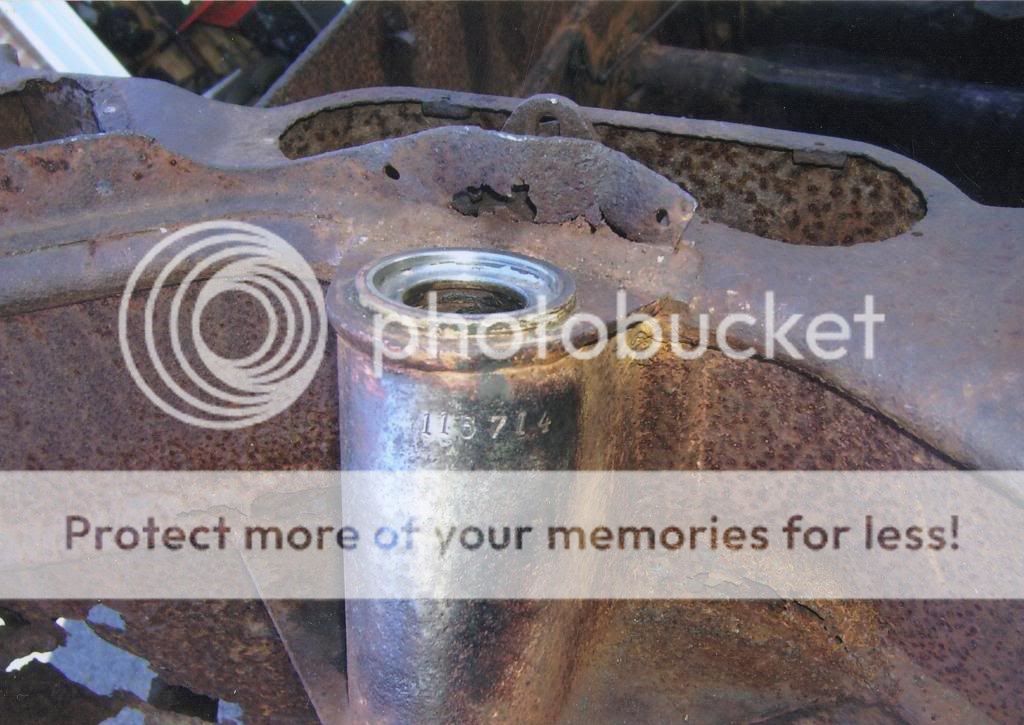
Like firearms owners I wanted to save the serialized steering knuckle as thats something, someone, back in the day had hand stamped into the vehicle at time of build.
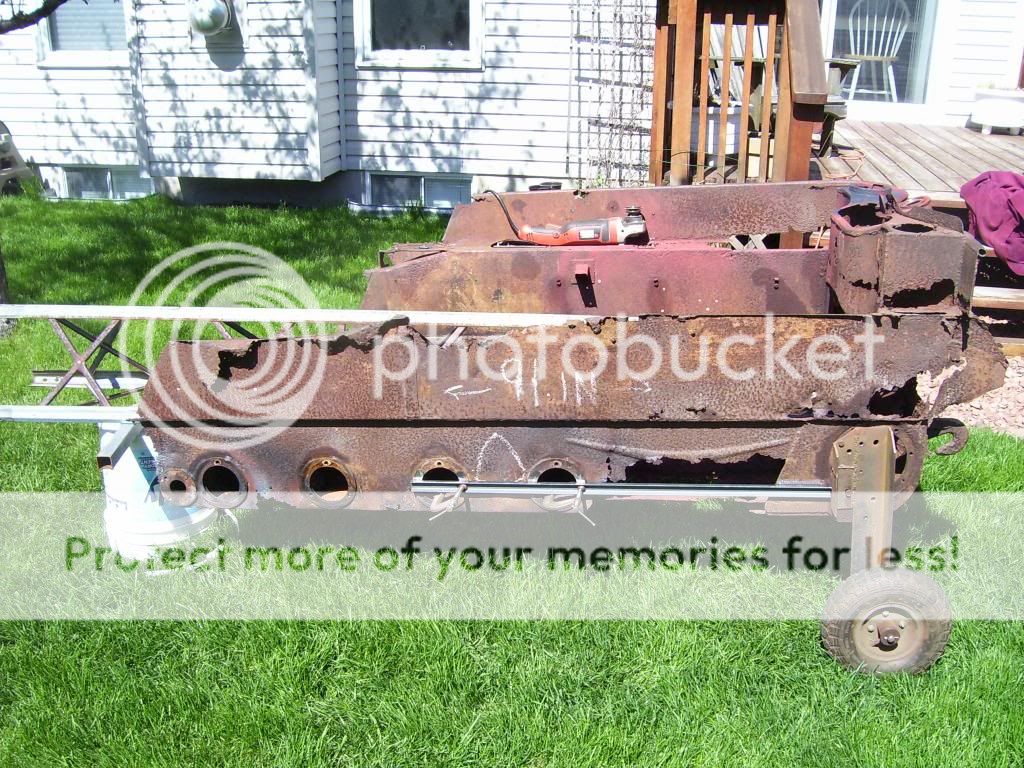
The upper half of the body was only good to provide details and measurements off of and using Bubba,s favourite tool, the angle head grinder, I chopped that off and set aside for future referance. At this point I thought, silly me, I could keep the lower half of the body in one piece and had braced the bottom with a section of old TV tower to prevent the vehicle from folding into itself.
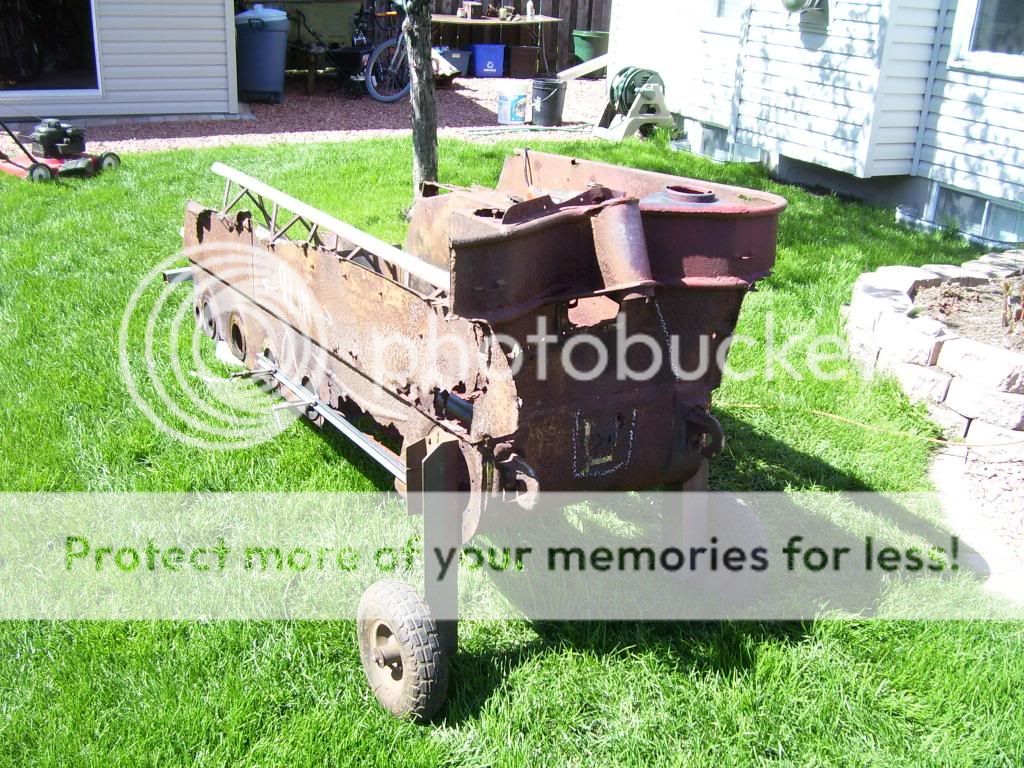
I can see why Bubba likes the angle head grinders so much as once you get chopping away its so hard to stop. Here the upper half of the body is gone.........worse, much worse, was yet to come. After looking at the carcass and wondering just what I was going to do AND how to do it I decided the best way to restore the lower half was to section that in half so there was a front and rear lower body section. The rear lower section was all important as it has four formed housing for the torsion bars and the floor panel has square formed areas that all important to save.
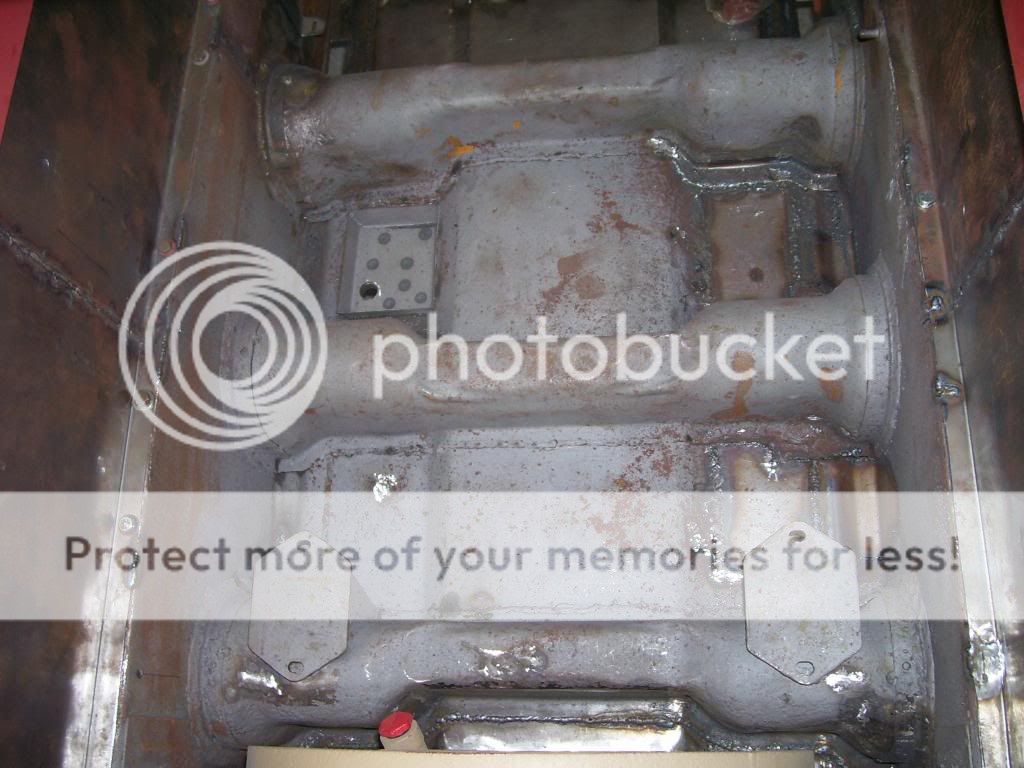
The rear lower after sandblasting and refurb showing three of the four torsion bar houses (fourth is under the cooling fan).
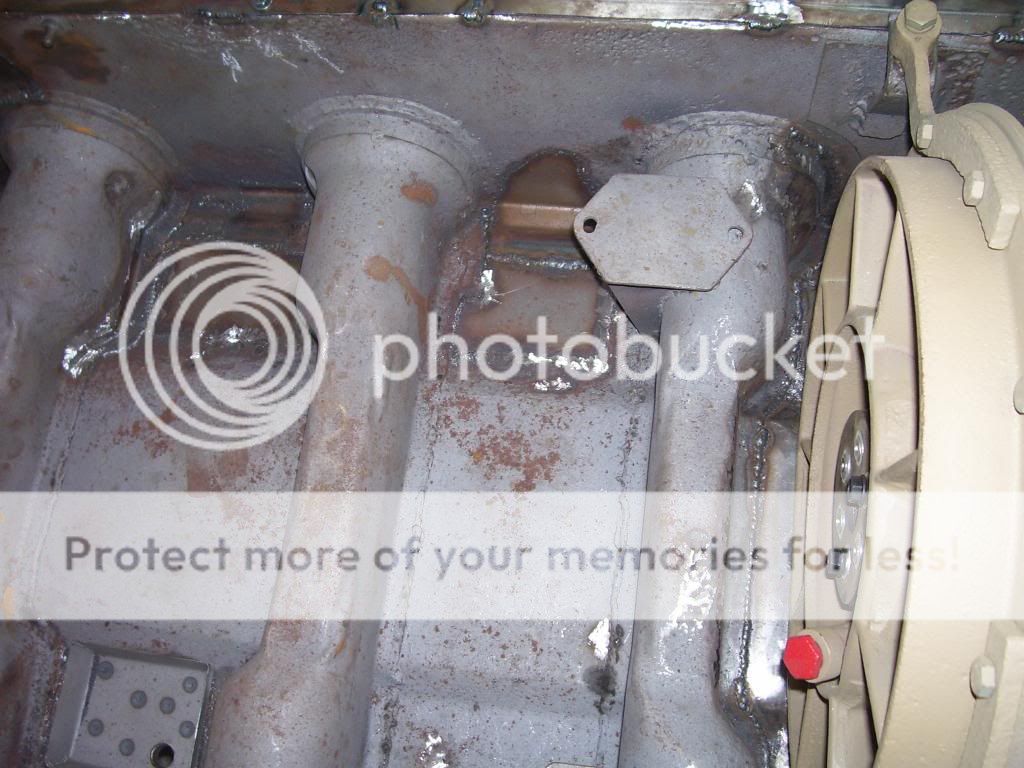
The all important rear lower half.
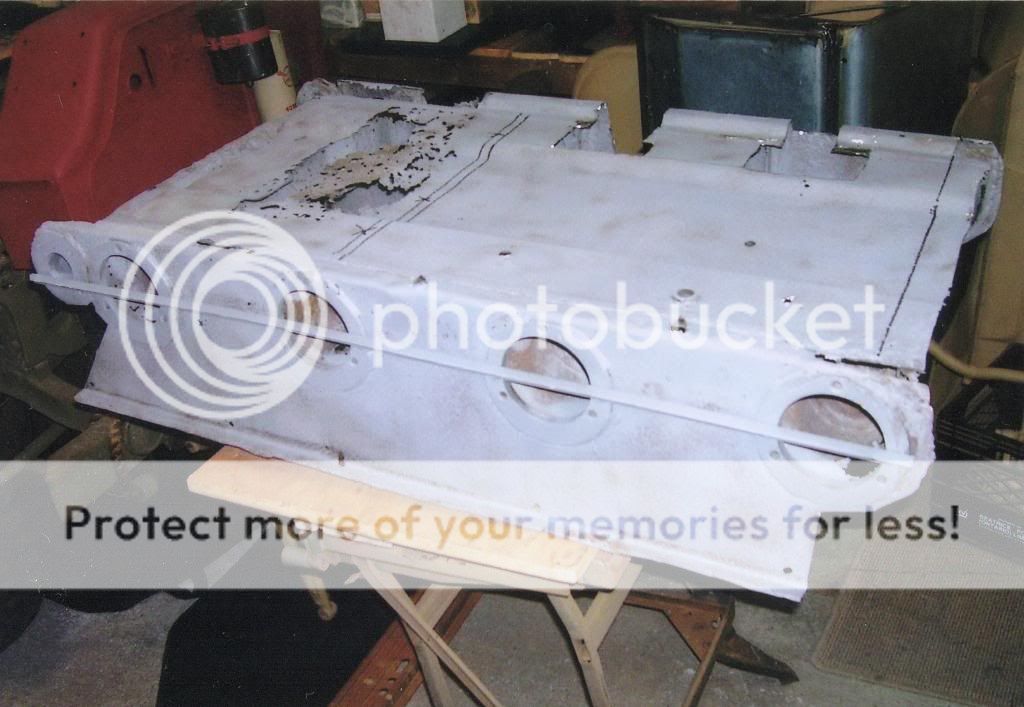
Further chopping gave up the front lower.
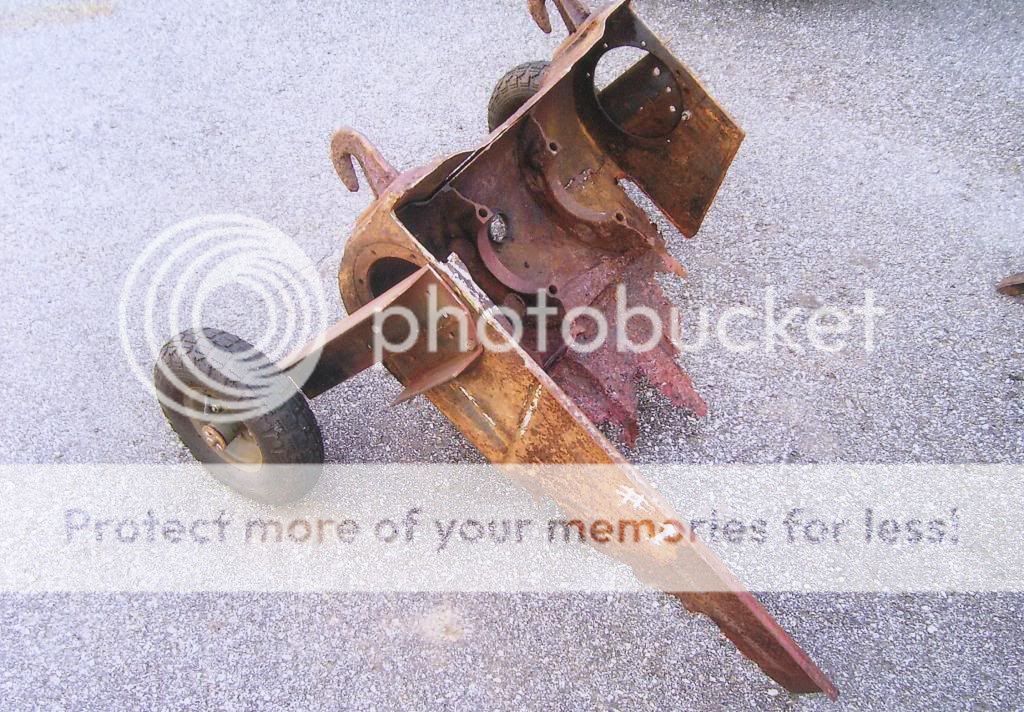
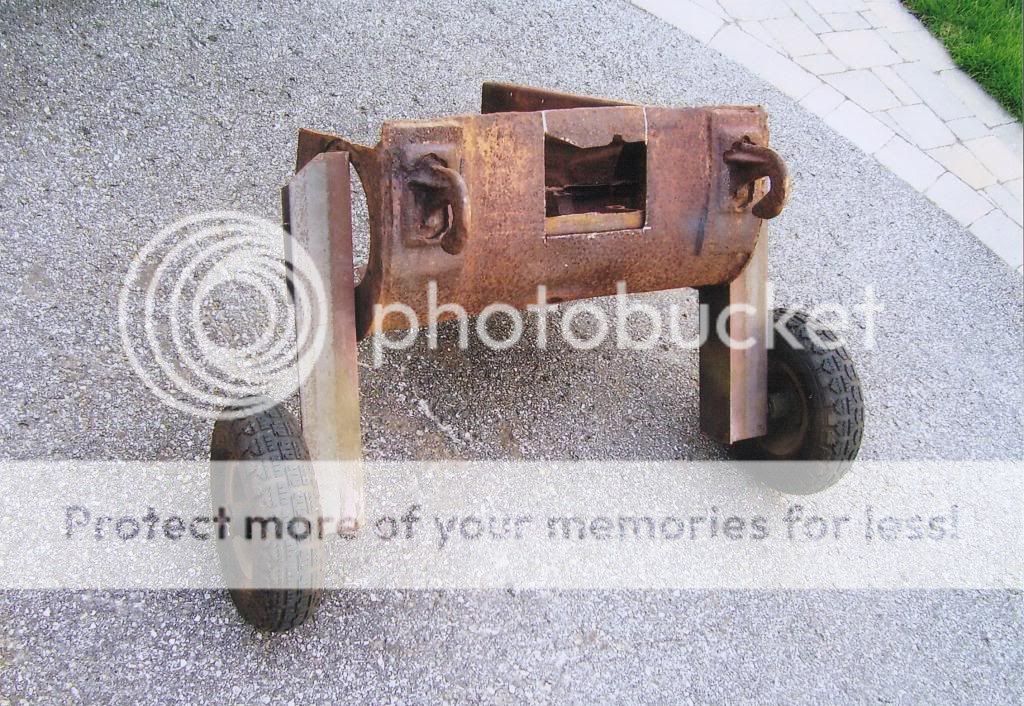
The last of the three really important sections to save, the panel with the steering knuckle, with these three cut off and sandblasted the corner has been turned at the teardown, now its time to use whats left to build the vehicle back up.
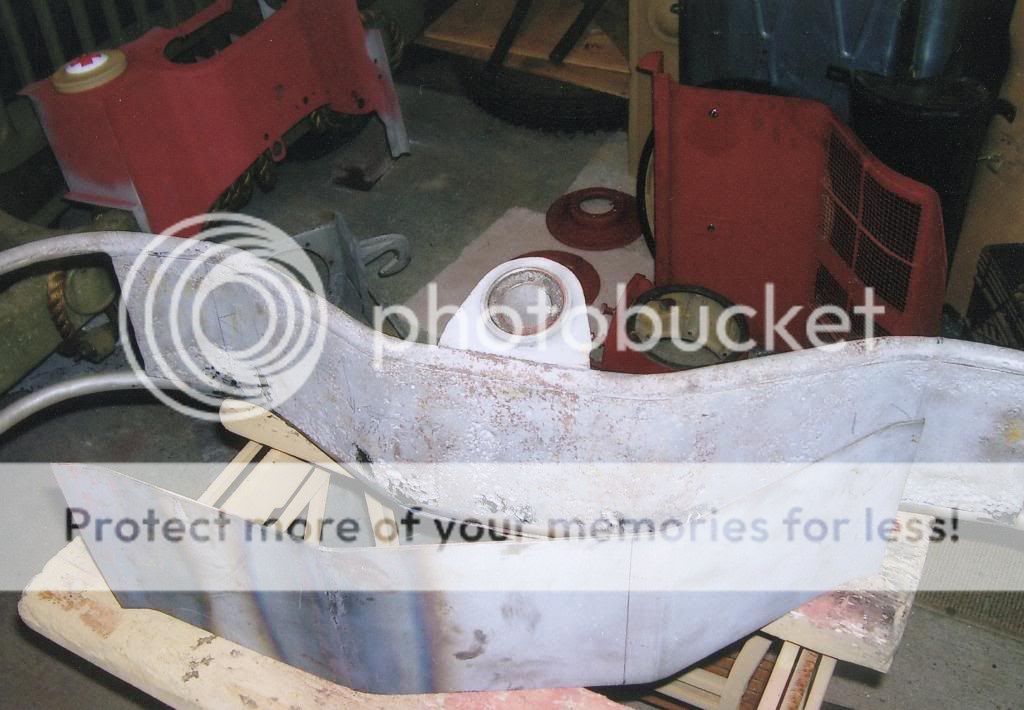
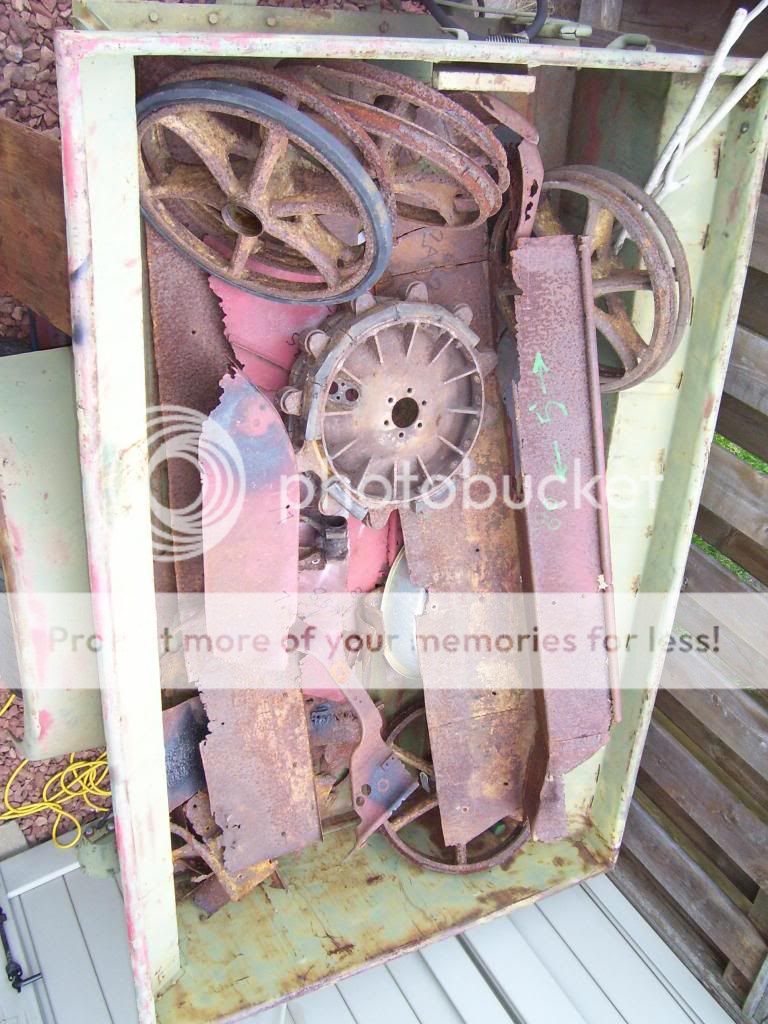
The bone yard, nothing is discarded as the rusted panels hold a metric ton of information and measurements. In time this fine pile of historic rust went to Alberta, Hi Darcy.
With the motor out and the suspension all removed it was time to tackle the body and salvage whatever was salvagable. I had bought the "vehicle" without seeing it myself but had a fellow in France assure me that it was a great vehicle for restoration and on his word and description took the leap of faith and bought it. In retrospect I see this as a double edged knife if I had seen it I probally would have walked away from it and 116714 would have been parted out and lost forever. So looking back, although its been no great fun at times, I did save this kettenkrad. Looking at the thousand or so pictures I had a "goodish" idea what panels or areas of panels that where savable and what was going to be replaced with new steel. The thing is while a panel, or a section of panel, may look OK its the sandblaster that has the final word.
Like firearms owners I wanted to save the serialized steering knuckle as thats something, someone, back in the day had hand stamped into the vehicle at time of build.

The upper half of the body was only good to provide details and measurements off of and using Bubba,s favourite tool, the angle head grinder, I chopped that off and set aside for future referance. At this point I thought, silly me, I could keep the lower half of the body in one piece and had braced the bottom with a section of old TV tower to prevent the vehicle from folding into itself.


I can see why Bubba likes the angle head grinders so much as once you get chopping away its so hard to stop. Here the upper half of the body is gone.........worse, much worse, was yet to come. After looking at the carcass and wondering just what I was going to do AND how to do it I decided the best way to restore the lower half was to section that in half so there was a front and rear lower body section. The rear lower section was all important as it has four formed housing for the torsion bars and the floor panel has square formed areas that all important to save.

The rear lower after sandblasting and refurb showing three of the four torsion bar houses (fourth is under the cooling fan).

The all important rear lower half.

Further chopping gave up the front lower.


The last of the three really important sections to save, the panel with the steering knuckle, with these three cut off and sandblasted the corner has been turned at the teardown, now its time to use whats left to build the vehicle back up.

The bone yard, nothing is discarded as the rusted panels hold a metric ton of information and measurements. In time this fine pile of historic rust went to Alberta, Hi Darcy.

Last edited:
Any records held by NSU concerning the wartime manufacture of kettenkrads is lost forever, not a big deal as it is what it is and absolutely a late kett built in Dec 1944. What I would dearly love is to find its service life which I suspect was pretty short lived as I am told/assured that it was a 1. Battle of the Bulge vehicle and 2. the war came to an end six months later. I suspect my old kett saw some action as its got the bullet hole (lovingly retained during restoration) to prove "it was there". VW although they where bombed heavily during the war still has their records, and for 30 Euros the Stiftung Automuseum Volkswagen of Wolfsburg sends you the Schwimmers Fahrzeug-Identitats-Urkunde giving one all the info they retain on your car like build date, date it leaves factory, where it was issued, engine specs, etc.Looks like you have a serial number there; were manufacturing records available?
I have to thanks everyone for the kind words during my postings, I was not sure how it would be received and glad to see the interest is there, lastly I would like to thank the folks running CGN for allowing me to ramble on about the restoration and hope I am not pushing the envelope with so many pictures, etc.

DragonFire
CGN Regular
- Location
- mid Canada
Most enjoyable. Keep on doing what you be doing.
DF
DF

Mr. Dynamite
CGN Regular
- Location
- Northern Alberta
Great thread! Keep it coming! Love the old military vehicle restos posted here.






















