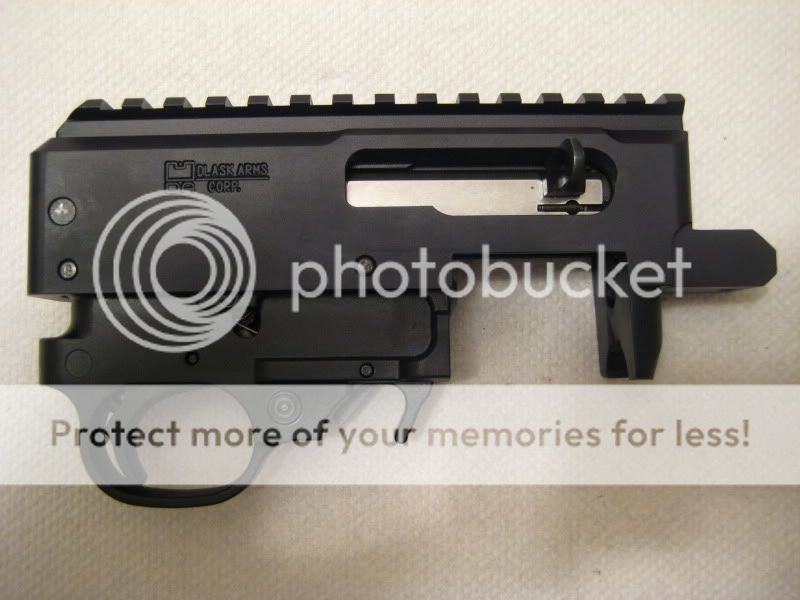
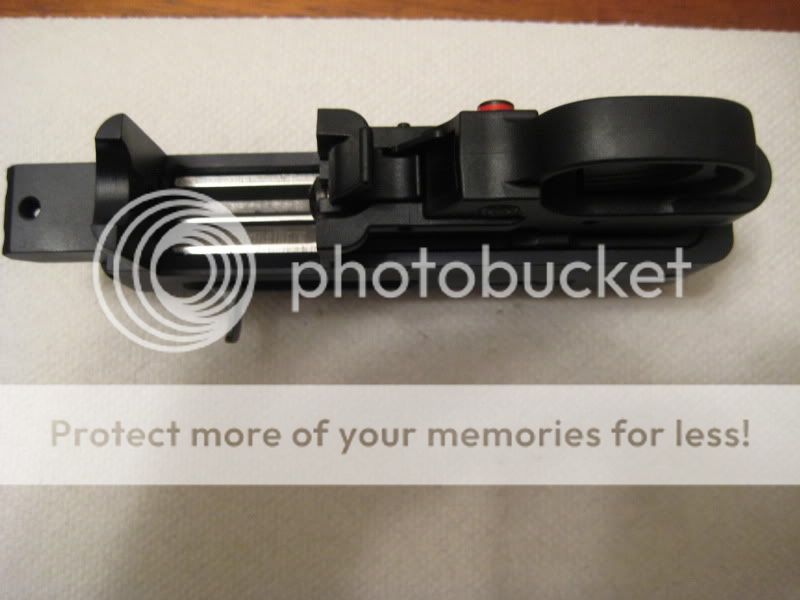
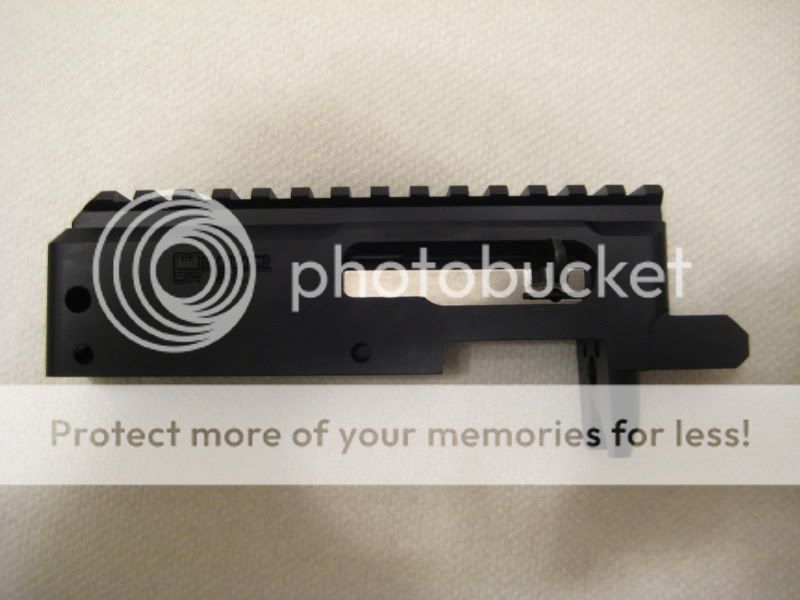
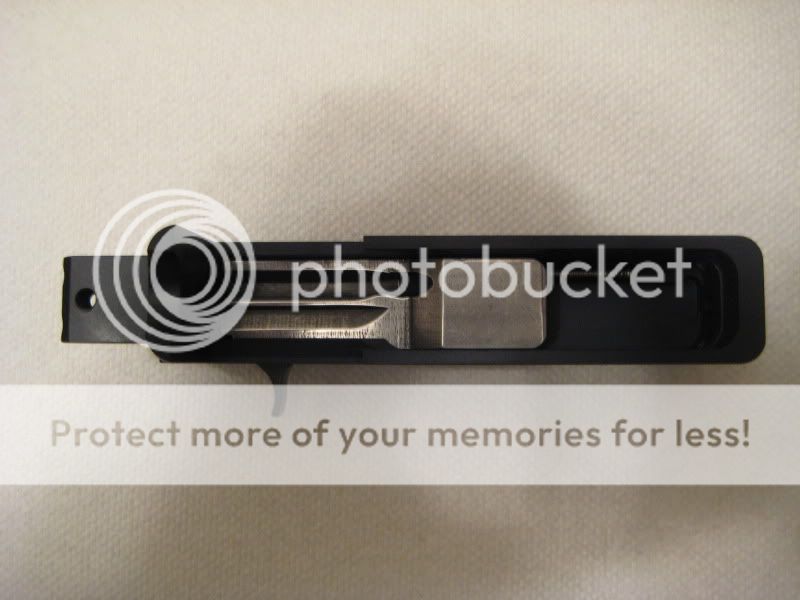
The fitting of the bolt is supposed to make sure there are no sharp burrs, nicks, or dents that can damage the receiver and the parts fit together properly.
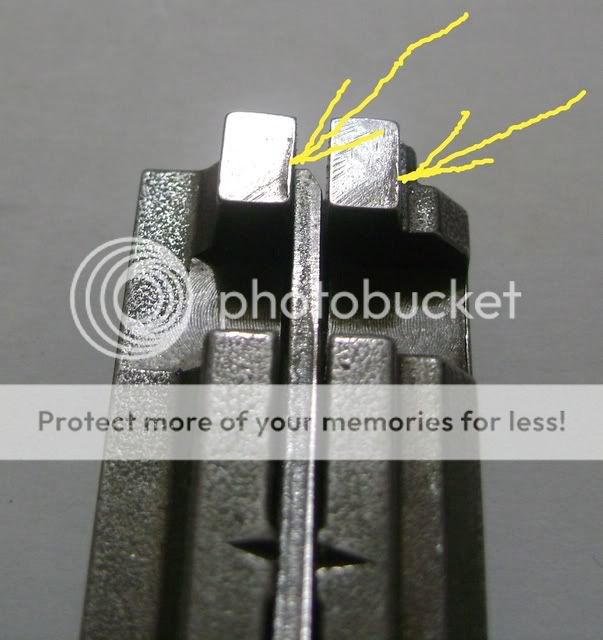
In the factory receiver, there is one single width for both the bolt and the TG.
In the Dlask receiver you will notice 2 internal widths
in order to ensure the bolt has the right amount of play.
First, there are few types of bolts around out there,
but most of the people will have
either the older 90's style or the after-2007 style.
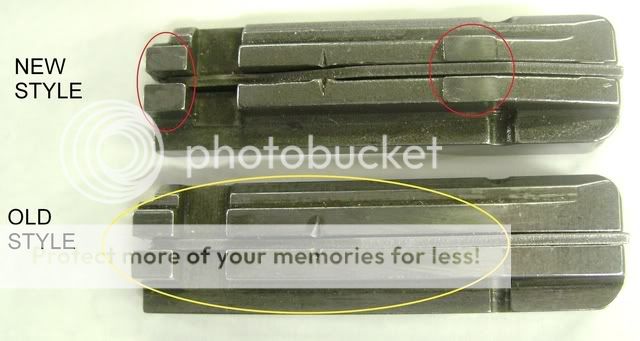
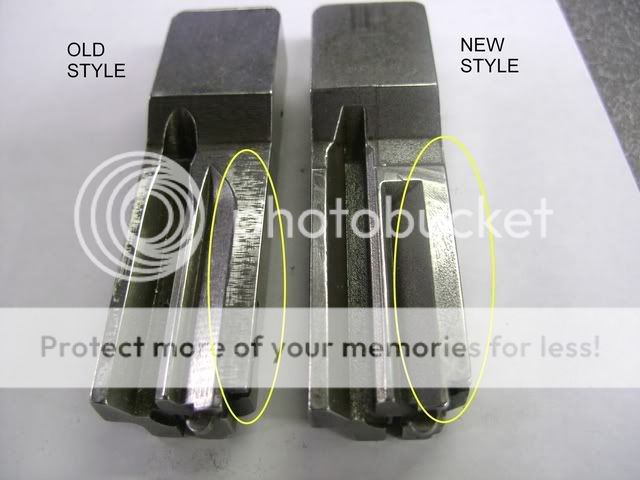
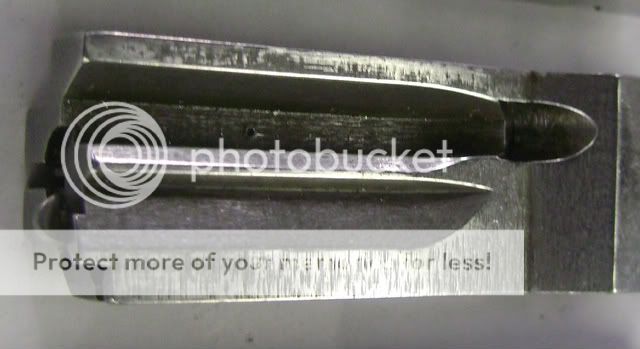
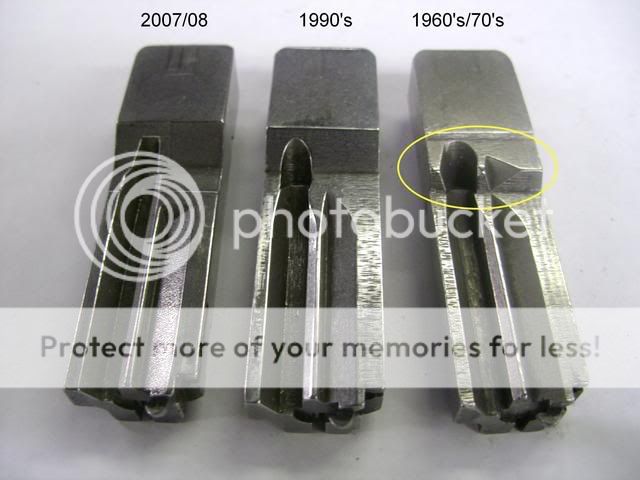
The older type has a solid top, that rides with its full length on the receiver,
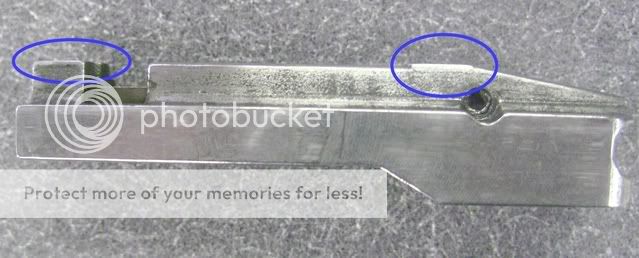
while the newer style has contact “pads” on top.
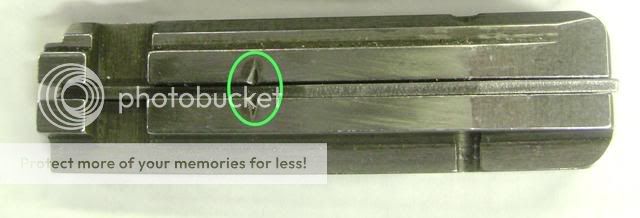
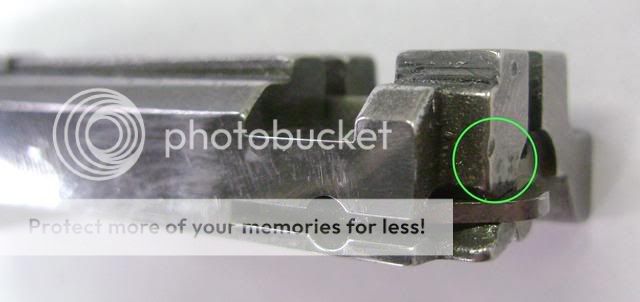
Both styles have a nasty crimping on top of the firing pin
that is done with a chisel-like tool.
However, only the crimping on the older style bolt
can touch and scratch (damage) the receiver.
That crimping has to be stoned flat at the same level with the rest of the bolt top.
Do not take more material than is necessary because you will change the dimensions
of the bolt resulting in a sloppy fit and excessive clearance.
All you want is to make that particular area at the same level with the rest of the bolt top.
Do not use a file, as the bolt is very hard and you will damage the file.
Use a stone. Brownell's and KBC Tools have the cheapest stones at around 10 bux.
Do not buy any fancy ones.
All you need is the cheapest stone with the condition that they are flat.
Use oil with any Arkansas or India stones.
On the newer style bolt, the crimping is in the depression between the contact “pads”
and it will not touch the receiver.
However, because of the way the newer bolts are machined,
there is the possibility to have some very nasty burrs on the pads
that can damage the receiver.
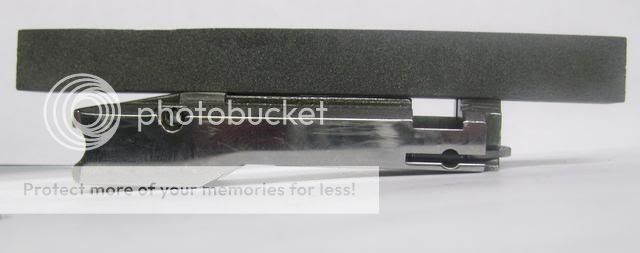
When stoning, rest the stone on the surface of all the pads (front and back),
as this will ensure you stay flat.
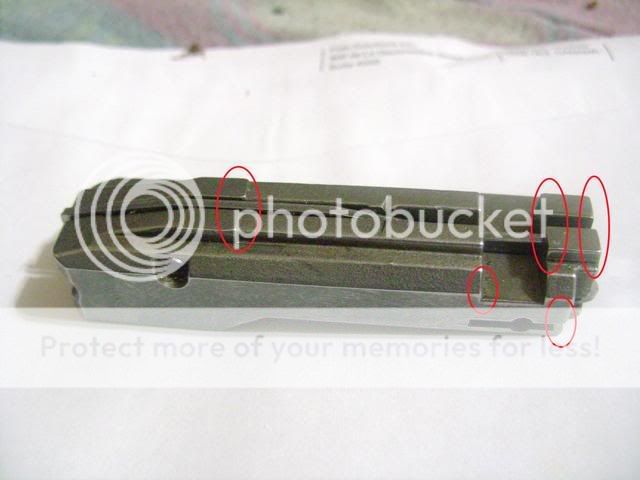
Carefully check all the surfaces that touch the receiver or other parts.
Usually, a couple of strokes with the stone will tell you
if there is a nick or dent with a high spot that needs to be stoned.
Again, stone down only a small amount,
do not remove more material than it is necessary.
Check the sides of the bolt.
Check the underside, where the bolt rides on the rail under the ejection port.
The cuts on the underside of the bolt should be carefully checked
by putting the bolt on top of the mag lips and sliding them against each other
to make sure they ride smoothly.
The front of the bolt where it touches the breech of the barrel
has to be free of high spots because it can damage the barrel or
it can un-necessary increase the head-space.
However, the stoning in this area should be minimal, otherwise
you can compromise the squareness of the bolt face.
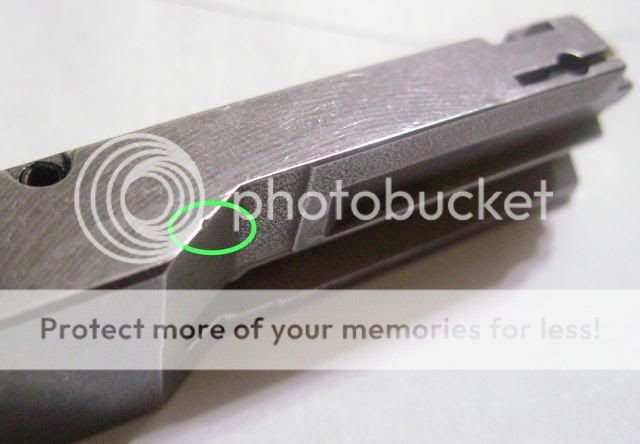
If the corners are too sharp, they can scrape the receiver
when the bolt moves back and forward.
However, do not excessively bevel or round the corners.
Just make sure they do not have sharp edges.
If the bolt had some work (machining) done to it,
there is the possibility there are sharp edges around the machined area
and you need to make sure they will not damage the receiver.
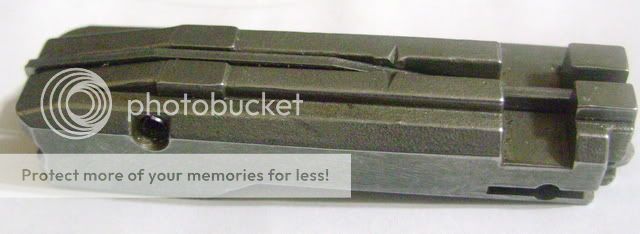
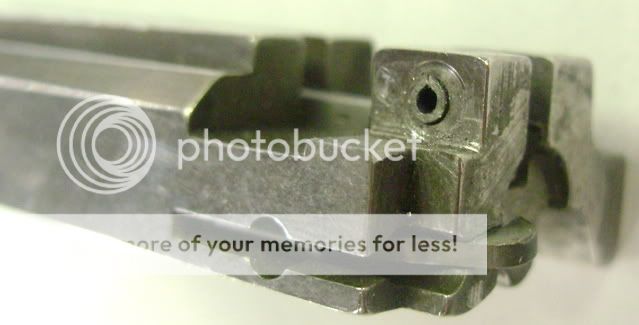
This particular bolt had a very radical surgery
(cross-pin on top of the firing pin installed through both sides).
It was carefully done and finished, but you should check the surfaces anyway.
When looking for bolts, some of you may find some oddities still floating around.
There are some old 60's (early 70's) style bolts with a different undercut.
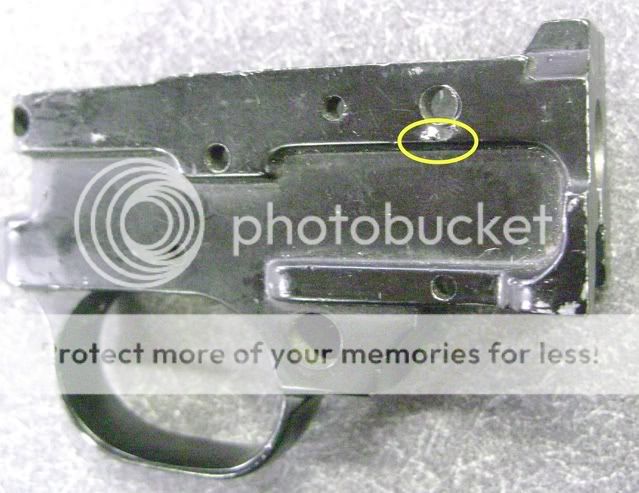
Be aware that usually those bolts will work only with those years' trigger groups.
If they are paired with newer style trigger groups, the protruding undercut
may touch the front of the trigger group before the bolt completely rests on the barrel breech.
But remember, be gentle when stoning.
Do not remove material more then it is necessary to flatten the high spots,
or you will modify the shape of the parts or the play between them.