Thanks for the comments.
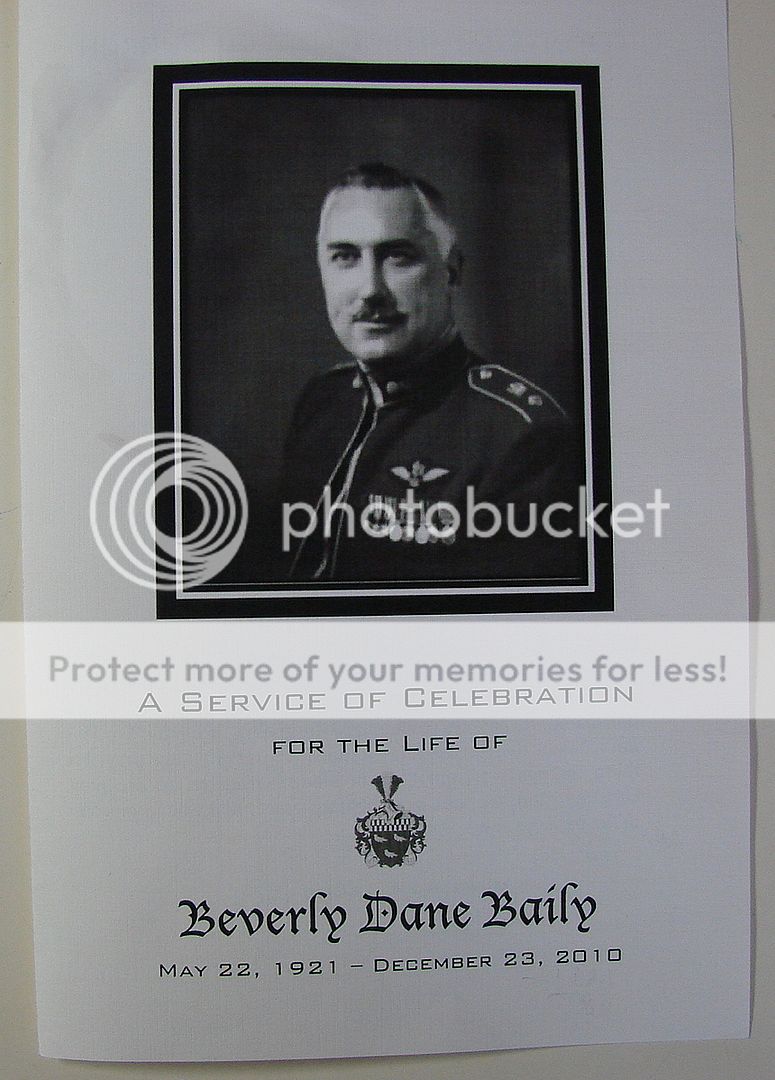
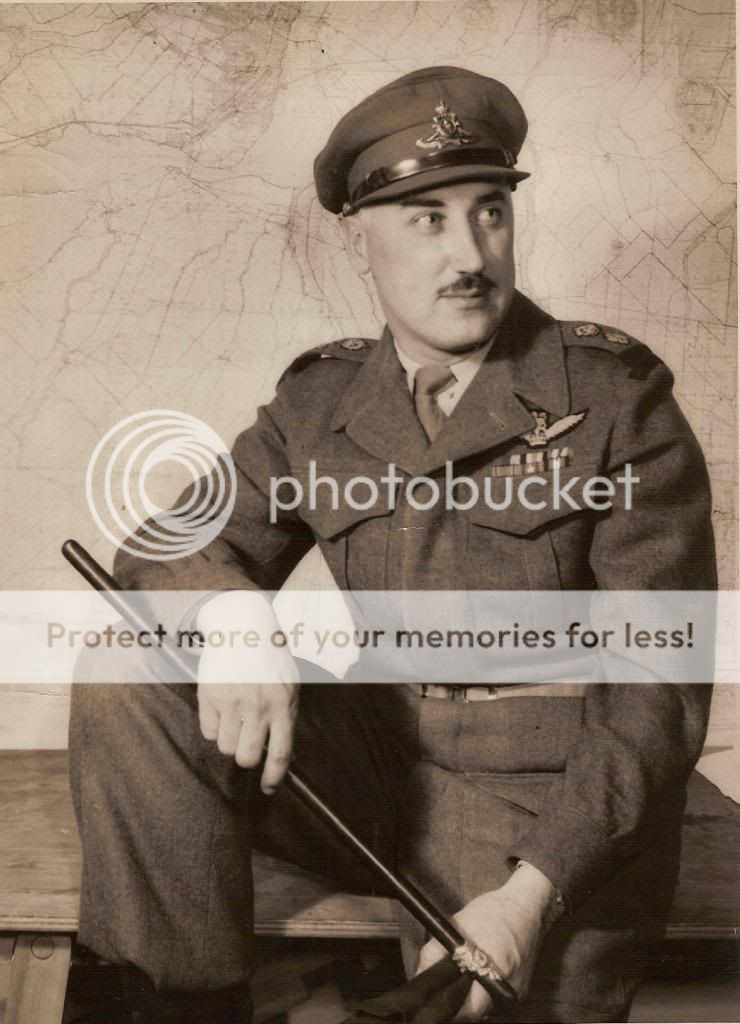
A little more background on the vet.

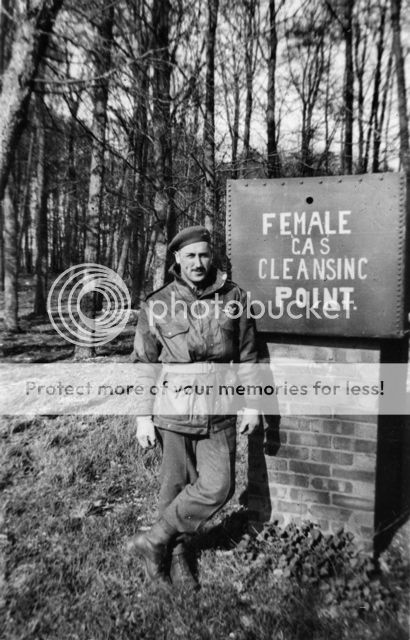
The vet in England.
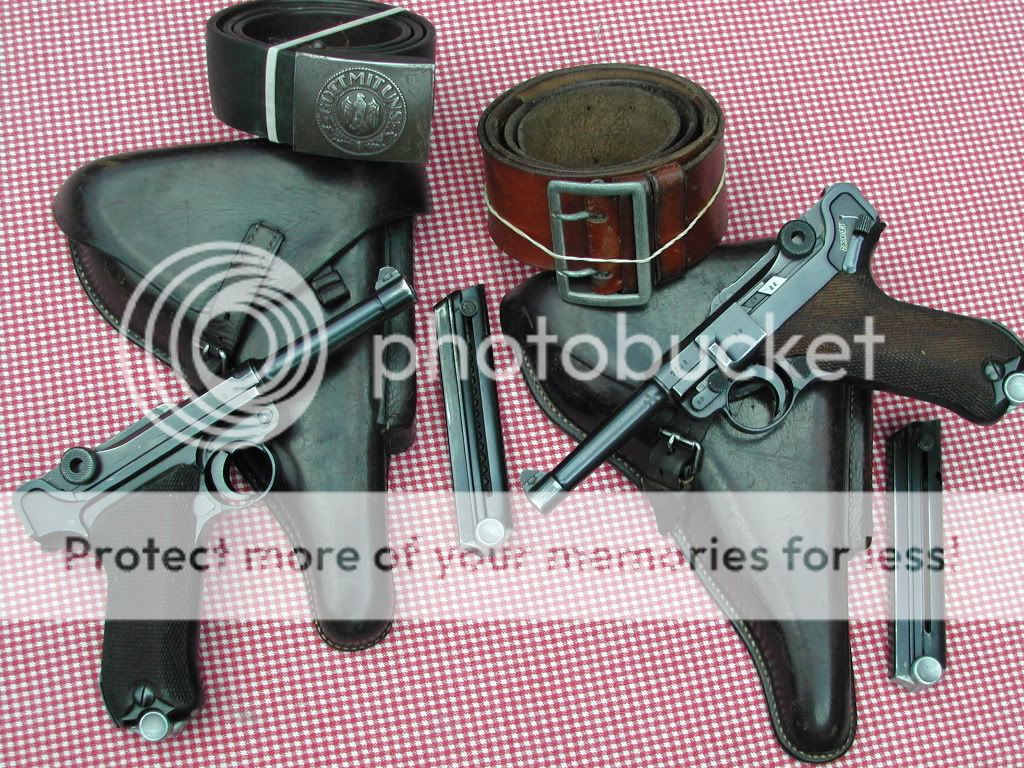
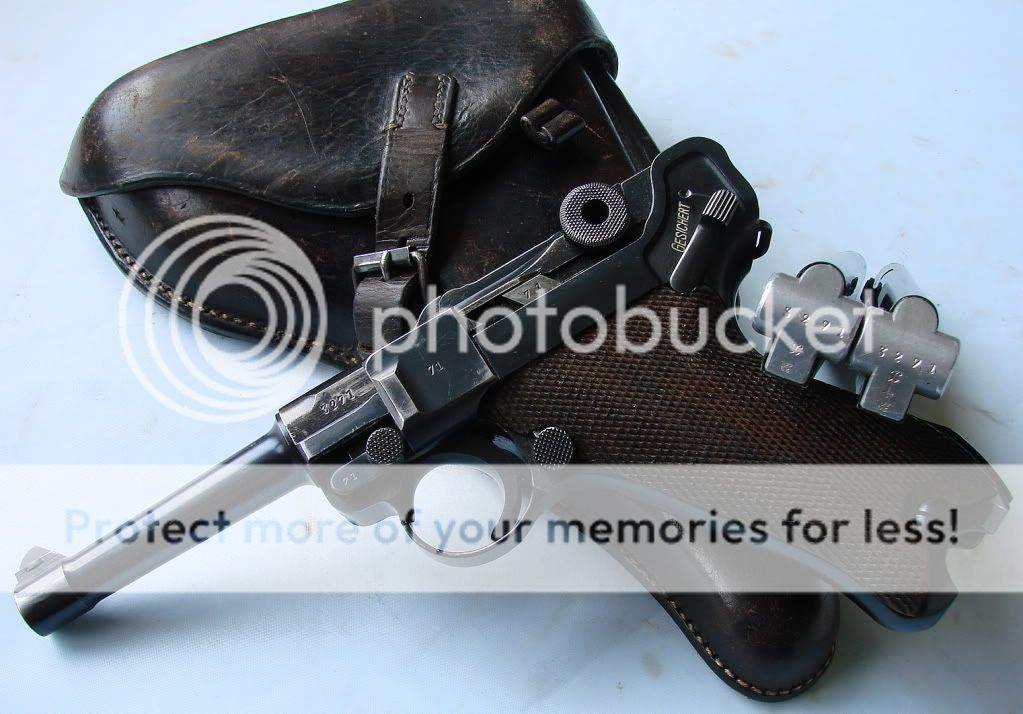
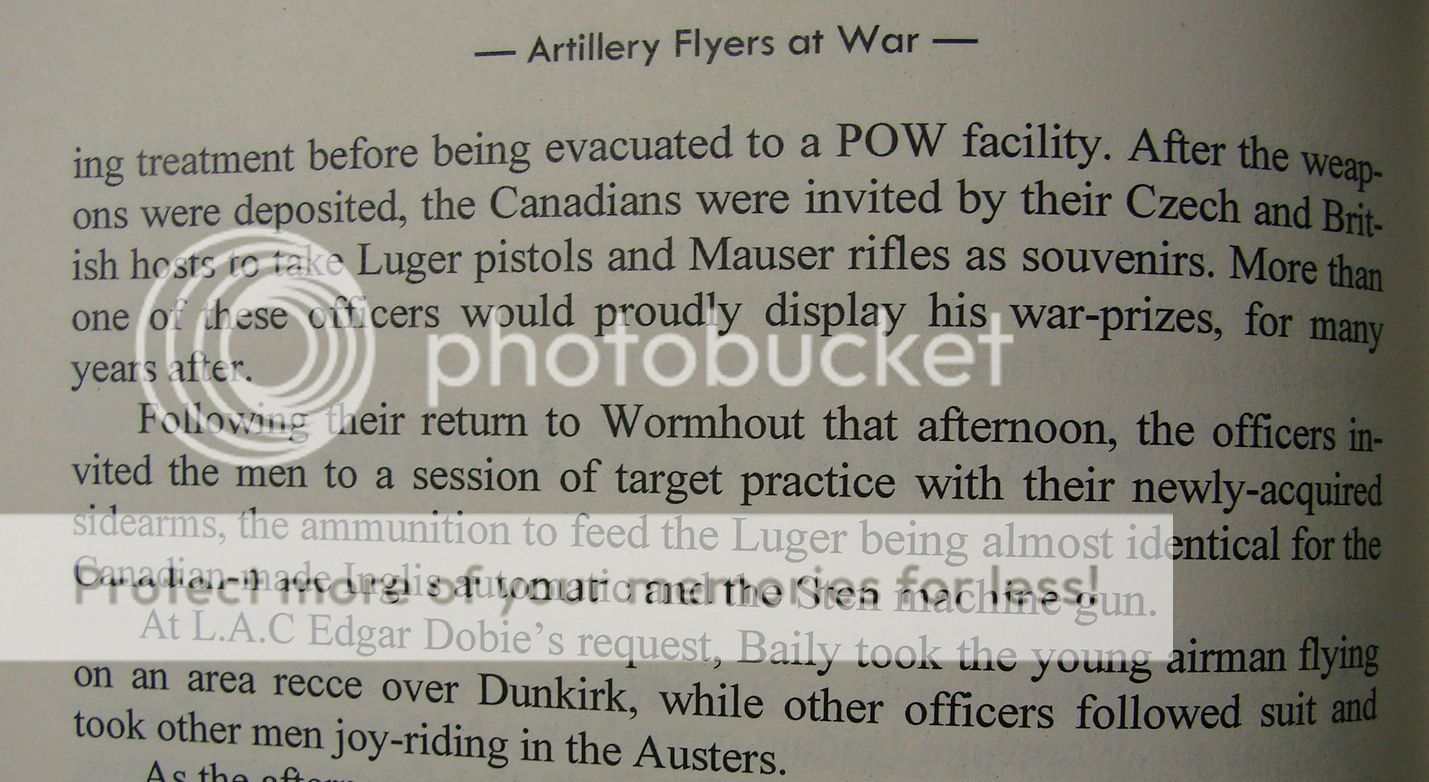
Comment in the book regarding getting the Lugers.
No. 665 "Air Observation Post" Squadron, RCAF was formed in England during the Second World War. It was manned principally by Royal Canadian Artillery (RCA) and Royal Canadian Air Force (RCAF) personnel, with select British artillery pilots briefly seconded to assist in squadron formation.
The squadron was formed on January 22, 1945, at RAF Andover, its principal role being to direct artillery fire from the air. The pilots were officers recruited from the Royal Canadian Artillery and trained to fly at 22 E.F.T.S. Cambridge, further developing advanced flying skills at 43 Operational Training Unit RAF (43 OTU), RAF Andover.
During the German occupation, Dunkirk was largely destroyed by allied bombings; the artillery siege of Dunkirk was directed on the final day of the war by pilots from No. 652 Squadron RAF, and No. 665 Squadron RCAF.
The vet's diary seems to have been helpful in putting things into a time perspective.
Supposedly Baily (the vet) was flying one of the 665 Squadron AOP aircraft over Dunkirk when VE DAY was called on May 8 1945.
From the vet's diary;
May 7 (1945)—"What a day, what a day! Starting at 0700 hrs. we were shooting all day and really giving Dunkirk a going over. However, I was up doing a shoot at about 1630 when it was suddenly cancelled." (Germany had surrendered.)
May 10—"Ray and I flew all over Dunkirk looking at the targets we had taken on.… When we came down we hopped in his jeep and dashed off to one of the places where they were disarming the Gerries and I managed to pick up two first-class Lugers and one old P38."
-----------------------------------------------------------
Comments from the author of the book shown here.
Bev (the vet) was commissioned into the Royal Canadian Artillery, and wound up in the 5th Medium Regiment, RCA, fighting a very dangerous war on the ground in Italy. To "ante up" as other countries had in Italy, Harry Crerar made a decision (the right one) to form the Canadian Air Observation Post in 1944 (Brazil even had an AOP squadron fighting in Italy on the Allied side); Officers from the Canadian artillery regiments in Italy were chosen to sail back to England and take pilot training...and Bev was one of them.
There was an article that came out in the Ottawa Citizen some years ago, about Ray Irwin having fired the last Canadian shot of the war in Europe. Technically this was incorrect, and I sought to correct the error in the book. The B Flight clerks logged the departure and return of each sortie flown (15 operational flights from ALG Wormhout to action-stations over Dunkirk on Monday, May 7, 1945...two days after all fighting had ended in Holland and Germany). In fact, Bev was the last combatant in the air over Dunkirk, when the cease-fire was called.
The vet was an old family friend---he gave me the Luger rig on June 2 2001.