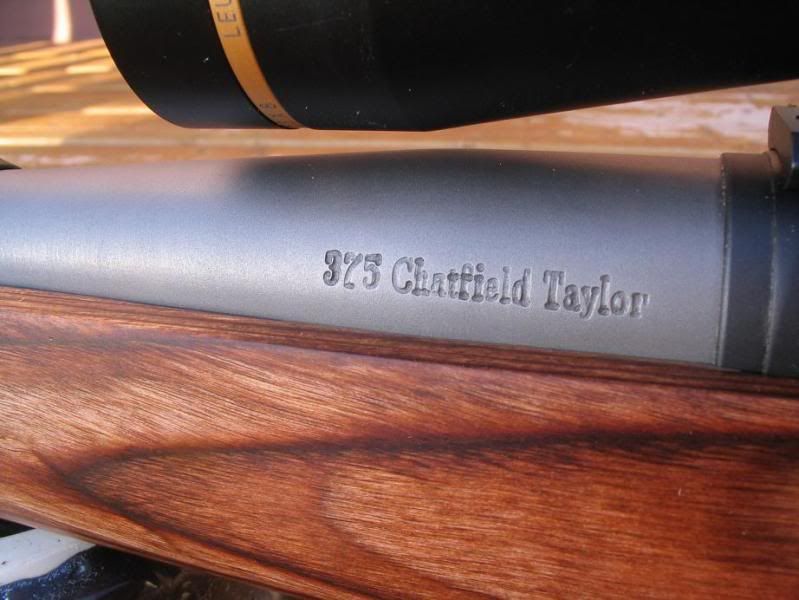
Cleo, IMHO, you should consider handloading for your new rifle, even though you don't handload yet. The only way to get good with a powerful rifle is to shoot it frequently, and this is more manageable by handloading. Thus the cost of shooting is reduced, and it allows you to choose the power level appropriate for your purposes, in other words you can choose to reduce recoil. The brass cartridge is the most expensive component that makes up our ammunition. But it is also the only component that is reusable, so each time you reuse a piece of brass, it reduces the cost of your shooting. But to my way of thinking, the real value of handloading is the versatility it adds to your rifle. You can make ammo that you can't purchase at any price, and that's important. If you purchase the rifle and find the recoil a bit harsh for your comfort level, you can load a lighter bullet and/or use a reduced powder charge to reduce the recoil to a level you can manage. With factory ammo, if you can't manage the recoil, you have few options other than sell the rifle. Once you have mastered a reduced load, then over time, you can work back up until you can manage the full potential of the cartridge, with the advantage of having a broader choice of bullets than the factory offers. If you want to hunt small game with your big game rifle, it is a simple matter to load a cast bullet, or if you can find an inexpensive jacketed bullet, to 1200 fps, and use that load to kill upland game with little more damage than produced by a .22 rimfire. A handloading set up can be built around a Workmate, folding bench, so it takes up little room, and a modest set up can get you in the game for perhaps $300. Once you've got started, it is then a fairly simple matter to handload for your other centerfires.