fat tony
CGN Ultra frequent flyer
http://www.quarry.nildram.co.uk/Vickers.html
It's interesting that a lot of the Vickers projects of that era are shrouded in mystery. . .
The story of the Vickers gun is well known. It originated in the first successful self-powered machine gun, the Maxim of 1884, which had become the standard machine gun of the British Army by 1891 and was adopted (under various names) by many other armies. A modified version with a more compact mechanism was adopted by the British Army early in the 20th Century as the Vickers-Maxim but later simply became known as the Vickers. It was available for various rifle cartridges (up to .45 inch or 11.5 mm) but in British service was overwhelmingly used in .303 inch (7.7x56R) calibre. It fought through two world wars and remained in front-line British service until the mid-1950s.
Also well known are the big "pom-poms" in 37 mm or 40 mm. The first of these was the Maxim one-pounder (1 pdr) of the late 19th Century in 37x94R calibre, named for the weight of the shell. This was manufactured by Vickers, who went on to develop heavier versions. The first of the these was the 1½ pdr (37x123R) just before the First World War (this was experimentally fitted to the R-31 airship, in a circular top mounting), but shortly afterwards this was replaced by the 2 pdr (40x158R) which became the standard naval AA gun, available in single, four and eight-barrel mountings, serving until after the Second World War.
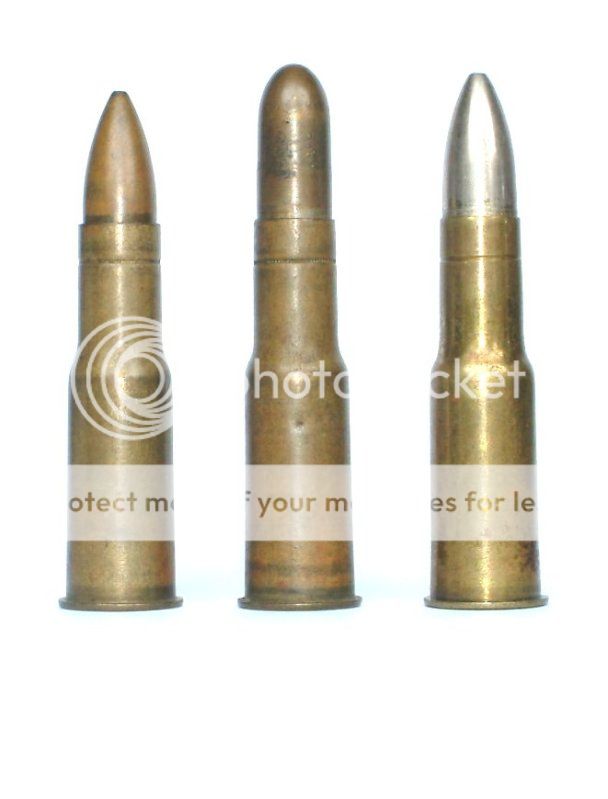
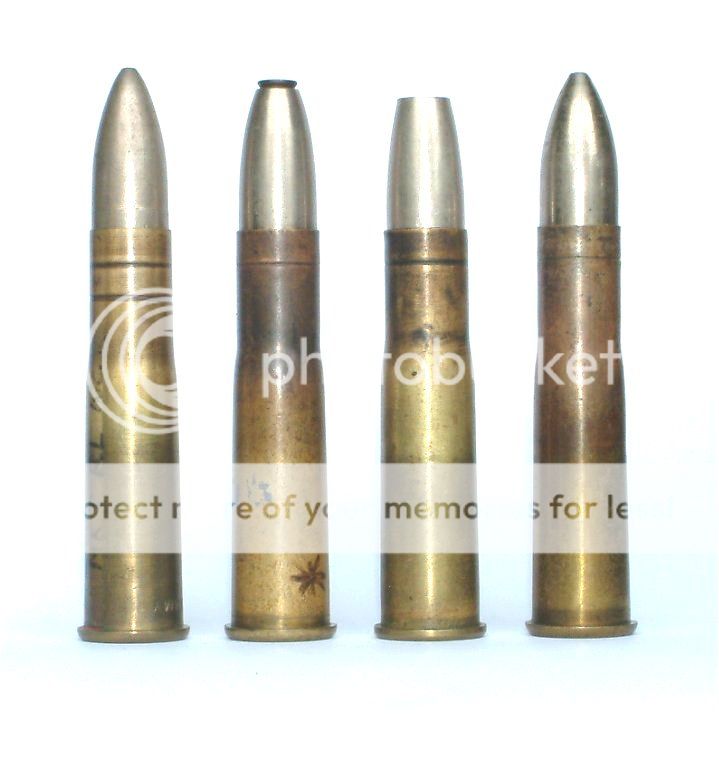
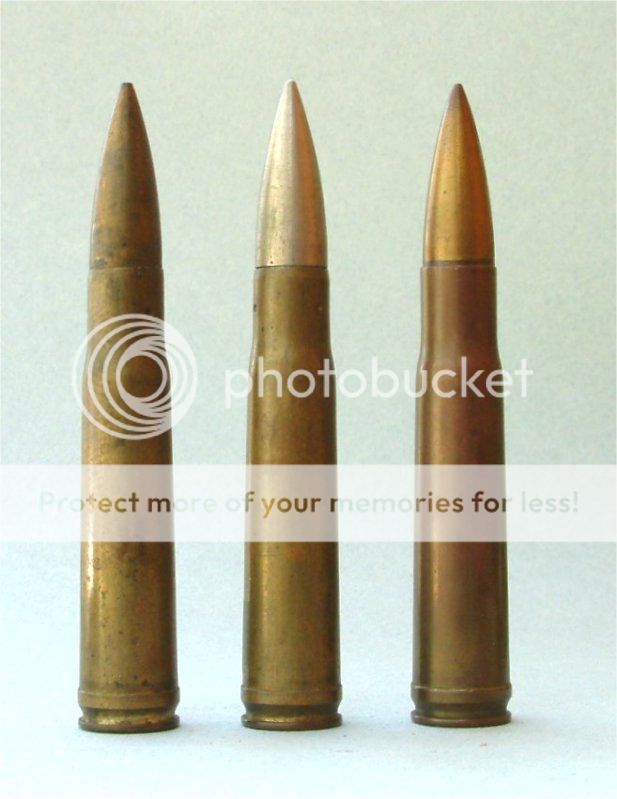
In between these were the .5 inch machine guns, which are much less well known. This account is intended to describe the various experimental and service weapons and their ammunition, developed mainly in the interwar period, some of which saw service but several of which did not.
It's interesting that a lot of the Vickers projects of that era are shrouded in mystery. . .
Last edited: