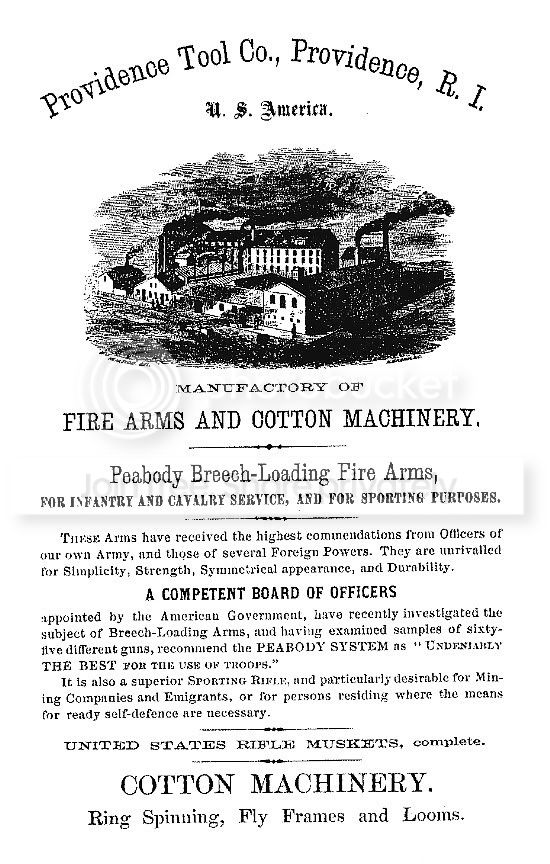
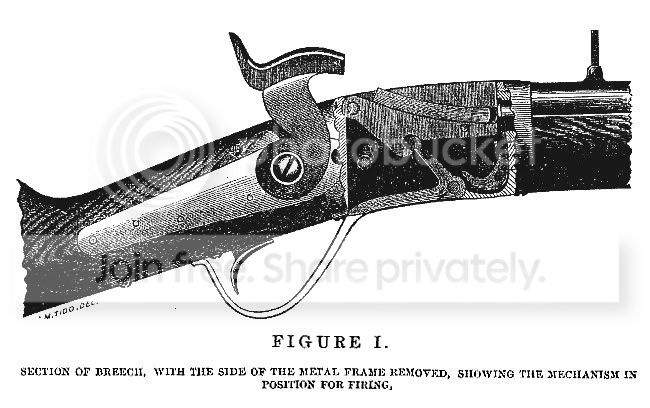
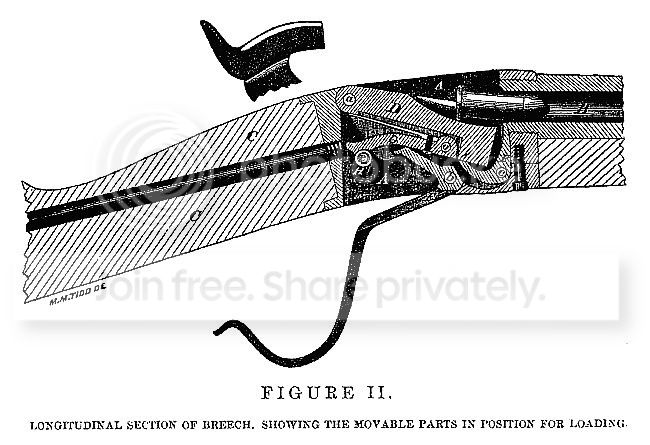
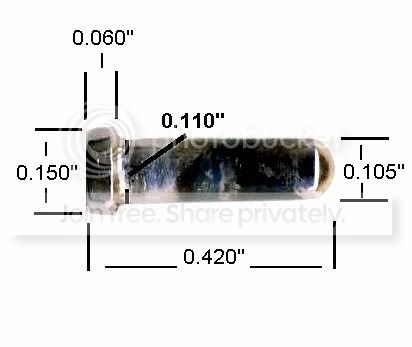
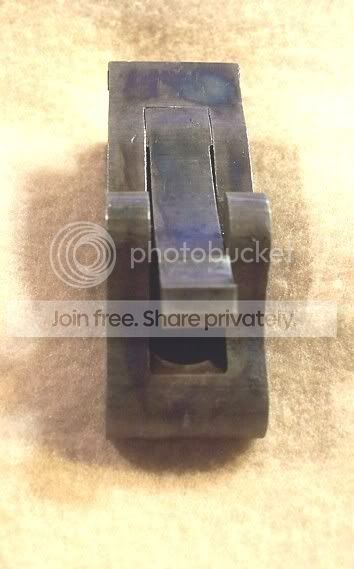
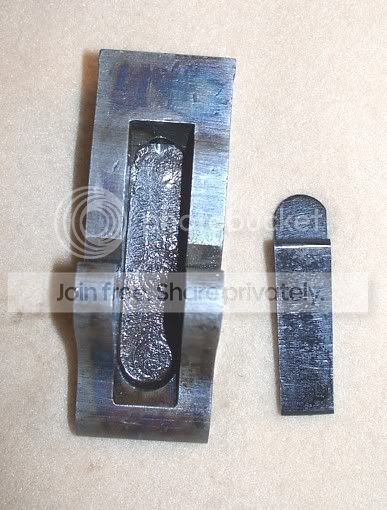
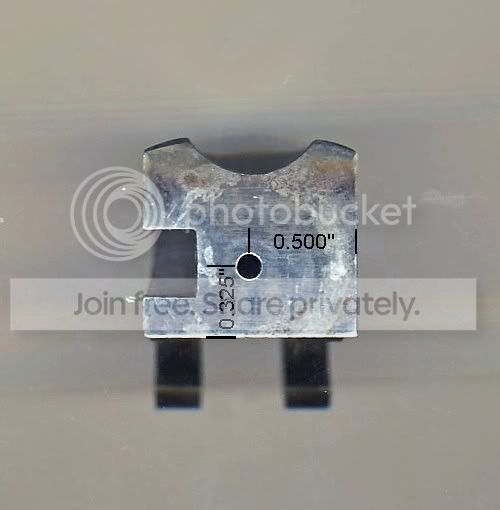
Although not mentioned in my original post, the 3000 Canadian-issue Peabody rifles were acquired in 1866 on a rather "emergency" basis (along with an even greater quantity of .56-.50 Spencer rifles and carbines) in the face of a threat of military invasion by the original "Irish Republican Army" of the US-based Fenian Brotherhood. 
At that time, the British Army and Canadian Militia were both armed with the muzzle-loading .577 caliber Enfield rifle, with the Snider breech system for conversion of those frontstuffers to breechloaders just in the process of being approved (though such conversions did not begin in Britain until October 1866, if I recall correctly.) It was felt that something more effective than muzzle-loaders was needed, but the situation was too urgent to wait for Snider-Enfields, which were going to be the "new" rifles for British and Empire troops, at least for the immediate future. (The first Snider-Enfields did not reach Canada until well into 1867, in fact ...)
It seems to make sense in such circumstances (at least to our present-day mindset, and in hindsight) that it would be considered advisable to have the barrel specifications of these "stopgap" breechloaders made to a size and configuration to accept the existing Pattern 1853 Enfield socket bayonets - which were to continue in use with the Snider conversions, in any event. However, I am familiar enough with various 19th century acquisitions of firearms and other military equipment to know that such "practical considerations" were not actually applied in practice all that often.
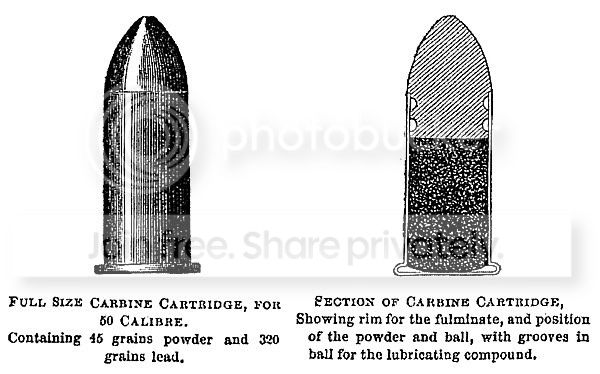
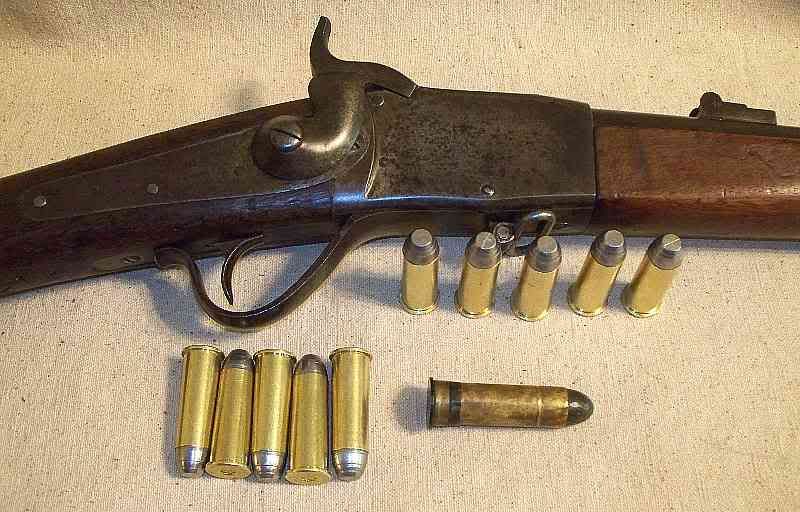
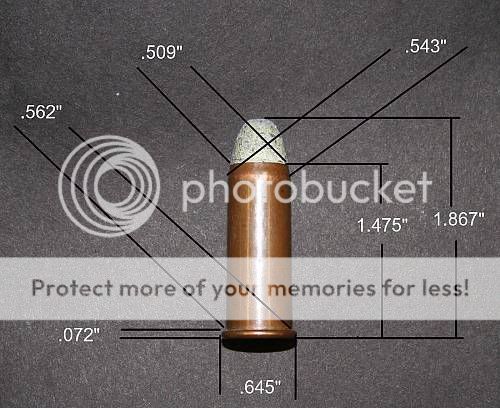
According to David Edgecombe's "Defending the Dominion: Canadian Military Rifles, 1855-1955" the Peabody contract called for 3000 rifles equipped with bayonets. It seems highly unlikely that any existing Peabody design specifications would have included a barrel contour and front sight/bayonet lug combination identical to the British P'1853 Enfield rifle. In view of the "rush" nature of the contract for these rifles - which, for example, were somewhat reluctantly accepted in the existing .50-60 rimfire chambering which the Providence Tool Company was already set up to manufacture - I think it has long been assumed that an existing "on the shelf" design was rushed into production to fill this order. No details of the Peabody bayonets are given in David's book (or elsewhere that I can recall seeing), but one would normally think that the mere fact bayonets were also included in the order actually tends to suggest that existing British bayonets wouldn't fit these rifles ...
That is why it is quite surprising - at least to me - to discover that the outside dimensions and sight/lug configuration of these .50 caliber Peabody barrels actually duplicate those of the .577 caliber British Enfield rifle so closely that the standard British bayonet fits "to a tee" like this.
I do recall that David Edgecombe's research indicates that the end price negotiated for the Peabody rifles was actually significantly less than the amount at first quoted for each rifle and bayonet. I am now wondering whether arrangements might possibly have been made for changes in the Peabody barrel specifications so that bayonets could be eliminated from the order ... At any rate, I have sent off an e-mail to David for his reaction and comments ...
At that time, the British Army and Canadian Militia were both armed with the muzzle-loading .577 caliber Enfield rifle, with the Snider breech system for conversion of those frontstuffers to breechloaders just in the process of being approved (though such conversions did not begin in Britain until October 1866, if I recall correctly.) It was felt that something more effective than muzzle-loaders was needed, but the situation was too urgent to wait for Snider-Enfields, which were going to be the "new" rifles for British and Empire troops, at least for the immediate future. (The first Snider-Enfields did not reach Canada until well into 1867, in fact ...)
It seems to make sense in such circumstances (at least to our present-day mindset, and in hindsight) that it would be considered advisable to have the barrel specifications of these "stopgap" breechloaders made to a size and configuration to accept the existing Pattern 1853 Enfield socket bayonets - which were to continue in use with the Snider conversions, in any event. However, I am familiar enough with various 19th century acquisitions of firearms and other military equipment to know that such "practical considerations" were not actually applied in practice all that often.
According to David Edgecombe's "Defending the Dominion: Canadian Military Rifles, 1855-1955" the Peabody contract called for 3000 rifles equipped with bayonets. It seems highly unlikely that any existing Peabody design specifications would have included a barrel contour and front sight/bayonet lug combination identical to the British P'1853 Enfield rifle. In view of the "rush" nature of the contract for these rifles - which, for example, were somewhat reluctantly accepted in the existing .50-60 rimfire chambering which the Providence Tool Company was already set up to manufacture - I think it has long been assumed that an existing "on the shelf" design was rushed into production to fill this order. No details of the Peabody bayonets are given in David's book (or elsewhere that I can recall seeing), but one would normally think that the mere fact bayonets were also included in the order actually tends to suggest that existing British bayonets wouldn't fit these rifles ...
That is why it is quite surprising - at least to me - to discover that the outside dimensions and sight/lug configuration of these .50 caliber Peabody barrels actually duplicate those of the .577 caliber British Enfield rifle so closely that the standard British bayonet fits "to a tee" like this.
I do recall that David Edgecombe's research indicates that the end price negotiated for the Peabody rifles was actually significantly less than the amount at first quoted for each rifle and bayonet. I am now wondering whether arrangements might possibly have been made for changes in the Peabody barrel specifications so that bayonets could be eliminated from the order ...
At any rate, I have sent off an e-mail to David for his reaction and comments ...