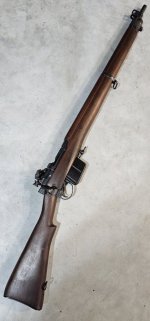
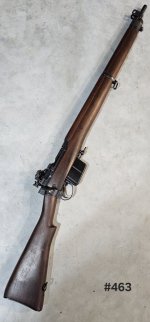
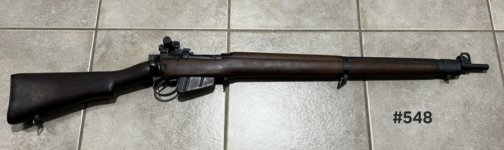
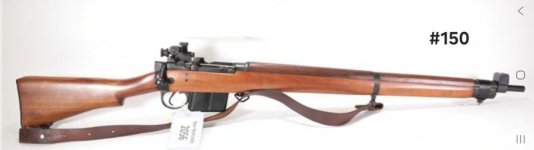
Hi everyone, I was reading the thread for some information on DRCA rifles and I think I found what was left of #1384.
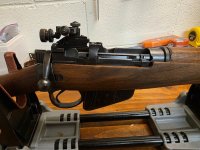
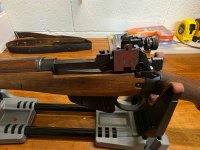
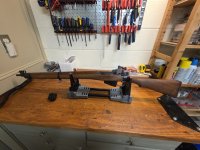
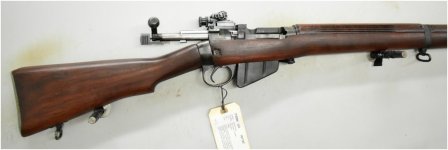
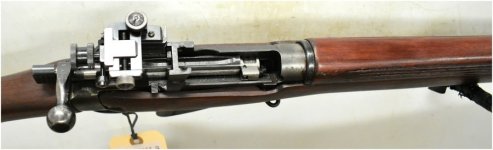
I happen to own barrel #188 and was planning to put it back as a rifle. I saw a sporter MK1/3 come up in an auction and bid on it. When it arrived, I noticed the receiver rail was damaged and someone had spot welded it in a way that the bolt couldn’t be taken out. So I took the parts out and got a receiver from Marstar. I practiced removing the barrel on the barreled action and put he parts aside and didn’t think much about it.
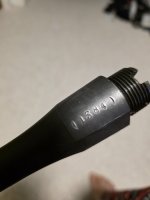
After a while I needed to measure something and looked at the barrel and to my surprise noticed it's for a rimless cartridge and that's when things clicked. I looked closer and found the DRCA stamp and serial number (see pictures, the DRCA stamp is partial, but it is there.
I don’t believe the barrel and rifle belonged together as the barrel has tapping holes on the threads but the receiver has no tapping. Also, not other DRCA stamps on any other parts.
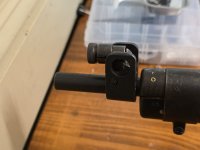
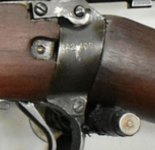
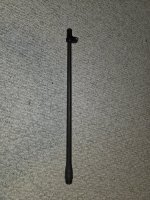
Unfortunately, the barrel has been cut up and someone added a partial Lee Enfield No 5 muzzle device on it (missing bayonet lug and flash hider, but added ports on top).
I didn’t have any plans for the barrel when I though it was a 303, but now I’m thinking maybe I keep it and build a 7.62x51 No 5 look alike at some point in the future.
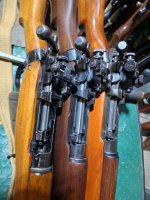
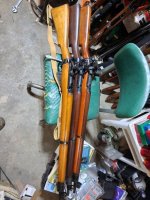
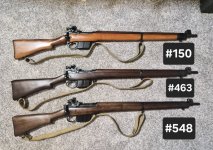
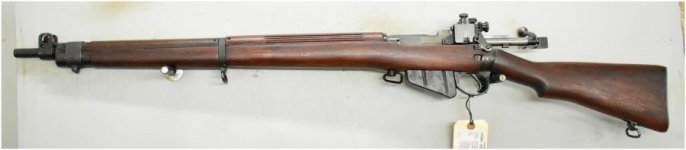
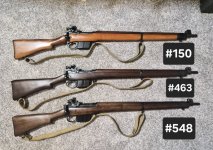
I’ve included some pictures for reference
Sasan
Sasan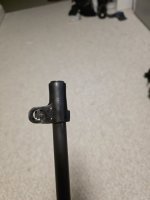
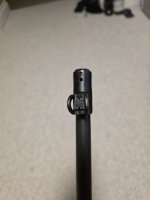
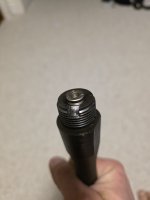
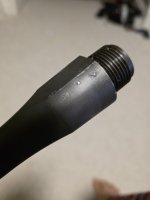
I happen to own barrel #188 and was planning to put it back as a rifle. I saw a sporter MK1/3 come up in an auction and bid on it. When it arrived, I noticed the receiver rail was damaged and someone had spot welded it in a way that the bolt couldn’t be taken out. So I took the parts out and got a receiver from Marstar. I practiced removing the barrel on the barreled action and put he parts aside and didn’t think much about it.
After a while I needed to measure something and looked at the barrel and to my surprise noticed it's for a rimless cartridge and that's when things clicked. I looked closer and found the DRCA stamp and serial number (see pictures, the DRCA stamp is partial, but it is there.
I don’t believe the barrel and rifle belonged together as the barrel has tapping holes on the threads but the receiver has no tapping. Also, not other DRCA stamps on any other parts.
Unfortunately, the barrel has been cut up and someone added a partial Lee Enfield No 5 muzzle device on it (missing bayonet lug and flash hider, but added ports on top).
I didn’t have any plans for the barrel when I though it was a 303, but now I’m thinking maybe I keep it and build a 7.62x51 No 5 look alike at some point in the future.
I’ve included some pictures for reference
Sasan
Sasan
Last edited: