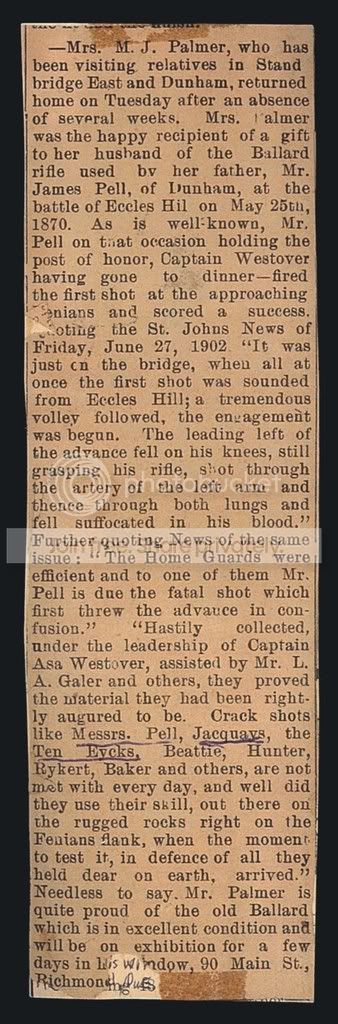
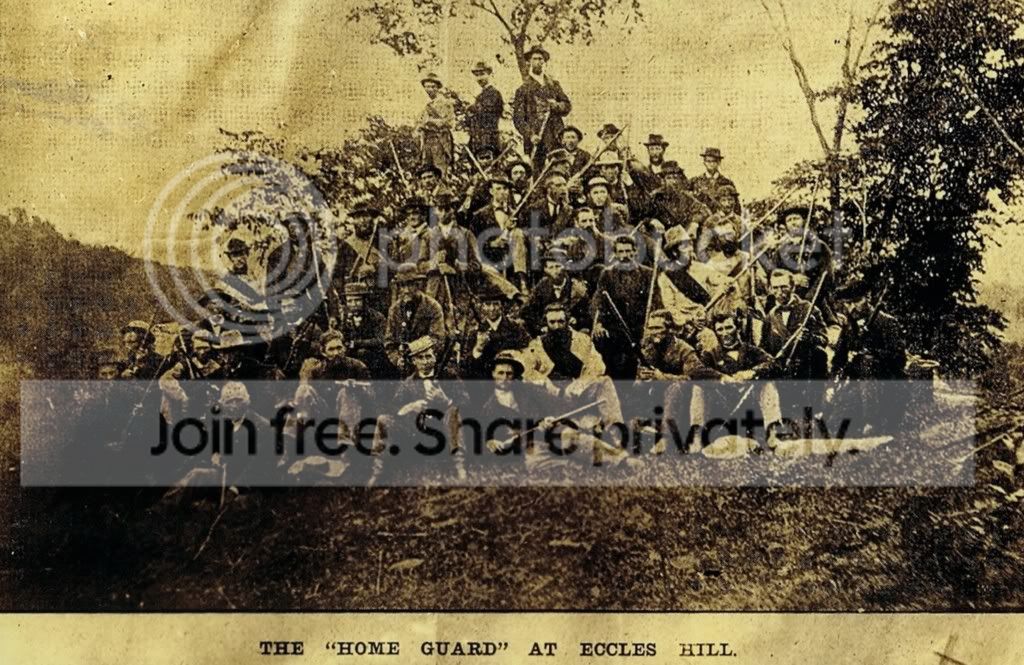
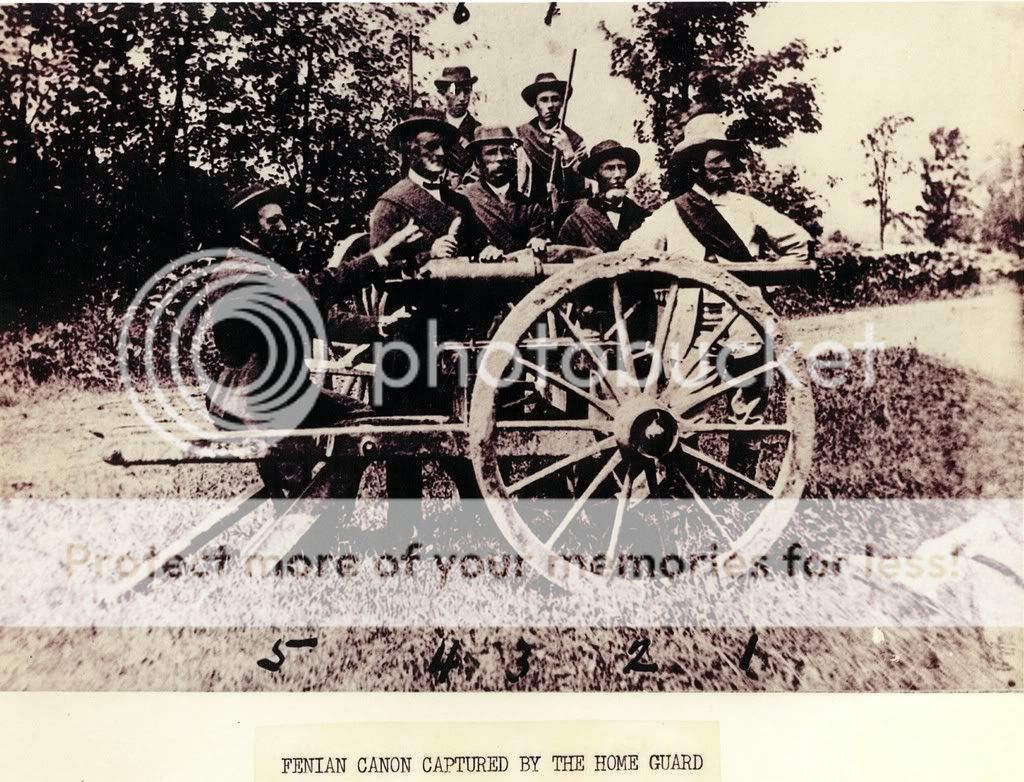
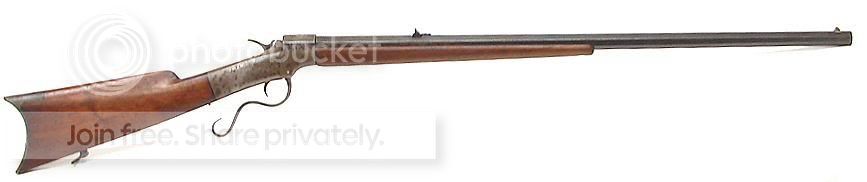
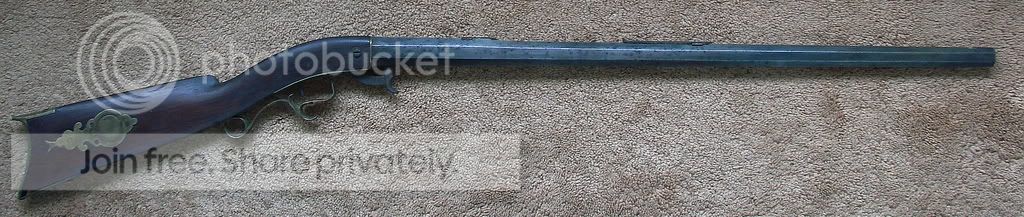
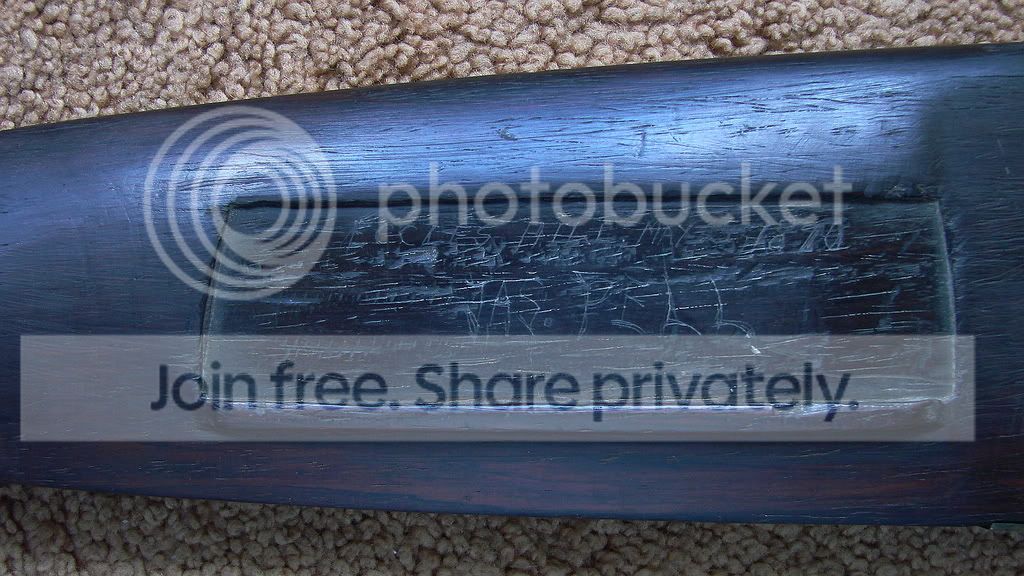
Some years ago I had the pleasure of corresponding with Joe Bilby regarding the use of both the North and South of the Model 1842 musket in the early years of the War.
Somehow my questions evolved into what this tread is all about.
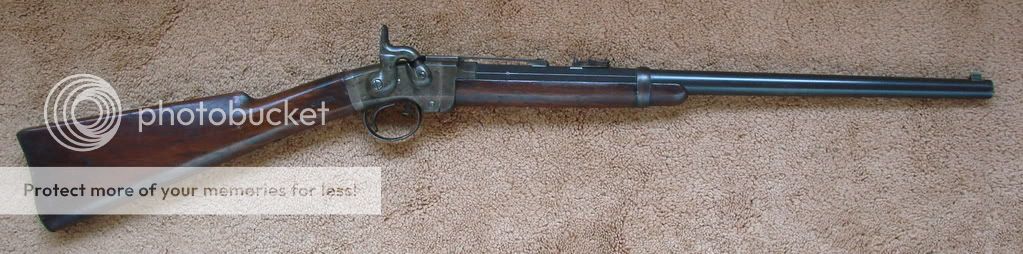
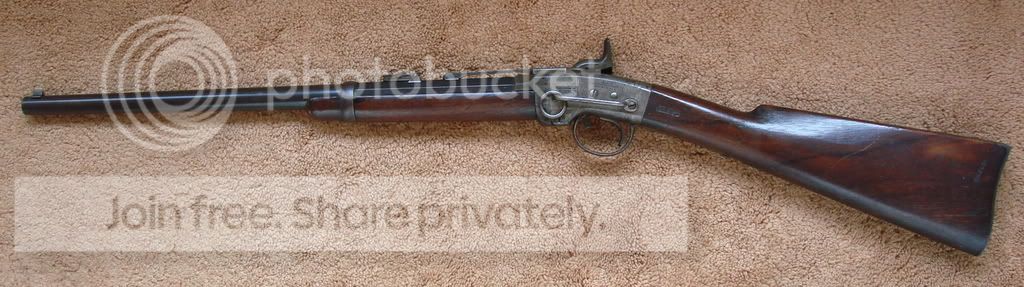
The two guns in question (shown below) involve a Pattern 1853 Enfield rifled musket, lock marked "Tower 1861", and a Smith carbine.
(By the way..the sling shown on the Enfield is not a correct sling for the Civil War period.)

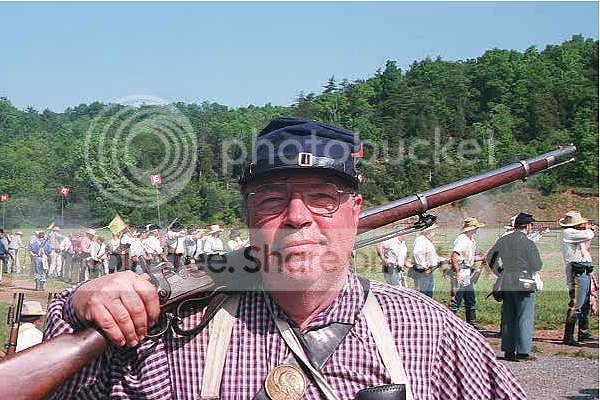
I googled Joe Bilby, and this is what I found....for they that may be interested.
Joseph G. Bilby was born in Newark, New Jersey. He received his BA and MA degrees in history from Seton Hall University and served as a lieutenant in the 1st Infantry Division in Vietnam. Mr. Bilby is Supervising Investigator of the New Jersey Department of Labor's Central Investigation Office, has taught military history on the community college level and lectured widely on the Civil War. He is the author of over 250 articles on New Jersey and military history and Outdoor subjects and is a columnist for The Civil War News, Historical Firearms editor for Black Powder Times and contributing editor for Military Images Magazine. He has appeared on the History Channel's Civil War Journal and the Discovery Channel's Discovery Magazine as an expert consultant on the Civil War and 19th century firearms, wrote the liner notes for the CD album The Irish Volunteer, was a Panelist for the NJ Historical Commission's 1996 seminar on Civil War Studies and is a Trustee of the NJ Civil War Heritage Association and member of the Development Board of The Robert E. Lee Civil War Round Table's Library and Research Center.
Mr. Bilby is the author of Three Rousing Cheers: A History of the 15th New Jersey Infantry from Flemington to Appomattox, Forgotten Warriors: New Jersey's African-American Civil War Soldiers, Remember Fontenoy: The 69th New York and the Irish Brigade In the Civil War and co-editor, with Steven O'Neill, of My Sons Were Faithful and They Fought: The Irish Brigade At Antietam, all published by Longstreet House, Hightstown, NJ. He received a grant from the New Jersey Historical Commission to assist in the research for Three Rousing Cheers, and Forgotten Warriors received a publication grant from the same institution. Remember Fontenoy was awarded the 1997 William Donovan Award for Excellence in Military Literature and, in a softbound edition as The Irish Brigade in the Civil War, published by Combined Publications, Conshohocken PA, was a Military Book Club selection. Mr. Bilby's Civil War Firearms, also published by Combined, was a Military Book Club selection as well, and received the Louisiana State University Civil War Center's Award of Excellence. His most recent book is Remember You Are Jerseymen: A Military History of New Jersey's Troops in the Civil War, co-authored with William C. Goble and published by Longstreet House.
Mr. Bilby is a member of the Outdoor Writers Association of America, the Irish Brigade Association, the Society of the First Infantry Division and the North-South Skirmish Association's 69th New York.
The photo below is of Joe Bilby.
The photo that started the conversation with Joe on this subject is posted below.

Additional photos-


The following is the email trail on this subject.
EMAIL FROM ME-
Joe, do the markings on the butt plate tang of this Enfield fit any kind of Civil War markings pattern that you are familiar with?
David
FROM JOE-
I'll forward it to my Enfield expert and get back to you. The "24" on the barrel indicates the guns bore size, which is .58 caliber rather than the standard "25 bore" or British .577. This is one indication that the gun may be a Union import.
Joe
FROM JOE”S ENFIELD EXPERT FRIEND-
This from my Enfield guy. You may have hit the jackpot.
While it's difficult to positively ID anything and to determine legitimacy from a photo, the piece seems to be a CS central government purchase. 1121 is the "control number." If the ramrod is original to the piece, it will also have 1121 engraved on it near the jag head. There should have been a large serif letter in front of the butt plate tang, but the stock seems to have been scraped. On the bottom of the stock behind the trigger guard, there should be two commission broker's stamps and a JS anchor stamp. The stampings behind the trigger guards were often light. Lacking the anchor stamp, there should be either a G or an SC on the lock side of the butt stock for this particular number range.
Some of the numbered arms can be traced to the vessel and the jobber, but - this is the big hole in the argument presented by the high-rolling dealers - there are only extant records for 2,000 arms that were brought into Savannah.
Most CS dealers like to lead the buyer to believe that there are records for 30,000 numbered arms.
If I ever get my book done, I will attempt to uncloud some of the mystery.
Brit regulations specified that all arms were to have a number not to exceed four digits engraved "and in no instance stamped or punched" on the butt plate, the ramrod, the bayonet socket, the bayonet scabbard stud, and the waist belt. In short, each stand of arms had all of the components numbered together. The Confederates followed the same practice at first, but then realized that it was a waste of time. The Confederates also used a few other numbering methods, and several states also had their own numbering systems. Many Army of Tennessee arms had an additional mark applied.
The piece is not a Brit issue as it lacks the army proof house markings - even arms bought commercially for Brit service were normally reproofed at an army proof house.
The sling is not correct to the piece. It is probably from a Lee Mitford or even an SMLE. There should be either a date or a manufacturer’s stamp across the sling in the space between the thong holes and the end of the tab. A BHG 21 stamp would indicate 1921 production. Sometimes the full date is there, such as 1917. Those slings remained in production as late as 1941. Many of the slings were stamped with bogus CW era contractor’s names by the English firm CSS Alabama Ltd in 1969 and the early 1970’s. A sutler used to bring in boxes of the slings from Canada. Also, many CS numbered arms have been created in the last few years.
The piece in the photo you sent is a Grade 2 handmade arm with filed flat-headed mount screws.
EMAIL FROM ME TO JOE-
Joe, after looking at the reference points referred to below I have observed the following;
(1) No marking on the ramrod indicating the #s 1121.
(2) “There should have been a large serif letter in front of the butt plate tang,” NONE SEEN.
(3) “On the bottom of the stock behind the trigger guard, there should be two commission broker's stamps and a JS anchor stamp. The stampings behind the trigger guards were often light. Lacking the anchor stamp, there should be either a G or an SC on the lock side of the butt stock for this particular number range.” NONE SEEN”
Joe, I have no idea where that leaves us???
EMAIL FROM JOE-
Still probably Confederate.
Joe
EMAIL FROM ME TO JOE-
Joe I looked at my notes that I made in 1994 when I bought the gun, and found the following; (I am sorry I didn’t think of including this info in my first email, I have not paid much attention to this gun for some time)
Crown behind hammer on lock plate with the date 1861 TOWER,
Inside lock-E.C&W.C, back of hammer E 8, 8 also on lock plate behind hammer, under barrel, J.R.Cooper also E.C (over)J.H. and another J.H.
-74 on breech plug and breech (under barrel)---Breech barrel flat (left side) 3 proof marks, and twice the number 24.
Inside barrel groove in stock just behind spoon spring-XX “
EMAIL FROM JOE-
My buddy advises, you still got 90% to go before you can call it Confederate definitively -- but you got a good possibility.
He also advises that some Enfields made for the US, in 24 bore, in the early part of the war, were actually bought by the Rebels, and that might explain the bore size.
Joe
EMAIL FROM ME-
Joe what does this mean exactly, “you still got 90% to go before you can call it Confederate definitively -- but you got a good possibility”…..what is the process, and what does the next step involve …if anything?
JOE"S RESPONSE-
The "90%" means that the number on the buttstock is a sign, but that, unfortuately, the other markings he mentioned are either not there or have been removed over the years -- still, a 10% confederate firearm is worth a lot more than a conventional Enfield.
I would keep it, myself. By the way, my friend also said there was an unusual number of Confederate arms that showed up in Canada, but he did not know why -- speculation of Canadian Volunteer organizations buying surplus captured stuff from US dealers, but nothing definite.
It was an interesting trip,…….but no cigar!
------------------------------------------------------------------------
THE SMITH CARBINE.
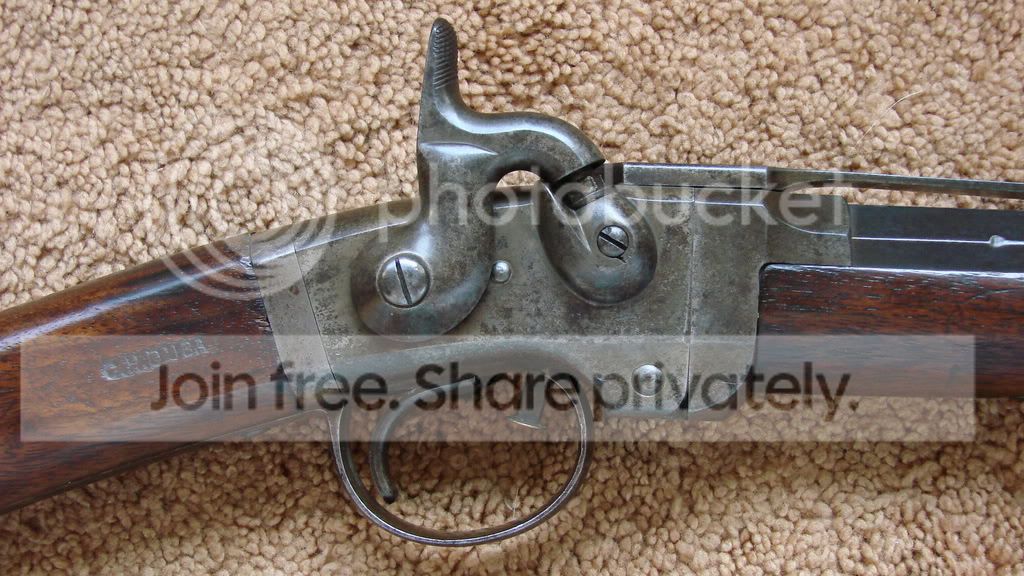
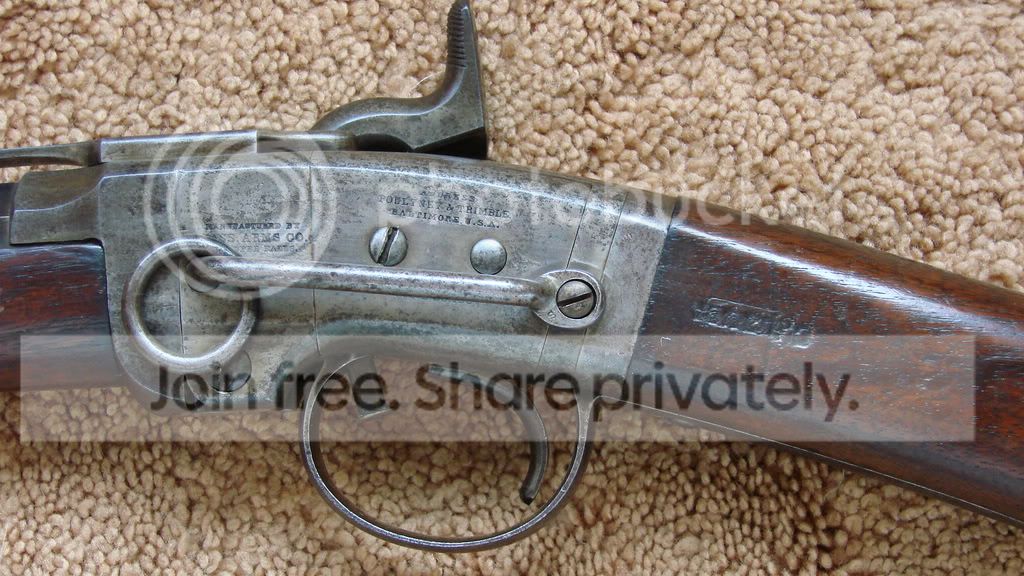
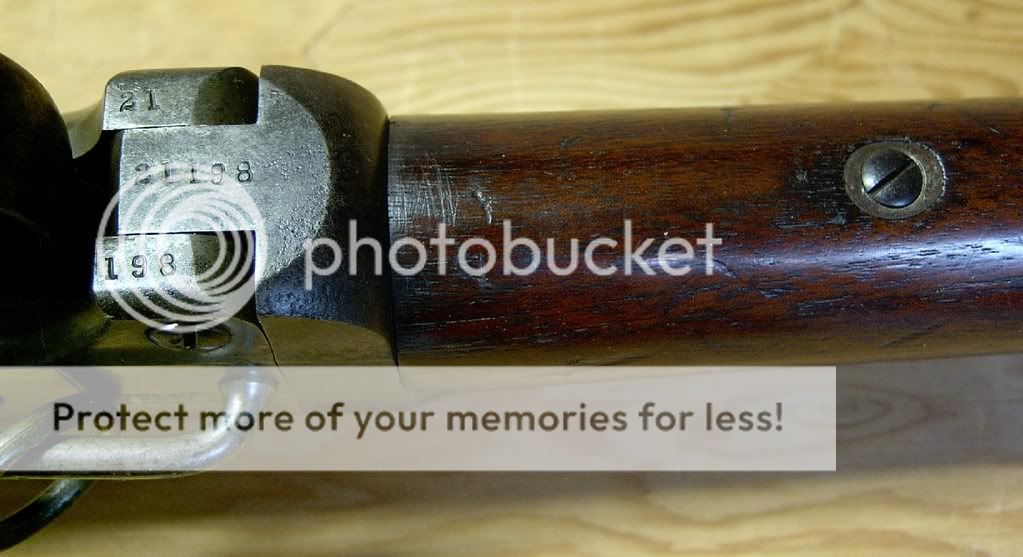
This carbine has the markings "C.H. Duba" , on four areas of the stock. Years ago, I engaged the research people at "The Horse Soldier" in Gettysburg to look into the question.
It is on record that Smith Carbines were issued to the 12th Illinois cavalry, and the results of the research shows a John Duba was mustered into "E" Co. Il. 12th Cavalry 1/24/1862, and mustered out on 12/31/1865.
Duba, is an an unusual name ,... but C.H Duba is not John Duba.
I guess,.. close is good in horse shoes,,,,but no cigar here????
However,.... it does allow one's imagination to wander???
C.H. DUBA neatly stamped on the right stock wrist as well as stamped over the inspectors cartouche on the left stock wrist. Two other stamps are found at the rear of the stock forward of the buttplate.
Some time later I was discussing another subject with Joe Bilby and I sent him photos of the stampings on the Smith carbine and asked him if he had ever seen these types of stamps before.
HIS ANSWER-
As a matter of fact, yes - Fenians had a tendency, if two of the conversion muskets are an indication, to mark guns like this. One that a friend of mine owns has "Sgt. Noonan" stamped into the wood.
Joe
The 1866 Fenians were armed with rifle muskets and Smith carbines -- some of the Canadians had Spencers, and the Canadian government bought more Spencers in the wake of the "invasion." Unless they were personal weapons, the Fenians never used Spencers. I mention this in passing in my new book on the Spencer and Henry. The Fenians of 1870 were armed with the Needham conversion of the Model 1863 rifle musket. The story is mentioned in Flayderman's "Guide" The guns were converted in Trenton by Trenton Arms Company, and a Fenian leader was a silent partner in the company.
Joe
How did this gun get up here?
It certainly never occurred to me that the Fenians were armed with Smith carbines?
Who knows?
David
A link to info on the Fenian raids.
http://www.historynet.com/fenian-raids-invasions-of-british-ruled-canada.htm
Somehow my questions evolved into what this tread is all about.
The two guns in question (shown below) involve a Pattern 1853 Enfield rifled musket, lock marked "Tower 1861", and a Smith carbine.
(By the way..the sling shown on the Enfield is not a correct sling for the Civil War period.)
I googled Joe Bilby, and this is what I found....for they that may be interested.
Joseph G. Bilby was born in Newark, New Jersey. He received his BA and MA degrees in history from Seton Hall University and served as a lieutenant in the 1st Infantry Division in Vietnam. Mr. Bilby is Supervising Investigator of the New Jersey Department of Labor's Central Investigation Office, has taught military history on the community college level and lectured widely on the Civil War. He is the author of over 250 articles on New Jersey and military history and Outdoor subjects and is a columnist for The Civil War News, Historical Firearms editor for Black Powder Times and contributing editor for Military Images Magazine. He has appeared on the History Channel's Civil War Journal and the Discovery Channel's Discovery Magazine as an expert consultant on the Civil War and 19th century firearms, wrote the liner notes for the CD album The Irish Volunteer, was a Panelist for the NJ Historical Commission's 1996 seminar on Civil War Studies and is a Trustee of the NJ Civil War Heritage Association and member of the Development Board of The Robert E. Lee Civil War Round Table's Library and Research Center.
Mr. Bilby is the author of Three Rousing Cheers: A History of the 15th New Jersey Infantry from Flemington to Appomattox, Forgotten Warriors: New Jersey's African-American Civil War Soldiers, Remember Fontenoy: The 69th New York and the Irish Brigade In the Civil War and co-editor, with Steven O'Neill, of My Sons Were Faithful and They Fought: The Irish Brigade At Antietam, all published by Longstreet House, Hightstown, NJ. He received a grant from the New Jersey Historical Commission to assist in the research for Three Rousing Cheers, and Forgotten Warriors received a publication grant from the same institution. Remember Fontenoy was awarded the 1997 William Donovan Award for Excellence in Military Literature and, in a softbound edition as The Irish Brigade in the Civil War, published by Combined Publications, Conshohocken PA, was a Military Book Club selection. Mr. Bilby's Civil War Firearms, also published by Combined, was a Military Book Club selection as well, and received the Louisiana State University Civil War Center's Award of Excellence. His most recent book is Remember You Are Jerseymen: A Military History of New Jersey's Troops in the Civil War, co-authored with William C. Goble and published by Longstreet House.
Mr. Bilby is a member of the Outdoor Writers Association of America, the Irish Brigade Association, the Society of the First Infantry Division and the North-South Skirmish Association's 69th New York.
The photo below is of Joe Bilby.
The photo that started the conversation with Joe on this subject is posted below.
Additional photos-
The following is the email trail on this subject.
EMAIL FROM ME-
Joe, do the markings on the butt plate tang of this Enfield fit any kind of Civil War markings pattern that you are familiar with?
David
FROM JOE-
I'll forward it to my Enfield expert and get back to you. The "24" on the barrel indicates the guns bore size, which is .58 caliber rather than the standard "25 bore" or British .577. This is one indication that the gun may be a Union import.
Joe
FROM JOE”S ENFIELD EXPERT FRIEND-
This from my Enfield guy. You may have hit the jackpot.
While it's difficult to positively ID anything and to determine legitimacy from a photo, the piece seems to be a CS central government purchase. 1121 is the "control number." If the ramrod is original to the piece, it will also have 1121 engraved on it near the jag head. There should have been a large serif letter in front of the butt plate tang, but the stock seems to have been scraped. On the bottom of the stock behind the trigger guard, there should be two commission broker's stamps and a JS anchor stamp. The stampings behind the trigger guards were often light. Lacking the anchor stamp, there should be either a G or an SC on the lock side of the butt stock for this particular number range.
Some of the numbered arms can be traced to the vessel and the jobber, but - this is the big hole in the argument presented by the high-rolling dealers - there are only extant records for 2,000 arms that were brought into Savannah.
Most CS dealers like to lead the buyer to believe that there are records for 30,000 numbered arms.
If I ever get my book done, I will attempt to uncloud some of the mystery.
Brit regulations specified that all arms were to have a number not to exceed four digits engraved "and in no instance stamped or punched" on the butt plate, the ramrod, the bayonet socket, the bayonet scabbard stud, and the waist belt. In short, each stand of arms had all of the components numbered together. The Confederates followed the same practice at first, but then realized that it was a waste of time. The Confederates also used a few other numbering methods, and several states also had their own numbering systems. Many Army of Tennessee arms had an additional mark applied.
The piece is not a Brit issue as it lacks the army proof house markings - even arms bought commercially for Brit service were normally reproofed at an army proof house.
The sling is not correct to the piece. It is probably from a Lee Mitford or even an SMLE. There should be either a date or a manufacturer’s stamp across the sling in the space between the thong holes and the end of the tab. A BHG 21 stamp would indicate 1921 production. Sometimes the full date is there, such as 1917. Those slings remained in production as late as 1941. Many of the slings were stamped with bogus CW era contractor’s names by the English firm CSS Alabama Ltd in 1969 and the early 1970’s. A sutler used to bring in boxes of the slings from Canada. Also, many CS numbered arms have been created in the last few years.
The piece in the photo you sent is a Grade 2 handmade arm with filed flat-headed mount screws.
EMAIL FROM ME TO JOE-
Joe, after looking at the reference points referred to below I have observed the following;
(1) No marking on the ramrod indicating the #s 1121.
(2) “There should have been a large serif letter in front of the butt plate tang,” NONE SEEN.
(3) “On the bottom of the stock behind the trigger guard, there should be two commission broker's stamps and a JS anchor stamp. The stampings behind the trigger guards were often light. Lacking the anchor stamp, there should be either a G or an SC on the lock side of the butt stock for this particular number range.” NONE SEEN”
Joe, I have no idea where that leaves us???
EMAIL FROM JOE-
Still probably Confederate.
Joe
EMAIL FROM ME TO JOE-
Joe I looked at my notes that I made in 1994 when I bought the gun, and found the following; (I am sorry I didn’t think of including this info in my first email, I have not paid much attention to this gun for some time)
Crown behind hammer on lock plate with the date 1861 TOWER,
Inside lock-E.C&W.C, back of hammer E 8, 8 also on lock plate behind hammer, under barrel, J.R.Cooper also E.C (over)J.H. and another J.H.
-74 on breech plug and breech (under barrel)---Breech barrel flat (left side) 3 proof marks, and twice the number 24.
Inside barrel groove in stock just behind spoon spring-XX “
EMAIL FROM JOE-
My buddy advises, you still got 90% to go before you can call it Confederate definitively -- but you got a good possibility.
He also advises that some Enfields made for the US, in 24 bore, in the early part of the war, were actually bought by the Rebels, and that might explain the bore size.
Joe
EMAIL FROM ME-
Joe what does this mean exactly, “you still got 90% to go before you can call it Confederate definitively -- but you got a good possibility”…..what is the process, and what does the next step involve …if anything?
JOE"S RESPONSE-
The "90%" means that the number on the buttstock is a sign, but that, unfortuately, the other markings he mentioned are either not there or have been removed over the years -- still, a 10% confederate firearm is worth a lot more than a conventional Enfield.
I would keep it, myself. By the way, my friend also said there was an unusual number of Confederate arms that showed up in Canada, but he did not know why -- speculation of Canadian Volunteer organizations buying surplus captured stuff from US dealers, but nothing definite.
It was an interesting trip,…….but no cigar!
------------------------------------------------------------------------
THE SMITH CARBINE.
This carbine has the markings "C.H. Duba" , on four areas of the stock. Years ago, I engaged the research people at "The Horse Soldier" in Gettysburg to look into the question.
It is on record that Smith Carbines were issued to the 12th Illinois cavalry, and the results of the research shows a John Duba was mustered into "E" Co. Il. 12th Cavalry 1/24/1862, and mustered out on 12/31/1865.
Duba, is an an unusual name ,... but C.H Duba is not John Duba.
I guess,.. close is good in horse shoes,,,,but no cigar here????
However,.... it does allow one's imagination to wander???
C.H. DUBA neatly stamped on the right stock wrist as well as stamped over the inspectors cartouche on the left stock wrist. Two other stamps are found at the rear of the stock forward of the buttplate.
Some time later I was discussing another subject with Joe Bilby and I sent him photos of the stampings on the Smith carbine and asked him if he had ever seen these types of stamps before.
HIS ANSWER-
As a matter of fact, yes - Fenians had a tendency, if two of the conversion muskets are an indication, to mark guns like this. One that a friend of mine owns has "Sgt. Noonan" stamped into the wood.
Joe
The 1866 Fenians were armed with rifle muskets and Smith carbines -- some of the Canadians had Spencers, and the Canadian government bought more Spencers in the wake of the "invasion." Unless they were personal weapons, the Fenians never used Spencers. I mention this in passing in my new book on the Spencer and Henry. The Fenians of 1870 were armed with the Needham conversion of the Model 1863 rifle musket. The story is mentioned in Flayderman's "Guide" The guns were converted in Trenton by Trenton Arms Company, and a Fenian leader was a silent partner in the company.
Joe
How did this gun get up here?
It certainly never occurred to me that the Fenians were armed with Smith carbines?
Who knows?
David
A link to info on the Fenian raids.
http://www.historynet.com/fenian-raids-invasions-of-british-ruled-canada.htm
Last edited: