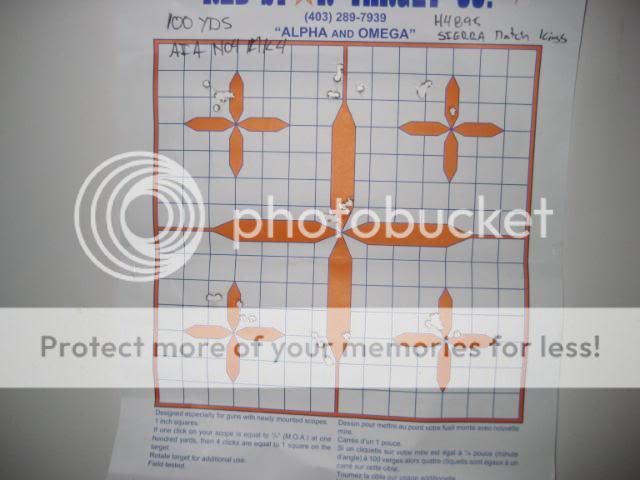
I bought a used AIA on EE last week. The first range test produced tall groups, suggesting a bedding issue. I also noticed that the 168 gr bullets shot 4 minutes higher than the 155 gr bullets at 300 yards. I would have expected the 168s to shoot slighter lower, not a lot higher. Again, this suggests a lot of barrel whip.
Sure enough, when I gave the muzzle the thumb tests, to see how much pressure it took to push the barrel off the wood, I found the barrel just flopping around in the barrel channel. It was sort of free floating. I say “sort of” because the barrel seemed to be touching the left side of the channel.

I made the decision to bed the rifle. First step was to take it apart. It comes apart just like any other #4Mk2. The long skinny cross screw above and behind the trigger has to come out. This goes right through the wood and has to be removed so the wood will come off.
Some things I noticed. It is a very well made, well finished and solid rifle. It has a hung trigger. That is, the trigger is on the frame, not the trigger guard.

The barrel is screwed into the receiver using a Savage type nut. This means it would be real easy to take any old target rifle barrel, cut new threads and chamber and screw it in. No shoulder required. Or, just like a Savage, I bet you could use a shoulder and install it conventionally.

The mechanism that takes the M14 mag appears to be a separate assembly installed in the receiver. It is not obvious to me how it is held in place.
The top wood guard is one piece (not 2 pieces, like a #4) and is held in place by clips on the barrel and the front band. This would seem to make the barrel incompatible with free floating, because the wood is attached to the barrel, but is not floating with it.
The front sight assembly screws onto the barrel, once the two clamping screws on the bottom are backed off. It has to be oriented vertical by eye.

The bedding is like a #4, on the wood. No epoxy. It looks like the intent was to have no contact with the barrel from the barrel nut forward. However, I see the faint imprint of the nut in the wood, and the barrel does touch the side of the wood at the tip.
My plan is to bed the flats around the king screw, the draws and to relieve the wood a bit under the nut and near the muzzle. I will then bed it to have some contact under the barrel, near the muzzle, with about 5 pounds of down pressure on the wood, so the barrel does not flop around.
I still have ammo in the boxes I shot the first test with, so should be able to do a “before” and “after” picture.
Stay tuned.
Sure enough, when I gave the muzzle the thumb tests, to see how much pressure it took to push the barrel off the wood, I found the barrel just flopping around in the barrel channel. It was sort of free floating. I say “sort of” because the barrel seemed to be touching the left side of the channel.
I made the decision to bed the rifle. First step was to take it apart. It comes apart just like any other #4Mk2. The long skinny cross screw above and behind the trigger has to come out. This goes right through the wood and has to be removed so the wood will come off.
Some things I noticed. It is a very well made, well finished and solid rifle. It has a hung trigger. That is, the trigger is on the frame, not the trigger guard.
The barrel is screwed into the receiver using a Savage type nut. This means it would be real easy to take any old target rifle barrel, cut new threads and chamber and screw it in. No shoulder required. Or, just like a Savage, I bet you could use a shoulder and install it conventionally.
The mechanism that takes the M14 mag appears to be a separate assembly installed in the receiver. It is not obvious to me how it is held in place.
The top wood guard is one piece (not 2 pieces, like a #4) and is held in place by clips on the barrel and the front band. This would seem to make the barrel incompatible with free floating, because the wood is attached to the barrel, but is not floating with it.
The front sight assembly screws onto the barrel, once the two clamping screws on the bottom are backed off. It has to be oriented vertical by eye.
The bedding is like a #4, on the wood. No epoxy. It looks like the intent was to have no contact with the barrel from the barrel nut forward. However, I see the faint imprint of the nut in the wood, and the barrel does touch the side of the wood at the tip.
My plan is to bed the flats around the king screw, the draws and to relieve the wood a bit under the nut and near the muzzle. I will then bed it to have some contact under the barrel, near the muzzle, with about 5 pounds of down pressure on the wood, so the barrel does not flop around.
I still have ammo in the boxes I shot the first test with, so should be able to do a “before” and “after” picture.
Stay tuned.